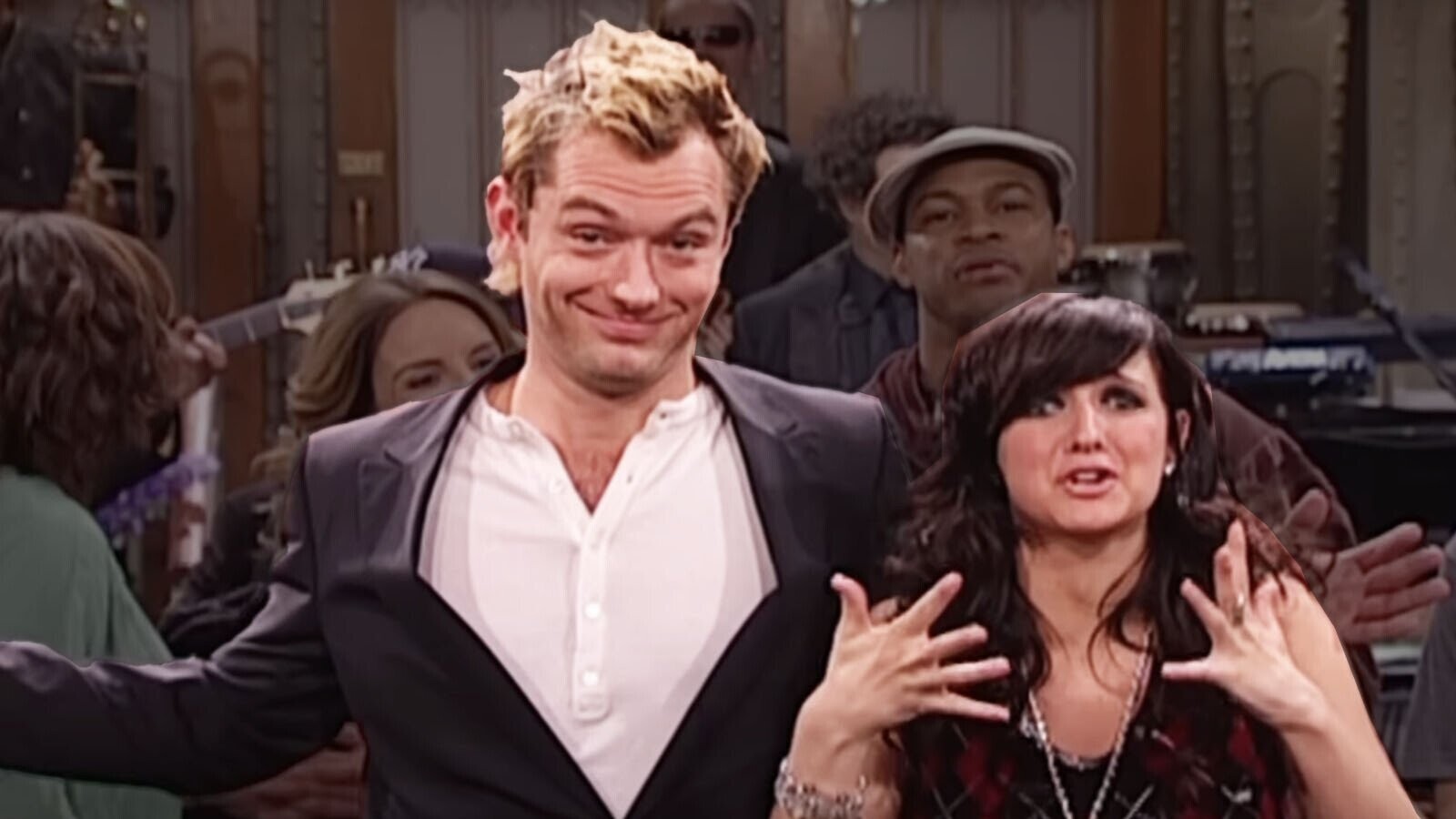
Ashlee Simpson's infamous October 2004 lip-syncing incident on Saturday Night Live remains one of the most defining and scrutinized live television broadcast moments of the modern pop era. The event fundamentally altered public perception of the artist's burgeoning music career, triggered intense media fallout regarding the prevalence of pre-recorded vocals in mainstream pop performance, and established a permanent cautionary tale about the operational risks of live television production and audio engineering mishaps.
The Cultural and Career Context of 2004
To understand the magnitude of the Saturday Night Live incident, it is essential to examine Ashlee Simpson's standing in the entertainment industry in late 2004. Following the massive success of her younger sister, Jessica Simpson, Ashlee carved out a distinct pop-rock identity characterized by edgy aesthetics, punk-influenced styling, and a raspy vocal style. Her debut studio album, Autobiography, released in July 2004 through Geffen Records, proved to be a commercial powerhouse.
Backed by the lead single "Pieces of Me," the album debuted at number one on the US Billboard 200 chart and achieved multi-platinum certification within months. This rapid ascent positioned Simpson as one of the most bankable and visible young pop stars of the era. Television appearances, high-profile magazine covers, and heavy rotation on MTV cemented her presence in the public consciousness.
Securing a musical guest spot on NBC’s venerable sketch comedy series Saturday Night Live (hosted by actor Jude Law on October 23, 2004) was considered a premier promotional opportunity for any artist at the peak of an album cycle. For a young rock-pop artist seeking critical validation alongside commercial success, a successful SNL performance was a vital stepping stone to cement artistic credibility.
The Saturday Night Live Incident: Step-by-Step Breakdown
The broadcast on October 23, 2004, proceeded normally for Simpson's first musical segment, during which she successfully performed her hit single "Pieces of Me." However, the complications arose during her second scheduled performance of the evening, intended to feature her track "Autobiography."
- The Audio Cue Mismatch: As the backing track began to roll, the audio system broadcast the vocal track for "Pieces of Me" instead of the instrumental and vocal tracks required for "Autobiography."
- The Physical Response: Before she even reached the microphone stand, the distinct recorded vocals of "Pieces of Me" echoed through the studio and across millions of television screens, while Simpson stood stationary.
- The Compromised Performance: Recognizing the error, Simpson made a visibly awkward attempt to handle the situation. She executed an impromptu, clumsy hoe-down style dance jig before walking off the stage entirely while the band continued to play.
- The Broadcast Cut: NBC producers scrambled to cut away from the live stage, abruptly transitioning to an early commercial break, leaving viewers and the studio audience stunned by the abrupt truncation.
Immediate Aftermath and Public Explanation
The live television blunder triggered an instantaneous reaction across media outlets, internet message boards, and early digital news platforms. Within hours, the incident became a dominant cultural talking point, drawing widespread scrutiny regarding the authenticity of live music performances on television.
Later in the broadcast, during the closing credits, Simpson returned to the stage alongside host Jude Law to offer an explanation. She attributed the mishap to her band playing the wrong song, stating that her vocal cords were severely strained due to acid reflux and bronchitis, which her doctor advised could cause vocal loss if she sang live.
Timeline of the Immediate Fallout
- October 23, 2004: Live broadcast error occurs on Saturday Night Live.
- October 24, 2004: Media outlets and early blogs pick up the story globally.
- October 25, 2004: Simpson appears on Total Request Live (TRL) to elaborate.
- November 2004: Subsequent promotional appearances face intense scrutiny.
While intended to quell the controversy, the explanation generated further debate. Critics and audio professionals quickly pointed out that relying on a pre-recorded vocal track—commonly referred to as a backing track or "safety track"—contradicted the narrative of a purely live acoustic or rock performance. Two days later, Simpson appeared on MTV's Total Request Live (TRL) to reiterate her apology and explain the logistical pressures of managing health issues while fulfilling rigorous promotional schedules.
Technical Realities of Television Audio and Backing Tracks
The debate surrounding Simpson's performance brought complex audio engineering and television broadcasting practices into the mainstream spotlight. In large-scale live productions like Saturday Night Live, producers and sound engineers manage stringent technical constraints to ensure broadcast quality.
- Broadcast Standards: Television networks demand pristine audio mixes that meet strict federal broadcasting guidelines and maintain consistent loudness levels for home viewers.
- Safety Tracks: Pop and rock artists frequently utilize pre-recorded vocal enhancements or full backing tracks during televised performances to mitigate the risks associated with unpredictable acoustics, faulty monitors, or vocal fatigue.
- Human and System Error: The incident highlighted the vulnerability of automated playback systems. A cueing error by the playback operator or the band's backing track coordinator can instantly derail a performance regardless of the artist's intent.
| Factor | Live Performance Standard | Pre-Recorded Backing Track Standard |
|---|---|---|
| Acoustic Control | Dependent on venue acoustics and monitor mixes | Controlled mix optimized for television broadcast |
| Risk Factor | High vulnerability to voice cracks, feedback, and fatigue | Low vocal risk; high vulnerability to synchronization errors |
| Industry Acceptance | Universally praised by purists | Commonplace in high-energy choreography, strictly judged in rock/pop |
| Broadcast Reliability | Requires flawless real-time engineering | Relies on precise cueing between artist, band, and booth |
Long-Term Impact on Simpson’s Career and Pop Culture Legacy
The Saturday Night Live incident marked a pivotal turning point in Ashlee Simpson's career trajectory. While Autobiography had already achieved massive commercial success, subsequent single releases experienced diminished momentum compared to her early chart-toppers. Her second studio album, I Am Me (2005), debuted at number one on the Billboard 200 and achieved platinum status, proving that a dedicated fanbase remained supportive, yet the public perception of her live performance capabilities remained a recurring theme in media profiles.
Over the ensuing decades, the incident transformed into a canonical touchstone in the history of live television blunders. Long before the era of viral TikTok trends and instant social media pile-ons, the event demonstrated the velocity at which a single broadcast error could define an artist's public narrative.
Today, media historians and pop culture analysts view the event with greater nuance, recognizing that the heavy reliance on backing tracks is an industry-wide standard rather than an isolated anomaly. Nevertheless, Ashlee Simpson's name remains permanently linked to the wider conversation surrounding authenticity, technology, and live performance standards in the music industry.
Frequently Asked Questions
What song was supposed to be performed when the error occurred?
Ashlee Simpson and her band were scheduled to perform "Autobiography," the title track from her debut studio album, as their second musical selection of the night. Instead, the audio control booth played the pre-recorded vocal track for her previous hit, "Pieces of Me."
Did Ashlee Simpson admit to lip-syncing during the performance?
Yes. Following the broadcast and subsequent media scrutiny, Simpson acknowledged that she utilized a vocal backing track. She explained that severe acid reflux and acute bronchitis had compromised her vocal cords, prompting her team to use the pre-recorded track as a safeguard.
How did Saturday Night Live handle the broadcast error?
Director and production crew members immediately recognized the audio mismatch and cut away from the stage during the live broadcast, transitioning directly to a commercial break. Simpson later returned to the stage during the goodnights alongside host Jude Law to address the audience.
Were backing tracks common for artists performing on television in 2004?
Backing tracks were and remain standard practice in television broadcasting. Networks and artists routinely use pre-recorded elements to ensure optimal sound quality, manage complex audio routing, and protect performers against acoustic anomalies in large studio environments.
How did the incident affect album sales and future music releases?
While the immediate aftermath generated intense negative media attention and public mockery, Simpson's core fanbase remained loyal. Her subsequent studio album, I Am Me, debuted at number one on the US Billboard 200 in 2005, though mainstream critical perception of her live performances faced heightened scrutiny for years afterward.
Next Actions and Further Exploration
For researchers, music historians, and pop culture enthusiasts seeking a deeper understanding of this era, reviewing contemporary music journalism from late 2004 provides valuable context regarding the evolution of television broadcast standards. Analyzing subsequent interviews given by Simpson and her producers also offers insight into the psychological and professional toll of high-profile media scrutiny in the pre-social media digital age.