In the 2022/23 financial year, Arsenal Football Club reported a significant increase in total revenue, reaching £464.6 million. This growth was primarily driven by the club's return to UEFA competition, a highly successful Premier League campaign resulting in a second-place finish, and a substantial rise in matchday and commercial income compared to the previous year's £369.1 million.
The Financial Landscape of the 2022/23 Season
The 2022/23 period represented a pivotal moment for Arsenal’s financial trajectory. After several seasons of fluctuating performance and the lingering economic impact of the global pandemic, the club’s accounts for the year ending May 31, 2023, showcased a robust recovery. This growth was not merely incidental but the result of a coordinated strategy to reintegrate the club into the European elite while maximizing the earning potential of the Emirates Stadium.
Total revenue rose by approximately 26%, a leap that allowed Arsenal to climb back into the top 10 of the Deloitte Football Money League. This resurgence is critical because it provides the necessary liquidity to sustain high-level player acquisitions and retain elite talent through improved contract terms. However, while the top-line revenue reached record levels for the club, the financial statements also revealed the complexities of modern football finance, including rising operational costs and the challenges of achieving net profitability.
Matchday Revenue and the Emirates Factor
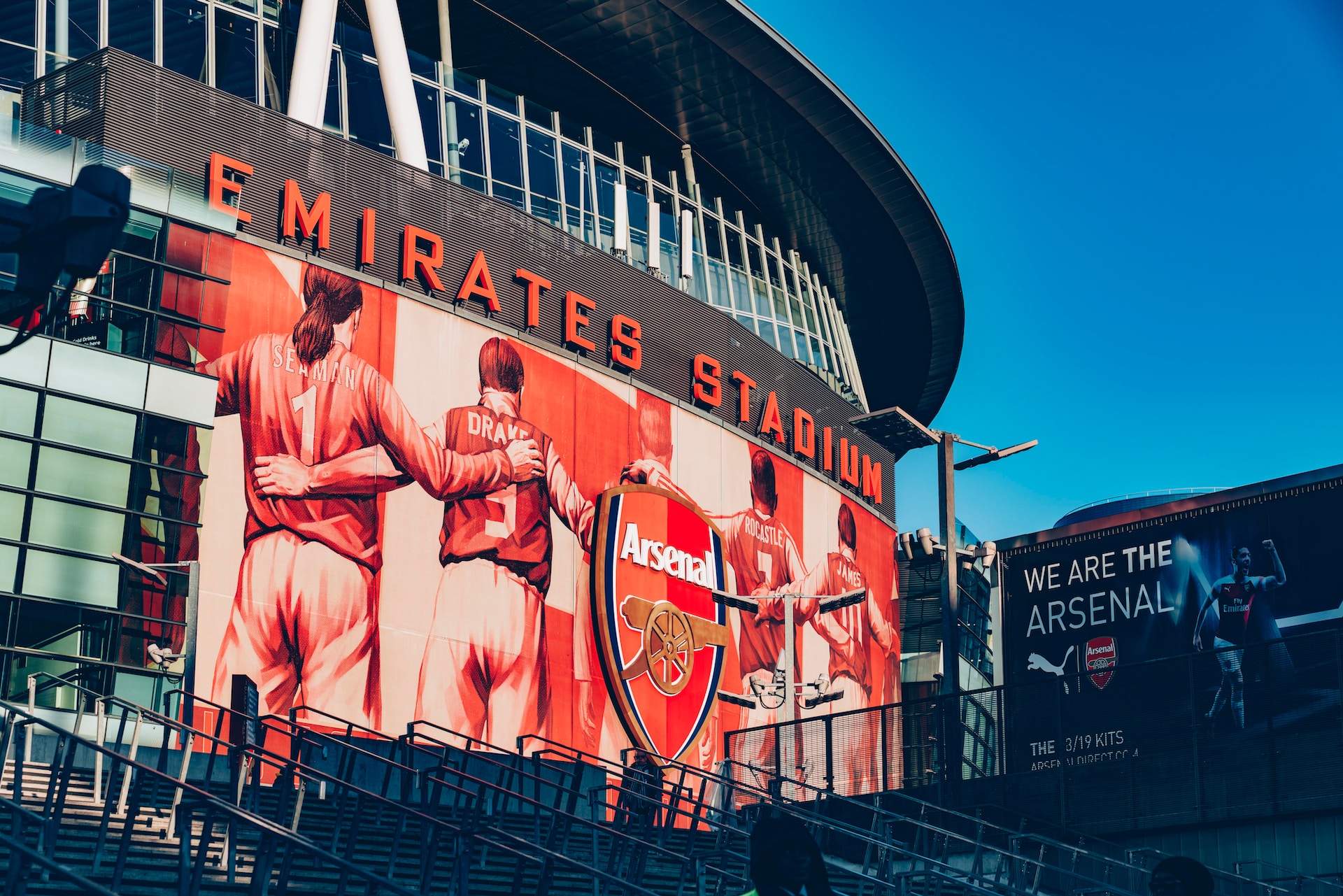
Matchday revenue remains a cornerstone of Arsenal’s business model. In 2023, this stream surged to £102.6 million, up from £79.4 million in 2022. This increase is particularly notable as it marks a return to the "£100 million club," a threshold reserved for teams with high-capacity stadiums and premium hospitality offerings.
The primary driver for this growth was the increase in the number of home fixtures. Arsenal played 24 home matches in the 2022/23 season, compared to 23 in the prior year. More importantly, the demand for tickets reached unprecedented levels due to the team’s sustained challenge for the Premier League title. Every home game was a sell-out, and the club’s "Category A" fixtures—which command higher ticket prices—were more frequent due to the nature of the title race and the return of European nights under the lights in North London.
Furthermore, the club has invested heavily in its hospitality sectors. The renovation of executive boxes and the introduction of new dining experiences within the Emirates Stadium have allowed Arsenal to extract higher margins from its premium seating. Unlike broadcasting revenue, which is largely dictated by collective bargaining agreements, matchday income is a lever the club can control directly through pricing strategies and stadium utilization.
Broadcasting Income: The Reward for Excellence
Broadcasting revenue saw a substantial rise to £191.2 million in 2023, up from £146 million in the previous year. This revenue stream is divided into two primary categories: domestic Premier League distributions and international competition distributions from UEFA.
In the Premier League, broadcasting distributions are heavily weighted toward "merit payments," which are determined by a club's final league position. By finishing 2nd, Arsenal secured one of the highest merit payments in the history of the competition. Additionally, "facility fees"—payments made each time a club’s match is broadcast live in the UK—were maximized as Arsenal’s title charge made them a priority for broadcasters like Sky Sports and TNT Sports (formerly BT Sport).
The return to the UEFA Europa League also contributed significantly. While the Europa League offers lower distributions than the Champions League, it provided a vital revenue bridge. Reaching the knockout stages ensured a steady flow of UEFA prize money and broadcast shares that were entirely absent during the 2021/22 season when the club failed to qualify for Europe. This set the stage for the even more lucrative Champions League revenue that would follow in subsequent reporting periods.
Commercial Growth and Global Brand Expansion
Arsenal’s commercial revenue reached £169.3 million in 2023, a significant jump from £141.7 million in 2022. Commercial success in the modern era is predicated on a club’s ability to leverage its digital footprint and global fanbase to attract high-value partners.
Key factors contributing to this growth included:
- The Adidas Partnership: An extension of the kit manufacture deal provided a higher annual base payment and increased royalties from global shirt sales. Arsenal’s kits have consistently ranked among the highest-selling in the Premier League.
- Emirates Airlines: The long-standing relationship with Emirates as both the primary shirt sponsor and stadium naming rights partner remains one of the most stable and lucrative in world football.
- Secondary Partnerships: The club successfully diversified its portfolio by securing regional partners in sectors such as technology, beverage, and finance. The "Visit Rwanda" sleeve sponsorship continued to provide high visibility and steady returns.
- Retail and E-commerce: Arsenal reported record-breaking retail sales through its online "Arsenal Direct" platform and flagship stores. The popularity of "retro" collections and limited-edition collaborations significantly boosted the bottom line.
Expenditure and the Challenge of Profitability
Despite the record-breaking revenue of £464.6 million, Arsenal reported an overall loss after tax of £52.1 million. To understand why a club earning nearly half a billion pounds still records a loss, one must examine the soaring costs of competing at the highest level of the game.
The Rising Wage Bill
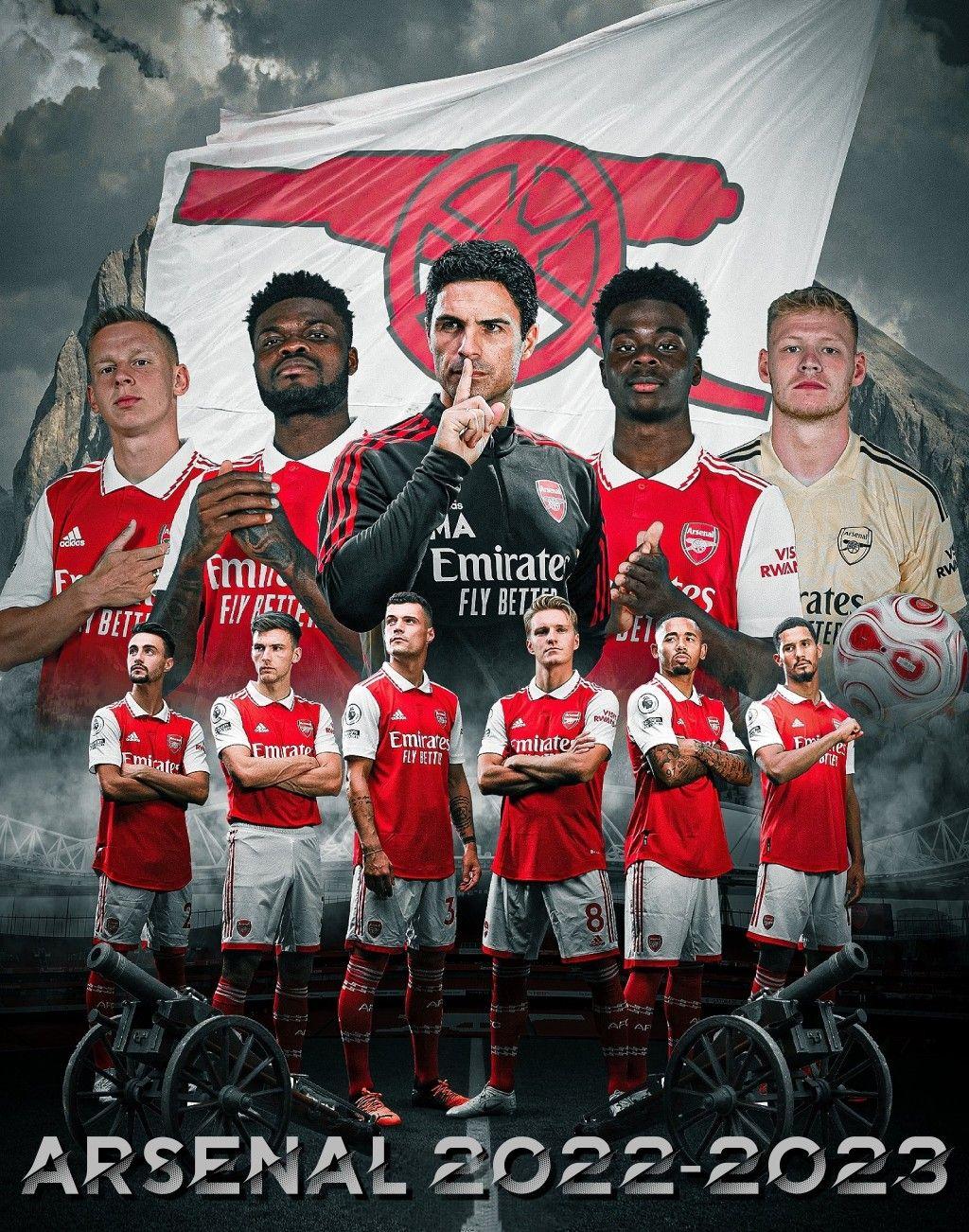
The single largest expense for any elite football club is the wage bill. In 2023, Arsenal’s staff costs increased to £234.8 million. This rise was a direct consequence of the club’s investment in the first-team squad. To maintain the momentum of the 2022/23 title challenge, the club renewed the contracts of several key players—including Gabriel Martinelli, Bukayo Saka, and William Saliba—on significantly improved terms.
Additionally, the cost of performance-related bonuses contributed to the total. Because the team finished 2nd and qualified for the Champions League, many players and staff members triggered lucrative "success bonuses" stipulated in their contracts. While these payments increase the annual deficit, they are generally viewed as "good" costs because they correlate with the achievement of high-value sporting objectives.
Amortization and Player Trading
In football accounting, the cost of a player’s transfer fee is not recorded all at once. Instead, it is "amortized" over the length of the player's contract. For example, a £50 million player on a five-year contract represents a £10 million annual amortization charge.
In 2023, Arsenal’s amortization charges remained high due to heavy investment in the transfer market during previous windows (bringing in players like Gabriel Jesus and Oleksandr Zinchenko). Furthermore, the club realized relatively low profits from player sales during this specific reporting period. Player trading is a vital component of the "Sustainable Model," and the inability to generate significant "Profit on Disposal of Player Registrations" is one of the primary reasons the club remained in a deficit despite soaring revenues.
Comparative Analysis: Arsenal vs. The "Big Six"
To put Arsenal’s £464.6 million revenue into perspective, it is helpful to compare their performance against their primary domestic rivals.
| Club | 2022/23 Revenue (Approx) | Primary Growth Driver |
|---|---|---|
| Manchester City | £613.0m | Treble-winning prize money & Commercial |
| Manchester United | £648.4m | Global commercial reach & Matchday |
| Liverpool FC | £594.0m | Sustained commercial growth |
| Tottenham Hotspur | £549.6m | Multi-use stadium events (NFL/Concerts) |
| Arsenal FC | £464.6m | Return to Europe & PL Merit Payments |
| Chelsea FC | £512.5m | Commercial and large-scale player trading |
As the table demonstrates, while Arsenal's growth is impressive, they still trail Manchester City and Manchester United significantly. The gap is largely attributed to those clubs' consistent participation in the UEFA Champions League and, in Tottenham's case, the massive revenue-generating capabilities of a newer, larger stadium that hosts non-football events year-round. However, the 2023 figures represent the beginning of Arsenal closing this gap, with the subsequent 2024 figures (which will include Champions League distributions) expected to push the club closer to the £550m–£600m range.
Long-term Financial Health and PSR Compliance
One of the most discussed topics in football finance is compliance with the Premier League’s Profit and Sustainability Rules (PSR). These rules allow for a maximum loss of £105 million over a three-year rolling period, provided the owners cover those losses with equity.
Arsenal’s 2023 loss of £52.1 million, combined with previous years' results, placed them under the spotlight. However, the club remains in a secure position for several reasons:
- Allowable Deductions: Spending on the youth academy, the women's team, and community projects can be deducted from the loss for PSR calculations.
- The Kroenke Support: The club’s owners, Kroenke Sports & Entertainment (KSE), have converted several loans into equity, effectively wiping out interest-bearing debt and improving the balance sheet.
- Revenue Trajectory: The massive jump in revenue between 2022 and 2023—and the projected jump in 2024—provides the club with much more "headroom" to spend on transfers without breaching limits.
The financial strategy under the current leadership appears to be one of "controlled aggression." The club is willing to incur short-term losses to build a squad capable of regular Champions League qualification, knowing that the long-term revenue rewards of elite European football far outweigh the temporary deficits.
Frequently Asked Questions
Did Arsenal make a profit in 2023?
No, Arsenal reported an overall loss after tax of £52.1 million for the 2022/23 financial year. Despite record revenue of £464.6 million, the costs associated with player wages, transfer amortization, and a lack of significant player sale profits resulted in a net deficit. This was a slight increase from the £45.5 million loss recorded in 2022.
How much did the return to European football help Arsenal's revenue?
The return to the UEFA Europa League was a major factor in the nearly £100 million revenue increase from 2022 to 2023. It contributed through direct UEFA prize money, a share of the European television market pool, and the revenue from hosting additional home matches at the Emirates Stadium.
How does Arsenal's commercial revenue compare to other clubs?
Arsenal's commercial revenue of £169.3 million is strong but remains behind "powerhouses" like Manchester United and Manchester City, who often exceed £250 million to £300 million in this category. However, Arsenal is currently outperforming many other European giants and has shown one of the fastest growth rates in the Premier League for commercial partnerships over the last three years.
What was the impact of the Arsenal Women's team on the 2023 revenue?
The Arsenal Women's team played a significant role in boosting matchday revenue. Several high-profile matches were held at the Emirates Stadium, including a sold-out Champions League semi-final against Wolfsburg. This not only increased ticket and hospitality sales but also enhanced the club's attractiveness to commercial sponsors looking for inclusive brand associations.
Is Arsenal in danger of breaking Premier League financial rules?
While the club has reported losses, they are currently compliant with the Premier League’s Profit and Sustainability Rules (PSR). This is due to the "allowable deductions" for infrastructure, academy, and women's football, as well as the significant revenue growth which provides more flexibility in the three-year rolling calculation.
Strategic Recommendation for Financial Analysis
For those tracking Arsenal's financial health, it is essential to look beyond the "Headline Loss" figure. The most critical metric for the club's future is the Revenue-to-Wage Ratio. In 2023, this ratio sat at approximately 51%, which is considered very healthy by UEFA standards (where a ratio under 70% is the benchmark).
Investors and fans should monitor the club's ability to generate "Profit on Disposal." To reach true self-sustainability, Arsenal must improve their ability to sell players at a premium, similar to the models used by Chelsea or Manchester City. As the squad value continues to rise, the potential for high-profit outgoings increases, which will eventually flip the club from a net loss to a consistent net profit.