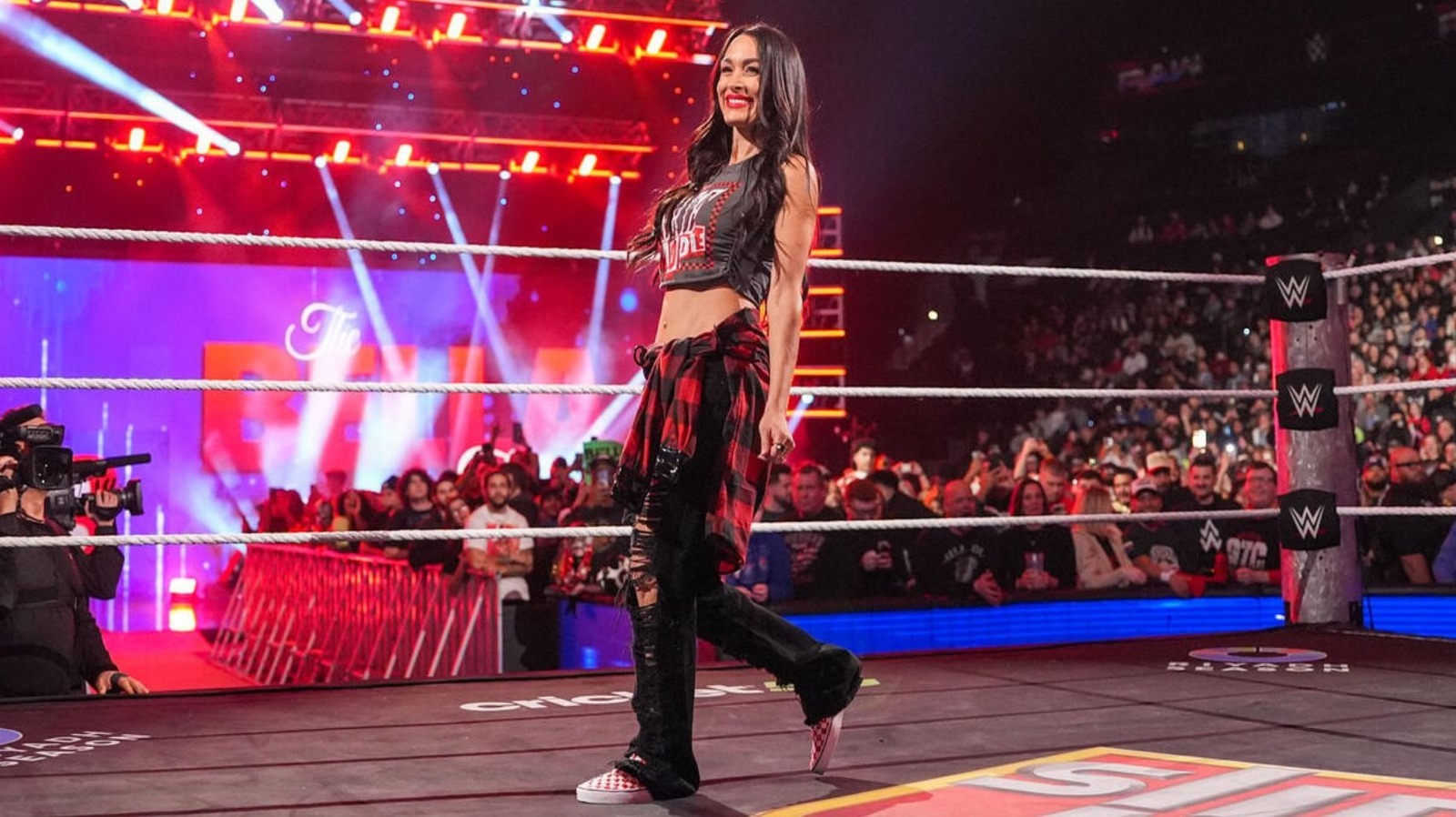
Arissa LeBrock’s WWE journey began with high expectations in late 2019 when she signed a developmental contract to train at the WWE Performance Center in Orlando. Despite her significant martial arts background and status as a legacy athlete, her tenure was brief, ending in mid-2020 before she reached a televised debut.
The world of professional wrestling is a unique intersection of athletics, theater, and brand management. For many, the path to the ring involves years of independent circuit struggle. For others, the "Legacy" route—being the child of established stars—provides a spotlight that is both a blessing and a burden. Arissa LeBrock, the daughter of action movie icon Steven Seagal and legendary model/actress Kelly LeBrock, entered this world under a microscope. Her journey offers a fascinating case study on the rigorous demands of the WWE developmental system and the challenges of transitioning from traditional martial arts to the scripted, high-impact world of sports entertainment.
The Foundations: Martial Arts and Celebrity Heritage
Before Arissa LeBrock ever stepped foot in a WWE ring, her life was defined by two distinct worlds: Hollywood glamour and disciplined combat sports. Born into one of the most recognizable families of the 1980s and 90s, she inherited her mother’s striking looks and her father’s penchant for physical discipline.
Unlike many celebrity children who shy away from the physical demands of their parents' shadows, LeBrock leaned heavily into combat sports. She became a dedicated practitioner of Brazilian Jiu-Jitsu (BJJ), a discipline that emphasizes grappling, ground fighting, and submission holds. This background is significant because WWE increasingly seeks athletes with legitimate combat credentials to fill their "Evolution" of the women’s division, moving away from the "Diva" archetype toward credible, powerhouse performers like Ronda Rousey or Shayna Baszler.
Her training in BJJ provided her with a level of "mat sense"—an understanding of body mechanics and leverage—that usually takes years for newcomers to develop. This technical foundation was one of the primary reasons WWE scouts took interest in her. In the modern era of wrestling, the ability to execute realistic-looking submissions is a highly valued skill set.
The 2019 Signing: Entering the Performance Center
In December 2019, reports began to circulate that Arissa LeBrock had officially signed a developmental deal with WWE. This followed a series of tryouts where she reportedly impressed coaches with her athleticism and presence. For WWE, LeBrock represented a marketing goldmine: she was a "Legacy" talent who brought the built-in name recognition of Steven Seagal, a man whose name is synonymous with martial arts cinema.
Joining the WWE Performance Center (PC) is the first major milestone for any aspiring superstar. Located in Orlando, Florida, the PC is a state-of-the-art facility designed to turn athletes into entertainers. It features seven training rings, a world-class strength and conditioning program, and an editing suite for promo work.
LeBrock was part of a recruitment class that aimed to diversify the talent pool. Her arrival was greeted with significant media coverage, with fans speculating on whether she would adopt a persona similar to her father’s stoic, Aikido-based action hero archetype or carve out a path more aligned with her own personality as a model and BJJ athlete.
The Rigors of the Developmental System
The transition from BJJ to professional wrestling is notoriously difficult. While both involve grappling, the objectives are diametrically opposed. In BJJ, the goal is to subdue an opponent as efficiently as possible. In professional wrestling, the goal is to "protect" the opponent while making the action look devastating.
Athletes at the PC follow a grueling schedule:
- In-Ring Drills: Learning how to "take bumps" (fall safely), run the ropes, and execute basic maneuvers.
- Weight Training: Specialized programs to build the "superstar physique" required for television.
- Promo Classes: Working with legendary figures like Dusty Rhodes (historically) or current coaches to develop a character and public speaking skills.
- Film Study: Reviewing matches to understand pacing, psychology, and "selling."
LeBrock entered this environment during a period of transition for WWE, as the NXT brand was moving toward a more competitive, "work-rate" focused product. The pressure to perform at an elite level was higher than ever.
The Impact of 2020: A Turning Point
As 2026 looks back on the history of the early 2020s, it is impossible to ignore the massive disruption caused by the global pandemic. Arissa LeBrock’s training coincided almost exactly with the onset of COVID-19.
By March 2020, the WWE Performance Center was forced to pivot. Large-scale training sessions were halted, and the facility became the primary location for televised shows like Raw, SmackDown, and NXT without live audiences. For developmental talent like LeBrock, this was a catastrophic blow to their progress. The essential "house shows"—non-televised local events where rookies learn how to work in front of a crowd—were cancelled indefinitely.
Without the ability to gain live-match experience, many developmental talents found themselves in a state of limbo. It was during this period, in mid-2020, that news emerged indicating Arissa LeBrock was no longer with the company.
Why the Journey Ended Prematurely
While WWE rarely releases official statements regarding the departure of developmental talent, several factors likely contributed to the end of LeBrock's WWE journey:
- The Learning Curve: Pro wrestling is as much about theater as it is about athletics. Some world-class athletes find the transition to "character work" and scripted performance more challenging than the physical aspect.
- Pandemic Budget Cuts: In 2020 and 2021, WWE engaged in several rounds of "roster trimming" to mitigate the financial impacts of the pandemic. Developmental talents who were not yet ready for television were often the first to be released.
- Personal Direction: Transitioning from a successful career in modeling to the nomadic and physically punishing lifestyle of a wrestler is a massive life change. It is common for athletes to realize the lifestyle is not a fit for their long-term goals.
Comparing Arissa LeBrock's Path to Other Legacy Stars
To understand the context of LeBrock’s journey, it is helpful to compare her experience with other "second-generation" or "legacy" athletes who entered the WWE system around the same era.
| Athlete | Heritage | WWE Outcome | Primary Factor for Success/Exit |
|---|---|---|---|
| Charlotte Flair | Ric Flair | Multi-time Champion | Exceptional athleticism and longevity. |
| Arissa LeBrock | Steven Seagal | Developmental Only | Brief tenure; exited during 2020 disruptions. |
| Bron Breakker | Rick Steiner | Main Eventer | Seamless transition from football to wrestling psychology. |
| Simone Johnson | The Rock | NXT Performer | Heavy focus on character work; dealt with injury setbacks. |
As shown in the table, the "Legacy" tag provides a foot in the door, but it does not guarantee a seat at the table. For LeBrock, the timing of her entry—just months before a global shutdown—played a significant role in her inability to gain the momentum necessary for a television debut.
Life After WWE: 2021–2026
Following her departure from WWE, Arissa LeBrock did not disappear from the public eye. Instead, she returned to the fields where she had already established a reputation: modeling and martial arts.
By 2026, LeBrock has solidified her status as a high-profile plus-size model and a vocal advocate for body positivity. Her experience in the WWE system, while brief, added a layer of "toughness" to her public persona that resonated with fans of both sports and fashion. She continued her BJJ training, occasionally sharing insights into her martial arts journey on social media, proving that her interest in combat was never a gimmick for the cameras.
Her story serves as a reminder that a "failed" stint in a major organization like WWE is often just a pivot point. The discipline required to even earn a WWE contract is immense, and those skills—professionalism, physical fitness, and public branding—are highly transferable to other industries.
Legacy and Influence
Though she never held a championship or headlined a WrestleMania, Arissa LeBrock's WWE journey remains a point of interest for wrestling historians and fans of celebrity culture. She represented a specific moment in WWE's recruitment history: the search for crossover stars who could bridge the gap between mainstream Hollywood and the niche world of pro wrestling.
Her journey also highlighted the specific challenges faced by female athletes in the developmental system. The expectation to be a world-class athlete, a convincing actor, and a charismatic brand ambassador is a high bar to clear, especially when external factors like a global pandemic disrupt the training cycle.
Frequently Asked Questions
Did Arissa LeBrock ever have a televised match in WWE?
No, Arissa LeBrock did not have a televised match on NXT, Raw, or SmackDown. Her time with the company was spent entirely within the developmental system at the Performance Center, primarily focusing on training and fundamentals.
Is Arissa LeBrock still wrestling in 2026?
As of 2026, Arissa LeBrock is not active in professional wrestling. She has shifted her focus back to professional modeling and her lifelong passion for Brazilian Jiu-Jitsu. While many former WWE talents move to the independent circuit, LeBrock chose to pursue a different career path outside of the ring.
What is Arissa LeBrock's martial arts background?
LeBrock is highly trained in Brazilian Jiu-Jitsu (BJJ). This background was the primary reason for her recruitment by WWE, as the company sought athletes with legitimate grappling skills. Her father, Steven Seagal, is a 7th-dan black belt in Aikido, which also contributed to her early exposure to martial arts culture.
Why did Arissa LeBrock leave WWE?
While no official reason was ever publicly disclosed by LeBrock or WWE, her departure in mid-2020 coincided with massive organizational changes and training disruptions caused by the COVID-19 pandemic. Many developmental athletes were released during this time due to a lack of training opportunities and budget restructuring.
Who are Arissa LeBrock's parents?
She is the daughter of action movie star Steven Seagal and actress/model Kelly LeBrock. Her parents were one of the most famous couples of the late 80s, and Arissa has often spoken about the influence both have had on her career choices in both entertainment and athletics.
Next Steps for Fans and Researchers
For those interested in following the current endeavors of Arissa LeBrock as of 2026, her social media platforms remain the best source for her modeling work and martial arts updates. If you are looking to understand the rigors of the path she took, exploring the WWE Performance Center's official recruitment website or documentaries such as WWE Breaking Ground provides deep insight into the developmental process that legacy athletes like LeBrock undergo.
For fans of "Legacy" wrestling, following the current careers of third and fourth-generation superstars in NXT provides a contemporary look at the path LeBrock once walked. Her story remains a significant footnote in the intersection of Hollywood and the squared circle.