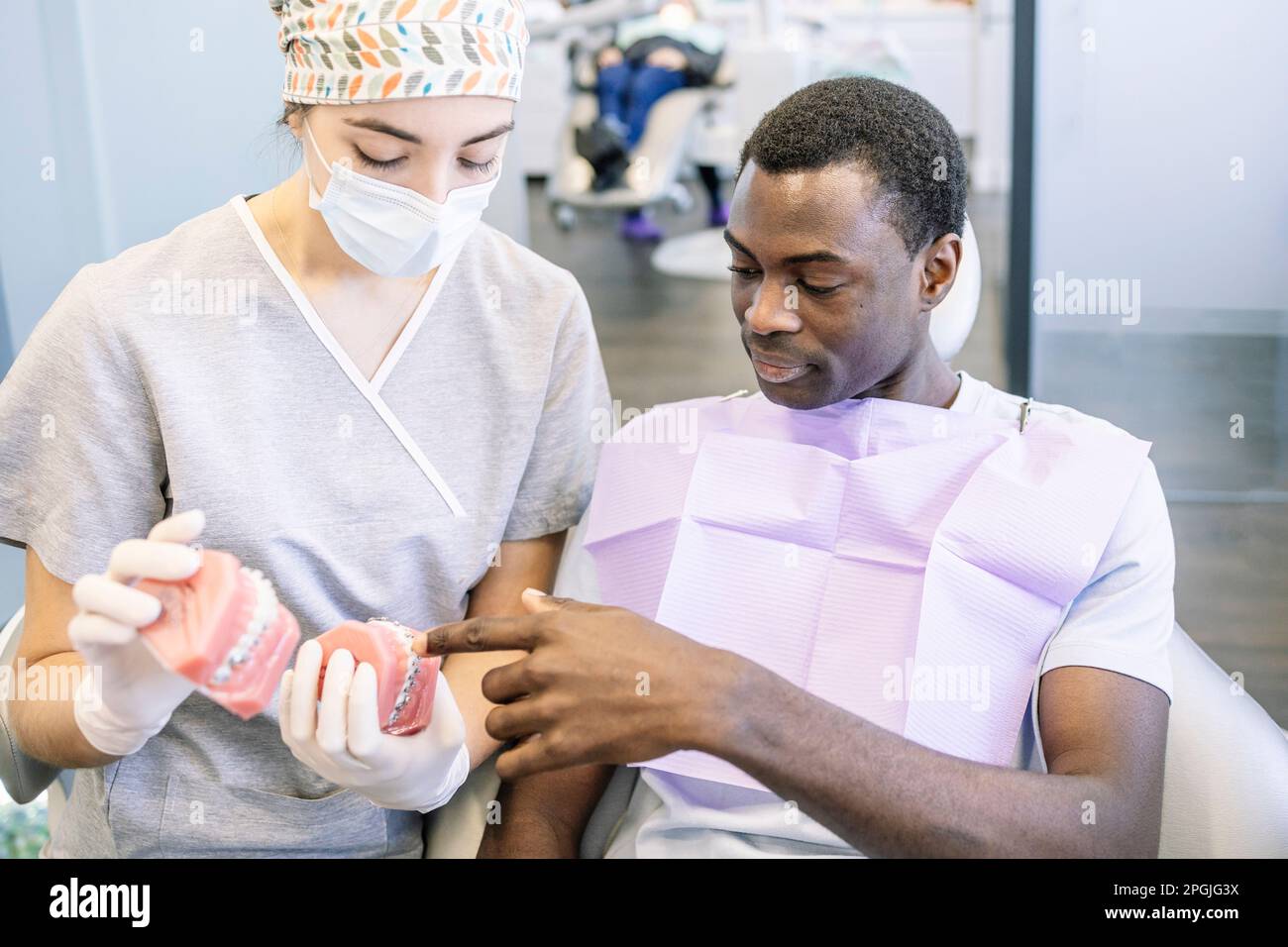
Arango Orthodontics is a specialized dental practice led by Dr. Luis Arango, focusing on the diagnosis, prevention, and treatment of dental and facial irregularities. By utilizing advanced technologies like Invisalign and self-ligating braces, the practice provides customized alignment solutions for children, teens, and adults to improve both oral function and aesthetic appearance.
The Specialization and Philosophy of Arango Orthodontics
In the landscape of modern dentistry, orthodontics stands as a distinct branch focused specifically on the "orthos" (straight) and "odous" (tooth). Arango Orthodontics, established as a pillar in the North Carolina dental community, operates on the principle that orthodontic care is not merely a cosmetic endeavor but a critical component of long-term oral health. Misaligned teeth and jaw discrepancies can lead to significant complications, including tooth decay, gum disease, and temporomandibular joint (TMJ) disorders.
Dr. Luis Arango and his clinical team emphasize a patient-centric approach. This philosophy dictates that no two treatment plans are identical. In 2026, the integration of digital diagnostic tools allows the practice to visualize the final results before the treatment even begins. This "outcome-first" methodology ensures that patients understand the biological and mechanical steps required to achieve their desired smile. By focusing on the structural integrity of the bite (occlusion) as much as the straightness of the teeth, the practice addresses both functional and aesthetic needs.
Comprehensive Treatment Options for All Ages
One of the primary misconceptions regarding orthodontic care is that it is exclusively for adolescents. Arango Orthodontics serves a diverse demographic, categorizing treatment into three main tiers: early intervention, adolescent care, and adult orthodontics.
Early Intervention (Phase 1 Treatment)
The American Association of Orthodontists recommends that children have their first orthodontic evaluation by age seven. At Arango Orthodontics, early intervention focuses on "growth guidance." During this developmental stage, the jaw is still growing, making it easier to address issues such as crossbites, overcrowding, or protruding teeth.
Phase 1 treatment may involve the use of palatal expanders or partial braces to create adequate space for permanent teeth. The goal is not necessarily to straighten every tooth perfectly but to ensure the jaw structure is prepared for the eventual eruption of all adult teeth, often shortening or simplifying the second phase of treatment during the teenage years.
Adolescent Care (Phase 2 Treatment)
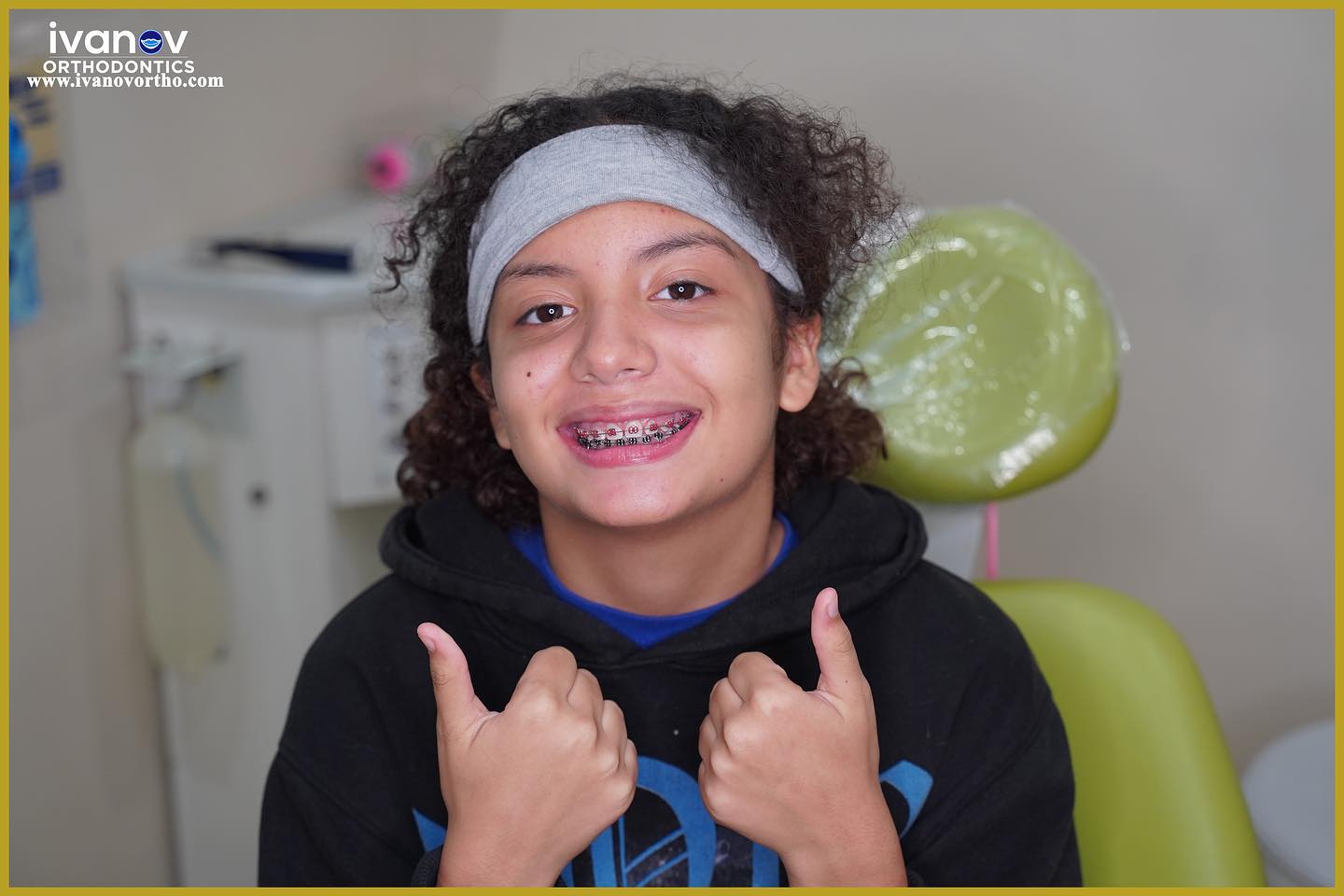
The most common time for orthodontic treatment is between the ages of 11 and 15. By this point, most permanent teeth have erupted, and issues like gaps, crowding, and bite misalignments become apparent. Arango Orthodontics offers various modalities for this age group, ranging from traditional stainless steel braces to more discreet ceramic (clear) options. The social aspect of adolescence is considered, and the team works to make the process as efficient as possible, utilizing high-tech archwires that require fewer adjustments and reduce overall treatment time.
Adult Orthodontics
In 2026, adult patients represent a significant portion of the orthodontic population. Advances in technology have made it possible for adults to seek treatment without the "metal mouth" stigma associated with the past. Arango Orthodontics provides specialized adult plans that account for the fact that adult jaw bones have finished growing. This may require different mechanical approaches compared to treating children. Whether for professional reasons or personal health, adults often choose clear aligner therapy or lingual options to maintain a professional appearance during their journey.
Technological Innovations in Orthodontic Diagnostics
The year 2026 marks a period where digital precision has largely replaced the manual methods of previous decades. Arango Orthodontics utilizes several key technologies to enhance patient comfort and clinical accuracy.
- Intraoral Digital Scanning: The practice has moved away from the uncomfortable "goop" impressions of the past. Using high-definition scanners like the iTero, the team captures thousands of frames per second to create a precise 3D model of the patient’s mouth. This data is used to fabricate aligners and appliances with a level of accuracy that manual molds cannot match.
- Cone Beam Computed Tomography (CBCT): For complex cases involving impacted teeth or skeletal discrepancies, 3D X-rays provide a comprehensive view of the teeth, bone, and soft tissues. This allows Dr. Arango to plan tooth movement while considering the surrounding anatomy, minimizing risks and improving the predictability of the treatment.
- Digital Treatment Simulation: Before committing to a plan, patients can view a digital "map" of their tooth movement. This software allows the orthodontist to manipulate the 3D model to show how each stage of the process will look, providing a clear roadmap for the patient.
Choosing Between Braces and Invisalign
A frequent question at Arango Orthodontics involves the choice between traditional fixed braces and removable clear aligners. Both systems are highly effective, but they serve different lifestyles and clinical needs.
| Feature | Traditional Braces | Invisalign (Clear Aligners) |
|---|---|---|
| Visibility | Noticeable (Metal or Ceramic) | Virtually Invisible |
| Removability | Fixed to teeth 24/7 | Removable for eating/brushing |
| Treatment Complexity | Suitable for all cases, including severe | Ideal for mild to moderate cases |
| Maintenance | Requires special flossing tools | Easy to clean; regular brushing |
| Dietary Restrictions | Avoid sticky, hard, or crunchy foods | No restrictions (remove aligners) |
| Compliance | No patient effort required for wear | Requires 22 hours of daily wear |
Fixed Appliances (Braces)
Modern braces at Arango Orthodontics are smaller and more comfortable than those used in previous generations. They consist of brackets bonded to the teeth and connected by a shape-memory archwire. This system provides "constant force," which is often more efficient for complex tooth rotations or significant vertical movements. Self-ligating brackets are often used, which eliminate the need for elastic "ties," reducing friction and potentially shortening the duration of treatment.
Clear Aligner Therapy (Invisalign)
Invisalign uses a series of custom-made, clear plastic trays to gradually shift teeth. This is a popular choice for patients who prioritize aesthetics and do not want to change their diet. However, success with Invisalign is heavily dependent on patient compliance. If the aligners are not worn for the prescribed 22 hours per day, the teeth will not move as planned, leading to "tracking" issues and extended treatment times.
The Orthodontic Journey: What to Expect
The process at Arango Orthodontics is structured to ensure clarity and comfort from the initial consultation to the final retention phase.
Initial Consultation and Examination
The first visit involves a comprehensive clinical exam and a discussion of the patient's goals. Diagnostic records, including photos and X-rays, are taken to establish a baseline. Dr. Arango then reviews these records to determine if treatment is necessary and, if so, when it should begin.
Bonding or Aligner Delivery
Once a plan is finalized, the "active" phase begins. For braces, this involves bonding the brackets to the teeth—a painless process that takes about an hour. For Invisalign, the patient receives their first few sets of trays and instructions on how to use "attachments" (small tooth-colored bumps) that help the aligners grip the teeth.
Periodic Adjustments and Progress Checks
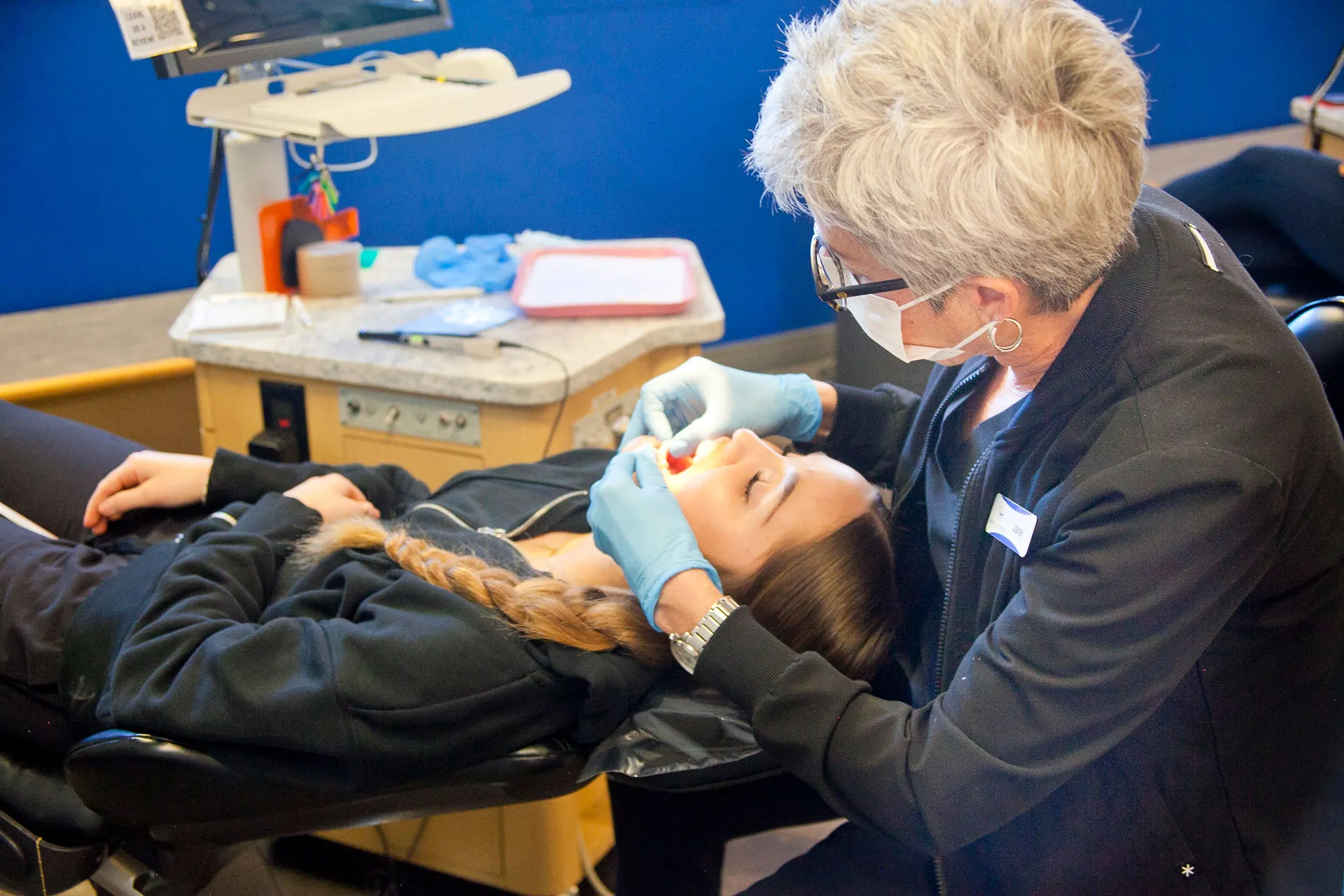
Patients visit the office every 6 to 10 weeks. During these appointments, the orthodontist monitors the movement, replaces wires, or provides new sets of aligners. These visits are crucial for ensuring that the biological response of the bone and gums is healthy and that the teeth are moving according to the digital plan.
Retention: The Most Important Phase
Once the active treatment is complete and the braces are removed, the retention phase begins. Teeth have a "memory" and will naturally attempt to shift back to their original positions. Arango Orthodontics provides custom retainers (either removable or permanent lingual wires) to stabilize the results. Continuous wear of retainers as directed is the only way to ensure a lifetime of straight teeth.
Financial Planning and Insurance Considerations
Understanding the costs associated with orthodontic care is a primary concern for many families. Arango Orthodontics aims to make treatment accessible through various financial avenues.
- Insurance Coverage: Many dental insurance plans include an orthodontic benefit. This is typically a "lifetime maximum" that is separate from regular dental coverage. The administrative team at Arango Orthodontics assists patients in verifying these benefits and filing claims directly.
- Flexible Payment Plans: Recognizing that orthodontics is a significant investment, the practice often provides in-house, interest-free financing. This allows families to spread the cost over the duration of the treatment.
- FSA and HSA: Funds from Flexible Spending Accounts or Health Savings Accounts can generally be used for orthodontic treatment, providing a tax-advantaged way to pay for care.
The total cost of treatment is determined by the complexity of the case, the duration of the treatment, and the modality chosen. A detailed breakdown of fees is provided during the initial consultation, ensuring there are no hidden costs.
Professional Advice and Safety
Orthodontic treatment involves the physical remodeling of the jawbone and the movement of teeth through living tissue. It is a medical procedure that should only be performed under the supervision of a trained orthodontist. "Direct-to-consumer" or "at-home" aligner kits often lack the necessary radiographic screening to ensure the roots and bone are healthy enough for movement, which can lead to permanent tooth loss or gum recession.
For more information on the standards of care, patients may consult the American Association of Orthodontists or the American Board of Orthodontics.
Frequently Asked Questions
How long does the average treatment take at Arango Orthodontics?
Most comprehensive treatments last between 18 and 24 months. However, minor corrections may take as little as 6 to 12 months, while complex surgical cases may extend beyond two years. The exact timeframe depends on the patient's biological response and compliance with instructions.
Does getting braces hurt?
The application of braces is not painful. However, for 3 to 5 days after the initial bonding or a wire adjustment, patients may experience soreness or pressure as the teeth begin to move. This is typically managed with over-the-counter pain relievers and orthodontic wax to prevent irritation to the cheeks.
Can I still play sports or musical instruments with braces?
Yes. Patients are encouraged to continue their normal activities. For contact sports, a specialized orthodontic mouthguard is required to protect both the teeth and the appliance. Musicians playing wind or brass instruments may experience a brief adjustment period but generally adapt quickly.
Why choose an orthodontist over a general dentist for alignment?
While some general dentists offer basic alignment services, an orthodontist like Dr. Luis Arango has completed an additional 2 to 3 years of full-time residency training specifically in orthodontics and dentofacial orthopedics. This specialized training is essential for managing complex bite issues and ensuring long-term stability.
What happens if a bracket breaks or a wire pokes?
These are common occurrences and are usually not "emergencies" in the medical sense, but they should be addressed promptly. Arango Orthodontics provides instructions on using wax to cover sharp areas and offers "comfort appointments" to repair broken appliances before the next scheduled visit.
Practical Recommendation
If you are considering orthodontic treatment in 2026, the first step is to schedule a professional evaluation. Avoid self-diagnosing or using unverified mail-order aligner services. A comprehensive exam at Arango Orthodontics will include digital imaging and a clinical assessment to ensure that your gums, roots, and jawbone are healthy enough for tooth movement. By choosing a specialist-led practice, you ensure that your treatment plan is biologically sound and tailored to your specific facial anatomy.