Apricus, an Enlyte company, serves as a prominent specialty third-party administrator (TPA) and managed care coordinator within the U.S. workers' compensation sector. In 2026, it continues to focus on streamlining the complex logistics of ancillary services—such as durable medical equipment (DME), home health, and diagnostic imaging—to improve injured worker outcomes while controlling costs for carriers and self-insured employers.
The Role of Apricus in the Workers' Compensation Ecosystem
Understanding the positioning of Apricus requires a look at the broader Enlyte ecosystem. Enlyte is the parent organization that houses several industry giants, including Mitchell, Genex, and Coventry. Within this structure, Apricus operates as the specialty services arm, acting as a specialized TPA that focuses specifically on the "ancillary" or "specialty" components of a workers' compensation claim.
While a traditional TPA might focus on the broad strokes of indemnity payments and legal settlements, a specialty TPA like Apricus manages the high-touch medical and logistical needs that often drive claim complexity. By 2026, the industry has shifted toward "clinical-first" models, where every service—from a wheelchair delivery to a home modification—is vetted by clinical experts to ensure it is medically necessary and appropriate for the specific stage of recovery.
The primary goal of Apricus is to eliminate the friction between the physician’s recommendation and the delivery of the service. In the US workers' compensation system, delays in receiving equipment or diagnostic tests can lead to "claim stagnation," where an injured worker remains out of work longer than necessary due to administrative hurdles. Apricus addresses this by centralizing these requests through a single point of coordination.
Core Specialty TPA Services
The services provided by Apricus are categorized as "ancillary," yet they represent a significant portion of medical spend and play a critical role in the return-to-work timeline. As of 2026, the service suite is divided into several high-impact categories.
Durable Medical Equipment (DME) and Supplies
DME management is a cornerstone of the Apricus model. This includes everything from basic orthopedic braces and crutches to complex, high-cost items like motorized wheelchairs, hospital beds for home use, and continuous glucose monitors for claimants with secondary complications.
The Apricus approach to DME involves:
- Clinical Vetting: Ensuring the requested equipment aligns with established treatment guidelines (such as ODG or Reed Group).
- Provider Network Management: Leveraging a curated network of vendors to ensure timely delivery and competitive pricing.
- Asset Management: Tracking high-cost equipment to ensure it is returned or serviced properly, reducing waste for the payer.
Home Health and Complex Care Coordination
For catastrophic injuries or post-surgical recovery, home health services are essential. Apricus coordinates skilled nursing, physical therapy at home, and home health aides. This service is particularly vital in 2026 as the trend toward "aging in place" and home-based recovery continues to grow, driven by both cost considerations and injured worker preferences.
Home health coordination also extends to home and vehicle modifications. If an injured worker requires a ramp, widened doorways, or hand controls for a vehicle, Apricus manages the contractors and ensures the modifications meet Americans with Disabilities Act (ADA) standards and specific clinical requirements.
Diagnostic Imaging and Physical Medicine
Apricus facilitates access to a national network of diagnostic centers for MRIs, CT scans, and PET scans. By directing claimants to high-quality, cost-effective facilities, they help avoid the high "leakage" costs associated with hospital-based imaging. Furthermore, they coordinate physical medicine services, ensuring that therapy remains focused on functional restoration rather than open-ended treatment.
Transportation and Translation Logistics
Logistical barriers are one of the most common reasons for missed medical appointments. Apricus provides comprehensive transportation services, ranging from standard rideshare integrations to non-emergency medical transport (NEMT) for stretcher-bound or wheelchair-bound patients.
Parallel to transportation is translation and interpretation. In a diverse workforce, ensuring that an injured worker fully understands their diagnosis and treatment plan is a legal and clinical necessity. Apricus provides on-site, telephonic, and video remote interpretation services to facilitate clear communication between providers and claimants.
The "Clinical-First" Philosophy in Claims Administration
What differentiates a specialty TPA like Apricus from a general medical network is the integration of clinical oversight into the administrative workflow. In 2026, the "Clinical-First" philosophy means that clinical professionals—typically registered nurses or specialized technicians—are involved at the point of referral.
Reducing Administrative Burden
When a claims adjuster receives a request for a complex piece of equipment, they may not have the medical background to determine if it is appropriate. Apricus takes this burden off the adjuster. The referral is reviewed by an Apricus clinical coordinator who checks the medical records, confirms the necessity, and often suggests alternatives that might be more effective or less invasive.
Impact on Total Cost of Risk (TCOR)
By managing the "middle" of the claim—the period between the acute injury and the final discharge—Apricus impacts the Total Cost of Risk in three primary ways:
- Price Transparency: Utilizing contracted rates that are often significantly lower than "usual and customary" charges.
- Utilization Management: Preventing the delivery of unnecessary supplies or services that do not contribute to recovery.
- Duration Control: Ensuring that the lack of a brace or a missed ride to PT doesn't add weeks of indemnity payments to the claim.
Integration and Data Transparency
In 2026, data integration is no longer optional. Apricus utilizes advanced APIs and data bridges to ensure that every action taken—from a scheduled ride to a delivered oxygen tank—is visible to the primary TPA or the insurance carrier’s claims management system.
This level of transparency allows for:
- Real-Time Reporting: Employers can see the status of all ancillary services across their entire claim portfolio.
- Predictive Analytics: By analyzing ancillary service patterns, Apricus and Enlyte can help identify "creeping catastrophic" claims—cases that appear minor but show patterns of equipment requests that suggest underlying complications.
- Seamless Invoicing: Consolidating multiple vendors into a single, verified invoice reduces the workload for the payer’s accounts payable department.
Comparison: Specialty TPA vs. Standard Managed Care
| Feature | Standard Managed Care Network | Apricus Specialty TPA Model |
|---|---|---|
| Scope of Service | Often limited to PPO access and bill review. | Full coordination of ancillary services and clinical vetting. |
| Clinical Oversight | Post-service review (retrospective). | Point-of-referral review (prospective). |
| Vendor Management | Payer often manages multiple individual vendors. | Single point of contact for all specialty needs. |
| Communication | Disjointed; adjuster must call each provider. | Integrated; centralized updates via portal or API. |
| Return-to-Work Focus | Indirect; focused on medical cost. | Direct; focused on removing barriers to recovery. |
Operational Logistics: The Referral Lifecycle
To understand how Apricus functions in practice, it is helpful to trace the path of a service request.
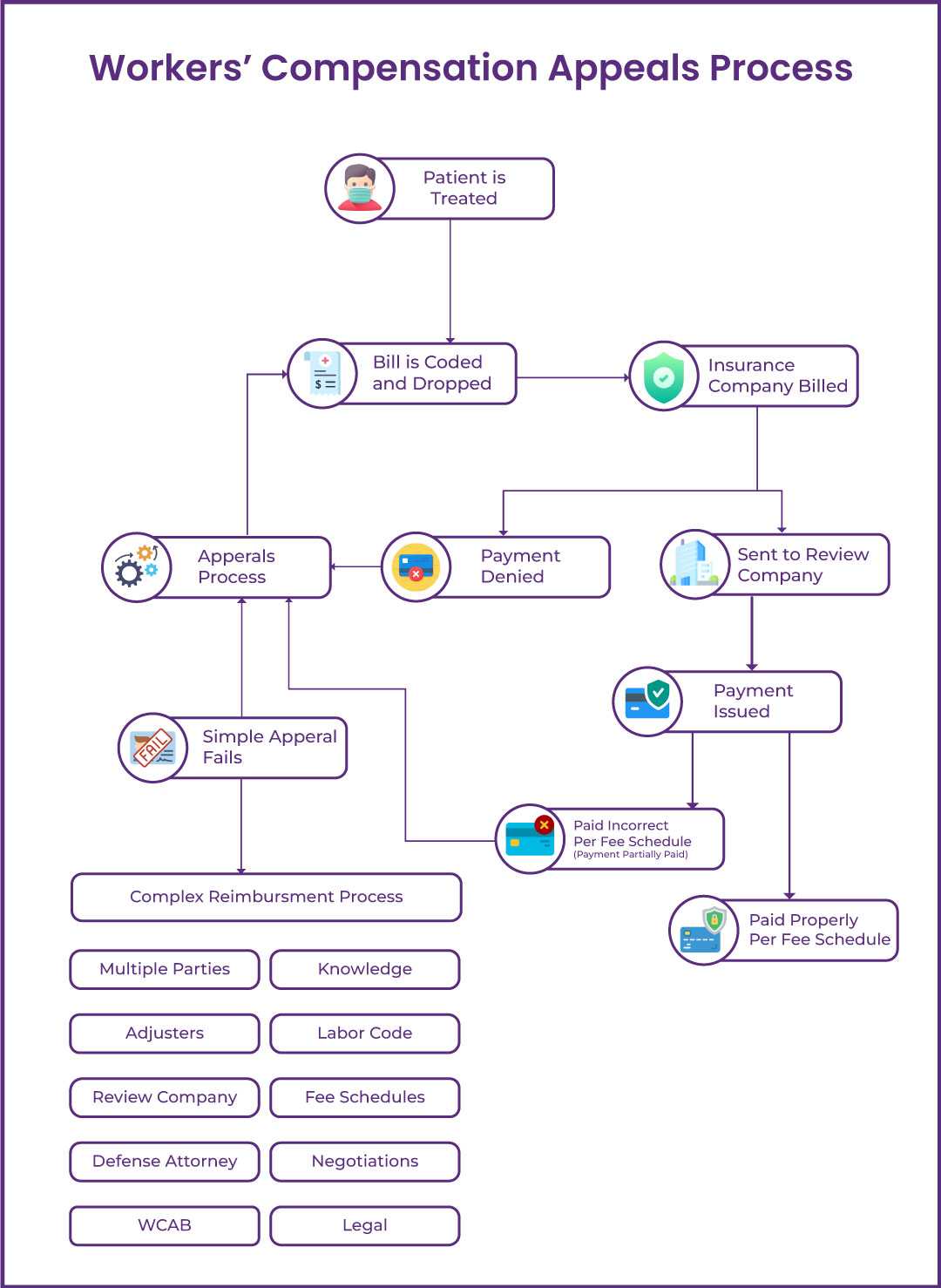
- The Referral: A physician or claims adjuster identifies a need (e.g., a bone growth stimulator). The request is sent to Apricus via an online portal, email, or integrated claim software.
- Clinical Triage: An Apricus coordinator reviews the request against clinical guidelines. If it is outside the scope of standard care, they may contact the physician for more information or suggest an alternative.
- Fulfillment: Once approved, Apricus selects the most appropriate vendor from their network based on proximity, quality rating, and cost.
- Coordination: Apricus confirms delivery with the vendor and the injured worker. For services like transportation, they send reminders to the claimant to ensure attendance.
- Monitoring: For ongoing services (like home health), Apricus monitors progress and provides status updates to the claims adjuster.
- Closure and Billing: Once the service is complete, Apricus audits the vendor’s bill to ensure it matches the contracted rate and then submits a clean, consolidated invoice to the payer.
Compliance and Regulatory Adherence
The U.S. workers' compensation landscape is a patchwork of state-specific regulations. In 2026, Apricus maintains compliance with diverse state fee schedules, reporting requirements, and "choice of physician" laws.
This regulatory expertise is particularly important in jurisdictions with strict Utilization Review (UR) timelines. Apricus ensures that ancillary services are processed within the legal windows to avoid penalties and interest, which can be a significant hidden cost in workers' compensation claims.
Frequently Asked Questions
1. Is Apricus a standalone insurance company?
No. Apricus is not an insurance carrier. It is a specialty Third-Party Administrator (TPA) that provides services to insurance carriers, self-insured employers, and primary TPAs. They manage the medical and logistical services that are paid for by the insurance policy.
2. How does Apricus impact the injured worker's experience?
Apricus aims to improve the claimant experience by reducing delays. By coordinating transportation, providing translation services, and ensuring that medical equipment is delivered directly to the home, they remove the logistical "stressors" that often frustrate injured workers during their recovery.
3. Can an employer use Apricus if they already have a primary TPA?
Yes. Many employers use a primary TPA (like Sedgwick or Helmsman) for indemnity and legal management while "carving out" their ancillary and specialty services to Apricus. This is a common strategy to leverage specialized clinical expertise in DME and complex care.
4. What geographic areas does Apricus cover?
Apricus provides services across the entire United States. Their network includes national providers as well as local vendors to ensure coverage in both urban and rural areas, adhering to the specific workers' compensation laws of each state.
5. How does Apricus handle catastrophic (CAT) claims?
For catastrophic injuries, such as spinal cord or traumatic brain injuries, Apricus offers a high-touch "Complex Care" program. This involves intensive coordination of home modifications, long-term nursing, and specialized equipment, often working alongside a field case manager from their sister company, Genex.
6. What role does technology play in Apricus's 2026 operations?
By 2026, Apricus heavily utilizes AI-driven logistics for transportation and predictive modeling to identify claims that require early clinical intervention. Their portals allow for real-time tracking of equipment deliveries, similar to consumer-grade package tracking, providing transparency to all stakeholders.
Strategic Recommendation for Risk Managers
For risk managers and workers' compensation professionals in 2026, the effective management of ancillary services is no longer a "nice-to-have" but a necessity for cost control. The fragmentation of the healthcare system means that without a specialty TPA like Apricus, claims often become bogged down in administrative delays, leading to increased "soft costs" and lawyer involvement.
When evaluating Apricus or similar specialty TPAs, organizations should focus on the "leakage" in their current claims process. If you find that adjusters are spending significant time on the phone with DME providers or that diagnostic tests are being delayed by weeks, an integrated specialty TPA model may provide an immediate return on investment. The key is to look beyond the "per-unit" cost of a service and evaluate the impact of clinical oversight on the total duration of the claim.
Professional-Advice Limitation: This article is for informational purposes and does not constitute legal, financial, or medical advice. Workers' compensation laws and TPA capabilities vary by jurisdiction and specific contract terms. Consult with a qualified risk management professional or legal counsel for specific program evaluations.