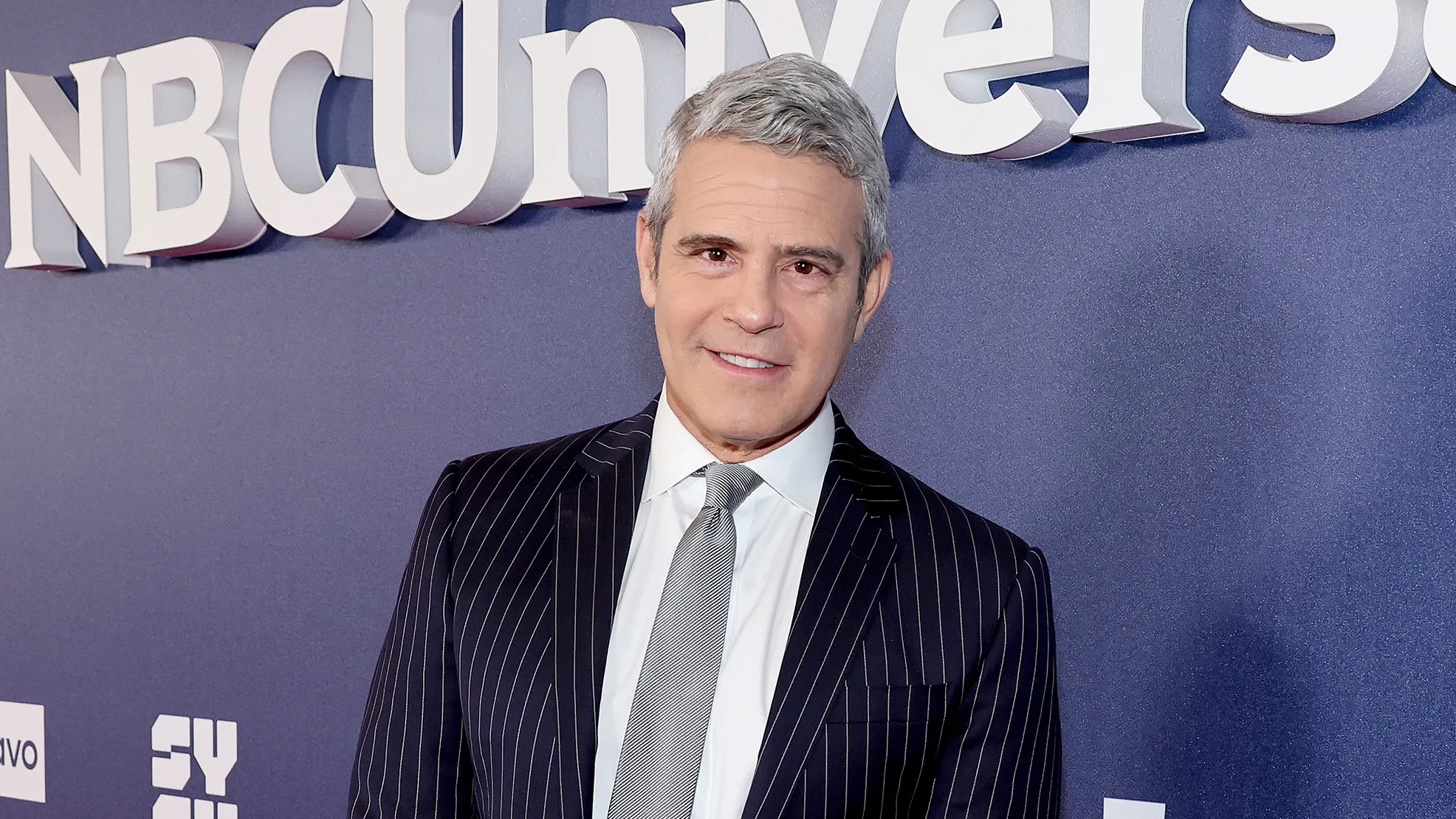
Andy Cohen commands an estimated annual salary in the range of millions of dollars, a figure derived from his multifaceted roles as a Bravo network executive producer, late-night talk show host, reunion moderator, and radio personality. Evaluating his compensation requires looking beyond a single paycheck to examine the business model of cable television, executive production equity, and the sprawling franchise ecosystem of the Real Housewives.
To fully understand how Andy Cohen’s compensation is structured, one must look at the convergence of traditional cable television economics, executive production ownership, and cross-platform brand monetization. Unlike traditional talk show hosts who rely solely on per-episode hosting fees, Cohen occupies a unique position within NBCUniversal as both a high-profile on-air talent and a behind-the-scenes creator. This dual role significantly alters his earning potential, anchoring it in long-term syndication royalties, production credits, and strategic media ventures that extend far beyond his standard hosting contracts.
The Dual Role: Executive Producer Versus On-Air Talent
The foundation of Andy Cohen’s financial portfolio lies in his transition from a traditional corporate network executive to a hybrid talent-producer model. During his tenure at Bravo, where he eventually rose to Executive Vice President of Development and Talent, Cohen helped shape the network's identity before stepping down from his executive suite to launch his own production company, Most Talkative Productions, while maintaining an exclusive overall production deal with NBCUniversal.
When evaluating a television personality's salary, separating on-air appearance fees from production revenue is essential. As the host of Watch What Happens Live with Andy Cohen and the chief reunion wrangler for the Real Housewives franchise, he earns substantial salaries for his hosting duties. However, his financial upside multiplies exponentially through his executive producer credits. Executive producers often receive a percentage of backend profits, syndication residuals, and distribution rights, transforming a static salary into a dynamic, performance-dependent income stream.
Furthermore, Cohen’s involvement in the creation and scaling of the Real Housewives universe grants him a stake in one of the most profitable unscripted franchises in cable history. While exact contract figures are fiercely guarded by NBCUniversal, industry estimations and trade reports position his annual earnings in the multi-million-dollar bracket, blending his Bravo salary with SiriusXM radio revenue and book publishing advances.
The Business Model of the Real Housewives Reunions and Late-Night Television
The economic engine driving a significant portion of Cohen's media value is the Real Housewives franchise. Reunions are high-stakes television events that draw peak advertising rates for Bravo. As the permanent moderator of these multi-part specials, Cohen serves as an indispensable anchor who maintains continuity across dozens of distinct series iterations, from New York and Atlanta to Beverly Hills and Salt Lake City.
| Income Stream | Primary Source / Platform | Financial Mechanics |
|---|---|---|
| Late-Night Hosting | Bravo (Watch What Happens Live) | Per-episode salary, production overhead, and advertising revenue shares. |
| Executive Production | NBCUniversal / Independent | Backend points, syndication royalties, and ownership stakes in format sales. |
| Radio Broadcasting | SiriusXM (Radio Andy) | Multi-year talent contract, channel curation fees, and subscriber-driven bonuses. |
| Literary and Touring | Commercial Publishing & Live Events | Book advances, bestseller royalties, and ticket sales for live interview tours. |
Operating Watch What Happens Live with Andy Cohen five nights a week presents a unique structural model in late-night television. Shot in a modest clubhouse set with minimal overhead compared to traditional broadcast networks, the show yields high profit margins for the network. This cost-efficiency strengthens Cohen's bargaining position during contract renewals, as the show delivers substantial ratings and social media engagement relative to its production budget.
SiriusXM and Cross-Platform Diversification
Beyond his television footprint, Cohen’s financial portfolio is significantly bolstered by his long-running partnership with SiriusXM. Through his dedicated channel, Radio Andy, he expanded his brand into audio broadcasting, hosting a daily live show and curating programming that appeals directly to pop culture enthusiasts.
Audio contracts for premier satellite radio talent typically involve guaranteed base salaries coupled with performance bonuses tied to subscriber retention and advertising sales. By maintaining a presence across both linear cable and satellite radio, Cohen mitigates the professional risks associated with television industry volatility. This diversification ensures that his income streams are insulated against shifting viewership habits in traditional cable television.
In addition to broadcasting, Cohen is a prolific New York Times bestselling author, having penned multiple memoirs and pop-culture retrospectives such as Most Talkative, The Andy Cohen Diaries, and Superficial. Book publishing provides a lucrative supplementary income stream through substantial advances, royalties, and occasional audiobook narrations, adding another layer of financial stability to his overall enterprise.
Comparative Context: Reality TV Architects and Late-Night Earners
Placing Andy Cohen’s salary in proper context requires comparing his financial trajectory with other prominent figures in late-night television and reality television production. Traditional late-night network hosts on broadcast television, such as Jimmy Fallon or Stephen Colbert, often command annual salaries exceeding $15 to $20 million, supported by massive network budgets and daily broadcast slots. However, those figures reflect massive production staffs, expansive studio overhead, and traditional broadcast syndication models.
In contrast, Cohen operates within the cable and streaming ecosystem, where budgets are tighter, but creative control and equity participation can offer unique long-term advantages. While his base salary may not match the highest tiers of late-night broadcast hosts, his ownership stakes and executive producer status across multiple hit cable series place his total annual compensation among the highest for unscripted television executives and personalities.
| Host / Personality | Primary Platform | Estimated Annual Earnings Range | Primary Revenue Drivers |
|---|---|---|---|
| Andy Cohen | Bravo / SiriusXM | Multi-Millions ($10M+ estimated) | Executive production, cable hosting, radio contract, book royalties. |
| Traditional Late-Night Host | Major Broadcast Network | $15M – $20M+ | Daily network syndication, massive advertising inventory, large staff overhead. |
| Top Unscripted Showrunner | Streaming / Premium Cable | Varies widely by deal | Production company output deals, international format licensing. |
This comparison highlights that Cohen’s financial success is less about a single monolithic paycheck and more about an assembled portfolio of media properties. By retaining a stake in the intellectual property of the franchises he helped build, he benefits from the long-term syndication and streaming longevity of reality television content.
Frequently Asked Questions
What is Andy Cohen’s primary source of income?
Andy Cohen's income is diversified across multiple channels, but his primary earnings stem from his exclusive overall production deal with NBCUniversal, his hosting and executive producer fees for Watch What Happens Live and the Real Housewives reunions, and his multi-year contract with SiriusXM for Radio Andy.
Does Andy Cohen own a share of the Real Housewives franchise?
While NBCUniversal owns the intellectual property rights to the Real Housewives franchise, Cohen participates in backend profits, syndication residuals, and production revenue through his status as an executive producer and his ongoing contractual agreements with the network.
How does Andy Cohen’s salary compare to traditional late-night hosts?
Traditional broadcast late-night hosts often command higher base salaries due to the sheer scale of broadcast network advertising budgets. However, Cohen’s hybrid role as both an on-air host and an executive producer within the cable ecosystem provides a comparable and highly lucrative financial structure.
What is Most Talkative Productions?
Most Talkative Productions is Andy Cohen's production company, through which he develops and executive produces television programming, including unscripted series and reunion specials for Bravo and NBCUniversal.
How long has Andy Cohen been with Bravo?
Andy Cohen began his career at Bravo as an executive in 2004, eventually rising to Executive Vice President of Development and Talent before transitioning to an independent producer and on-air host role in 2013, maintaining a continuous relationship spanning over two decades.
Practical Next Actions for Media Industry Analysis
When analyzing the compensation models of modern media personalities, researchers and industry observers should look beyond reported base salaries to examine the underlying mechanics of production ownership and cross-platform deals.
- Examine Executive Credits: Look for producer and executive producer credits, as these typically indicate backend profit participation rather than simple per-episode wages.
- Evaluate Portfolio Diversification: Assess whether a public figure relies solely on linear television or maintains parallel revenue streams in digital media, audio broadcasting, and publishing.
- Analyze Network Economics: Understand the budgetary differences between broadcast networks, cable channels, and streaming platforms to gauge the sustainability of a talent's compensation package.