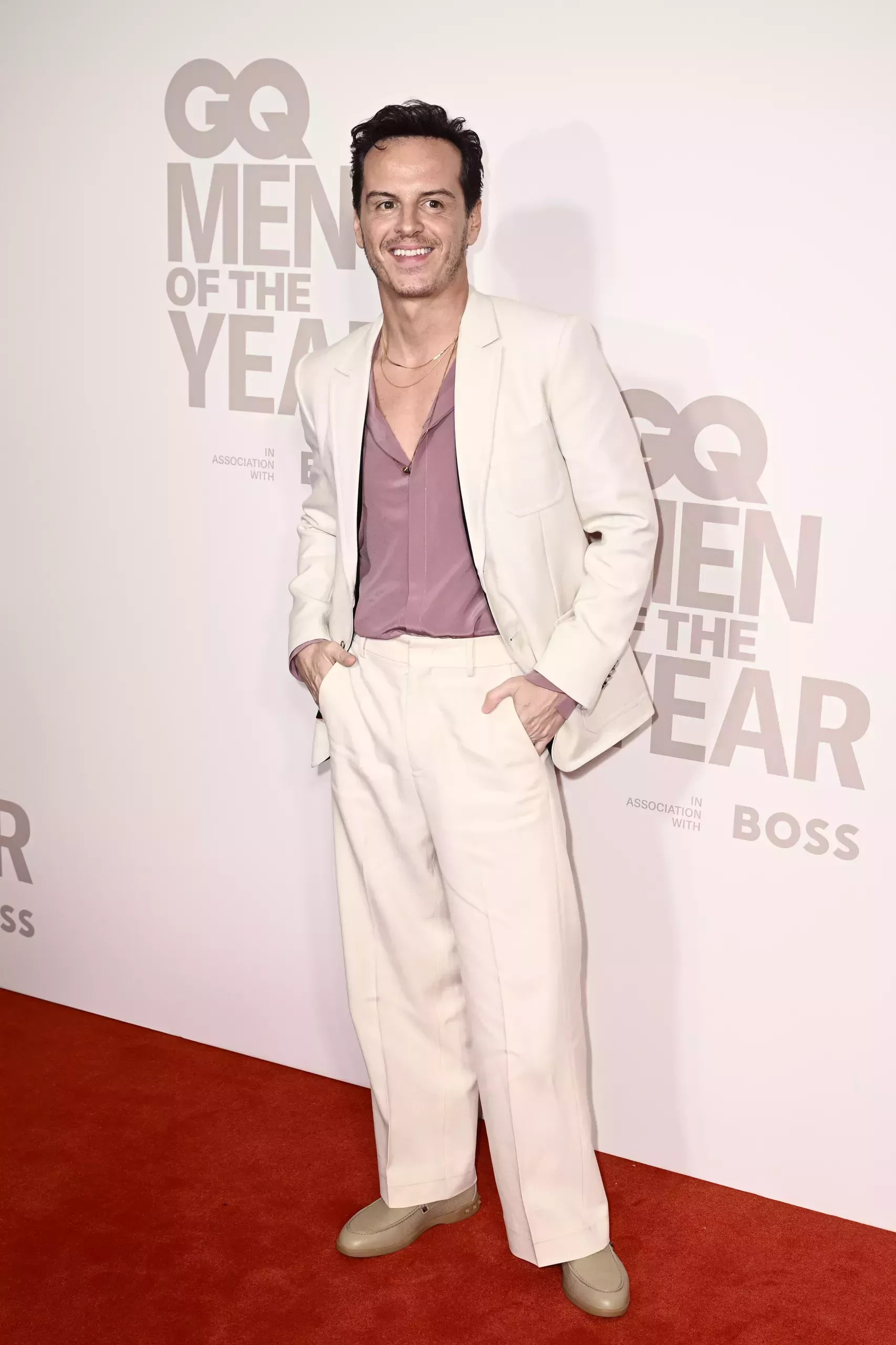
Andrew Scott’s hair is characterized by a natural, slightly unruly texture that balances sophistication with a relaxed, modern edge. Often described as a soft, textured crop or a mid-length layered cut, his style relies on leveraging his natural waves to create volume and movement without appearing overly groomed or structured. The aesthetic is defined by its versatility, transitioning seamlessly from the polished requirements of high-profile red carpets to the more disheveled look often seen in his character work.
The Anatomy of the Look: Technical Breakdown
To replicate Andrew Scott’s style, it is essential to understand that the cut is fundamentally grounded in movement. Unlike rigid, gelled styles of the past, this look prioritizes hair health and natural fall.
The primary technique involves "point cutting" or "slide cutting," where the stylist cuts into the ends of the hair rather than straight across. This removes excess weight, allowing the hair to lift at the root and bend into its natural wave pattern. The sides are typically kept tapered but not aggressively faded, maintaining a softer perimeter around the ears and neck. This prevents the "high and tight" look that can sometimes feel too clinical. The top section is left significantly longer to provide enough length for texture products to grip and hold, creating the signature messy, "tousled" appearance.
Hair Texture and Suitability
One of the most common misconceptions is that this style is only for those with thick, wavy hair. In reality, the cut can be adapted for various hair types, though the maintenance level will differ.
- For Fine/Straight Hair: You will require more structural products, such as sea salt sprays or matte styling powders, to force the volume that his naturally wavy hair provides effortlessly.
- For Thick/Curly Hair: The challenge is management. The hair needs to be thinned out adequately to prevent it from looking like a "helmet." Regular maintenance visits every 4–6 weeks are necessary to keep the weight balanced.
- For Receding Hairlines: The soft, forward-swept fringe characteristic of many of Scott’s looks is particularly effective at masking a receding hairline. Because the hair is textured and pieced out rather than combed flat, it avoids drawing attention to the forehead, creating a balanced, youthful frame for the face.
Essential Styling Routine
Achieving the look is less about the haircut and more about the post-wash routine. If you step out of the shower and immediately comb your hair flat, you have already lost the battle.
- Pre-styling: Start with towel-dried, damp hair. Applying a lightweight mousse or a grooming cream while the hair is damp sets the foundation. Avoid heavy waxes at this stage, as they will weigh the hair down before you even start styling.
- The Blow-Dry: Using a hair dryer on a medium heat setting, blow-dry the hair in the direction you want it to fall. Use your fingers to lift the roots rather than a brush. Using your fingers keeps the texture organic and prevents the hair from becoming too straight or puffy.
- Product Application: Once dry, warm a small amount of matte clay or molding paste between your palms. Work it into the roots, then pull the remaining product through the ends. The goal is to separate the hair into small "pieces." Do not over-apply; the hair should look like it has product in it, but it should still be touchable.
Comparison of Styling Products
Selecting the right product is critical to maintaining the balance between hold and a natural finish.
| Product Type | Finish | Best For | Benefit |
|---|---|---|---|
| Sea Salt Spray | Matte/Gritty | Fine, limp hair | Adds volume and beachy texture |
| Matte Clay | Matte/Natural | Thick/Wavy hair | High hold with a non-greasy look |
| Styling Powder | Very Matte | Thinning hair | Instant volume and lift at the root |
| Lightweight Cream | Natural/Soft | Curly hair | Defines waves without stiffness |
Addressing Common Mistakes
The most frequent mistake individuals make when attempting to replicate this style is "over-styling." If you spend too much time perfecting each strand, the style loses its charm. Andrew Scott’s hair is defined by a lack of perfection; it should look as though you styled it in thirty seconds.
Another common error is visiting a barber who specializes strictly in skin fades or buzz cuts. This style requires a more scissor-heavy, salon-style approach. When explaining the cut to a stylist, focus on the words "textured," "movement," and "scissor-cut." Avoid asking for "fades" or "clippers on the sides," as those techniques remove the soft, natural growth patterns that are central to the look.
Communication with Your Stylist
To ensure the best result, bring reference photos of the specific variations you prefer. Andrew Scott has sported everything from a shorter, tighter crop to a longer, more grown-out shaggy look. Pointing out the specific length of the fringe and how the sides taper into the neckline will help your barber understand your preference.
Ask your stylist for a "textured scissor crop." If your hair is prone to frizz, ask them to use a thinning shear or a razor on the ends to create that "shattered" look that prevents the hair from appearing blocky.
FAQ: Common Questions
Q: How often do I need a haircut to maintain this look? A: Because the style relies on texture, it can actually grow out quite gracefully. However, for a polished version of the cut, aim for a trim every 5 to 7 weeks to clean up the neckline and remove excess weight that might pull the style down.
Q: Can this style be worn professionally? A: Yes. The key is in the product. For a more formal event, use a low-shine pomade to keep the hair in place while maintaining the textured appearance. Avoid high-shine gels or excessive hairspray, which will make the style look dated.
Q: What if my hair is completely straight? A: You can use a sea salt spray and a blow-dryer to create a "faux-wave." By twisting sections of your damp hair as you dry them, you can encourage a bend that mimics a natural wave.
Q: Does this style require a lot of maintenance? A: It is surprisingly low-maintenance compared to more precise styles like a pompadour or a side-part. Once the cut is established, your daily styling time should be under five minutes.
The Importance of Hair Health
Because this style often involves styling products and heat (from the blow-dryer), it is vital to maintain hair health. Invest in a high-quality, sulfate-free shampoo to ensure you aren't stripping your hair of its natural oils, which provide the essential moisture needed for that healthy, natural look. If you use styling products daily, consider a clarifying shampoo once a week to remove buildup, which can cause the hair to look limp and greasy.
The Andrew Scott hair style is ultimately a testament to the idea that the best grooming choices are those that enhance what you already have rather than forcing your hair into a shape it doesn't want to take. By focusing on texture, choosing the right matte products, and ensuring your stylist uses scissors instead of clippers, you can achieve a look that is both timeless and effortlessly modern.