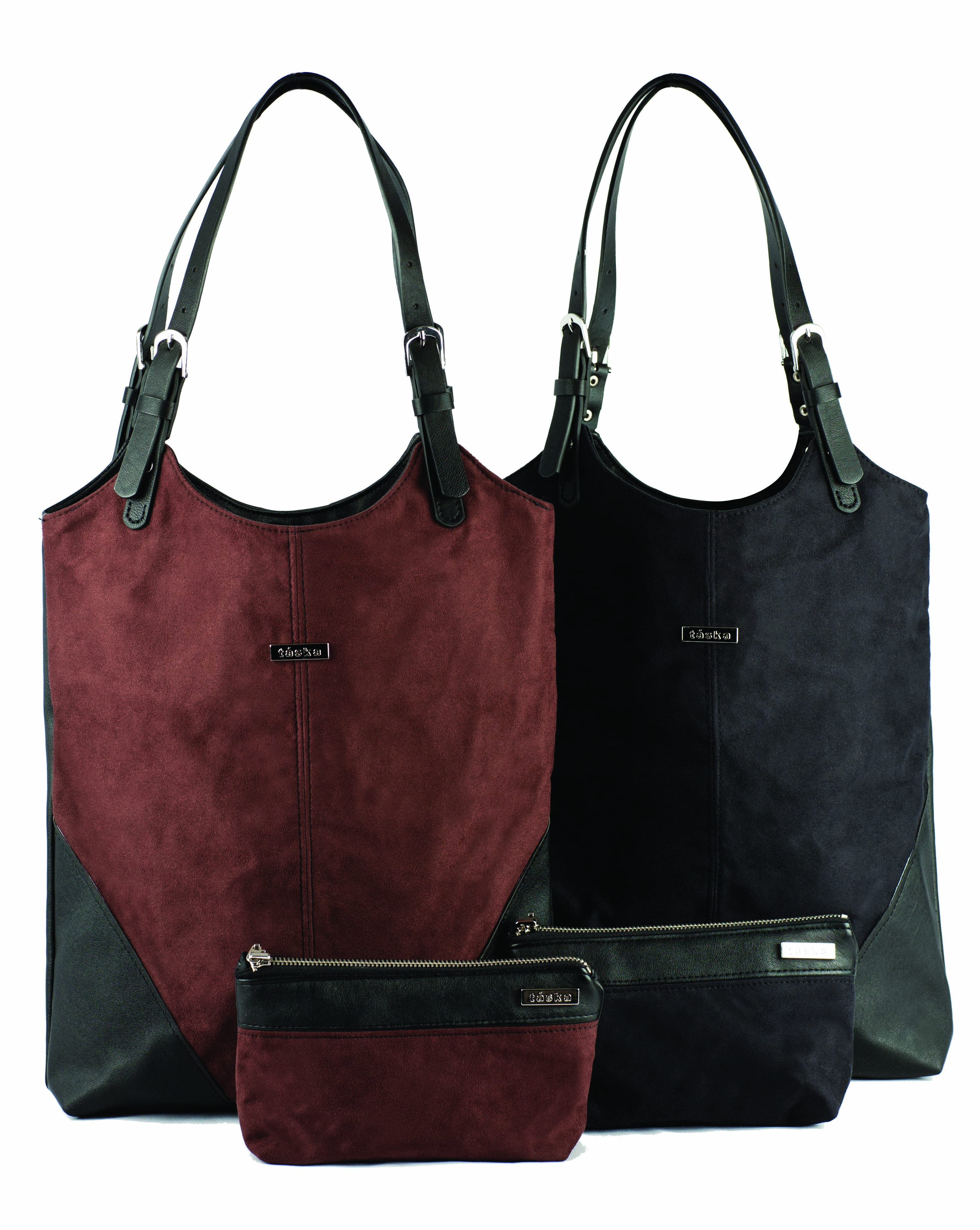
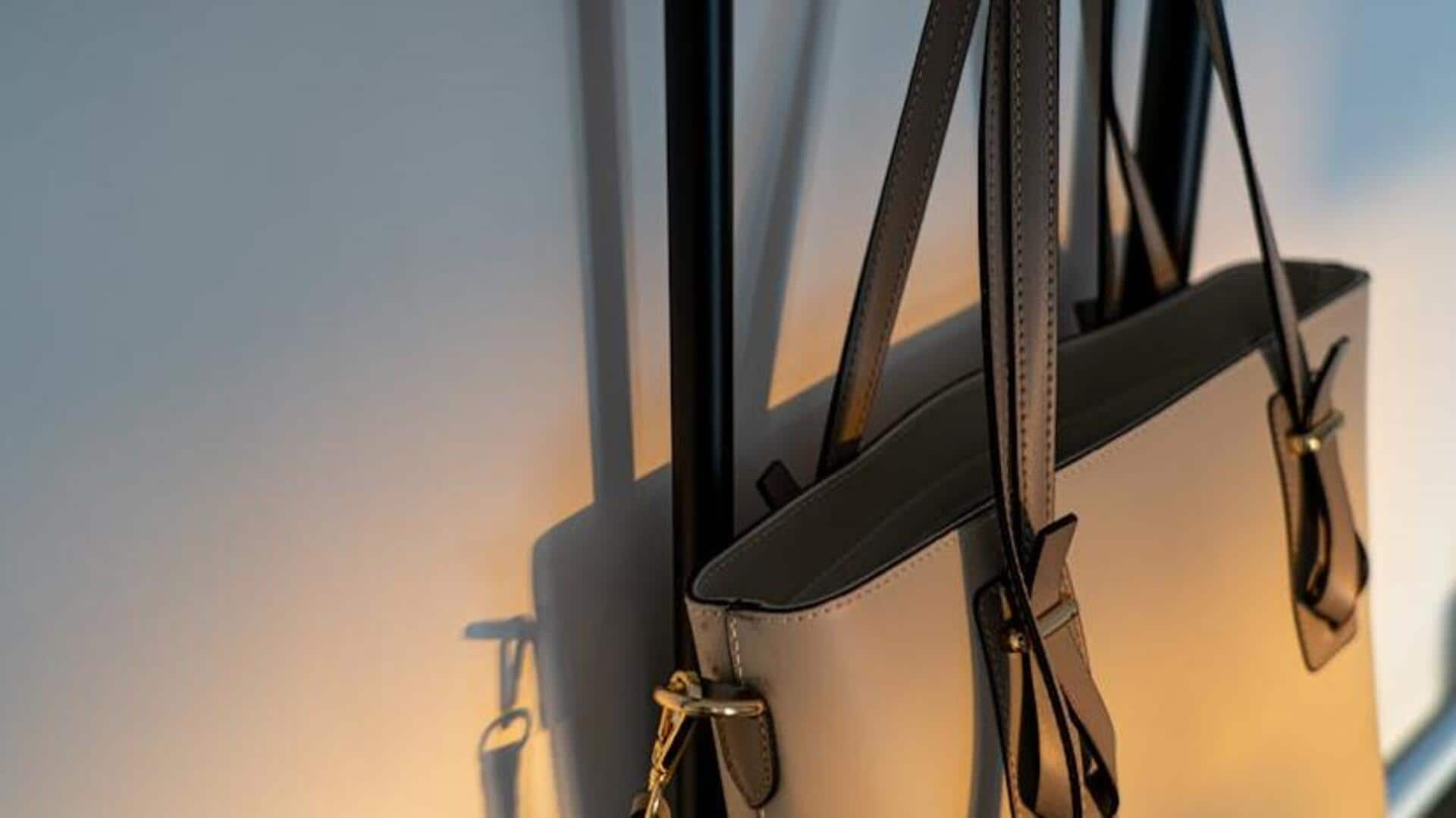
Alyssa vegan handbags represent a fusion of high-end aesthetic appeal and rigorous ethical standards, offering consumers a sophisticated alternative to traditional leather accessories. By utilizing innovative bio-based materials and maintaining transparent, cruelty-free supply chains, these handbags solve the dilemma of choosing between luxury craftsmanship and environmental or animal welfare values.
The fashion landscape of 2026 has undergone a seismic shift. No longer is "vegan leather" synonymous with cheap, short-lived plastics. Instead, the industry—led by pioneers like Alyssa—has embraced a philosophy where the "crafting" is just as important as the "cruelty-free" label. To understand the appeal of Alyssa vegan handbags, one must look closely at the intersection of material science, artisan construction, and the evolving ethics of the modern wardrobe.
The Philosophy of Cruelty-Free Craftsmanship
At the heart of the Alyssa brand is a commitment to a cruelty-free lifestyle that does not compromise on the tactile or visual experience of luxury. In the context of 2026, cruelty-free fashion implies more than just the absence of animal hides; it encompasses a holistic approach to "doing no harm." This includes the exclusion of animal-derived glues, dyes, and structural reinforcements that were once common in the accessory industry.
The philosophy hinges on the belief that a handbag is an investment piece. For many years, the primary criticism of vegan alternatives was their lack of durability—the "fast fashion" stigma. Alyssa has countered this by applying traditional Italian and French leather-working techniques to non-animal substrates. By focusing on reinforced stitching, hand-painted edges, and high-quality bespoke hardware, the brand ensures that "style" is backed by substantial "substance."
This approach addresses the primary concern of the conscious consumer: the desire for a product that reflects their values without appearing "alternative" or unrefined. The result is a collection of handbags that stand alongside traditional luxury houses in terms of silhouette, weight, and hand-feel, while remaining firmly rooted in ethical production.
Material Innovation: The Science of Bio-Based Elegance
By 2026, the materials used in Alyssa vegan handbags have moved far beyond the petroleum-based Polyurethane (PU) and Polyvinyl Chloride (PVC) of previous decades. While high-grade PU is still used for certain structural components due to its water resistance, the brand has pivoted toward bio-based polymers and recycled agricultural waste.
AppleSkin and Fruit-Based Textiles
One of the hallmarks of the current Alyssa collection is the use of AppleSkin, a material derived from the waste products of the apple juice industry in northern Italy. This material repurposes skins and cores that would otherwise be discarded, mixing them with a percentage of recycled polymer to create a durable, breathable, and water-resistant textile. The texture is remarkably similar to pebble-grain leather, offering a natural "break" and flexibility that improves with age.
Laboratory-Grown and Mycelium Options
In the premium tier of the Alyssa line, we see the integration of mycelium-based leathers. These are grown from the root structure of fungi in controlled environments. Mycelium materials are carbon-neutral and offer a unique, organic aesthetic that cannot be replicated by synthetic processes. The "crafting" of these bags requires specialized handling, as the material reacts differently to heat and tension than animal skin, necessitating a re-tooling of traditional manufacturing plants.
Recycled Ocean Plastics and Linings
The commitment to a cruelty-free style extends to the interior of the bags. Alyssa utilizes linings made from rPET (recycled Polyethylene Terephthalate), often sourced from intercepted ocean plastics. These linings are treated with antimicrobial finishes to ensure longevity, solving the common problem of interior wear and tear that often plagues lower-quality vegan bags.
The Technical Crafting Process: Merging Tradition with Tech
Crafting a high-quality vegan handbag is, in many ways, more technically demanding than working with animal leather. Animal hides have a natural "stretch and recovery" profile that artisans have mastered over centuries. Synthetic and bio-based materials behave differently under the needle and in the folding process.
Edge Painting and Finishing
One of the markers of an Alyssa bag is the meticulous edge finishing. Traditional vegan bags often use "turned edges" to hide the raw substrate of the fabric. Alyssa, however, uses multiple layers of hand-applied, eco-friendly edge paint. This process requires several stages of sanding and drying, ensuring that the edges do not crack or peel over time—a common failure point in cheaper cruelty-free alternatives.
Structural Reinforcement
To achieve the "structured" look prevalent in professional and evening styles, Alyssa bags utilize internal stiffeners made from recycled cardboard and non-woven bio-fibers. These materials are chosen specifically to prevent the "slumping" that often occurs with softer vegan materials, allowing the bag to maintain its architectural integrity even after years of daily use.
Hardware and Plating
The hardware on an Alyssa bag is not merely decorative; it is engineered for heavy use. In 2026, the brand has shifted toward using low-lead brass and recycled stainless steel with PVD (Physical Vapor Deposition) coating. This coating is more environmentally friendly than traditional electroplating and provides superior resistance to scratches and tarnishing, ensuring the "style" of the bag remains pristine.
Comparative Analysis: Alyssa vs. Traditional and Synthetic Competitors
To understand where Alyssa sits in the 2026 market, it is helpful to compare their technical specifications and ethical footprint against other industry standards.
| Feature | Alyssa Vegan Handbags | Standard Synthetic (PU) | Traditional Luxury Leather |
|---|---|---|---|
| Primary Material | Bio-based (Apple/Mycelium) | Petroleum-based PU | Bovine/Ovine Hide |
| Durability Expectancy | 5–8 Years | 1–2 Years | 10–20 Years (with care) |
| Environmental Impact | Low (Circular/Upcycled) | High (Microplastics/Oil) | High (Tanning Chemicals/Methane) |
| Animal Welfare | 100% Cruelty-Free | 100% Cruelty-Free | Low (Animal Product) |
| Water Resistance | High | Medium | Low (Requires Treatment) |
| Repairability | Moderate | Low | High |
| Breathability | High (Bio-membranes) | Low | High |
The Ethics of the Supply Chain
Cruelty-free style is not just about the final product; it is about the journey the product takes from the lab to the showroom. Alyssa operates under a "Direct-to-Artisan" model, which ensures that the people crafting the bags are treated with the same respect as the environment.
The brand's manufacturing facilities in Europe and Southeast Asia are certified by third-party auditors to ensure fair wages, safe working conditions, and the absence of child labor. In 2026, transparency is facilitated by blockchain tracking. Each Alyssa bag comes with a unique digital identifier (often a discreetly embedded NFC chip) that allows the owner to scan the bag and see the entire history of its production—from the origin of the bio-based material to the specific workshop where it was assembled.
This level of verification is essential for modern consumers who are wary of "greenwashing." By providing verifiable proof of their claims, Alyssa reinforces its position as a leader in the ethical fashion movement.
Practical Style: Incorporating Vegan Luxury into a Wardrobe
The versatility of Alyssa vegan handbags is a primary driver of their popularity. The "cruelty-free style" is not a specific look but rather a standard of quality that fits into various fashion archetypes.
- The Professional Edit: The structured totes and satchels in neutral tones (charcoal, forest green, and burgundy) are designed to hold laptops and tablets without losing their shape. They pair seamlessly with tailored power suits and minimalist office wear.
- The Weekend Casual: Crossbody bags and "camera bags" made from softer, pebbled AppleSkin provide a relaxed aesthetic. These are often chosen for their lightweight nature—a significant advantage of vegan materials over heavy animal hides.
- Evening Sophistication: The brand's clutches often feature innovative textures, such as embossed "croc" or "snake" patterns that are entirely molded from plant-based resins. These pieces offer the visual drama of exotic skins without the ethical baggage.
Caring for Your Alyssa Handbag
Maintaining the style of a vegan handbag in 2026 requires less intensive maintenance than leather, but specific steps are necessary to ensure longevity. Unlike animal skin, bio-based materials do not need to be "fed" with oils or creams. In fact, heavy oils can damage the bio-polymer coating. Owners are advised to:
- Clean with a damp, lint-free cloth and mild pH-neutral soap.
- Avoid prolonged exposure to direct heat sources (like radiators), which can cause synthetic bonds to weaken.
- Store in the provided rPET dust bag to prevent color transfer from dark denim or other fabrics.
Frequently Asked Questions
Are Alyssa vegan handbags biodegradable?
While Alyssa utilizes a high percentage of bio-based materials like AppleSkin and mycelium, the entire handbag is typically not biodegradable in a backyard compost heap. The materials are engineered for durability, which requires stable polymers. However, by 2026, the brand has implemented a "Take-Back" program where old bags are disassembled; the bio-components are industrially composted, and the metals and plastics are recycled into new products.
How does the price of Alyssa compare to real leather?
Alyssa bags are positioned in the "attainable luxury" segment. They are generally more expensive than mass-market synthetic bags found in fast-fashion outlets but are significantly more affordable than heritage leather brands like Hermès or Gucci. The price reflects the cost of innovative R&D into new materials and the fair wages paid to skilled artisans.
Is the "vegan leather" breathable?
Yes, modern bio-based materials used by Alyssa are designed with microporous structures. This allows for air exchange, which prevents the "plastic" feel against the skin and helps the bag maintain its integrity in different climates. This is a major technical advancement over the non-breathable PVC bags of the past.
Does the material peel over time?
Peeling is usually the result of "hydrolysis," where moisture breaks down the bonding agents in low-quality PU. Alyssa uses high-grade, hydrolysis-resistant coatings and bio-polymers that are specifically tested for tropical and humid environments. When cared for properly, these bags are designed to last for many years without the surface degradation common in cheaper alternatives.
Are the dyes used in these handbags eco-friendly?
Alyssa uses water-based, non-toxic dyes and pigments. Traditional leather tanning often involves heavy metals like chromium, which are devastating to local water systems. By using plant-based and water-borne dyes, Alyssa eliminates this toxic runoff, ensuring the "cruelty-free" promise extends to the ecosystems where the bags are made.
Practical Recommendation for Consumers
When choosing an Alyssa vegan handbag in 2026, the best approach is to focus on versatility and material type. For daily use, the AppleSkin totes offer the best balance of weight and durability. If you are looking for a statement piece that showcases the cutting edge of sustainable tech, the Mycelium collection provides a unique conversation starter with a truly minimal carbon footprint.
Before purchasing, utilize the brand's digital transparency tools to verify the "birth certificate" of the bag. This ensures you are receiving an authentic Alyssa product and supporting the specific ethical initiatives—such as ocean plastic recovery or reforestation—associated with that particular production run. By investing in high-quality crafting and cruelty-free style, you are not just buying an accessory; you are participating in a more sustainable and compassionate future for the fashion industry.