Navigating the transition from autumn to the holiday season involves balancing cultural expectations, economic considerations, and psychological readiness. While retailers often push festive marketing as early as September, individual households frequently grapple with the tension between wanting to extend the festive period and the risk of seasonal burnout before the actual day arrives.
The Psychology of Seasonal Creep
The phenomenon of "seasonal creep," where the window for Christmas-related activities expands annually, is a well-documented commercial strategy. By extending the shopping season, businesses aim to capture consumer spending earlier, mitigating the logistical pressures of supply chain management and the competitive intensity of the final weeks of the year. However, for the average individual, this creates a distinct timing dilemma: the psychological "start" of the season is divorced from the chronological calendar.
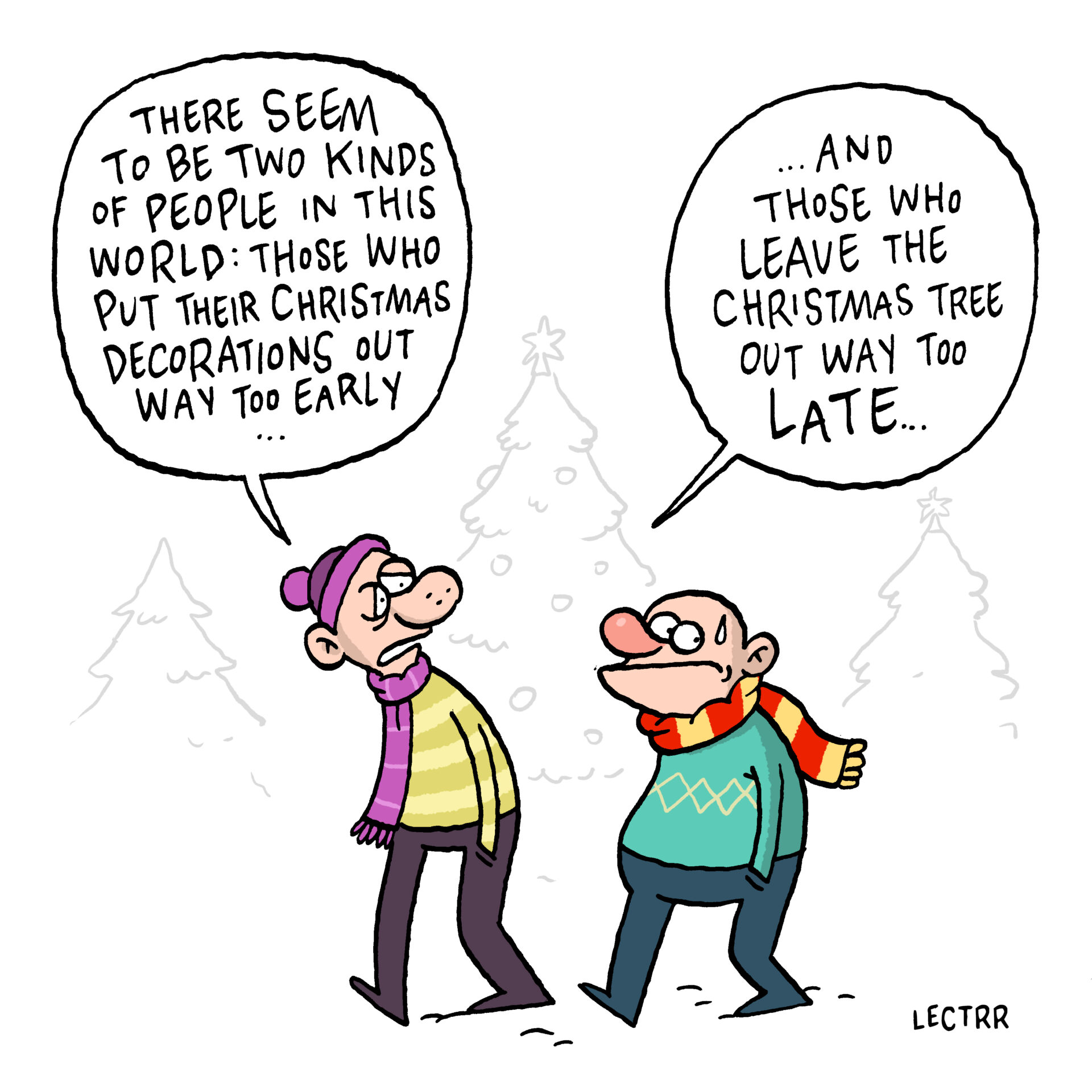
When decorative displays and holiday-themed music appear in public spaces long before the traditional advent period, the human brain—which typically relies on context and cues to build anticipation—can experience a form of saturation. Research into temporal motivation suggests that anticipation requires a defined beginning and end. When the period of anticipation is artificially stretched, the "reward" of the actual holiday can feel diminished, leading to what many identify as premature holiday fatigue.
Economic Factors and the Early Bird Paradox
From a financial perspective, the dilemma is even more pronounced. Retailers in 2026 continue to leverage early-season sales, encouraging consumers to front-load their holiday expenditures. The logic is compelling: by purchasing gifts in October or early November, shoppers can spread out their financial impact, potentially avoiding the high-interest credit card debt that often accompanies last-minute, inflated holiday shopping.
However, this early commitment brings its own set of risks:
- Product Relevance: Buying early increases the likelihood of purchasing items that may be superseded by newer models or flash sales in late November.
- Return Window Constraints: Retailer return policies often have specific windows. Purchasing in early October may mean the eligibility for a return or exchange has expired by the time the gift is opened in late December.
- Inflationary Buffer: In some retail sectors, waiting for mid-season competition can sometimes yield better pricing than "early access" events that are designed more to clear inventory than to provide genuine value.
Establishing a Personal Holiday Timeline
To resolve the timing dilemma, it is necessary to separate commercial triggers from personal traditions. Many successful households adopt a segmented approach, separating "logistical tasks" from "festive atmosphere" to maintain enthusiasm.
Phase 1: The Administrative Foundation (Early October to Early November)
This phase is focused entirely on utility. It involves financial planning, checking gift lists, and identifying necessary logistics (such as travel arrangements or home repairs). By completing the "work" of Christmas during this window, you insulate yourself from the stress of the later months.
Phase 2: The Soft Launch (Mid-November to Late November)
This is the period for subtle transitions. It is not about full-scale decoration or the constant playing of carols, but rather the preparation of the environment. This might involve deep cleaning, checking lighting displays, or finalizing menus. It serves as a mental transition period that respects the current season while acknowledging the incoming one.
Phase 3: The Festive Engagement (December 1 to January 6)
Traditionalists often adhere to the liturgical or calendar-based timeline, beginning the active celebration in December. This prevents the "early fatigue" mentioned previously and allows the holiday period to retain its status as a special, time-bound occasion.
Comparison of Timing Strategies
The following table contrasts the two dominant approaches to the holiday timeline, helping you decide which fits your lifestyle and psychological preferences.
| Strategy | Primary Benefit | Potential Drawback | Best For |
|---|---|---|---|
| The Early Adopter | Reduced financial pressure; lower stress during late Dec. | Risk of "holiday burnout"; potential for decor fatigue. | Planners, budget-conscious households, large families. |
| The Calendar Traditionalist | High festive energy; clear sense of occasion. | Potential for last-minute shopping stress; time constraints. | Those who value seasonal boundaries and ritual. |
| The Hybrid Approach | Balanced efficiency; maintains excitement levels. | Requires discipline to segment tasks vs. celebration. | Families looking to reduce stress without sacrificing joy. |
Technical Considerations for Holiday Planning
If you are managing complex holiday logistics—such as organizing a multi-family gathering or managing extensive exterior lighting—technical planning is required well before the "almost too early" threshold.
Electrical Safety: If you are planning significant exterior decorations, test your circuits in early November. This allows time for repairs by an electrician if an overload is detected. Using smart timers or IoT-enabled plugs can help manage energy consumption, a vital factor given the rising costs of energy in 2026.
Logistical Verification: If you are coordinating travel, airline and rail pricing in 2026 continues to fluctuate based on demand-based algorithms. Booking travel before the mid-November surge is rarely "too early"; it is a standard practice for cost-effective travel management.
Mitigating the "Holiday Fatigue"
If you find yourself feeling the pressure of Christmas despite the calendar still indicating a pre-holiday month, focus on "conscious consumption." Stop monitoring holiday-themed social media feeds and reduce exposure to early retail advertising. The "dilemma" is often exacerbated by external input rather than internal desire. By intentionally curating your environment, you regain control over the timing of your celebrations.
Frequently Asked Questions
1. Is it considered rude to decorate for Christmas before December? Social norms vary by region and household. While there is no objective "rule," many communities view mid-November as the start of the socially acceptable period for exterior decorations, particularly following major holidays like Remembrance Day or Thanksgiving. The key is to avoid imposing your personal timeline on shared public spaces.
2. How do I avoid buying gifts that lose their value or relevance? Focus on high-quality consumables or experience-based gifts. These items are less subject to the rapid depreciation of consumer electronics and are generally welcomed regardless of when they are purchased during the autumn season.
3. When is the absolute latest I can wait to start shopping? If you rely on physical shipping, the "danger zone" for logistics in 2026 typically begins after December 10th. Any purchases made after this date carry a significant risk of non-delivery due to carrier saturation, regardless of the retailer's "guaranteed" dates.
4. Does shopping early actually save money? Often, yes, but primarily because it prevents impulse spending. Shopping early allows you to use price-tracking tools and compare retailers without the time pressure that leads to accepting the first price you see.
5. How can I keep my children excited if we wait until December to decorate? Utilize an advent calendar or a countdown visual that tracks days until the start of the official decorating period. This frames the "waiting" as an active part of the tradition rather than a denial of it.
Recommendation for Action
To resolve your timing dilemma in 2026, adopt the Hybrid Approach. Complete all financial and logistical procurement—including travel bookings and inventory checks—before November 15th. Reserve all decorative and celebratory activities for the first week of December. This separation of duty from delight ensures that your holiday season remains a period of enjoyment rather than a test of endurance. By treating the "early" season as a time for infrastructure rather than celebration, you maximize your personal efficiency without sacrificing the spirit of the holidays.