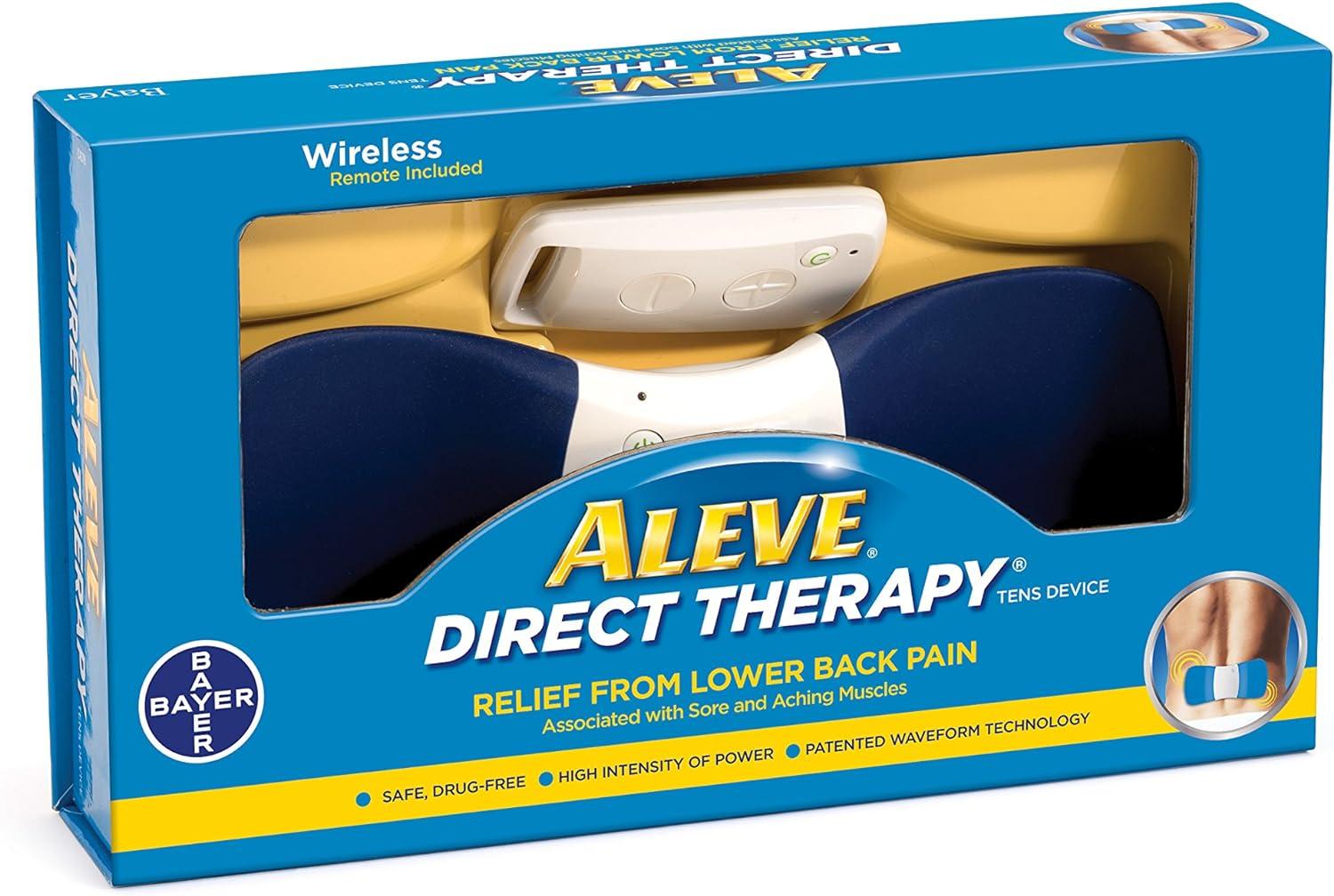
Combining Aleve (naproxen sodium) with muscle relaxants is a common strategy for managing acute musculoskeletal pain and spasms. While Aleve is a widely available over-the-counter NSAID, most potent muscle relaxers remain prescription-only in 2026. Understanding how these medications interact and which "over-the-counter" relaxant alternatives exist is essential for safe, effective recovery.
Understanding Aleve (Naproxen Sodium) as a Foundation for Pain Relief
Aleve is a brand-name version of naproxen sodium, a member of the non-steroidal anti-inflammatory drug (NSAID) class. In the landscape of over-the-counter (OTC) pain relief, Aleve occupies a unique niche due to its long-acting nature. Unlike ibuprofen or acetaminophen, which typically require dosing every four to six hours, a single dose of Aleve can provide relief for up to 12 hours.
The mechanism of action for Aleve involves the inhibition of cyclooxygenase enzymes, specifically COX-1 and COX-2. These enzymes are responsible for the production of prostaglandins, which are lipid compounds that signal pain and trigger inflammation at the site of an injury. By reducing prostaglandin synthesis, Aleve effectively lowers swelling and desensitizes nerve endings in the affected tissue.
For those dealing with muscle-related pain, Aleve is often the first line of defense. However, it is important to distinguish between inflammation-based pain and a physical muscle spasm. Aleve addresses the chemical causes of pain but does not directly interact with the central nervous system to force a muscle to stop contracting. This is why many individuals seek to pair it with a muscle relaxant.
The Reality of Over-the-Counter Muscle Relaxers in 2026
A common point of confusion for consumers is the availability of muscle relaxers without a prescription. In the United States, the Food and Drug Administration (FDA) has not approved "true" skeletal muscle relaxants (such as cyclobenzaprine or carisoprodol) for OTC sale. When you see products labeled "Back and Muscle" in a US pharmacy, they almost always contain standard pain relievers like naproxen or magnesium, rather than a sedative muscle relaxant.
However, there are a few exceptions and alternatives that function similarly to muscle relaxants which can be obtained without a prescription in various jurisdictions:
- Methocarbamol: In several countries, including Canada and parts of Europe, methocarbamol is available OTC, often compounded with ibuprofen or acetaminophen (e.g., Robaxacet). In the US, it remains prescription-only under the brand name Robaxin, though it is one of the most frequently discussed "accessible" relaxants.
- Guaifenesin: While primarily known as an expectorant in cough medicine (Mucinex), guaifenesin has been shown in some clinical studies to have mild muscle-relaxing properties. In 2026, it remains a common off-label choice for those seeking a non-sedative OTC option for muscle tension.
- Magnesium Supplements: Magnesium plays a critical role in neuromuscular transmission and muscle relaxation. While not a "drug" in the pharmacological sense, high-quality magnesium glycinate or citrate supplements are often used to manage chronic cramping and nocturnal leg spasms.
- Topical Relaxants: Menthol, camphor, and methyl salicylate (found in patches and creams) provide a "gate control" theory of pain relief, distracting the nerves and potentially breaking the cycle of a muscle spasm through temperature sensation.
Can You Safely Take Aleve and Muscle Relaxers Together?
The short answer is yes: combining an NSAID like Aleve with a skeletal muscle relaxant is a standard clinical practice for treating conditions like acute lower back pain, neck strain, or severe tension headaches. These two classes of medication work through different pathways, creating a synergistic effect.
The Synergistic Mechanism
While Aleve reduces the inflammation at the site of the injury (the peripheral nervous system), muscle relaxants typically work on the central nervous system (CNS). They do not work directly on the muscle fibers themselves; instead, they act as CNS depressants, slowing down the signals from the brain and spinal cord that tell a muscle to stay in a state of contraction or "spasm."
By attacking the pain from both ends—reducing the chemical triggers of pain with Aleve and calming the neurological signals with a muscle relaxant—patients often experience faster mobility recovery than they would using either medication alone.
Risks and Cautions
While the combination is effective, it is not without risks. In 2026, medical guidelines continue to emphasize the "lowest effective dose for the shortest possible duration." Potential issues include:
- Gastrointestinal Distress: Aleve, like all NSAIDs, can irritate the stomach lining. Some muscle relaxants can also cause nausea. Combining them can increase the risk of gastritis or, with long-term use, peptic ulcers.
- Excessive Sedation: Because muscle relaxants are CNS depressants, they cause drowsiness, dizziness, and slowed reaction times. If you take Aleve with a relaxant, you must be careful not to combine them with other depressants, such as alcohol or antihistamines.
- Kidney Stress: Naproxen is cleared through the kidneys. Patients with underlying renal issues must be extremely cautious when adding any additional medications to an NSAID regimen.
Comparing OTC Pain Relievers and Muscle Relaxant Alternatives
When navigating the pharmacy aisle, it helps to understand how Aleve compares to other common options and how they interact with muscle-relaxing agents.
| Medication Name | Class | Primary Action | OTC Status (2026) | Typical Duration |
|---|---|---|---|---|
| Aleve (Naproxen) | NSAID | Anti-inflammatory | Yes | 12 Hours |
| Advil (Ibuprofen) | NSAID | Anti-inflammatory | Yes | 4–6 Hours |
| Tylenol (Acetaminophen) | Analgesic | Pain/Fever Reducer | Yes | 4–6 Hours |
| Methocarbamol | Muscle Relaxant | CNS Depressant | No (US) / Yes (CA) | 6–8 Hours |
| Guaifenesin | Expectorant | Mild CNS relaxation | Yes | 4–12 Hours |
| Magnesium | Mineral | Neuromuscular block | Yes | Variable |
Strategies for Safe Dosing and Timing
To maximize the benefits of Aleve and a muscle relaxant while minimizing side effects, timing is critical. Since Aleve lasts 12 hours, most users take one pill in the morning and one at night.
If you are using a prescription muscle relaxant like cyclobenzaprine (Flexeril) alongside Aleve, the muscle relaxant is often prescribed to be taken before bed due to its heavy sedative effect. This allows the Aleve to manage inflammation throughout the day while the muscle relaxant helps prevent nocturnal spasms and improves sleep quality, which is vital for tissue repair.
Common Mistake: Avoid "doubling up" on NSAIDs. Many people mistakenly take Aleve and Advil (ibuprofen) together, thinking they are different. They are in the same class, and taking both significantly increases the risk of stomach bleeding and kidney damage. Always pair Aleve with a non-NSAID, such as a muscle relaxant or acetaminophen, if additional pain relief is required and approved by a healthcare provider.
Non-Pharmacological Alternatives to Support Healing
Relying solely on medication often ignores the mechanical causes of muscle pain. In 2026, physical therapy and "active recovery" are prioritized alongside pharmacological interventions.
- Heat Therapy: Once the initial 48 hours of an acute injury have passed, heat is often more effective than ice for muscle spasms. Heat increases blood flow, which helps flush out lactic acid and provides a physical sensation of relaxation that complements the chemical action of Aleve.
- Hydration and Electrolytes: Dehydration is a leading cause of muscle cramping. Ensure your intake of potassium, calcium, and sodium is balanced, as medications can sometimes mask the symptoms of a basic electrolyte imbalance.
- Gentle Stretching: While a muscle is in active spasm, aggressive stretching can cause micro-tears. However, once Aleve and a relaxant have reduced the pain threshold, performing light "range of motion" exercises prevents the muscle from shortening and becoming stiff.
When to Consult a Healthcare Professional
Navigating OTC relief has its limits. If you are experiencing any of the following "red flag" symptoms while taking Aleve or searching for muscle relaxers, you should seek medical attention immediately:
- Loss of Bowel or Bladder Control: This can indicate a serious neurological issue like Cauda Equina Syndrome, which requires emergency surgery and cannot be treated with OTC meds.
- Numbness or Tingling: If pain radiates down your arm or leg (sciatica), it suggests nerve compression rather than a simple muscle strain.
- Pain Lasting Longer Than 10 Days: OTC Aleve is labeled for short-term use. Chronic pain requires a diagnosis of the underlying cause, such as a herniated disc or osteoarthritis.
- History of Stomach Ulcers or Kidney Disease: These conditions are often contraindications for NSAID use.
Frequently Asked Questions
Can I take Aleve and Mucinex (Guaifenesin) together for muscle pain?
Yes, there are no known major drug interactions between naproxen and guaifenesin. While guaifenesin is primarily for chest congestion, some individuals find its mild systemic effects helpful for muscle tension. However, its efficacy for muscle relaxation is significantly lower than that of prescription-strength skeletal muscle relaxants.
Why is Aleve better for muscle pain than Tylenol?
Aleve (an NSAID) treats inflammation, which is often the root cause of muscle pain and stiffness. Tylenol (acetaminophen) blocks pain signals in the brain but does nothing to reduce swelling or inflammation at the site of the injury. For most muscle strains, the anti-inflammatory properties of Aleve provide more comprehensive relief.
Will an OTC muscle relaxant help with a "pulled" muscle?
If you can access an OTC option like methocarbamol (in permitted regions), it can help reduce the involuntary guarding and spasms that follow a strain. However, it will not "heal" the tear in the muscle fibers. The Aleve works to reduce the swelling around that tear, while the relaxant helps you stay mobile.
Is it safe to drink alcohol while taking Aleve and a muscle relaxant?
No. Combining alcohol with Aleve increases the risk of stomach bleeding. Combining alcohol with a muscle relaxant significantly increases the risk of respiratory depression and extreme sedation. You should avoid alcohol entirely until both medications have cleared your system.
How long does it take for Aleve and a muscle relaxant to start working?
Aleve typically begins to reduce pain within 30 to 60 minutes, reaching peak levels in the blood after 2 to 4 hours. Most muscle relaxants have a similar onset of 30 to 60 minutes. Because they work through different mechanisms, you may feel the "dampening" of the spasm from the relaxant slightly before the full anti-inflammatory effect of the Aleve kicks in.
Final Recommendations for Navigating Relief
When managing muscle pain in 2026, the safest approach is a tiered strategy. Start with Aleve for its 12-hour anti-inflammatory coverage and combine it with non-drug therapies like heat and hydration. If spasms persist and interfere with sleep or basic mobility, consult a healthcare provider for a short-term prescription muscle relaxant. Always verify that you are not taking multiple NSAIDs simultaneously and remain vigilant for signs of stomach irritation or excessive drowsiness.