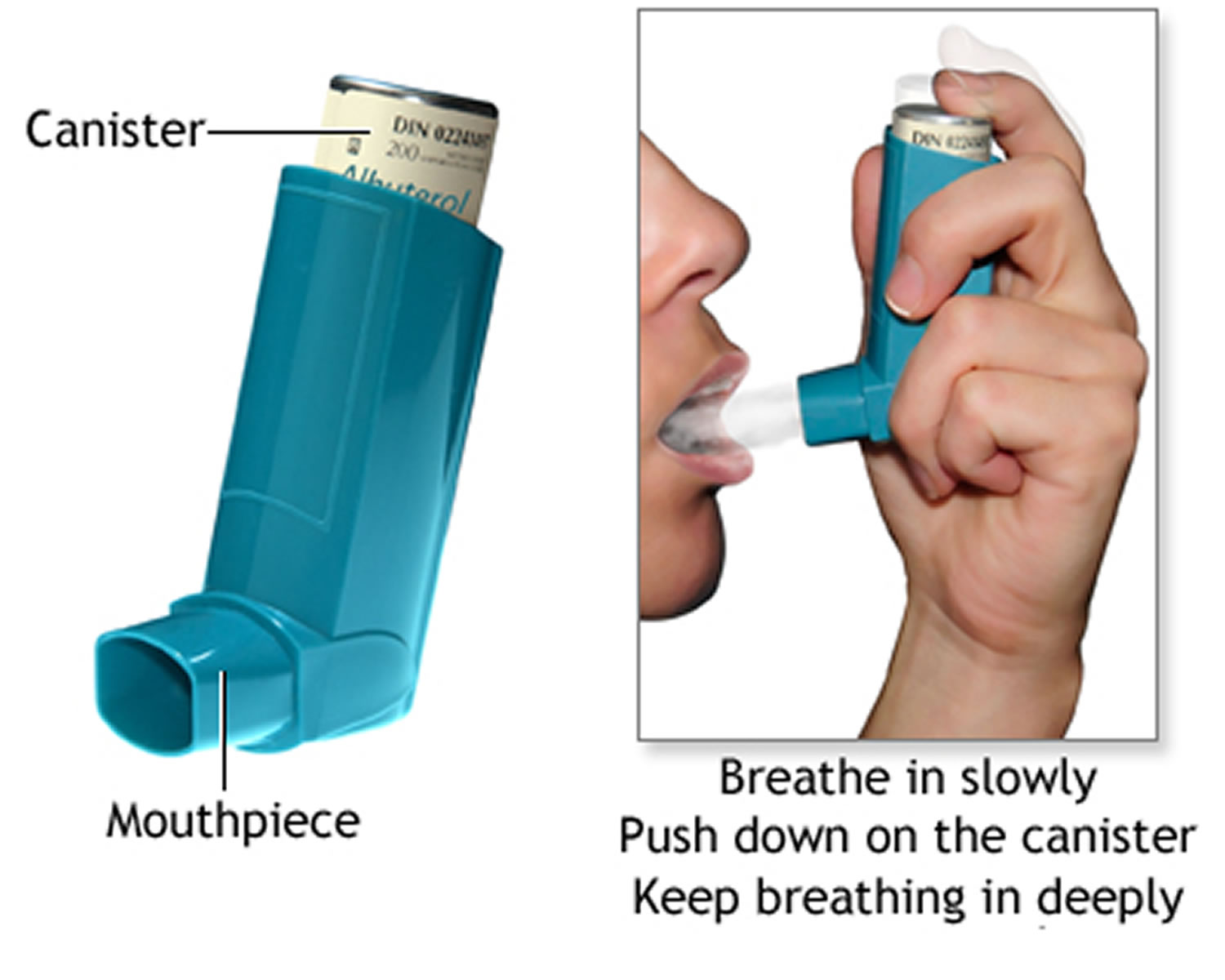
Albuterol HFA is a fast-acting bronchodilator used to treat and prevent bronchospasm in people with asthma or reversible obstructive airway disease. It works by relaxing the smooth muscles in the lungs' airways, providing rapid relief from symptoms like wheezing, shortness of breath, and chest tightness during acute respiratory episodes.
Understanding Albuterol HFA and Its Role in Respiratory Care
Albuterol HFA (Hydrofluoroalkane) belongs to a class of medications known as short-acting beta2-adrenergic agonists (SABAs). In the clinical landscape of 2026, it remains one of the most frequently prescribed "rescue" or "reliever" medications for respiratory distress. While maintenance therapies—such as inhaled corticosteroids (ICS)—work to reduce long-term inflammation, Albuterol HFA is designed for immediate intervention when an individual experiences an acute flare-up of asthma symptoms.
The "HFA" designation refers to the propellant used to deliver the medication into the lungs. Historically, inhalers used chlorofluorocarbons (CFCs), which were phased out due to their ozone-depleting properties. Hydrofluoroalkane is an environmentally friendlier alternative that provides a consistent, albeit softer, aerosol spray. This transition significantly changed how patients perceive the medication’s delivery; HFA inhalers often feel less forceful than the older CFC versions, but they are equally effective at depositing the drug into the lower respiratory tract.
The Mechanism of Action: How Bronchodilation Works
To understand why albuterol HFA is used to treat asthma symptoms, one must understand the physiology of an asthma attack. During an attack, the muscles surrounding the bronchioles (the small air passages in the lungs) tighten—a process called bronchospasm. Simultaneously, the lining of these airways becomes inflamed and produces excess mucus.
Albuterol targets the beta2-receptors located on the surface of the smooth muscle cells in the lungs. When the medication binds to these receptors, it triggers a biochemical cascade that results in the relaxation of those muscles. Within minutes, the airways dilate (widen), allowing more air to flow in and out of the lungs. This rapid response is why albuterol is the gold standard for treating acute symptoms, as it typically begins working within 5 to 15 minutes of inhalation.
Primary Indications and Clinical Uses
Albuterol HFA is indicated for several specific scenarios within the realm of respiratory health. While its most common association is with chronic asthma, its utility extends to other conditions characterized by airway obstruction.
Acute Asthma Symptom Relief
The most common use of Albuterol HFA is the "rescue" treatment of sudden asthma symptoms. Patients are typically advised to keep their inhaler with them at all times to manage:
- Wheezing: The high-pitched whistling sound produced by narrowed airways.
- Dyspnea: The medical term for shortness of breath or difficulty breathing.
- Coughing: Often a primary symptom of "cough-variant asthma," which can be triggered by irritants or exercise.
- Chest Tightness: The sensation that the lungs cannot fully expand.
Prevention of Exercise-Induced Bronchospasm (EIB)
Many individuals experience asthma symptoms only during or after physical exertion. This is known as Exercise-Induced Bronchospasm (EIB). For these patients, Albuterol HFA is used preventatively. By inhaling the medication 15 to 30 minutes before exercise, the airway muscles are pre-emptively relaxed, preventing the constriction that normally occurs during high-intensity activity. In 2026, this remains a standard protocol for athletes and active individuals managing respiratory sensitivity.
Management of COPD Symptoms
While Albuterol HFA is synonymous with asthma, it is also a vital tool for patients with Chronic Obstructive Pulmonary Disease (COPD), including emphysema and chronic bronchitis. In COPD, airway obstruction is often less "reversible" than in asthma, but albuterol can still provide significant relief during periods of increased breathlessness or during respiratory infections that exacerbate symptoms.
Proper Administration and Inhaler Technique
The effectiveness of Albuterol HFA is highly dependent on the user's technique. If the medication is not inhaled correctly, much of it may simply land on the back of the throat or the tongue, never reaching the lungs where it is needed.
Step-by-Step Usage Guide
- Prepare the Inhaler: Remove the cap and inspect the mouthpiece for lint or debris. Shake the inhaler well for 5 seconds to ensure the medication and propellant are properly mixed.
- Prime the Device: If the inhaler is new or hasn't been used in more than 14 days (this timeframe can vary by brand), it must be primed. This involves spraying the inhaler into the air, away from the face, several times.
- Exhale Fully: Breathe out as much air as possible through the mouth.
- Position the Inhaler: Place the mouthpiece between the teeth and wrap the lips tightly around it to create a seal. Alternatively, some clinicians recommend holding the inhaler one to two inches away from the open mouth, though the closed-mouth technique is generally more common for HFA devices.
- Inhale and Actuate: Start breathing in slowly and deeply. Just after beginning the breath, press down on the top of the canister once to release the dose.
- Hold Your Breath: Remove the inhaler and hold your breath for about 10 seconds to allow the medication to settle in the lungs.
- Wait Between Puffs: If the prescription calls for two puffs, wait about 60 seconds before repeating the process. This allows the valve to refill and the lungs to open slightly from the first dose, making the second dose more effective.
The Importance of Spacers and Valved Holding Chambers
For children, elderly patients, or anyone struggling with the coordination of breathing and pressing the canister, a spacer or valved holding chamber is highly recommended. These devices attach to the inhaler and hold the mist in a chamber, allowing the patient to breathe it in more slowly and naturally. Studies consistently show that using a spacer increases the amount of medication reaching the lower airways and reduces the risk of side effects like oral thrush or throat irritation.
Comparing Albuterol HFA Brands and Generic Options
In 2026, several brand-name and generic Albuterol HFA inhalers are available. While the active ingredient (albuterol sulfate) is the same, the design of the inhaler and the specific HFA propellant blend can differ.
| Feature | ProAir HFA / Digihaler | Ventolin HFA | Proventil HFA | Generic Albuterol HFA |
|---|---|---|---|---|
| Puffs per Canister | 200 | 60 or 200 | 200 | Usually 200 |
| Dose Counter | Yes (Built-in) | Yes (Built-in) | Yes (Built-in) | Most models include one |
| Key Characteristic | Digihaler version tracks usage via app. | Features a unique rounded mouthpiece design. | Established long-term safety profile. | Most cost-effective for most patients. |
| Priming Requirement | 3 sprays (initially) | 4 sprays (initially) | 4 sprays (initially) | Varies (check label) |
| Cleaning Frequency | Weekly (warm water) | Weekly (warm water) | Weekly (warm water) | Weekly (warm water) |
Note: Always consult your specific product's package insert, as manufacturers may update hardware designs by 2026.
Side Effects and Safety Considerations
While Albuterol HFA is generally safe when used as directed, it is a stimulant that can affect the cardiovascular and nervous systems.
Common Side Effects
Most side effects are temporary and subside as the medication wears off (usually within 2 to 4 hours):
- Tremors: A slight shaking, particularly in the hands.
- Tachycardia: A racing or pounding heartbeat.
- Nervousness: A feeling of jitters or anxiety.
- Throat Irritation: A dry or scratchy sensation in the throat following inhalation.
Serious Risks and Contraindications
Patients with certain underlying conditions should use Albuterol HFA with caution and under strict medical supervision:
- Cardiovascular Disorders: Because albuterol can increase heart rate and blood pressure, those with coronary insufficiency, arrhythmias, or hypertension must be monitored.
- Hypokalemia: Albuterol can lower blood potassium levels. While rarely a problem at normal doses, overuse can lead to significant electrolyte imbalances.
- Diabetes: High doses of beta-agonists can occasionally increase blood glucose levels.
Medical Advice Limitation: This information is for educational purposes and does not substitute for professional medical advice. Always consult a healthcare provider before starting or changing any medication regimen. If you experience severe chest pain, extreme shortness of breath, or signs of an allergic reaction (hives, swelling), seek emergency medical attention immediately.
The Problem of Overuse: When Rescue Therapy Isn't Enough
A critical aspect of asthma management in 2026 is recognizing the "Rules of Two." Albuterol HFA is used to treat symptoms, but it does not treat the underlying inflammation. If a patient finds themselves using their rescue inhaler more than two times per week (excluding pre-exercise doses), it is a clinical indicator that their asthma is poorly controlled.
Relying too heavily on a rescue inhaler is dangerous because:
- Receptor Downregulation: Over time, the lungs' receptors may become less sensitive to the medication, making it less effective during a true emergency.
- Masking Inflammation: Using albuterol may make a patient feel better temporarily while their airway inflammation continues to worsen, potentially leading to a life-threatening asthma attack.
- Increased Side Effects: Frequent dosing increases the likelihood of heart palpitations and tremors.
In such cases, healthcare providers will typically transition the patient to a "controller" medication, such as an inhaled corticosteroid (ICS) or a combination inhaler, to manage the disease at its source.
Storage and Maintenance of the Inhaler
To ensure Albuterol HFA works correctly when needed, proper maintenance is essential.
- Temperature Control: Store the inhaler at room temperature (between 68°F and 77°F). Exposure to extreme heat, such as leaving the device in a car on a hot day, can cause the canister to burst or the propellant to lose its effectiveness.
- Cleaning the Actuator: The "actuator" is the plastic casing that holds the metal canister. Over time, medication can build up around the tiny pinhole where the spray comes out, causing it to clog. Most manufacturers recommend washing the plastic actuator once a week with warm running water and letting it air dry overnight. Never wash the metal canister itself or get it wet.
- Tracking Doses: Most modern inhalers in 2026 feature a built-in dose counter. It is vital to replace the inhaler once the counter reaches "000," even if there seems to be spray coming out. After the allotted doses, the remaining spray may consist primarily of propellant with little to no medication.
Frequently Asked Questions
Can I use Albuterol HFA if I am pregnant?
Generally, yes. Maintaining oxygen flow to the fetus is a priority, and uncontrolled asthma poses a greater risk than the medication. However, it should be used under the guidance of an obstetrician and a pulmonologist to ensure the lowest effective dose is utilized.
Is Albuterol HFA addictive?
No, albuterol is not an addictive substance. However, patients can become "dependent" on it in a clinical sense if their asthma is not well-controlled by other means. This is a sign of poorly managed disease rather than a chemical addiction.
How long does an Albuterol HFA inhaler last?
Most canisters contain 200 puffs. If used only for occasional rescue (e.g., twice a week), a single inhaler could last several months. However, most inhalers have an expiration date typically 12 months after the prescription is filled or when the counter reaches zero.
What should I do if my Albuterol HFA inhaler isn't working during an attack?
If you use your inhaler and your symptoms do not improve within 10 to 15 minutes, or if they continue to get worse, this is a medical emergency. Follow your "Asthma Action Plan" provided by your doctor, which often involves seeking immediate emergency care (calling 911 or your local emergency services).
Can children use Albuterol HFA?
Yes, Albuterol HFA is FDA-approved for children as young as 4 years old. For younger children, physicians may prescribe it "off-label" or use a nebulizer solution. When used with a spacer and a mask, it is an effective way to manage pediatric asthma symptoms.
Final Recommendations for Patients
Effective management of asthma symptoms requires more than just having an inhaler; it requires a proactive approach to respiratory health. Ensure that you have a written Asthma Action Plan from your healthcare provider that clearly outlines when to use your Albuterol HFA, when to use your controller medication, and when to seek emergency help.
Always keep your rescue inhaler in a consistent, easily accessible location, and check the dose counter regularly to ensure you are never caught with an empty device. If you find that you are reaching for your Albuterol HFA more frequently than usual, schedule an appointment with your doctor to discuss adjusting your long-term maintenance therapy.