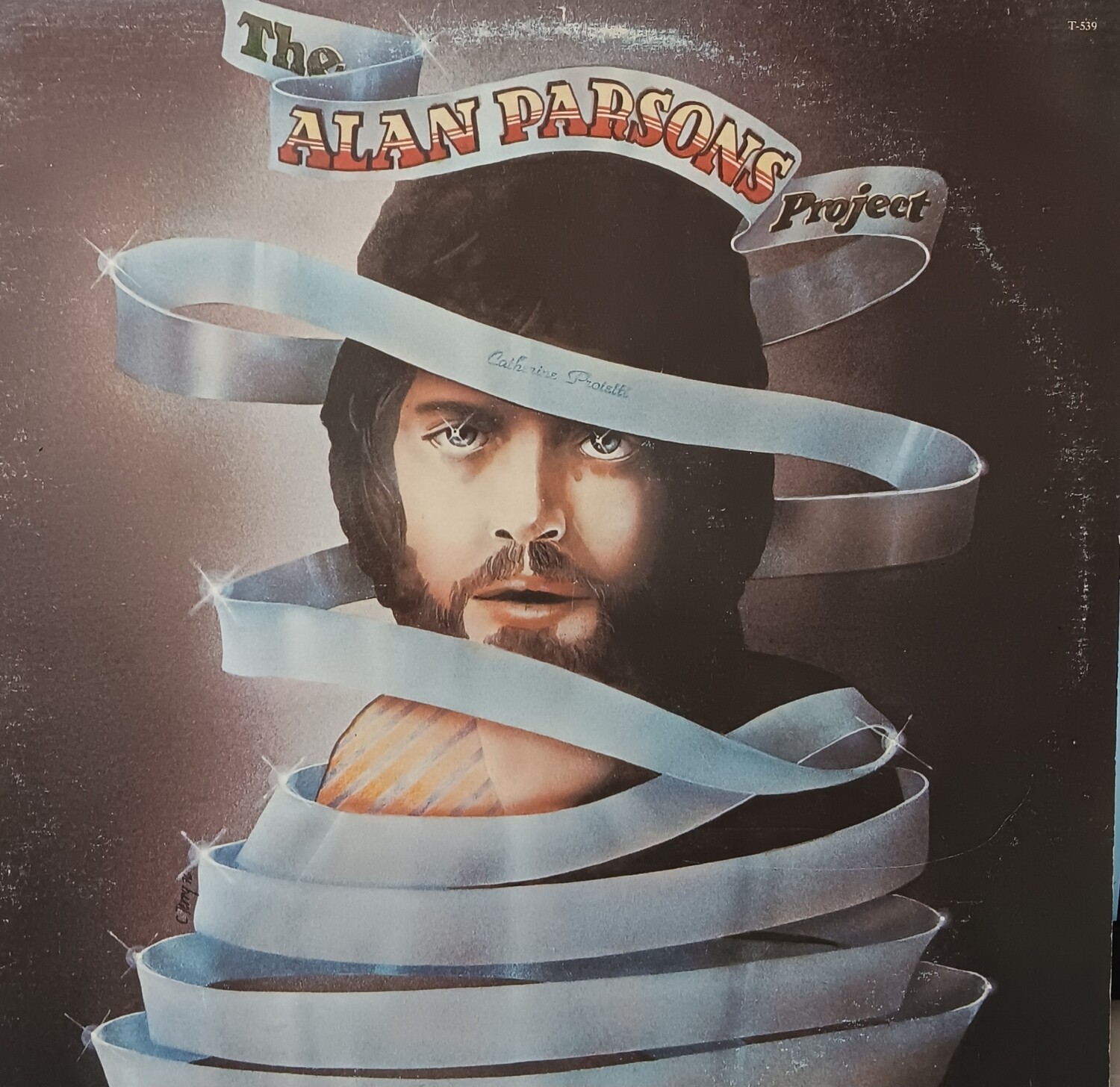
The Alan Parsons Project did not have a single lead singer; instead, it functioned as a studio-based collective led by producer Alan Parsons and songwriter Eric Woolfson. Between 1975 and 1990, the Project utilized over 30 different vocalists, choosing specific voices to match the thematic requirements of each song. The most frequent and influential singers included Eric Woolfson, Lenny Zakatek, Chris Rainbow, David Paton, and Colin Blunstone.
The Unique Concept of the Rotating Vocalist
To understand the biography of a "singer" for The Alan Parsons Project (APP), one must first understand that the Project was never a traditional band. Inspired by film directors like Alfred Hitchcock or Stanley Kubrick, Alan Parsons and Eric Woolfson viewed themselves as the "directors" and "producers" of a musical work. The singers were essentially the "actors" cast for specific roles.
This approach allowed the Project to explore vast stylistic territories, from the soulful disco-inflected rock of "I Wouldn't Want to Be Like You" to the ethereal, symphonic melancholy of "Old and Wise." By 2026, music historians recognize this model as a precursor to the modern "producer-as-artist" trend seen in electronic and hip-hop music, though applied to the sophisticated framework of progressive pop and rock.
Eric Woolfson: The Reluctant Voice and Creative Engine
Though he initially saw himself strictly as a songwriter and manager, Eric Woolfson became the most recognizable voice of The Alan Parsons Project during its commercial peak in the 1980s.
Early Life and Career Beginnings
Born in Glasgow, Scotland, in 1945, Woolfson was a self-taught pianist who moved to London to work as a session pianist and songwriter. Before meeting Alan Parsons at the Abbey Road Studios canteen in 1974, Woolfson had already written hits for artists like Marianne Faithfull and The Tremeloes.
His Role in the Project
Woolfson was the primary composer and lyricist. For the first few albums, he remained in the background. However, during the recording of The Turn of a Friendly Card (1980), Parsons encouraged Woolfson to sing the guide vocals for several tracks. The results were so compelling that Woolfson ended up as the lead vocalist for many of the Project’s biggest hits, including "Time," "Eye in the Sky," and "Don't Answer Me."
Vocal Style and Legacy
Woolfson’s voice was characterized by a soft, breathy, and emotive quality. It lacked the grit of a traditional rock frontman but possessed a relatable, vulnerable sincerity that suited the Project’s increasingly melodic direction. After the Project dissolved in the late 1980s, Woolfson transitioned into musical theater, creating works like Freudiana and Gaudi. He passed away in 2009, but his voice remains the definitive sonic signature for many APP fans.
Lenny Zakatek: The Voice of the Hits
If Woolfson provided the heart of the Project, Lenny Zakatek provided the muscle and the soul. Zakatek holds the distinction of singing many of the Project’s most rhythmic and commercially successful upbeat tracks.
Background and Introduction to APP
Born in Karachi and raised in London, Zakatek fronted the funk-rock band Gonzalez (famous for the hit "I Haven't Stopped Dancing Yet"). His soulful, slightly raspy delivery caught the attention of Parsons, who was looking for a more aggressive vocal style for the I Robot (1977) sessions.
Key Contributions
Zakatek sang lead on several definitive tracks:
- "I Wouldn't Want to Be Like You": This track showcased his ability to blend rock attitude with a funk groove.
- "Games People Play": A major hit from The Turn of a Friendly Card, where his energetic delivery anchored the track's driving rhythm.
- "You Don't Believe": A highlight of the Ammonia Avenue (1984) album.
Post-Project Activities
As of 2026, Lenny Zakatek remains an active figure in the music industry. He has released solo material and frequently participated in tribute performances, maintaining his reputation as "The Voice" of the Project’s more rock-oriented catalog.
Chris Rainbow: The Master of Harmony
Chris Rainbow (born Christopher James Harley) was perhaps the most technically versatile vocalist to work with Alan Parsons. His contribution went beyond lead vocals; he was responsible for the lush, multi-layered vocal arrangements that became an APP hallmark.
The Brian Wilson of the UK
Rainbow was deeply influenced by the Beach Boys and possessed a phenomenal range and an uncanny ability to stack vocal harmonies. Before joining the Project, he had a successful solo career with hits like "Give Me What I Cry For."
Integration into the Project
Rainbow became a staple of the Project starting with Eve (1979) and appeared on every subsequent album. While he sang lead on tracks like "Snake Eyes" and "Gemini," his greatest contribution was the "Wall of Sound" vocal backdrops seen on albums like The Turn of a Friendly Card and Stereotomy.
Vocal Characteristics
His voice was crystal clear, capable of reaching high registers without losing power. His work on the "The Gold Bug" and the choruses of "Games People Play" demonstrates his indispensable role in the Project's "expensive" studio sound. Rainbow passed away in 2015, leaving behind a legacy as one of the most respected "singer's singers" in the industry.
Colin Blunstone: The Melancholy Specialist
While he appeared on fewer tracks than Zakatek or Rainbow, Colin Blunstone provided some of the Project's most emotionally resonant moments.
The Zombies Connection
Blunstone was already a legend as the lead singer of The Zombies ("She's Not There," "Time of the Season") when he began collaborating with Parsons. His distinctive "breathy" tenor was a perfect match for the Project's more atmospheric and orchestral compositions.
"Old and Wise"
His performance on "Old and Wise" (from 1982's Eye in the Sky) is widely regarded as one of the greatest vocal performances in progressive rock history. The song, which deals with themes of mortality and reflection, benefited immensely from Blunstone's fragile yet dignified delivery. He also provided lead vocals for "The Eagle Will Rise Again" and "Somebody Out There."
David Paton: The Multi-Instrumentalist Vocalist
David Paton is unique among APP singers because he was also the Project’s primary bassist for many years. Formerly of the band Pilot (known for "Magic" and "January"), Paton brought a pop sensibility to the recording sessions.
Vocal Contributions
Paton’s voice was bright and melodic. He sang lead on tracks such as "What Goes Up" (from Pyramid) and "Children of the Moon" (from Eye in the Sky). His ability to provide high-quality backing vocals while maintaining a rock-solid bass line made him one of the most valuable members of the "Project family."
Career Evolution
Paton has enjoyed a long career as a session musician for legends like Elton John and Kate Bush. In the years leading up to 2026, he has remained active in the Scottish music scene and has released acoustic versions of APP classics, providing fans with a more intimate look at the Project's songwriting.
Comparative Overview of Major APP Vocalists
The following table summarizes the primary vocalists and their impact on the Project's discography.
| Singer | Primary Vocal Style | Key APP Songs | Most Active Period |
|---|---|---|---|
| Eric Woolfson | Soft, melodic, emotive | "Time", "Eye in the Sky", "Don't Answer Me" | 1980–1990 |
| Lenny Zakatek | Soulful, gritty, rhythmic | "Games People Play", "I Wouldn't Want to Be Like You" | 1977–1984 |
| Chris Rainbow | Harmonically rich, high range | "Snake Eyes", "The Turn of a Friendly Card" | 1979–1987 |
| Colin Blunstone | Breathy, melancholic, ethereal | "Old and Wise", "The Eagle Will Rise Again" | 1978–1984 |
| David Paton | Pop-rock, bright, clean | "What Goes Up", "Children of the Moon" | 1976–1985 |
| John Miles | Dramatic, powerful, theatrical | "La Sagrada Familia", "Money Talks" | 1976, 1985–1987 |
| Arthur Brown | Operatic, eccentric, wild | "The Tell-Tale Heart" | 1976 |
Guest Vocalists and One-Off Performances
The Alan Parsons Project was famous for its "casting" of legendary voices for specific concepts.
- Arthur Brown: The "God of Hellfire" was brought in for the debut album, Tales of Mystery and Imagination (1976), to sing "The Tell-Tale Heart." His frantic, wide-ranging vocals perfectly captured the madness of Edgar Allan Poe's character.
- John Miles: A powerhouse vocalist known for his hit "Music," Miles contributed to the Project's later, more theatrical works like Gaudi (1987). His performance on "La Sagrada Familia" is a masterclass in building tension and power.
- Lesley Duncan: One of the few female lead vocalists for the Project, she sang the haunting "If I Could Change Your Mind" on Eve.
- Gary Brooker: The Procol Harum frontman lent his soulful, bluesy voice to "Limelight" on the Stereotomy (1985) album.
The Technical Execution of the "Project" Sound
Alan Parsons’ experience as an engineer for The Beatles (Abbey Road) and Pink Floyd (The Dark Side of the Moon) deeply influenced how he recorded singers. He often used double-tracking and sophisticated compression to make the voices sit perfectly within the dense instrumental arrangements.
The singers often arrived at the studio with the songs already written and the instrumental tracks largely completed. Woolfson would sing a guide track, and the guest singer would then interpret the melody. This method ensured that the "vision" of the song remained consistent, even as the "voice" changed from track to track.
Common Questions Regarding APP Singers
Who was the lead singer of The Alan Parsons Project?
There was no single lead singer. The Project used a rotating cast of vocalists. However, Eric Woolfson sang the majority of the radio hits in the 1980s, leading many casual listeners to associate his voice with the Project’s identity.
Why did Alan Parsons not sing on the albums?
Alan Parsons viewed himself primarily as a producer, engineer, and occasional keyboardist/guitarist. While he provided some vocoder parts and backing vocals, he famously claimed that his own singing voice was not up to the standard of the world-class vocalists he hired for the sessions.
Are any of the original Alan Parsons Project singers still touring in 2026?
Alan Parsons continues to tour with the "Alan Parsons Live Project," which features a new generation of skilled vocalists who recreate the classic hits. Some original singers, like Lenny Zakatek and David Paton, still perform occasionally, though Eric Woolfson and Chris Rainbow have passed away.
Which singer performed "Eye in the Sky"?
"Eye in the Sky" was sung by Eric Woolfson. Initially, Woolfson didn't think his voice was right for the track and wanted a different singer, but Alan Parsons insisted that Woolfson's "unassuming" delivery was perfect for the song’s cynical lyrics.
The Legacy of the Project’s Vocalists
By 2026, the influence of the Alan Parsons Project’s vocal strategy is more apparent than ever. In an era where "featured" vocalists are the norm in various genres, the Project’s 1970s and 80s output stands as a blueprint for artistic collaboration.
The Project proved that a "band" could be a concept rather than a fixed group of people. This flexibility allowed for a level of vocal perfection that few traditional bands could achieve. Whether it was the raw energy of Lenny Zakatek or the heartbreaking softness of Colin Blunstone, the Project's singers were meticulously chosen to ensure that every song reached its maximum emotional and sonic potential.
Recommendation for Further Listening: To truly appreciate the diversity of the Project’s vocalists, listeners should compare the album Tales of Mystery and Imagination (vocal diversity) with Eye in the Sky (Woolfson’s melodic peak). This progression illustrates how the "singer" of the Project was always whatever voice the music required at that exact moment.