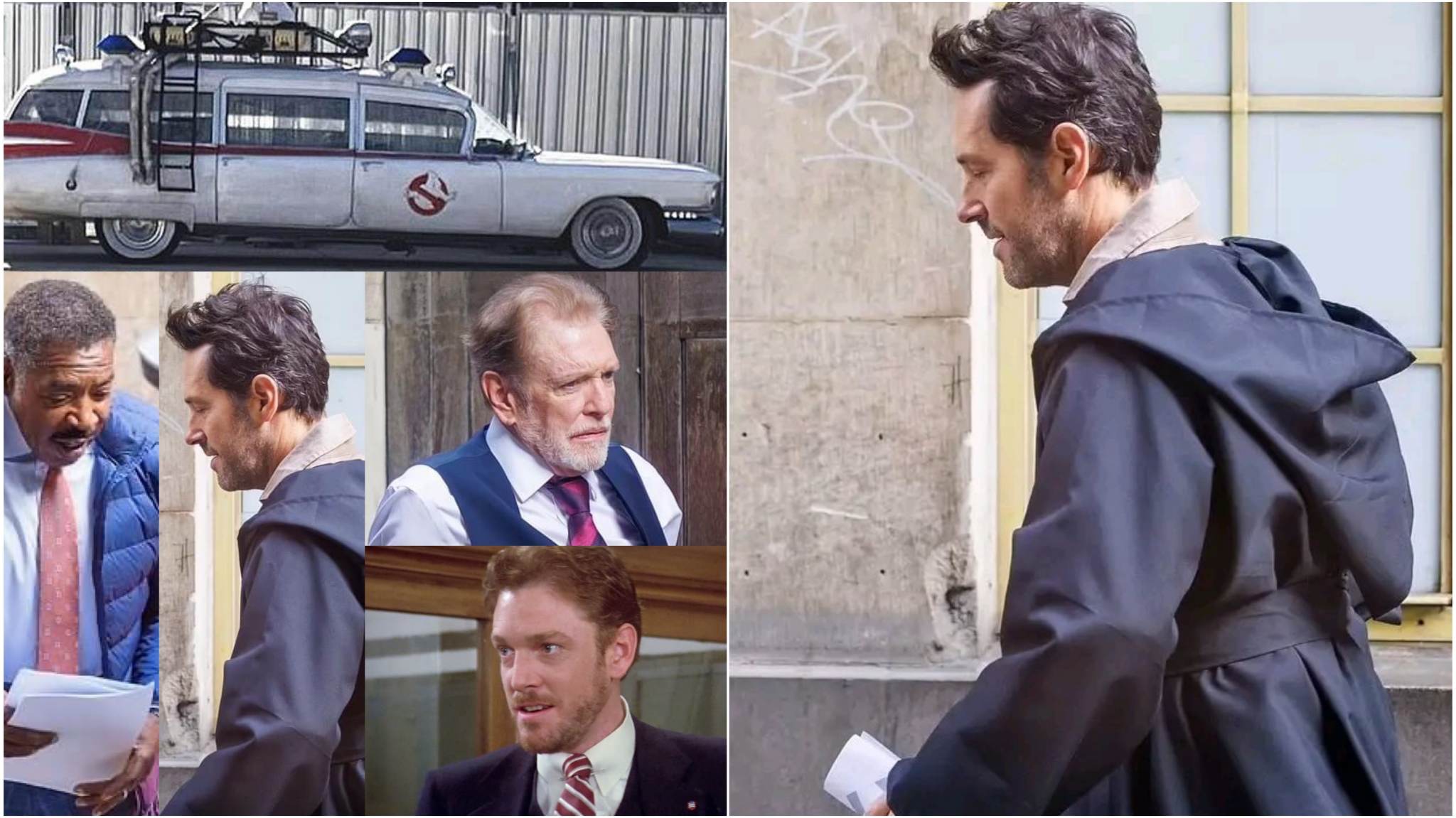
Al Smith, often credited as Alan Smith, was a pivotal mechanical effects expert whose work on the original 1984 Ghostbusters established the physical reality of the franchise. By engineering the sophisticated cable-controlled puppets and mechanical props that actors interacted with, Smith ensured that the supernatural elements felt tangible, creating a "practical-first" legacy that continues to define the series' aesthetic in 2026.
The Invisible Architect: Who is Al Smith?
In the world of 1980s filmmaking, the name Al Smith (Alan Smith) is synonymous with the "Golden Age" of practical special effects. Before the dominance of Computer-Generated Imagery (CGI), movies relied on a specialized cadre of engineers, model makers, and mechanical effects artists to bring the impossible to life. Smith was a cornerstone of this community, working within the legendary Boss Film Studios under the direction of visual effects pioneer Richard Edlund.
Smith’s contribution to the Ghostbusters legacy is found in the weight of the proton packs, the snarl of the Terror Dogs, and the subtle movements of ghosts that seemed to occupy real space. While directors and actors often receive the lion's share of credit, technicians like Smith provided the mechanical backbone that allowed the cast to react to something more substantial than a green screen. By 2026, his work is studied by a new generation of filmmakers who are moving away from "digital fatigue" and returning to the tactile methods Smith helped perfect.
The Mechanical Backbone of 1984
When Ghostbusters entered production in late 1983, the schedule was notoriously tight. With less than a year to complete a major effects-heavy blockbuster, the mechanical effects team had to innovate on the fly. Al Smith’s role involved bridging the gap between a static sculpture and a performance-ready creature.
The 1984 film was a turning point for the industry. It combined high-concept comedy with genuine horror elements, requiring effects that were both "spooky" and grounded. Smith and his colleagues at Boss Film Studios were tasked with creating "physical" ghosts. This meant designing internal armatures—the metal "skeletons" inside puppets—that could mimic organic muscle movement.
The Engineering of the Terror Dogs
Perhaps the most significant testament to Smith’s skill was the creation of Zuul and Vinz Clortho, the "Terror Dogs." These creatures were not merely static statues; they required complex hydraulic and cable-driven systems to operate.
- Cable Control Systems: Smith helped develop the intricate web of cables that ran from the interior of the dog puppets to a bank of operators off-camera. These cables controlled everything from the curling of the lip to the blinking of the eyes.
- Hydraulic Integration: For larger movements, such as the dogs' heavy breathing or their lunging motions, hydraulic rams were used. This provided the "force" necessary to move the heavy latex skins convincingly.
- On-Set Reliability: In 1984, there was no "fixing it in post" for physical interactions. Smith had to ensure these machines could perform repeatedly under the heat of studio lights without seizing up—a feat of mechanical reliability that remains impressive decades later.
The Evolution of the Proton Pack
While the visual "stream" of the proton pack was an optical effect added later by the animation department, the hardware itself was a mechanical challenge. Al Smith and the shop team were responsible for the "Hero" packs—the highly detailed, heavy versions of the props used for close-ups.
The legacy of the proton pack is perhaps the most enduring physical icon of the franchise. Smith’s team focused on:
- Vibration Motors: To help the actors "feel" the power of the nuclear accelerators, small eccentric-weight motors were often hidden inside the packs to create a physical hum.
- Pneumatic Elements: Some iterations of the props featured moving heat sinks or rotating components that added a layer of industrial realism.
- Ergonomics: Balancing the weight of the fiberglass shells with the internal electronics required a deep understanding of load-bearing mechanics, ensuring Bill Murray, Dan Aykroyd, and Harold Ramis could actually perform their scenes without physical injury.
From Boss Film Studios to the Modern Era
To understand Al Smith’s impact, one must look at the lineage of Boss Film Studios. Founded by Richard Edlund after his departure from Industrial Light & Magic (ILM), Boss Film was a hotbed of mechanical innovation. Smith worked alongside other legends of the craft, contributing to a culture where "if you can't buy it, you build it."
In the decades following the original Ghostbusters, the industry pivoted toward digital effects. However, by the time the franchise was revived with Ghostbusters: Afterlife (2021) and Ghostbusters: Frozen Empire (2024), there was a profound realization: the "legacy" of the brand was tied to the physical.
Directors like Jason Reitman explicitly sought to replicate the "Al Smith style" of effects. This meant building real animatronic versions of the "Muncher" ghost and using practical puppets for the Mini-Pufts wherever possible. By 2026, this "New Practicalism" has become the gold standard for high-end production, proving that the mechanical foundations laid in 1984 were not just a limitation of the time, but a superior aesthetic choice.
Technical Comparison: Practical vs. Digital Legacy
The following table illustrates how the mechanical foundations laid by Al Smith and his team in the 1980s compare to the modern hybrid approach used in the 2020s.
| Feature | 1984 Mechanical (Al Smith Era) | 2026 Hybrid Legacy Approach |
|---|---|---|
| Creature Interaction | Full cable-controlled animatronics. | 3D-printed armatures with digital "cleanup." |
| Actor Feedback | Physical vibration and weight in props. | Haptic feedback systems in "Hero" props. |
| Lighting | Interactive light from physical bulbs/LEDs. | Programmable LED arrays synced to CGI. |
| Durability | Hand-machined steel and aluminum. | Carbon fiber and lightweight composites. |
| Performance | Multi-person puppetry teams. | Single-operator wireless telemetry. |
The 2026 Perspective: Why Practical Effects Won
As of 2026, the film industry has reached a "Digital Equilibrium." After years of over-reliance on CGI, audiences began to experience "uncanny valley" fatigue. The Ghostbusters franchise survived and thrived specifically because it leaned into the tangible legacy established by technicians like Al Smith.
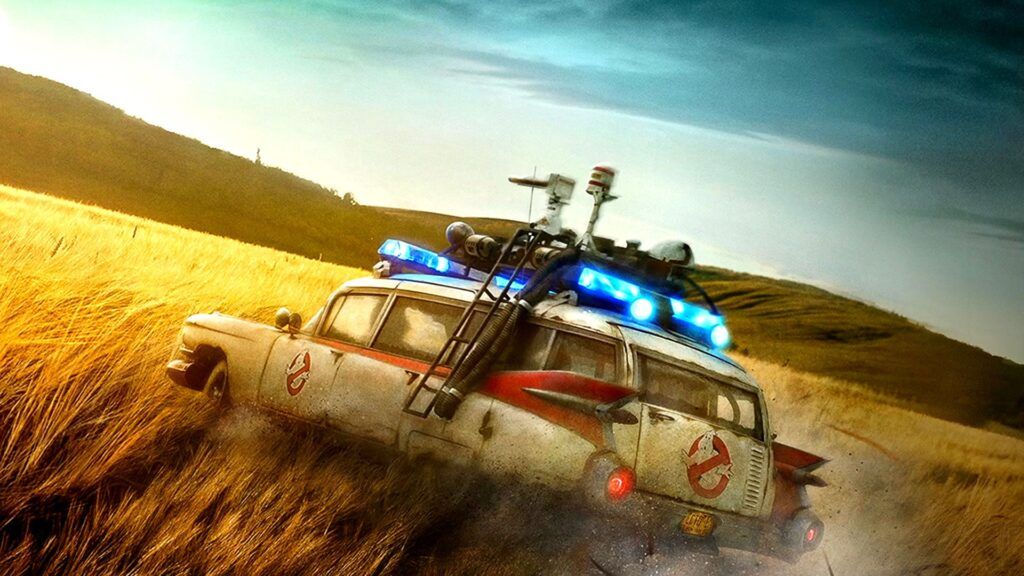
When we look at the modern Ghostbusters equipment—the updated traps, the weathered Ecto-1, and the detailed containment units—we see the DNA of the 1984 mechanical department. The "legacy" isn't just the characters; it's the stuff. The buttons that click, the gears that grind, and the puppets that have a physical weight. Al Smith's work taught the industry that for an audience to believe in the supernatural, the tools used to fight it must look and feel like they were built in a real machine shop.
The Role of Documentation and Preservation
A significant part of the legacy involves the preservation of the original blueprints and mechanical designs. Enthusiasts and "prop doctors" in 2026 use archives from the Boss Film era to recreate screen-accurate replicas. Smith’s mechanical layouts for the internal workings of the 1984 props have become "sacred texts" for the prop-building community, ensuring that his technical contributions are never forgotten.
Frequently Asked Questions
Did Al Smith design the look of the ghosts?
No, the visual design (the "look") was usually handled by concept artists and creature designers like Bernie Wrightson or Steve Johnson. Al Smith’s role was "Mechanical Effects," meaning he was responsible for making those designs move, function, and survive the rigors of a film set. He turned a drawing into a working machine.
Why is Al Smith often credited as Alan Smith?
In the film industry, credits can vary between "Al" and "Alan" depending on the production's union paperwork or the preference of the effects house. He is the same individual who contributed to other major 80s blockbusters, bringing a consistent level of mechanical expertise to every project.
What happened to the original mechanical props from 1984?
Many of the original mechanical props, including the Terror Dog armatures, suffered from "latex rot" over the decades. However, the metal skeletons—the parts Smith worked on—often survived. Some have been restored by private collectors and museums using Smith's original mechanical logic as a guide.
How did Smith’s work influence the 2021-2026 Ghostbusters films?
The modern films utilized a "Practical First" mandate. This meant that before using CGI, the production would build a mechanical version of the ghost or gadget. This philosophy is a direct homage to the work done by the 1984 crew, prioritizing physical presence to elicit better performances from the actors.
Was Al Smith involved in the 1989 sequel?
While Boss Film Studios and many of its veterans returned for various capacities in the sequel, the effects landscape began to shift toward different specialized houses. However, the mechanical standards established by Smith in the first film remained the blueprint for the equipment used in Ghostbusters II.
Practical Recommendations for Film Enthusiasts
If you are interested in the mechanical legacy of the Ghostbusters franchise, the following actions are recommended:
- Study the "Making of" Archives: Seek out the "Making of Ghostbusters" book by Don Shay. It provides the most detailed technical breakdown of the Boss Film Studios' mechanical department.
- Visit Prop Museums: Check for exhibits at the Academy Museum of Motion Pictures which occasionally features original mechanical armatures and props from the 1980s.
- Explore Practical Effects Communities: Join groups like the "Replica Prop Forum" (RPF), where engineers and hobbyists deconstruct the mechanical work of Al Smith to build functional replicas of the original 1984 gear.
- Support Practical Effects in Modern Cinema: When watching new releases in 2026, look for "Practical Effects" in the credits. Supporting films that prioritize mechanical builds over pure CGI helps preserve the craft that Smith helped pioneer.
Al Smith’s contribution to the Ghostbusters legacy is a reminder that the most magical moments in cinema are often the result of rigorous engineering, grease, and gears. His work ensured that when the proton streams crossed, the world felt like it was truly at stake.