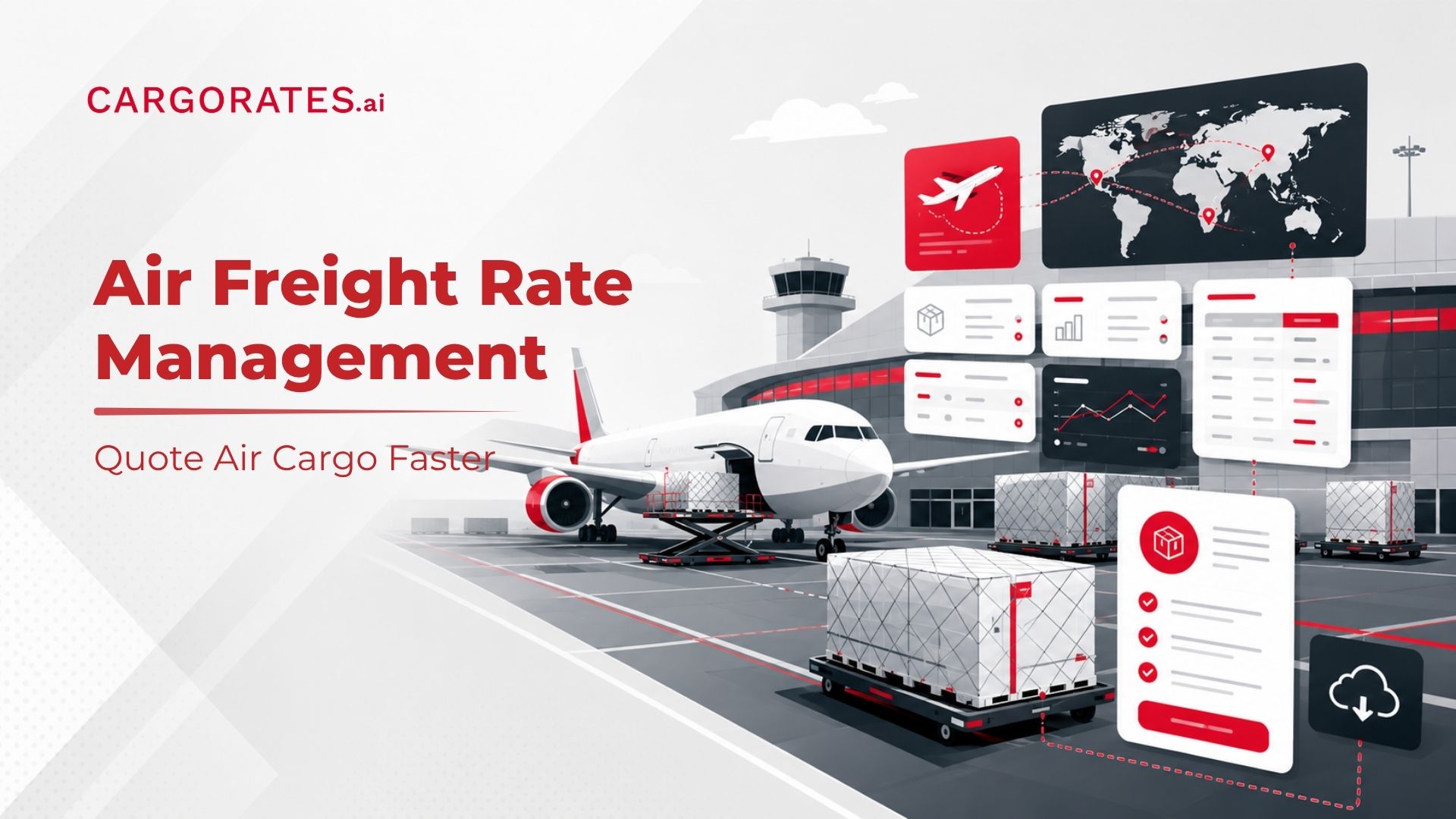
Air freight management software is a specialized digital ecosystem designed to automate and optimize the end-to-end lifecycle of air cargo shipments. These platforms integrate booking, electronic Air Waybill (e-AWB) processing, real-time tracking, customs compliance, and financial settlement into a single interface, enabling freight forwarders and carriers to enhance operational speed and accuracy.
The Evolution of Air Freight Technology
By 2026, the landscape of air freight has shifted from reactive logistics to predictive intelligence. Air freight management software no longer serves as a simple digital filing cabinet for shipping documents; it has become the central nervous system of global supply chains. The primary driver of this evolution is the industry-wide mandate for total digitalization, spearheaded by IATA’s "One Record" initiative, which aims to create a single, transparent view of a shipment’s journey through a standardized data-sharing model.
Unlike general Transportation Management Systems (TMS), air-specific software must handle unique variables such as flight schedules, volumetric weight calculations (dim weight), ULD (Unit Load Device) management, and stringent security protocols required by the TSA and other international bodies. In the 2026 environment, these systems are increasingly cloud-native, offering API-first architectures that allow for seamless data exchange between shippers, airlines, ground handlers, and customs authorities.
Core Functional Modules of Modern Air Freight Systems
To solve the complex problems of modern logistics, air freight management software is structured around several critical modules. Each module addresses a specific pain point in the air cargo lifecycle, from the initial quote to final delivery.
1. Dynamic Rate Management and Quoting
In 2026, air freight rates are more volatile than ever due to fluctuating fuel costs and shifting geopolitical landscapes. Advanced software utilizes AI-driven engines to provide real-time rate procurement. These systems connect directly to airline APIs (such as those from Lufthansa Cargo, Emirates SkyCargo, or Qatar Airways) to pull live spot rates and contract rates. This eliminates the manual "call and email" process, allowing forwarders to generate accurate quotes for customers in seconds rather than hours.
2. e-AWB and Documentation Automation
The transition to the electronic Air Waybill (e-AWB) is virtually complete in 2026. Modern software ensures that all documentation is compliant with the latest IATA standards. This includes the automated generation of House Air Waybills (HAWB) and Master Air Waybills (MAWB), as well as commercial invoices and packing lists. By automating data entry, these systems reduce the "document-to-cargo" mismatch errors that historically caused significant delays at airport hubs.
3. Real-Time Visibility and Milestones
Tracking in 2026 has moved beyond "last known location" to granular, sensor-based visibility. Top-tier air freight management software integrates with IoT devices attached to pallets or ULDs. This provides real-time data on temperature (critical for pharmaceuticals), humidity, shock, and precise GPS location. The software translates this raw data into actionable milestones, notifying stakeholders of departures, arrivals, and any potential deviations from the planned route.
4. Customs and Compliance Integration
Global trade compliance is a moving target. Software solutions now include built-in modules for Automated Manifest Systems (AMS) and Import Control Systems (ICS2). These modules automatically screen shipments against denied-party lists and ensure that all "Advanced Electronic Information" (AEI) is submitted to customs authorities well before the aircraft lands, significantly reducing the risk of fines and storage fees.
The Role of AI and Machine Learning in 2026
Artificial Intelligence (AI) is no longer a futuristic concept but a standard feature in air freight management. By 2026, ML algorithms are used to solve one of the industry's oldest problems: capacity forecasting.
Software can now analyze historical shipping patterns, seasonal trends, and even weather data to predict when air cargo space will be at a premium. This allows freight forwarders to pre-book space at lower rates or advise clients to shift to deferred services. Furthermore, AI helps in "load planning," optimizing the placement of cargo within a ULD to maximize space utilization and ensure aircraft weight and balance requirements are met efficiently.
Sustainability has also become a data-driven requirement. Modern platforms calculate the carbon footprint of every flight path, allowing shippers to choose "green" routes or purchase carbon offsets directly within the booking workflow. This is increasingly important as corporate ESG (Environmental, Social, and Governance) reporting becomes mandatory in many jurisdictions.
Comparing Leading Air Freight Management Solutions
Choosing the right software depends on the scale of operations and specific niche requirements (e.g., handling perishables vs. heavy machinery). The following table compares the typical feature sets found in market-leading solutions in 2026.
| Feature Category | Entry-Level SaaS | Mid-Market Solutions | Enterprise-Grade Platforms |
|---|---|---|---|
| Primary User | Small Forwarders | Regional Logistics Providers | Global 3PLs / Airlines |
| Connectivity | Web Portals / Email | Standard API Integrations | Full EDI / IoT / Blockchain |
| Quoting | Manual / Static | Semi-Automated Spot Rates | Fully Dynamic AI Quoting |
| Compliance | Basic Document Templates | Integrated Customs Filing | Multi-Country Regulatory Hubs |
| Scalability | Limited to 500 shipments/mo | Unlimited Shipments | Multi-Entity / Multi-Currency |
| Tracking | Carrier Website Scraping | API Milestone Updates | Real-Time IoT Sensor Data |
| Cost Structure | Per Shipment Fee | Monthly Subscription | Annual License + Maintenance |
Implementation Prerequisites and Strategy
Implementing a new air freight management system is a significant undertaking that requires more than just a software purchase. Organizations must prepare their internal data and infrastructure to ensure a smooth transition.
Data Cleaning and Standardization
Before migrating to a new system, it is vital to clean existing master data. This includes customer addresses, carrier contact information, and historical rate cards. In the 2026 environment, data must be formatted to match the IATA One Record data model to ensure interoperability with external partners.
API Readiness
Modern air freight software relies heavily on APIs. Companies must ensure their existing internal systems (like accounting or CRM software) can "talk" to the new management platform. Without this connectivity, the software remains a silo, and the benefits of automation are lost to manual data re-entry.
Staff Training and Change Management
The shift from manual processes to automated, AI-assisted workflows can be jarring for staff. A successful implementation includes a structured training program that emphasizes the why behind the change. By 2026, user interfaces have become more intuitive, but understanding how to interpret AI-driven recommendations remains a critical skill for logistics professionals.
Common Pitfalls in Software Selection
Despite the advanced technology available, many firms fail to realize the full ROI of their air freight software due to common mistakes:
- Over-Customization: Trying to force a modern SaaS product to mimic an outdated 20-year-old manual process. This often breaks the update path of the software and leads to technical debt.
- Ignoring Mobile Capabilities: Air freight happens on the tarmac and in warehouses, not just in offices. Choosing a system without a robust mobile interface limits the ability of ground staff to provide real-time updates.
- Underestimating Integration Time: While many vendors promise "plug-and-play" connectivity, complex EDI (Electronic Data Interchange) setups with smaller regional carriers can still take weeks to finalize.
- Neglecting Security: In 2026, cyberattacks on supply chains are frequent. Software must have SOC 2 Type II compliance and robust multi-factor authentication (MFA) to protect sensitive shipping data.
Regulatory Standards and Security Frameworks
Air freight is one of the most heavily regulated industries in the world. Software must be designed to comply with several key frameworks:
- IATA Cargo XML: The standard for electronic communication between airlines and other stakeholders.
- e-CSD (Electronic Consignment Security Declaration): Ensures that the security status of a shipment is digitally recorded and transmitted throughout the chain of custody.
- GDPR and Data Privacy: Since air freight involves the movement of goods across borders, software must handle the personal data of shippers and consignees in compliance with international privacy laws.
- AEO (Authorized Economic Operator): Many software packages include features that help companies maintain their AEO status, providing faster access to simplified customs procedures.
For more information on the latest technical standards for air cargo messaging, practitioners should refer to the IATA Cargo Standards and the World Customs Organization (WCO) for global trade facilitation guidelines.
Frequently Asked Questions
What is the difference between a TMS and air freight management software?
While a general Transportation Management System (TMS) handles multiple modes of transport (truck, rail, sea), air freight management software is purpose-built for the specific complexities of aviation. This includes integration with airline scheduling systems, adherence to IATA airway bill standards, and specialized modules for airport-to-airport (A2A) logistics that a standard TMS may lack.
How does air freight software improve customs clearance?
The software automates the submission of manifests to customs authorities (like the US CBP or EU Customs) before the cargo arrives. By using pre-validated data from the e-AWB, it reduces clerical errors that lead to "holds." In 2026, many systems also use AI to flag potential HS Code (Harmonized System) inaccuracies, preventing costly compliance disputes.
Can small freight forwarders afford this technology in 2026?
Yes. The shift to SaaS (Software as a Service) models has democratized access. Small forwarders can now use "pay-as-you-go" platforms that require no upfront server investment. These cloud-based tools offer the same basic e-AWB and tracking capabilities as enterprise systems, allowing smaller players to compete on service quality and visibility.
How does IATA One Record affect software choice?
IATA One Record is the standard for data sharing in 2026. When selecting software, it is essential to ensure the vendor is committed to this "data sharing" philosophy rather than "data pushing." This ensures that your system can participate in the digital ecosystem where all parties (shippers, forwarders, airlines) access a single version of the truth for each shipment.
Does the software handle dangerous goods (DG)?
Most professional-grade air freight systems include a Dangerous Goods module. These modules cross-reference shipment details against the latest IATA Dangerous Goods Regulations (DGR) to ensure proper packaging, labeling, and documentation. They can automatically block a booking if the cargo is restricted on specific aircraft types (e.g., passenger vs. freighter).
Practical Recommendations for 2026
For businesses looking to upgrade or implement air freight management software in 2026, the priority should be interoperability. The era of "closed systems" is over.
- Prioritize APIs: Choose a platform that offers open APIs. This allows you to connect to new carrier platforms or third-party visibility tools as they emerge.
- Demand Mobile Access: Ensure that warehouse staff and drivers can input data directly into the system via mobile devices to eliminate the latency between physical events and digital records.
- Evaluate Sustainability Features: With carbon taxes becoming more prevalent, the ability to report and mitigate CO2 emissions is no longer a luxury—it is a commercial necessity.
- Audit Security Protocols: Given the critical nature of international trade data, ensure your provider uses end-to-end encryption and participates in regular third-party security audits.
By focusing on these areas, organizations can transform their air freight operations from a cost center into a competitive advantage, characterized by speed, transparency, and resilience.