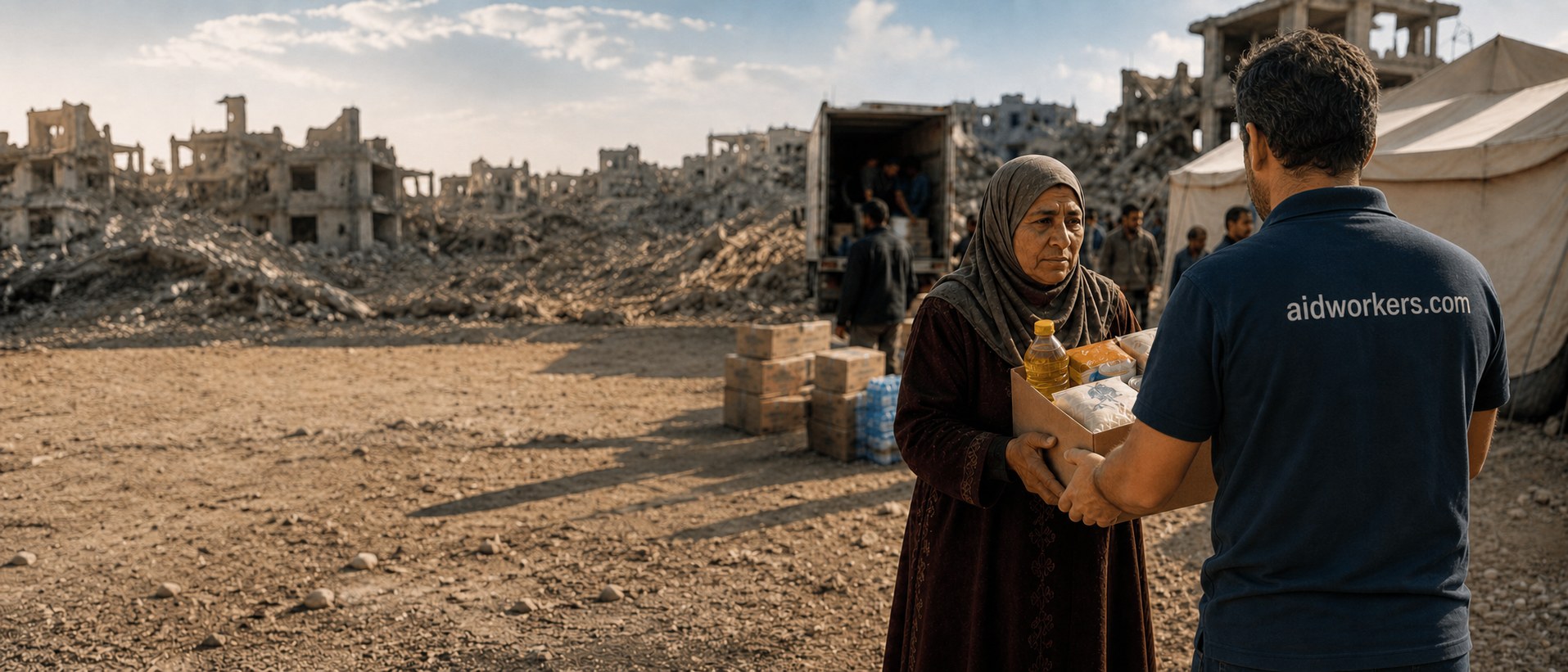
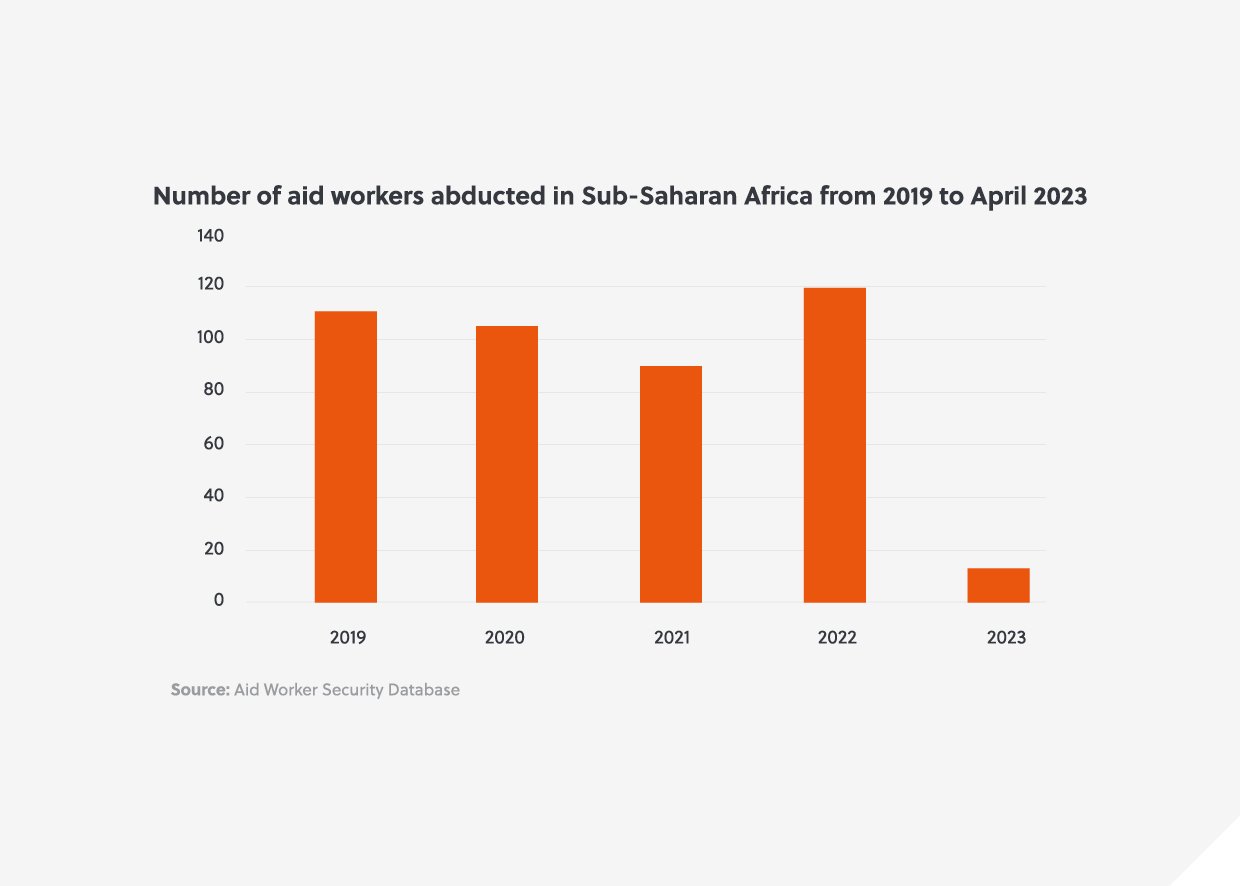
Aid workers compensation refers to the specialized insurance coverage designed to provide medical benefits, wage replacement, and disability support for humanitarian personnel injured or incapacitated while performing their professional duties. Because aid work often involves deployment to high-risk environments, this coverage bridges the gap between standard domestic policies and the unique liability requirements of international non-governmental organizations (NGOs) and aid agencies.
The Scope of Specialized Compensation for Aid Workers
Unlike traditional domestic workers' compensation, which is governed by relatively standardized state or national labor laws, aid workers compensation must account for the fluid and often dangerous nature of humanitarian service. Aid organizations frequently operate in regions where local legal frameworks for worker protection are either non-existent or insufficient. Consequently, these agencies obtain private, high-risk insurance products known as "Defense Base Act" (DBA) insurance or specialized international voluntary compensation policies to ensure their staff are protected regardless of where they are stationed.
The fundamental objective of this coverage is to provide a safety net for employees, contractors, and volunteers. It ensures that if an individual suffers a work-related illness or injury—ranging from conflict-related trauma to tropical diseases—the organization is financially prepared to cover long-term rehabilitation, medical evacuation, and lost wages. This is not merely a legal obligation for many organizations but a moral and operational necessity to maintain a functional workforce in volatile zones.
Distinguishing Between Domestic and International Coverage
One of the primary challenges for aid agencies is determining when domestic insurance ceases to apply and international specialized coverage must begin. In most jurisdictions, domestic policies provide coverage only while the employee is working within the borders of the country of origin. Once an aid worker crosses into an international territory, the domestic policy may become void or limited.
To resolve this, aid organizations utilize specific insurance frameworks:
- Defense Base Act (DBA) Insurance: This is a federal requirement for any organization working on U.S. government contracts overseas. It provides workers' compensation protection to civilian employees of the U.S. government and its contractors working outside the United States.
- Voluntary Compensation/Employer’s Liability: Many NGOs procure these policies to cover staff who do not fall under the purview of the DBA. These policies often mimic the benefit structure of the worker’s home country, ensuring that the level of care is consistent with their expected standard of living.
- Kidnap, Ransom, and Extortion (KRE): While not strictly workers' compensation, this is often packaged alongside it for aid workers in high-conflict areas, as the safety of the individual is inextricably linked to their ability to perform their duties.
Eligibility and Prerequisites for Coverage
Eligibility for aid workers compensation depends heavily on the contractual status of the individual. Organizations categorize personnel into distinct groups, each with different access rights to compensation:
- Direct Employees: These individuals are typically covered under the organization’s master policy. Their eligibility is generally triggered from the moment they are hired until their contract concludes.
- Contractors and Consultants: Coverage for these individuals is often negotiated as part of their specific service contract. It is crucial for these workers to verify that their contract includes a clause for "Foreign Voluntary Compensation" or similar specialized coverage, as they may not be automatically included in the agency’s standard domestic policy.
- Volunteers: Volunteers often fall into a legal gray area. Some organizations provide "Volunteer Personal Accident" policies, which offer limited benefits compared to full workers' compensation. Prospective volunteers should demand a certificate of insurance (COI) that specifically mentions the scope of coverage for their role.
The Claims Process: A Step-by-Step Approach
When an incident occurs, the process for filing a claim is more complex than in a standard office setting due to geographical distance and potential communication outages.
- Step 1: Immediate Reporting: The worker or their supervisor must document the incident as soon as it is safe to do so. In high-risk areas, the "First Report of Injury" is critical; even if the injury seems minor, it should be logged in the organization’s secure, centralized database.
- Step 2: Medical Documentation: Because specialized insurance often requires international medical validation, workers should secure official medical reports, diagnostic images, and invoices from any hospital or clinic used. Digital copies should be uploaded to a secure, cloud-based platform accessible by the organization’s HR or insurance liaison.
- Step 3: Liaison with the Claims Administrator: Most large NGOs contract with third-party administrators (TPAs) who specialize in international claims. The claimant must maintain direct contact with the TPA rather than just the NGO, as the TPA acts as the technical expert for interpreting the policy nuances.
- Step 4: Medical Evacuation Coordination: If the injury requires care that cannot be provided locally, the compensation policy usually triggers an "emergency medical evacuation" clause. This requires prior authorization from the insurer’s 24/7 medical monitoring center.
Comparison of Coverage Types
The following table outlines the differences between common insurance structures for humanitarian personnel.
| Policy Type | Primary Beneficiary | Typical Scope | Key Limitation |
|---|---|---|---|
| Domestic Workers Comp | Local office staff | Within country borders | Invalid during international deployment |
| Defense Base Act (DBA) | Gov. contractors overseas | Comprehensive, medical + wage | Strictly limited to U.S. gov-funded work |
| Voluntary Compensation | International NGO staff | Varies by employer contract | Usually pays less than DBA-level benefits |
| Personal Accident | Short-term volunteers | Limited to accidental death/injury | Does not cover chronic illnesses or disease |
Common Mistakes and Troubleshooting
One of the most frequent errors made by aid workers is failing to clarify which insurance policy applies to their specific assignment. Many assume they are covered under the organization's global insurance umbrella, only to find during an emergency that their specific job title or location was excluded from the policy’s geographic schedule.
Troubleshooting tips for aid workers:
- Verify the Schedule of Operations: Before departing for a field assignment, ask the HR department to provide a copy of the "Certificate of Insurance" that explicitly lists the country of your assignment.
- Understand the "Exclusionary Clauses": Some policies exclude injuries resulting from "civil unrest" or "acts of terrorism" unless an additional rider is purchased. Ensure your coverage includes these high-risk activities.
- Keep Physical and Digital Copies: In remote areas with unstable internet, rely on physical copies of your insurance card and contact numbers, but keep digital backups on encrypted drives.
Frequently Asked Questions
1. Is my domestic workers' compensation enough for overseas aid work? Rarely. Most domestic workers' compensation policies contain a territorial clause that limits coverage to the country where the policy was issued. Working abroad without a specifically endorsed international policy usually leaves you uninsured for work-related injuries.
2. What happens if I am injured in an area with no local healthcare? Specialized aid workers compensation policies include provisions for medical evacuation. This coverage ensures that you are transported to the nearest facility with an adequate standard of care, or back to your home country, depending on the severity of the injury and the policy terms.
3. Am I covered if I am a freelance consultant? Generally, no. As a freelancer, you are responsible for your own coverage unless your contract with the NGO stipulates that you will be added to their policy. Always check if you are expected to carry your own international "Employer's Liability" insurance.
4. How do I prove an injury is work-related in a volatile zone? Keep a daily log of your activities and obtain a formal incident report from your project lead or security officer. Because humanitarian work can be unpredictable, contemporaneous documentation signed by a supervisor is often the strongest evidence needed for a successful claim.
5. Does this insurance cover mental health issues? Coverage for psychological trauma, such as PTSD, is becoming more common in premium aid worker insurance packages. However, it is not standard in every policy. You must check the "Mental Health" or "Psychiatric Benefit" section of your specific policy documents to confirm the limits.
Final Recommendation for Personnel
If you are currently, or about to be, deployed in an aid capacity, the most important action you can take is to request a copy of the "Summary of Benefits" specifically regarding "Workers Compensation and Employer's Liability" from your organization. Review the geographic scope and the list of covered activities. If you find gaps, particularly if you are a consultant or volunteer, consider purchasing a private "International Personal Accident and Medical" policy to ensure you have an independent safety net.