Agriculture in Connecticut is a sophisticated multi-billion dollar industry characterized by high-value specialty crops, a robust greenhouse sector, and a historic dairy industry. Despite its small geographic size, the state leverages its proximity to major urban markets to sustain over 5,500 farms covering approximately 380,000 acres of preserved and active farmland.
The Economic Landscape of Connecticut Agriculture in 2026
As of 2026, the agricultural sector remains a cornerstone of Connecticut’s economy, contributing more than $4 billion in total economic impact. This figure encompasses not just the direct sale of farm products, but the entire value chain, including processing, distribution, and the burgeoning agritourism industry. The state’s farming landscape is unique compared to the vast monocultures of the Midwest; it is defined by diversity, high productivity per acre, and a direct-to-consumer sales model that bypasses traditional wholesale hurdles.
Connecticut’s proximity to high-density population centers like New York City, Boston, and its own metropolitan areas (Hartford, New Haven, and Stamford) provides a significant competitive advantage. Farmers in the Nutmeg State often focus on perishable, high-value goods that benefit from short transit times. This "localized" strategy has protected the state’s agricultural interests from some of the volatility seen in global commodity markets.
The labor market within Connecticut agriculture supports approximately 21,000 jobs. These roles range from traditional field labor to high-tech positions in controlled-environment agriculture (CEA) and agricultural biotechnology. The investment in state-level programs, such as the Connecticut Department of Agriculture Farmland Preservation Program, has ensured that prime agricultural soils remain available for production despite high developmental pressure from real estate interests.
Leading Agricultural Sectors and Commodities
The diversity of Connecticut’s output is its greatest strength. While dairy was historically the dominant force, the modern era has seen a massive shift toward horticulture and specialized aquaculture.
Greenhouse, Nursery, and Sod Production
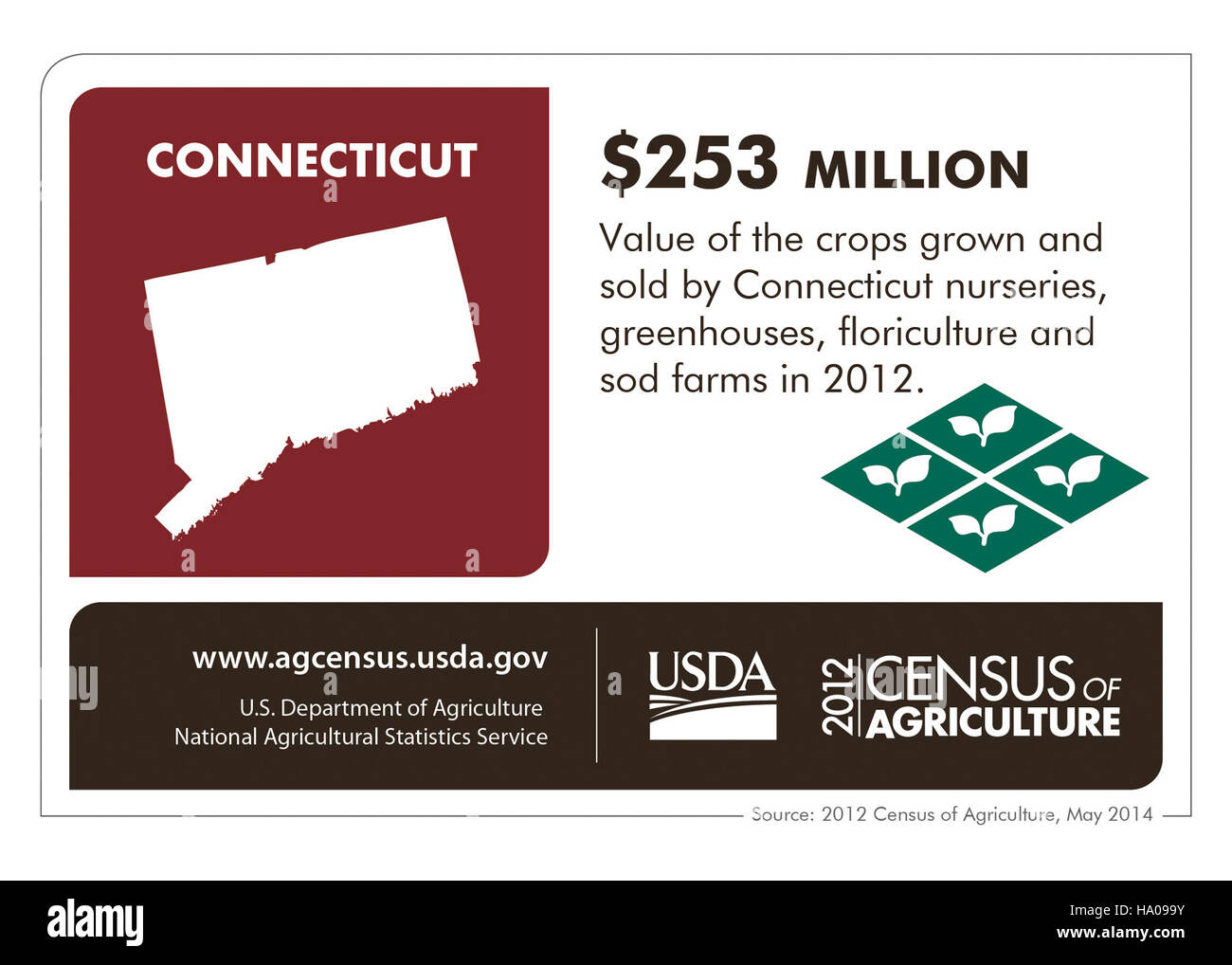
By a wide margin, the greenhouse, nursery, and sod industry is the largest agricultural sector in Connecticut. It accounts for nearly half of the state’s total agricultural production value. This sector thrives due to the affluent suburban corridors that demand high-quality landscaping materials, ornamental plants, and turfgrass.
In 2026, this industry has integrated advanced automation—such as robotic transplanting and AI-driven climate control—to manage rising labor costs and maximize yield. The "Green Industry," as it is often called, is essential for the state’s environmental health, providing the plants necessary for carbon sequestration and urban cooling initiatives.
Dairy Farming and Value-Added Transformation
Dairy remains a vital cultural and economic component of rural Connecticut, particularly in Litchfield and Windham counties. However, the industry has undergone a significant transformation. Traditional fluid milk production faces tight margins, leading many of the state’s remaining 70-80 dairy farms to pivot toward "value-added" products.
By processing their own milk into artisanal cheeses, yogurt, and premium ice cream, Connecticut dairy farmers capture a larger share of the retail dollar. The UConn College of Agriculture, Health and Natural Resources provides critical support here, offering technical assistance in food safety and processing technology that allows small farms to compete with national brands.
The Shellfish and Aquaculture Industry
Connecticut is a national leader in the production of the Eastern oyster (Crassostrea virginica) and northern quahogs (hard clams). The state’s coastal waters in the Long Island Sound host more than 70,000 acres of shellfish beds. This is a highly regulated and scientifically managed sector that provides millions of dollars in annual revenue.
Aquaculture in Connecticut is not limited to the ocean. The state has seen an increase in inland recirculating aquaculture systems (RAS) that produce tilapia, trout, and even shrimp. These indoor facilities allow for year-round production and represent the cutting edge of sustainable protein manufacturing in the Northeast.
Technical Advancements and Sustainable Practices
Agriculture in 2026 is increasingly a tech-driven enterprise. Connecticut farmers have been early adopters of "Climate-Smart" practices, a necessity driven by the erratic weather patterns of the 2020s.
Precision Agriculture and CEA
Controlled-environment agriculture (CEA) has seen explosive growth in urban centers like Bridgeport and Hartford. Using hydroponic and aeroponic systems, these vertical farms grow leafy greens and herbs with 90% less water than traditional field farming. This technology ensures a consistent food supply regardless of seasonal limitations or drought conditions.
In traditional field operations, precision agriculture—utilizing GPS-guided equipment and drone mapping—allows for the hyper-targeted application of fertilizers and water. This not only reduces overhead costs but also protects the state’s watersheds from nutrient runoff, a key priority for the Connecticut Farm Bureau.
Soil Health and Carbon Sequestration
The "Healthy Soils" legislation passed in the early 2020s has matured into a robust framework by 2026. Farmers are incentivized to use cover crops, no-till drilling, and rotational grazing to build organic matter in the soil. These practices serve a dual purpose: they make the land more resilient to heavy rainfall and drought, and they allow farmers to participate in emerging carbon credit markets, providing a new stream of non-crop revenue.
The Rise of Agritourism and the Farm-to-Table Movement
The "Connecticut Grown" brand is more than just a label; it is a central part of the state’s tourism strategy. Agritourism has become a vital lifeline for small-to-medium-sized farms, providing the cash flow necessary to offset the costs of traditional production.
- Farm-to-Glass: The Connecticut Wine Trail and the state's craft breweries use locally grown grapes, hops, and grains, creating a symbiotic relationship between agriculture and hospitality.
- Pick-Your-Own (PYO): Orchards across the state have transformed into seasonal destinations. By offering apple, berry, and pumpkin picking, farms eliminate the costs of harvesting and transportation while charging a premium for the "experience."
- Community Supported Agriculture (CSA): CSAs allow residents to buy "shares" of a farm's harvest at the start of the season. This model provides farmers with upfront capital and guarantees a market for their goods.
Regulatory Environment and Support Systems
Operating a farm in a high-cost state like Connecticut requires a deep understanding of the regulatory and tax landscape. The state offers several mechanisms to support agricultural viability.
- Public Act 490: This is perhaps the most critical piece of legislation for CT farmers. It allows agricultural land to be assessed at its use value rather than its "highest and best use" value (such as residential development). Without this tax relief, property taxes would make most farming operations economically impossible.
- The Farmland Preservation Program: Administered by the DoAg, this program purchases development rights from farmers. The farmer retains ownership of the land but is paid the difference between the land's agricultural value and its market value, ensuring the land remains in production forever.
- Connecticut Grown Program: This marketing initiative helps consumers identify local products. In 2026, the program includes a sophisticated digital platform where consumers can track the origin of their food through blockchain-verified supply chains.
Challenges Facing Connecticut Farmers
Despite the innovation, several structural challenges persist for the state’s agricultural community.
Land Access and Affordability
Connecticut has some of the most expensive real estate in the country. For new and beginning farmers, the cost of entry is a significant barrier. Programs like "CT FarmLink" attempt to bridge this gap by connecting retiring farmers with aspiring ones, but the pressure to sell land for housing remain constant.
Labor Shortages
The agricultural sector continues to struggle with labor availability. While automation helps in the greenhouse and dairy sectors, many specialty crops still require hand-harvesting. Farmers rely heavily on the H-2A visa program, but administrative delays and rising minimum wage requirements in Connecticut necessitate high operational efficiency to remain profitable.
Climate Adaptation
Increasingly frequent "extreme weather events"—ranging from late-spring frosts to summer flash flooding—require constant adaptation. The 2026 growing season has seen increased investment in high tunnels (unheated greenhouses) to extend the season and protect crops from heavy rain and hail.
Data Table: Comparison of Major CT Agricultural Sectors (2026 Estimates)
| Sector | Est. Annual Revenue (2026) | Primary Commodities | Primary Regional Focus |
|---|---|---|---|
| Nursery & Greenhouse | $1.25 Billion | Bedding plants, shrubs, sod | Statewide (Suburban hubs) |
| Dairy & Value-Added | $165 Million | Milk, cheese, yogurt, ice cream | Litchfield & Windham Counties |
| Aquaculture | $42 Million | Oysters, hard clams, indoor fish | Long Island Sound / Coastal |
| Poultry & Eggs | $38 Million | Retail eggs, specialty poultry | New London County |
| Fruits & Vegetables | $92 Million | Apples, berries, sweet corn | Hartford & New Haven Counties |
| Tobacco (Broadleaf) | $35 Million | Cigar wrapper leaf | Connecticut River Valley |
Frequently Asked Questions
What is the most profitable crop grown in Connecticut?
On a per-acre basis, nursery and greenhouse products are the most profitable, followed by Connecticut Broadleaf tobacco. Tobacco grown in the Connecticut River Valley is world-renowned for its use as cigar wrappers and commands a premium price. However, for smaller diversified farms, high-value specialty crops like organic berries and microgreens often yield the highest margins.
How can I verify if a product is truly "Connecticut Grown"?
The most reliable method is to look for the official "Connecticut Grown" logo, which is regulated by the Department of Agriculture. Additionally, many farmers now use QR codes on packaging that link to the farm's profile and production records. Buying directly from registered farmers' markets or certified CSA programs also ensures the product's local origin.
What tax exemptions are available for Connecticut farmers?
Farmers can qualify for several exemptions, most notably the Sales and Use Tax exemption for items used directly in agricultural production (seeds, fertilizer, machinery). Furthermore, Public Act 490 provides substantial property tax relief by assessing land based on its farm use value. Eligibility usually requires a minimum of $2,500 in annual gross income from farming activities.
How is the state addressing the impact of climate change on farms?
The state provides "Climate-Smart" grants to help farmers invest in resilient infrastructure. This includes funding for irrigation systems, soil health improvements, and "renewable energy on the farm" projects like solar arrays on non-productive land. The UConn Extension also provides real-time weather monitoring and pest alerts to help farmers mitigate risks.
Can I start a farm in an urban area like Hartford or Bridgeport?
Yes, Connecticut has become a leader in urban agriculture. The state offers specific grants for "Urban Agriculture and Innovative Production." These projects often involve rooftop gardens, community plots, or hydroponic containers. Urban farms are exempt from certain traditional zoning restrictions in many CT cities to encourage local food security.
Practical Recommendations for Aspiring Farmers
For those looking to enter the Connecticut agricultural market in 2026, the following steps are essential for long-term viability:
- Focus on Niche Markets: Do not attempt to compete with commodity growers. Identify a "high-margin" niche, such as heirloom vegetables, medicinal herbs, or artisanal dairy, where consumers are willing to pay a premium for quality and local origin.
- Leverage State Resources: Register with the Department of Agriculture early. Utilize the CT FarmLink program to find land and the UConn Extension for soil testing and technical training.
- Invest in Agritourism: Ensure your farm is "visitor-friendly." Diversifying your income through on-farm events, workshops, or farm stands can provide the necessary cushion during poor harvest years.
- Prioritize Soil Health: Regardless of your crop, investing in soil organic matter will pay dividends in water retention and nutrient availability, reducing your reliance on expensive external inputs.