There is no formal legal age limit at which an individual is prohibited from purchasing or maintaining auto insurance coverage in the United States. While insurance carriers cannot deny coverage solely based on reaching a specific birthday, they may adjust premiums, require additional medical verification, or reassess risk profiles based on driving performance data as policyholders age.
The Myth of the Mandatory Cut-Off
A common misconception among senior drivers and their families is that there exists a statutory "driving age ceiling" that triggers an automatic loss of insurance coverage. In reality, state departments of motor vehicles (DMVs) and insurance regulators view driving privilege through the lens of safety and competency rather than chronological age. As long as a driver holds a valid, unexpired driver’s license issued by their state of residence, they remain eligible for auto insurance.
However, the insurance market operates on the principles of risk assessment. Actuarial data often suggests that cognitive and physical changes associated with advanced age can correlate with higher accident rates or specific types of traffic incidents. Consequently, while a company cannot legally "cancel" you simply for turning 80 or 90, they may evaluate the individual risk profile of an older driver differently than that of a middle-aged counterpart.
How Insurance Carriers Evaluate Senior Drivers
When you apply for or renew an auto insurance policy in 2026, the insurer utilizes sophisticated underwriting models to determine your premium. These models rely on several factors, some of which are particularly relevant to senior drivers.
1. Driving Record and Claims History
This remains the most significant factor regardless of age. If a driver has maintained a clean record without at-fault accidents or traffic violations, they are generally viewed as a stable risk. If, however, an elderly driver begins to file multiple claims—even for minor incidents like parking lot collisions—the insurer may view this as a trend of deteriorating driving ability.
2. Annual Mileage and Usage
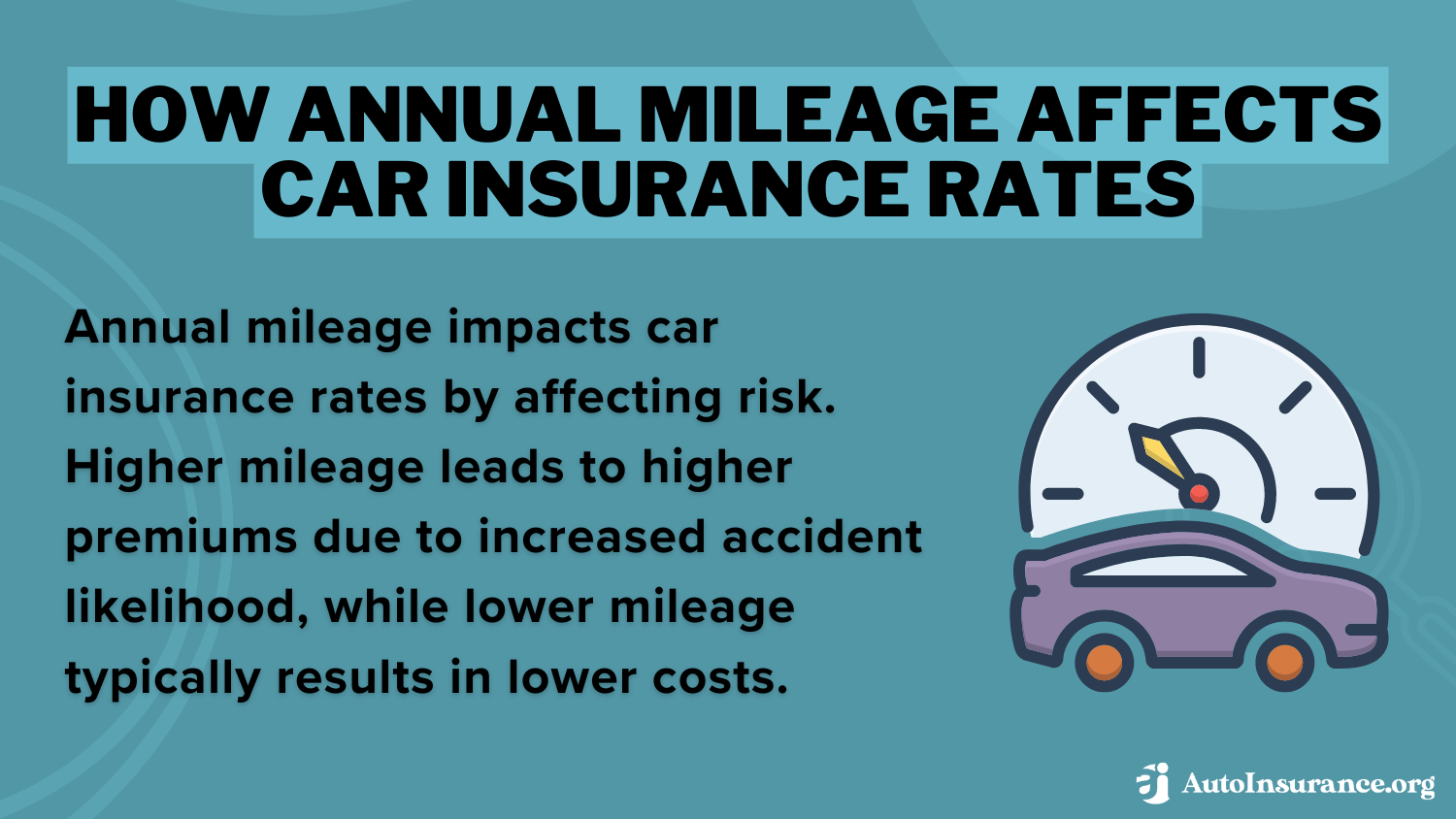
Insurers often inquire about annual mileage. Many seniors who have retired or downsized their social activities drive significantly fewer miles than they did during their working years. Lower mileage exposure is often a favorable metric, potentially leading to lower premiums. Conversely, if driving patterns show signs of erratic travel times or increased reliance on the vehicle for essential errands that involve high-traffic congestion, the risk calculation shifts.
3. State-Mandated Licensing Requirements
Insurance companies are heavily influenced by state-specific license renewal laws. For instance, in states where drivers over the age of 75 must renew their licenses in person or undergo mandatory vision screenings, insurers are more confident in the state’s oversight. If your state requires a physician’s certification for license renewal, the insurance company will effectively rely on that certification to validate your continued eligibility for coverage.
Comparing Risk Profiles Across Age Groups
The transition from being a standard-risk driver to being categorized as a high-risk or "senior-risk" driver is rarely a sudden event. It is a gradual process of data accumulation. The table below outlines how common metrics typically influence insurance assessments for older adults compared to other age brackets.
| Factor | Young/Novice Drivers | Middle-Aged Drivers | Senior Drivers (75+) |
|---|---|---|---|
| Primary Risk Indicator | Lack of experience | Frequency of commute | Physical/Cognitive health |
| Premium Sensitivity | Highly sensitive to history | Stable / Low impact | Sensitive to claims frequency |
| License Validity | Standard testing | Standard renewal | Often requires more frequent testing |
| Underwriting Focus | Accident avoidance training | Credit-based scoring | Physical fitness to operate |
The Role of Medical Evaluations and Driving Assessments
In 2026, many insurance carriers provide incentives for drivers to undergo supplemental safety evaluations. If you find your premiums increasing significantly due to age-related risk perceptions, you may be able to mitigate these costs by proactively demonstrating your capability.
Some insurers offer discounts for completion of mature driver safety courses. These programs—often administered by organizations like AARP—review changes in traffic laws, vehicle technology, and defensive driving techniques tailored specifically for seniors. Beyond simple discounts, these courses can serve as tangible evidence of a commitment to safe driving, which can be helpful if an insurer is performing a discretionary review of a policyholder’s file.
If a physician has documented that a driver has a condition that may affect driving—such as compromised vision, slowed reaction times, or the use of medications that cause drowsiness—it is imperative to notify the insurer or the DMV. Failing to disclose medical conditions that impact your ability to drive can lead to a denial of claims if an accident occurs, essentially voiding your insurance protection when you need it most.
Troubleshooting Coverage Challenges
If you encounter difficulty securing or renewing insurance, consider the following steps to ensure you remain covered:
- Request a Detailed Explanation: If your insurer threatens non-renewal, demand an explanation in writing. Understanding whether the decision is based on a specific accident, a change in vehicle type, or a general assessment of age-related risk is vital.
- Explore Specialized Carriers: Some insurance companies specialize in policies for senior citizens. These carriers often have more flexible underwriting guidelines for older drivers and may provide better value than general-market providers.
- Consult an Independent Insurance Agent: Captive agents work for one company, while independent agents can shop your profile across dozens of carriers. They have the expertise to identify which companies view senior-aged applicants favorably.
- Consider Voluntary Vehicle Assessments: In some instances, adjusting the vehicle you drive—moving from a high-performance vehicle to a modern, safety-feature-rich vehicle—can alleviate insurer concerns about your ability to handle the car.
Legal and Ethical Considerations
It is important to understand that anti-discrimination laws protect consumers, but these laws generally do not prohibit insurers from using actuarial data to set rates. You are protected from being dropped because of your age alone, but you are not protected from rates that adjust based on statistically higher risks.
If you suspect you are being unfairly targeted or harassed by an insurer regarding your age, you may contact your state’s Department of Insurance. Every state maintains a consumer advocacy division dedicated to ensuring that insurance companies adhere to filed, approved rate structures and fair practice regulations.
Managing Transitions in Mobility
Ultimately, the goal of auto insurance is to protect your assets and provide financial security in the event of an accident. As you navigate the later stages of driving, maintain open communication with your primary care physician and your insurance representative.
If you or a family member reaches a point where driving is no longer advisable due to medical directives, your focus should shift from managing insurance premiums to ensuring safe alternative transportation. This might include exploring community transit programs, ride-sharing services, or family-supported mobility options. Preparing for these transitions is just as important as maintaining insurance coverage, as it ensures that your independence remains supported by safe and reliable transport, regardless of your ability to operate a private vehicle.
Frequently Asked Questions
Does my auto insurance rate automatically go up when I hit a certain age? No, there is no universal "age tax" in auto insurance. While statistics suggest that accident frequency can increase for drivers over 75, many seniors continue to receive low rates by maintaining excellent driving records, choosing safe vehicles, and limiting their total annual mileage.
Can an insurance company cancel my policy just because I am 85 years old? No. Insurance companies are regulated by state law and cannot cancel policies based on age alone. They must provide a valid, statutory reason for non-renewal, such as a high volume of accidents, license revocation, or failure to pay premiums.
What is a "mature driver" safety course and how does it help? A mature driver course is a specialized training program designed to refresh senior drivers on road rules and defensive strategies. Many states mandate that insurance companies provide a premium discount to seniors who complete these state-approved courses, as they demonstrate proactive safety management.
Should I report a medical diagnosis to my insurance company? If the diagnosis impacts your ability to drive safely, you generally have a duty of disclosure. If you are involved in an accident and it is discovered that a known medical condition contributed to the event, the insurer may deny the claim. Always consult with your doctor regarding your medical fitness to drive.
How can I find an insurance provider that is friendly toward senior drivers? Look for providers that emphasize "senior discounts" or "low-mileage programs" in their marketing. Working with an independent broker allows you to compare multiple quotes and specifically request companies that have favorable internal underwriting policies for drivers in your age bracket.
Next Steps for Policyholders
If you are approaching a milestone age or have concerns regarding your current policy, the most effective next step is to request a "coverage review" with your agent. Ask them specifically if there are any upcoming changes to your policy guidelines, how your current driving record is impacting your premium, and what discounts you may be eligible for based on your current driving habits. Maintaining this proactive dialogue ensures that you are prepared for any market changes and remain adequately protected on the road.