An Africa bicycle safari offers a unique, immersive alternative to traditional vehicle-based game drives, allowing travelers to experience the continent’s landscapes and wildlife at a human pace. These expeditions range from leisurely rides in predator-free zones to challenging multi-day mountain bike treks across remote wilderness areas, requiring careful planning regarding safety, logistics, and regional seasonality.
The Evolution of the African Cycling Experience
The concept of the "bicycle safari" has matured significantly by 2026. Historically, wildlife viewing was strictly confined to heavy 4x4 vehicles due to safety regulations and the sheer scale of the terrain. However, the demand for low-impact, sustainable tourism has led many national parks and private reserves to develop dedicated cycling corridors. This shift allows for a more sensory experience—the crunch of acacia pods under tires, the scent of wild sage, and the unfiltered sounds of the bush—that a combustion engine inherently masks.
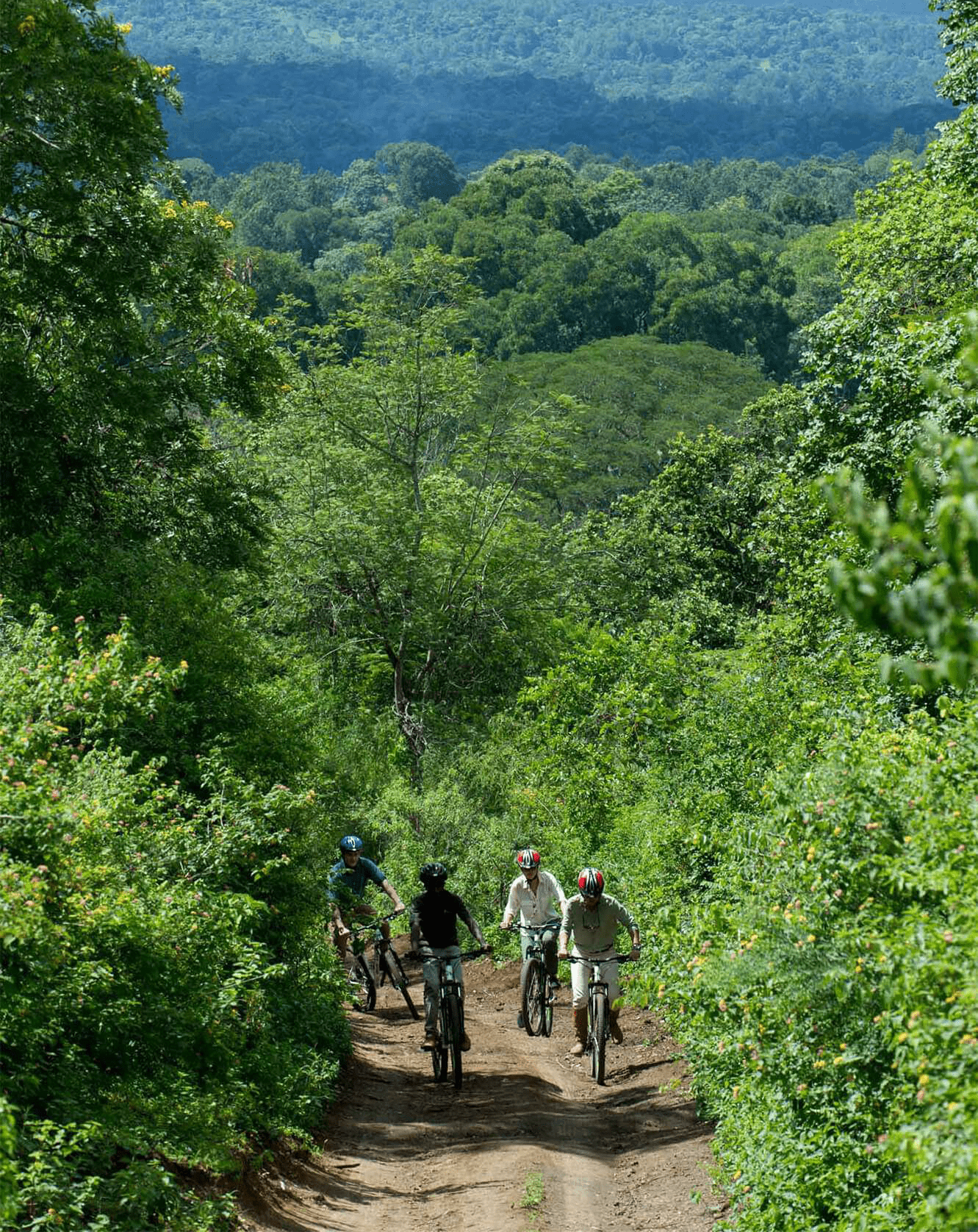
Modern bicycle safaris are no longer reserved for elite athletes. The widespread integration of high-performance electric mountain bikes (e-MTBs) into safari fleets has democratized access, allowing travelers of varying fitness levels to navigate sandy tracks and undulating hills. Furthermore, conservation efforts have benefited from this trend; cycling tours typically have a smaller carbon footprint and cause less soil compaction and noise pollution than traditional motorized tours.
Primary Destinations for Bicycle Safaris in 2026
Choosing the right location depends on the desired balance between technical cycling, wildlife density, and landscape variety. Several regions have established themselves as leaders in the cycling safari niche.
Kenya: Hell’s Gate and Beyond
Hell’s Gate National Park remains one of the few places in East Africa where visitors can cycle alongside zebras, giraffes, and buffaloes without an armed ranger, thanks to the absence of large predators like lions. By 2026, the infrastructure around the nearby Great Rift Valley has expanded, offering "Bike and Hike" packages that combine cycling to the gorge with climbing the volcanic plugs. For more seasoned riders, the Laikipia Plateau offers rugged terrain where guided tours utilize support vehicles to navigate areas with higher predator concentrations.
Botswana: The Mashatu Wilds
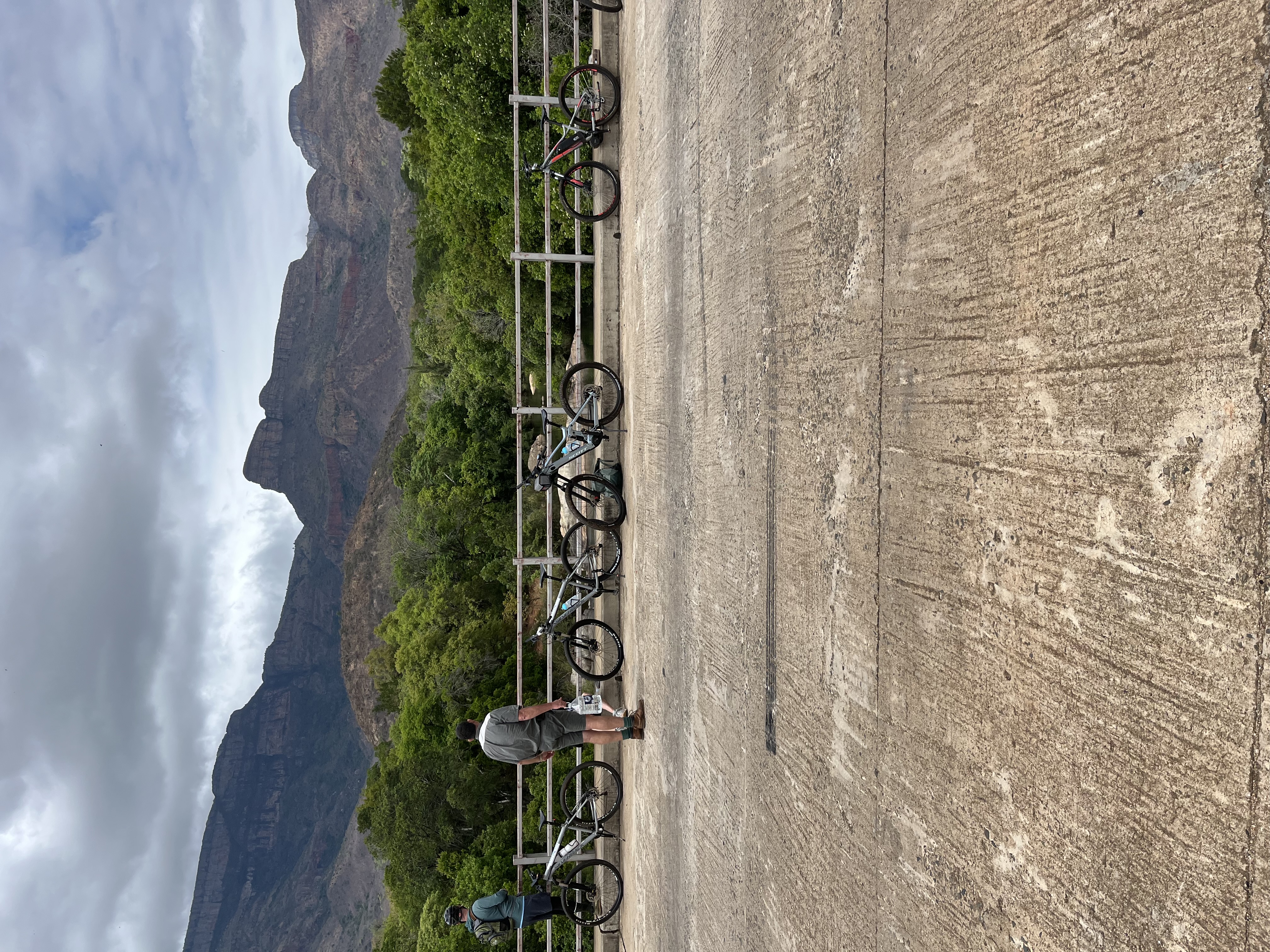
The Northern Tuli Game Reserve, specifically Mashatu, is often cited as the premier destination for mountain bike enthusiasts. Known as the "Land of the Giants," it provides an open landscape that allows for excellent visibility. Cycling here is strictly guided by professional rangers who are experts in animal behavior. Riders often encounter large herds of elephants and various antelope species. The terrain is characterized by ancient riverbeds and sandstone ridges, offering a technical challenge that rewards the rider with vast, prehistoric vistas.
South Africa: Diverse Terrains
South Africa offers the most varied cycling infrastructure on the continent. The Western Cape is famous for its "Wine and Wildlife" tours, where riders traverse manicured vineyards and coastal paths. Conversely, the borders of the Kruger National Park and various private reserves in the Limpopo province offer "Big Five" cycling experiences. These are highly regulated, typically involving a lead rider and a sweep vehicle to ensure safety.
Tanzania: The Manyara and Ngorongoro Highlands
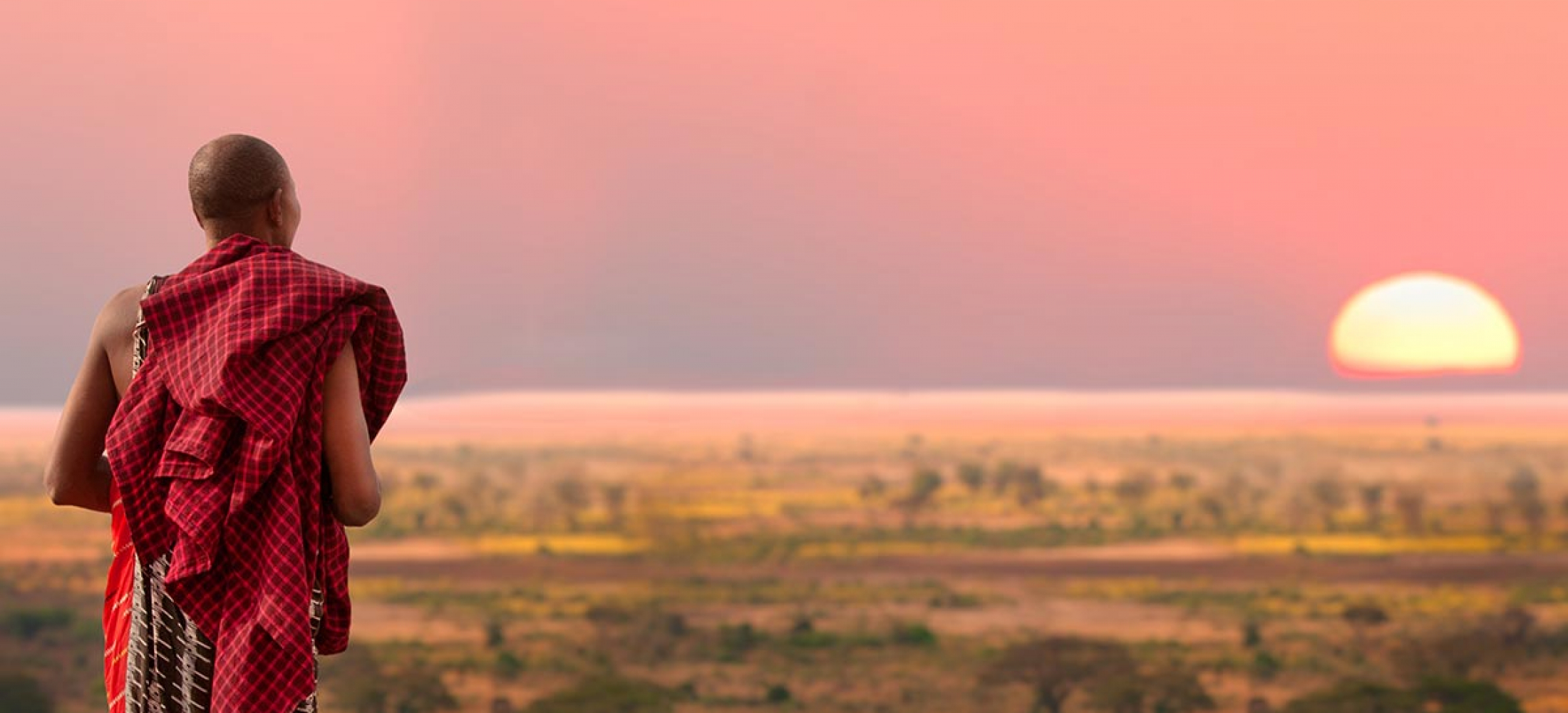
Tanzania focuses on cultural immersion alongside wildlife. Cycling routes often pass through Maasai villages (manyattas) on the way to the shores of Lake Manyara. The descent from the Ngorongoro Highlands provides exhilarating elevation drops and views of the crater rim, though cycling inside the actual crater remains prohibited for safety and conservation reasons.
Technical Requirements and Gear Specifications
A successful bicycle safari requires equipment capable of handling "African thorns" (Acacia tortilis) and corrugated dirt roads. By 2026, standard rental fleets have moved toward specific configurations to ensure reliability in the bush.
- Bike Geometry: Most operators utilize hardtail mountain bikes for gravel paths, but full-suspension bikes are highly recommended for multi-day wilderness treks to reduce rider fatigue from "washboard" road surfaces.
- Tire Systems: Tubeless tires are non-negotiable. The prevalence of thorns and sharp volcanic rock means standard inner tubes will fail almost immediately. High-quality sealant (at least 120ml per tire) is the industry standard.
- Gearing: A wide-range 1x12 drivetrain is preferred for its simplicity and ability to handle steep, sandy inclines.
- E-Bike Integration: 2026 models of e-MTBs used in safaris feature high-capacity batteries (700Wh+) to account for the lack of charging infrastructure in remote bush camps. Solar-powered charging stations are now common at many eco-lodges.
| Destination | Terrain Type | Wildlife Focus | Difficulty Level | Best Time to Visit |
|---|---|---|---|---|
| Hell's Gate, Kenya | Volcanic/Gravel | Giraffe, Zebra, Buffalo | Easy to Moderate | June - October |
| Mashatu, Botswana | Sand/Riverbeds | Elephants, Lions, Leopard | Moderate to Hard | May - September |
| Garden Route, SA | Coastal/Forest | Marine life, Antelope | Easy | Year-round |
| Manyara, Tanzania | Dust/Highland | Flamingos, Elephants | Moderate | July - October |
| Damaraland, Namibia | Desert/Rocky | Desert Elephant, Rhino | Hard | May - August |
Safety Protocols and Wildlife Etiquette
Cycling in proximity to wild animals requires a strict adherence to safety protocols. Unlike a vehicle, a bicycle does not provide a physical barrier, nor is it perceived by animals as a single, large entity.
- Maintain Distance: The golden rule of the bush is to respect the "comfort zone" of the animal. If an animal stops what it is doing to look at you, you are too close.
- The "Sweep" System: Guided tours utilize a lead guide (often armed or carrying high-strength deterrents) and a "sweep" vehicle. The vehicle follows at a distance, carrying water, first aid, and providing a retreat option if a dangerous animal is encountered on the trail.
- Group Cohesion: Riders must stay together. A single cyclist is more likely to be perceived as prey or a threat than a compact group of riders.
- Noises and Signals: Guides use specific verbal cues or whistles to signal the presence of wildlife. Sudden movements and high-pitched screaming are discouraged, as these can trigger a flight-or-fight response in predators and mega-herbivores.
Logistics: Planning and Budgeting
Planning an Africa bicycle safari involves more than just booking a flight. In 2026, the logistics of these trips have become more streamlined, but several factors still dictate the cost and feasibility.
Visas and Health
Most African safari hubs (Kenya, Tanzania, Botswana, South Africa) require electronic visas (e-Visas) which should be secured at least 30 days prior to departure. Regarding health, yellow fever certificates are often mandatory for entry if traveling between African countries. Malaria prophylaxis is strongly recommended for most cycling routes, particularly those near water sources like the Okavango Delta or Lake Manyara.
Pricing Tiers
- Budget ($150 - $300 per day): Typically involves self-supported day trips from a central hub or staying in basic campsites. Rental bikes may be older models.
- Mid-Range ($400 - $750 per day): Includes professional guides, support vehicles, mid-tier lodge or "glamping" accommodation, and modern mountain bikes or e-bikes.
- Luxury ($1,000+ per day): Private concessions, helicopter transfers to remote trailheads, gourmet bush meals, and the latest high-end e-bike technology with dedicated mechanical support.
Environmental and Community Impact
The rise of the bicycle safari is closely tied to the "Community-Based Natural Resource Management" (CBNRM) model. Many cycling routes pass through community-owned lands rather than strictly government-run national parks. This allows a greater portion of the tour fees to go directly to local villages. Cyclists often have the opportunity to visit schools or conservation projects, providing a more rounded perspective of life in rural Africa than is possible from the window of a closed vehicle.
By 2026, many operators have implemented "Leave No Trace" cycling policies, ensuring that trails are maintained to prevent erosion and that all waste is removed from wilderness areas. This commitment to sustainability ensures that the landscapes remains viable for both wildlife and future generations of adventurers.
Frequently Asked Questions
Is it safe to cycle near lions and leopards?
Cycling in areas with high predator densities is only permitted with highly trained guides and often with a support vehicle nearby. Lions generally do not view humans on bicycles as natural prey, but they are opportunistic. Safety is maintained by avoiding thick brush where predators might hide and ensuring all cycling happens during daylight hours when visibility is highest.
What level of fitness is required for a bicycle safari?
Fitness requirements vary by tour. A day trip in Hell's Gate requires only basic fitness, similar to a weekend park ride. However, multi-day treks in Botswana or Namibia require high cardiovascular endurance and the ability to handle heat. The availability of e-bikes has significantly lowered the barrier to entry, making moderate-level tours accessible to most active adults.
Should I bring my own bike or rent one?
Unless you are a professional racer or have a very specific technical requirement, renting is recommended. International bike shipping is expensive and carries the risk of damage or customs delays. Most reputable operators in 2026 provide high-spec, well-maintained bikes specifically tuned for local conditions (e.g., tubeless tires and heavy-duty suspension).
What is the best time of year for a cycling safari?
The dry season (typically May to October for East and Southern Africa) is the best time. The roads are less muddy, wildlife concentrates around known water holes (making them easier to spot), and the temperatures are more manageable. Cycling during the "Green Season" (rainy season) can be extremely difficult due to thick mud and high humidity.
Can children participate in bicycle safaris?
Yes, but with age restrictions. Most guided tours in wilderness areas have a minimum age requirement of 12 or 16 due to safety protocols and the physical demands of the ride. Some family-friendly parks like Hell's Gate or South Africa's coastal paths offer options for younger children, including towed trailers or smaller mountain bikes.
Recommendation for Next Actions
If you are considering an Africa bicycle safari, the first step is to determine your priority: wildlife viewing or technical cycling. For those prioritizing wildlife, a guided tour in the Mashatu Game Reserve (Botswana) or the Laikipia Plateau (Kenya) provides the best balance of safety and animal encounters. For those seeking a mix of culture and scenery with moderate physical challenge, the "Congo Nile Trail" in Rwanda or the many paths around Lake Manyara in Tanzania are excellent starting points.
Before booking, verify that your tour operator is registered with the national tourism board of the host country and carries comprehensive public liability insurance. Always consult a travel clinic at least six weeks before departure to ensure all vaccinations and malaria preventatives are up to date for the specific regions you will visit in 2026.