Finding affordable foundation and home repair services in Alabama requires an understanding of the state's unique geological challenges, local contracting standards, and cost management strategies. Property owners facing structural issues can navigate repairs cost-effectively by identifying early warning signs, vetting licensed professionals, and exploring financing options tailored to regional soil and weather conditions.
Understanding Alabama’s Unique Geotechnical Challenges
Homeowners in Alabama encounter specific geological conditions that directly impact the structural integrity of residential foundations. The state's diverse geography—ranging from the Black Belt region's expansive clay to the sandy coastal soils of the south—creates an environment where foundation movement is common.
Expansive Clay and Soil Mechanics
Much of central and western Alabama, particularly the Black Belt, features highly expansive clay soils. These soils absorb significant amounts of water during the rainy seasons, causing them to swell significantly. Conversely, during hot, dry summer months, the soil shrinks as moisture evaporates. This continuous cycle of expansion and contraction exerts immense lateral and vertical pressure on concrete slab foundations, brick masonry, and basement walls, leading to shifting, settling, and cracking.
Climate and Moisture Management
Alabama experiences high annual rainfall, frequent tropical weather systems, and high humidity levels. Excessive moisture accumulation around a home's perimeter softens the load-bearing soil beneath the foundation. Without proper drainage systems, such as functional gutters, downspout extensions, and sloping landscape grading, water saturates the soil and compromises structural support. Addressing drainage is often the most cost-effective preventative measure a homeowner can take before investing in expensive structural remediation.
Recognizing the Early Signs of Foundation Distress
Detecting foundation problems early can prevent minor cosmetic cracks from evolving into catastrophic structural failures. Homeowners should conduct regular visual inspections of both the exterior and interior of their properties.
[Exterior Inspection] --> Check for stair-step brick cracks, leaning chimneys, or misaligned rooflines. [Interior Inspection] --> Test interior doors/windows for sticking; inspect drywall for diagonal cracks. [Subfloor Assessment] --> Examine crawl spaces for dampness, sagging floor joists, or rust on steel piers.
Exterior Warning Signs
- Brick and Mortar Cracks: Stair-step cracking running through mortar joints in brick veneer is a classic indicator of differential settlement.
- Separation: Gaps appearing between exterior walls and door or window frames, or where additions meet the main structure.
- Leaning Elements: Chimneys that tilt away from the house or porch columns that pull away from the roofline.
Interior Warning Signs
- Sticking Doors and Windows: Doors that fail to latch properly or windows that become difficult to open often indicate that the frame has gone out of square due to foundation movement.
- Drywall Fractures: Cracks that run diagonally from the corners of doors and windows, particularly on upper and lower levels.
- Uneven Flooring: Sloping or sagging floors in homes built on crawl spaces or concrete slabs.
Types of Foundation Repair Methods and Estimated Costs
When structural intervention is necessary, contractors utilize various engineering methods depending on the severity of the damage and the soil composition. Understanding these techniques helps homeowners evaluate contractor proposals and manage project expenses.
| Repair Method | Primary Application | Description | Cost Range (Estimated) |
|---|---|---|---|
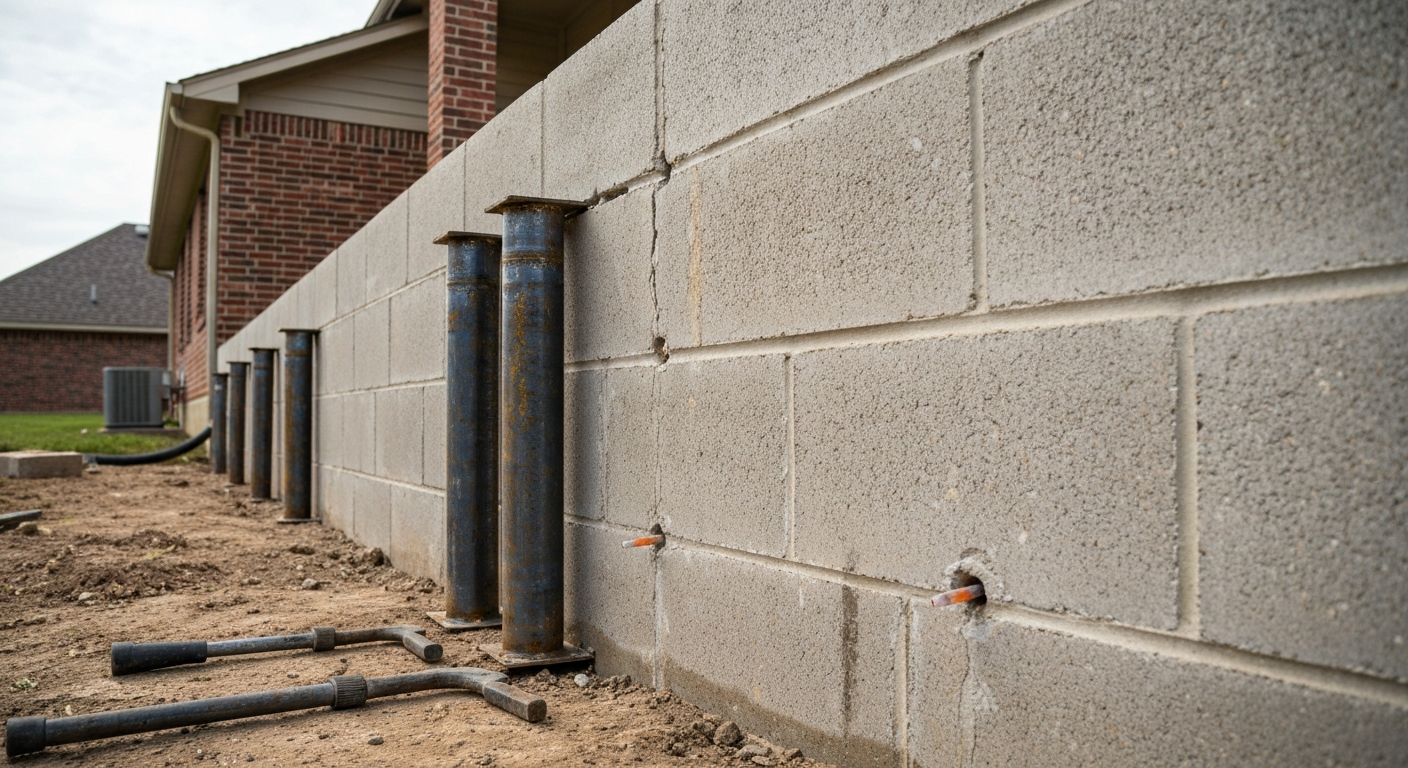
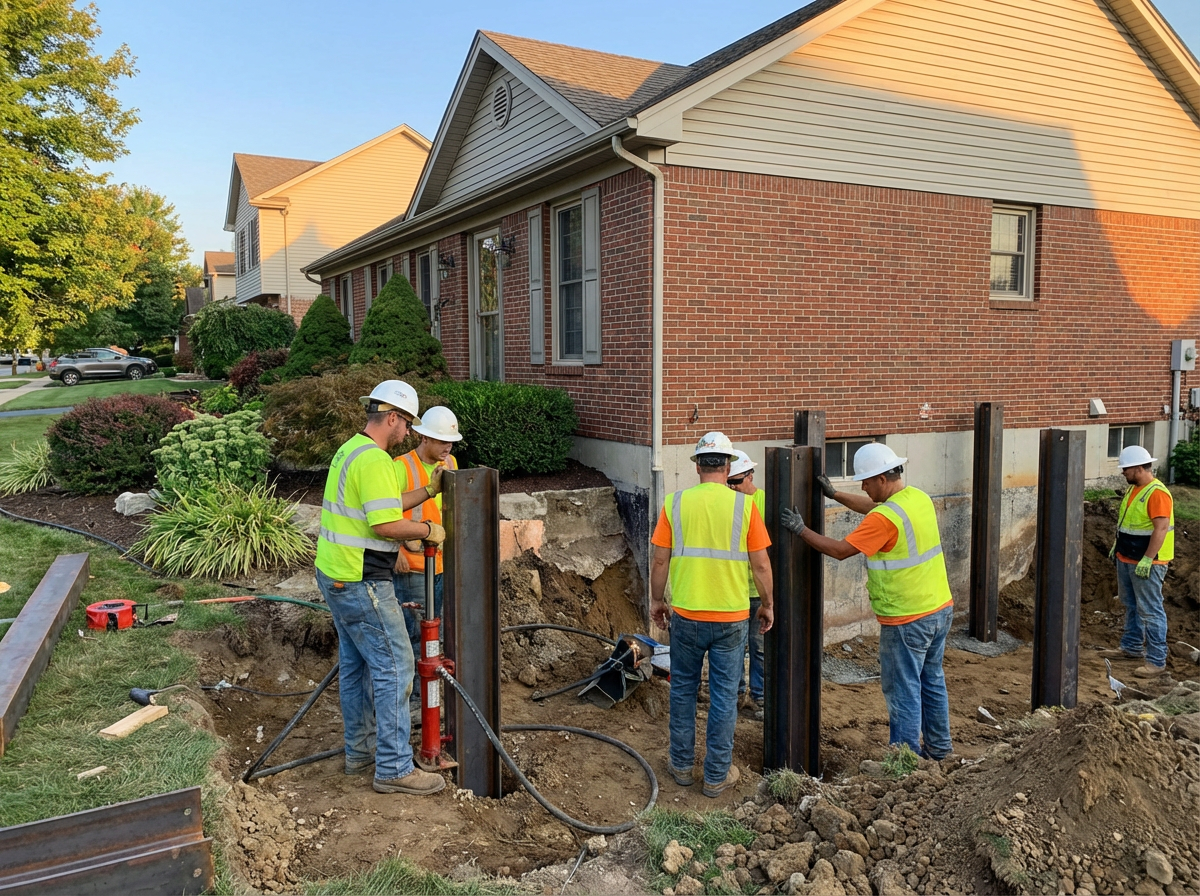
| Steel Push Piers | Sinking or settling foundations | Driven deep into load-bearing strata to lift and stabilize the structure. | $1,500 – $3,000 per pier |
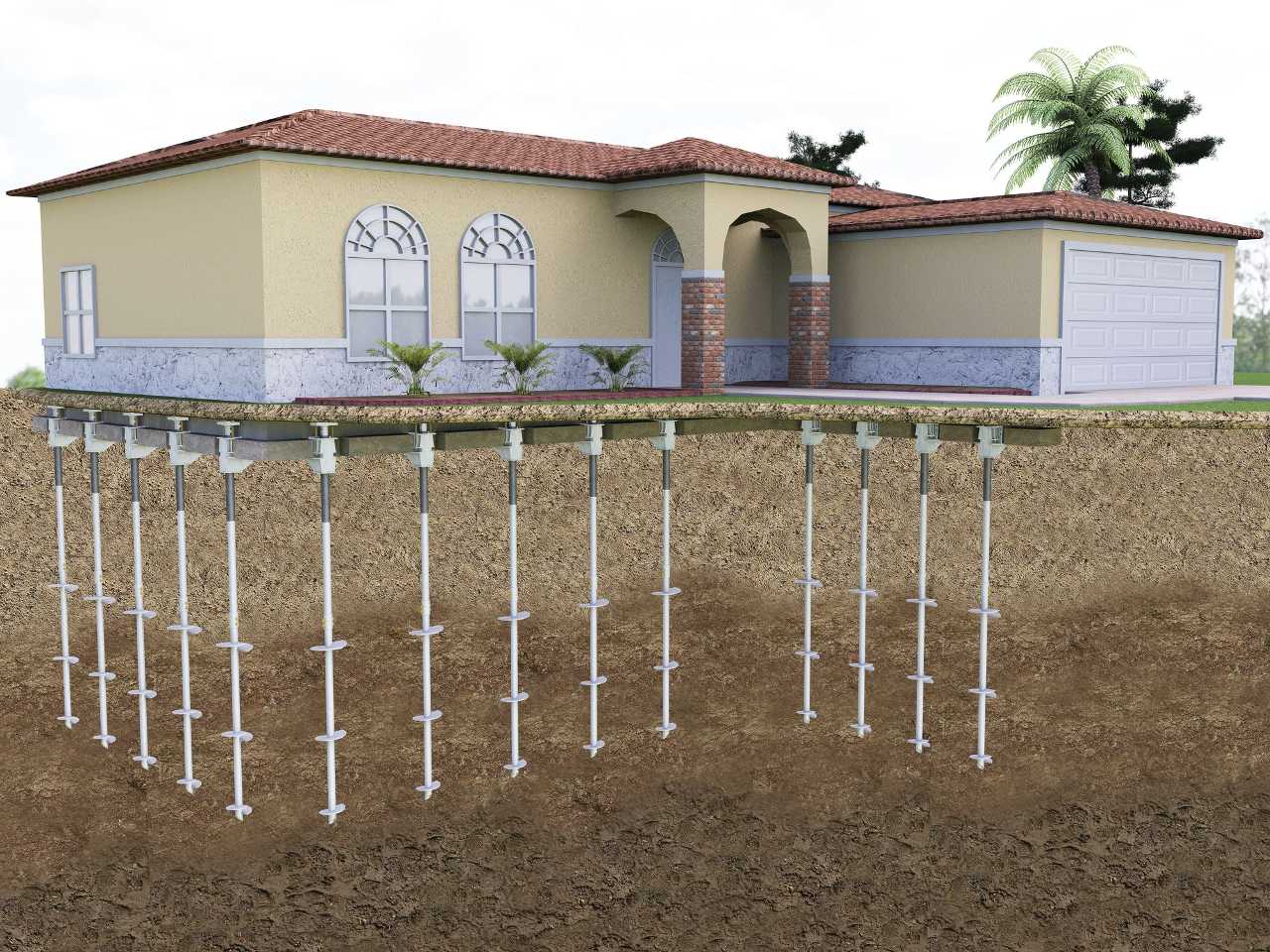
| Helical Piers | Lighter structures, porches, and chimneys | Screw-like steel shafts twisted into the ground for immediate load support. | $2,000 – $4,500 per pier |
| Carbon Fiber Straps | Bowed or cracked basement/crawl space walls | High-tensile strips epoxy-bonded to walls to halt inward movement. | $500 – $1,000 per strap |
| Mudjacking / Slab Jacking | Sunken concrete slabs (porches, garages, sidewalks) | Pumping a stabilizing slurry beneath the slab to raise it to level grade. | $600 – $2,500 total |
| Drainage Solutions | Moisture-induced foundation pressure | Installing French drains, sump pumps, and surface grading to divert water. | $2,000 – $6,000 total |
How to Find Affordable and Reputable Contractors in Alabama
Securing affordable home repair does not mean cutting corners; rather, it involves thorough research, competitive bidding, and verifying contractor credentials to avoid predatory pricing or substandard workmanship.
Licensing and Regulatory Requirements in Alabama
In Alabama, home repair and improvement contractors performing work exceeding $10,000 must be licensed by the Alabama Licensing Board for General Contractors (for commercial or large residential projects) or the Home Builders Licensure Board of Alabama (HBLB) for residential remodeling and structural repairs. Homeowners should verify a contractor's license number directly through the HBLB online database to ensure they are legally authorized to perform structural work.
Vetting and Bidding Best Practices
- Get Multiple Estimates: Obtain at least three detailed, written estimates from local, established foundation repair companies. Ensure each quote outlines the specific engineering methods, materials, and warranty terms.
- Beware of High-Pressure Sales: Reputable structural engineers and contractors provide transparent evaluations without forcing immediate, same-day signing bonuses or high-pressure scare tactics.
- Check Insurance Coverage: Verify that the contractor carries both general liability insurance and workers' compensation insurance to protect your property and prevent homeowner liability during workplace accidents.
- Examine Warranty Terms: Look for transferable structural warranties. Companies that stand behind their work typically offer warranties that remain valid even if the property is sold.
Financing Options for Major Home Repairs
Because foundation and structural repairs can be costly, many Alabama homeowners rely on specialized financing programs to spread expenses over manageable monthly payments.
- Home Equity Loans and HELOCs: Leveraging accumulated home equity often provides lower interest rates for major renovation projects.
- Contractor Financing Plans: Many structural repair companies partner with third-party lenders to offer promotional financing, such as zero-interest periods or low monthly payment installments.
- FHA Title I Loans: Government-backed loans specifically designed for home repairs and property improvements, which can be secured even with modest home equity.
- Disaster Assistance and Grants: Following severe weather events, state and federal relief programs (such as those managed by FEMA or the Alabama Emergency Management Agency) may offer temporary assistance or low-interest loans for disaster-related structural damage.
Frequently Asked Questions
How much does foundation repair typically cost in Alabama?
Foundation repair costs in Alabama vary widely based on the extent of the damage and the repair method required. Minor fixes, such as sealing surface cracks or installing localized drainage, may cost under $1,000, whereas major structural stabilization involving push or helical piers often ranges from $5,000 to $15,000 or more.
Should I hire a structural engineer before getting contractor quotes?
Hiring an independent structural engineer who does not perform construction work is often advisable for severe foundation damage. An engineer provides an unbiased assessment, creates a precise repair plan, and ensures that contractor bids match the actual engineering requirements of your property.
Does homeowners insurance cover foundation repair in Alabama?
Standard homeowners insurance policies in Alabama generally do not cover foundation damage caused by normal settling, wear and tear, or soil expansion. However, coverage may apply if the structural damage resulted directly from a covered peril, such as a sudden plumbing leak or specific storm-related events. Review your policy or consult your insurance agent for clarification.
How can I prevent foundation damage during Alabama's dry seasons?
Maintaining consistent soil moisture around your home's perimeter during drought conditions helps prevent soil shrinkage. Homeowners can use soaker hoses placed a few feet away from the foundation wall to keep clay soils stable during prolonged dry spells.
What is the difference between push piers and helical piers?
Push piers are heavy-duty steel pipes driven deep into stable soil or bedrock beneath the foundation, making them ideal for heavier structures experiencing settlement. Helical piers feature screw-like plates welded to the shaft, allowing them to be screwed into the ground. They are frequently used for lighter loads, porches, chimneys, or areas with limited vertical clearance.
Next Steps for Alabama Homeowners
If you suspect foundation or structural issues, begin by documenting existing cracks with photographs and measurements to monitor whether movement is active. Schedule evaluations with licensed local professionals who are familiar with Alabama's regional soil mechanics. Prioritize repairs that address the root cause of the problem—such as water drainage deficiencies—before investing in cosmetic patching or structural lifting.