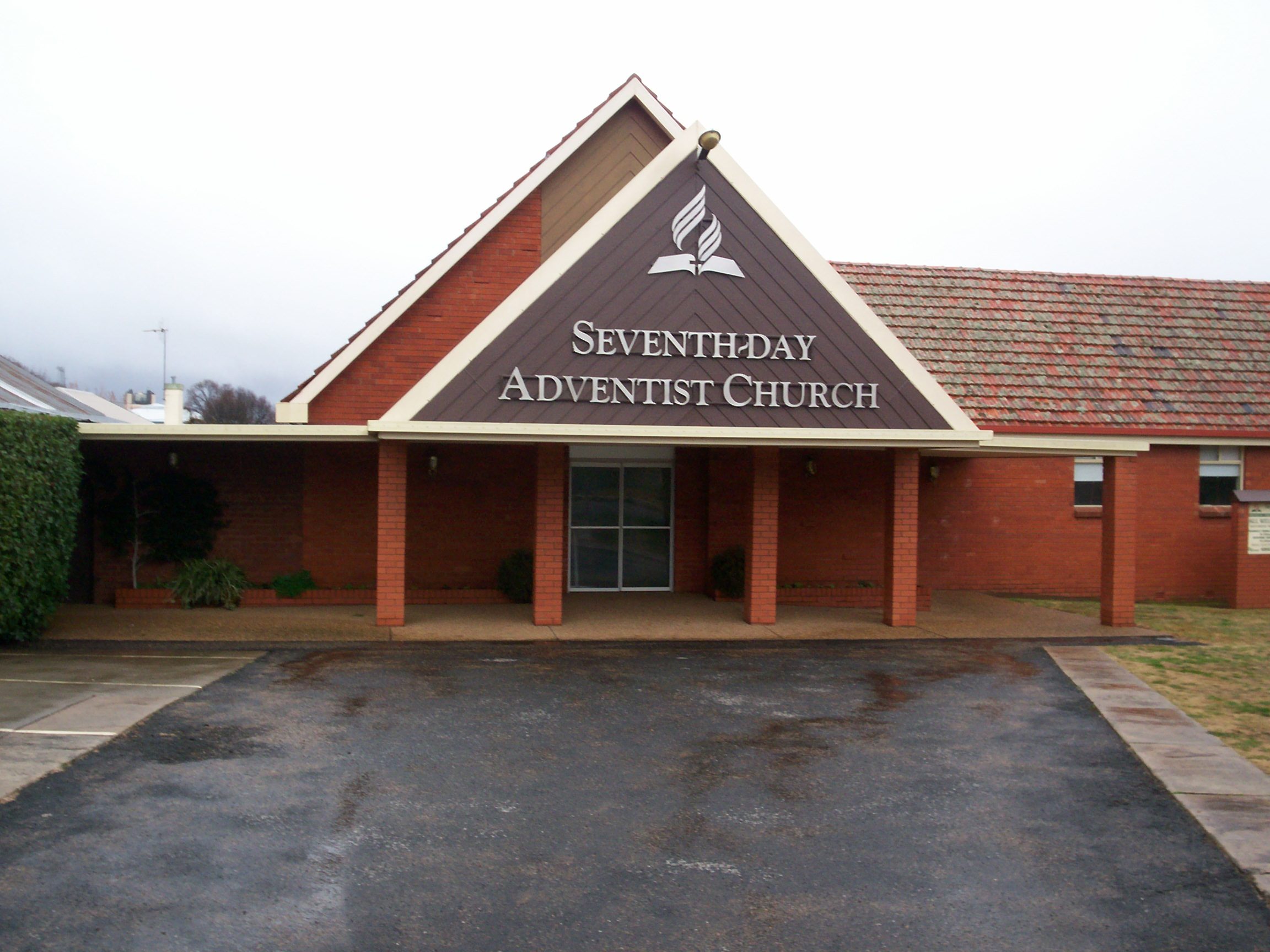
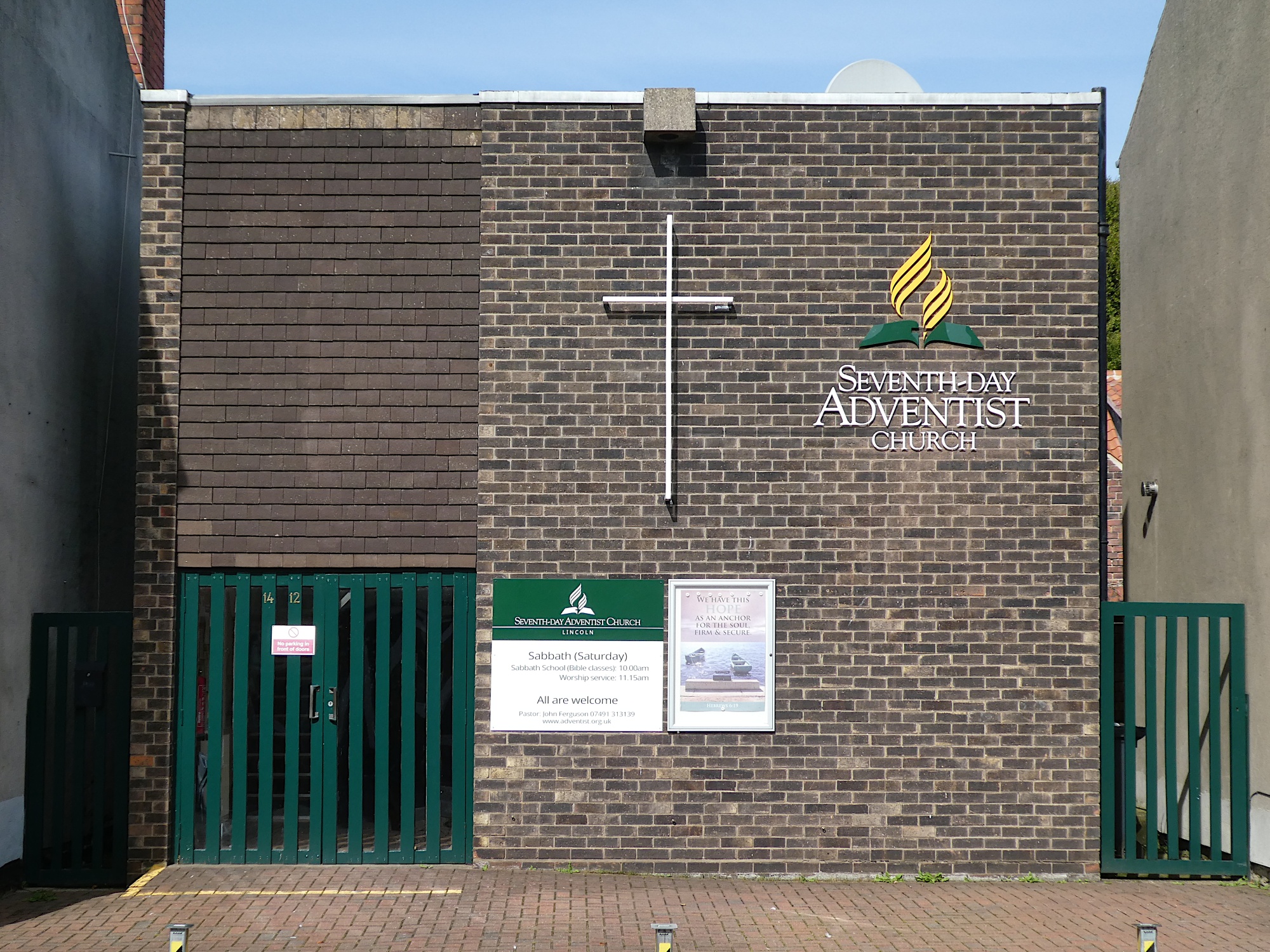
The net worth of the Seventh-day Adventist Church is a complex figure that encompasses billions of dollars in global real estate, educational institutions, healthcare networks, and publishing houses. Rather than being held in a single centralized bank account, these vast assets are distributed across a decentralized, representative organizational hierarchy spanning local conferences, union conferences, division headquarters, and the General Conference.
Evaluating the financial standing of a worldwide religious body requires looking beyond simple cash reserves. It demands an understanding of ecclesiastical asset management, self-sustaining institutional networks, localized tithe collection, and the specific structural separation between local church property ownership and overarching administrative bodies. This comprehensive analysis breaks down how Adventist finances are organized, how assets are valued, and the distinct nature of church wealth versus operational liquidity.
The Organizational Structure of Seventh-day Adventist Finances
To understand the financial footprint of the Seventh-day Adventist Church, one must first understand its governance structure. The church operates on a representative system of church government divided into four primary levels: the local church, the local conference (or mission/field), the union conference (or union mission), and the General Conference (the worldwide administrative body). Each level maintains its own financial autonomy, balance sheet, and legal incorporation, meaning there is no single corporate "net worth" figure published for the entire global denomination.
Money flows through this system primarily via a biblical tithe system, where members return ten percent of their increase to the local church, which then remits a designated percentage upward to the local conference, union, and General Conference. These funds are restricted for specific operational, ministerial, and missionary purposes. Consequently, the assets held at each tier belong strictly to that corporate entity rather than a monolithic global conglomerate.
| Organizational Tier | Primary Administrative Function | Typical Asset Composition | Financial Autonomy |
|---|---|---|---|
| Local Church | Congregational worship and community ministry | Local church buildings, land, local bank accounts | Operates local budget; remits tithe upward |
| Local Conference | Pastorial placement, regional evangelism, primary schools | School buildings, office real estate, conference funds | Manages regional tithe and local properties |
| Union Conference | Coordinates multiple conferences, secondary/higher education | Academies, regional administrative offices, trust funds | Oversees higher education and regional coordination |
| General Conference | Worldwide governance, global mission strategy, treasury | Global headquarters, publishing houses, world funds | Directs international missions and global policy |
Real Estate and Institutional Assets
The vast majority of the Adventist Church’s multi-billion-dollar valuation lies within its physical infrastructure. This includes thousands of local church buildings, administrative offices, and massive educational and healthcare networks. While major healthcare networks like AdventHealth operate as separate legal and financial entities with their own multi-billion-dollar operating budgets and assets, they maintain a denominational affiliation and operational alignment with the Adventist Church.
Educational real estate represents another substantial portion of the church's asset base. The Adventist Church operates one of the largest Protestant school systems in the world, including hundreds of elementary schools, secondary academies, colleges, and universities globally. Properties such as Andrews University, Loma Linda University, and regional boarding academies occupy extensive parcels of land and feature multi-million-dollar facilities designed for academic instruction, residential living, and scientific research.
Furthermore, administrative real estate—ranging from local conference office parks to the General Conference headquarters in Silver Spring, Maryland—contributes significantly to the fixed asset total. Because these properties are utilized for ongoing religious, educational, and charitable operations, they are largely tax-exempt under federal and local laws, and they are rarely liquidated for cash flow purposes.
Liquid Assets vs. Restricted Endowments
When analyzing organizational wealth, a critical distinction must be made between liquid capital and restricted endowments. Much of the cash flow within the Adventist Church is earmarked for specific operational mandates. For example, tithe funds received by conferences are systematically designated for ministerial salaries, evangelism, and administrative overhead. They cannot be freely reallocated to speculative investments or unrelated corporate ventures.
Endowments and trust funds held by Adventist institutions are typically governed by strict legal restrictions established by donors. These funds are invested conservatively—often adhering to ethical screening guidelines that reflect Adventist health principles (such as avoiding investments in alcohol, tobacco, gambling, and weapons)—with only the generated interest or a designated percentage of the principal used for scholarships, institutional development, or specific community programs. Therefore, high asset valuations do not equate to massive pools of spendable cash.
Financial Transparency, Auditing, and Accountability
Financial accountability is a core tenet of Seventh-day Adventist administration. Unlike private corporations, religious non-profits operate under public scrutiny and internal regulatory frameworks designed to protect member contributions. The General Conference Auditing Service (GCAS) functions as an independent auditing body that reviews the financial statements of conferences, unions, and institutional entities across the globe.
Independent audits ensure that funds are disbursed in accordance with denominational working policies and local legal requirements. Financial reports are regularly presented at constituency sessions—periodic meetings where delegates from local churches review financial statements, elect leadership, and vote on strategic initiatives. This multi-tiered oversight mechanism mitigates financial mismanagement and ensures that the utilization of assets remains transparent to the church membership.
Economic Impact and Community Investment
Beyond internal administration, the financial footprint of the Adventist Church extends deeply into community development, disaster relief, and humanitarian aid. Organizations such as the Adventist Development and Relief Agency (ADRA) manage substantial budgets derived from both denominational allocations and international governmental grants to execute long-term development projects and emergency responses worldwide.
Local congregations also invest heavily in community services, operating food pantries, thrift stores, community centers, and health seminars. While these activities draw upon member donations and volunteer labor, they represent a significant conversion of institutional resources into social capital. The net worth of the church is thus continuously deployed into active community engagement rather than accumulating passive wealth.
Frequently Asked Questions
What is the total net worth of the Seventh-day Adventist Church?
There is no single official global net worth figure for the entire Seventh-day Adventist Church. Because the denomination is decentralized, assets are held independently by thousands of local churches, conferences, unions, and institutional corporations around the world, making a consolidated global valuation practically and legally non-existent.
Do local churches own their buildings?
In most cases, local church properties are held in trust by the local conference corporation rather than the local congregation itself. This legal structure protects the property from local division or misuse and ensures that if a congregation disbands, the asset remains dedicated to denominational mission.
Are Adventist hospitals part of the church's net worth?
Healthcare systems like AdventHealth are affiliated with the Seventh-day Adventist Church and share its core values, but they operate as separately incorporated, self-sustaining legal entities. Their individual balance sheets and multi-billion-dollar assets are legally distinct from the administrative budgets of church conferences and the General Conference.
How are church funds monitored and audited?
The church utilizes the General Conference Auditing Service (GCAS), an independent auditing organization that routinely reviews the financial records of conferences, unions, and institutional entities to ensure compliance with denominational policy and financial integrity.
Do Adventist church leaders receive high corporate salaries?
Administrative and pastoral salaries within the Adventist Church are determined by executive committees using standardized wage scales based on education, experience, and regional cost of living. These salaries are modest compared to secular corporate executives or prominent televangelists.
Conclusion and Financial Summary
The financial reality of the Seventh-day Adventist Church is defined by a vast network of decentralized assets dedicated to ministry, education, and healthcare rather than centralized corporate wealth. While its collective global infrastructure—comprising properties, schools, and administrative facilities—represents billions of dollars in fixed value, this wealth is strictly bound by legal trusts, denominational policies, and operational mandates. Understanding this structure prevents misconceptions about church finances, highlighting an ecosystem designed for sustained global mission rather than commercial accumulation.