Life insurance is generally the best choice for comprehensive financial protection because it pays out regardless of whether the insured dies from natural causes, illness, or an accident. Accidental Death and Dismemberment (AD&D) insurance is significantly cheaper but only pays benefits if death or qualified severe injury results directly from a covered accident.
Understanding the Basics: Life Insurance vs. AD&D
When building a personal safety net, consumers frequently evaluate Accidental Death and Dismemberment (AD&D) coverage alongside traditional life insurance. While both financial products deliver cash benefits to beneficiaries after a tragic event, they function under entirely different legal definitions, underwriting standards, and payout rules.
What Is Life Insurance?
Traditional life insurance is a contractual agreement between a policyholder and an insurer. In exchange for regular premium payments, the insurer guarantees a death benefit to named beneficiaries if the insured person dies while the policy is active.
Life insurance is designed to cover almost all causes of death, including natural causes (such as heart disease, cancer, or old age), illnesses, and accidents. It is broadly categorized into two main structures:
- Term Life Insurance: Provides coverage for a specific period (such as 10, 20, or 30 years). If the insured passes away during the term, the policy pays the full face amount. If the term expires while the insured is alive, coverage terminates unless renewed.
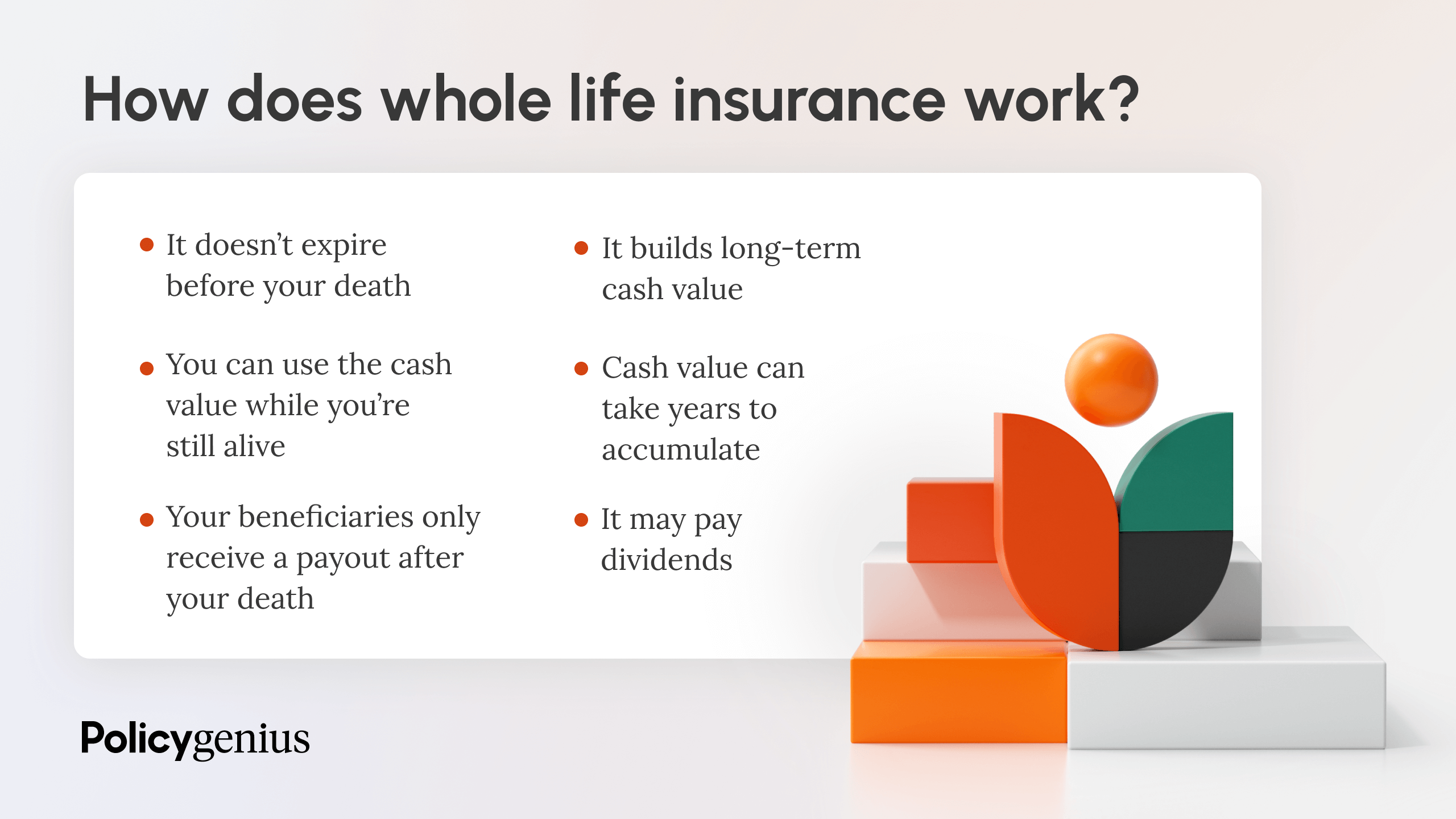
- Permanent Life Insurance: Provides lifelong protection as long as premiums are paid. Examples include whole life and universal life. These policies often incorporate a cash value component that grows tax-deferred over time.
What Is Accidental Death and Dismemberment (AD&D) Insurance?
Accidental Death and Dismemberment (AD&D) insurance is a narrow form of supplemental coverage. It pays a monetary benefit under two specific circumstances: if the insured dies as a direct result of a covered accident, or if the insured suffers severe physical injuries such as the loss of a limb, paralysis, or complete loss of sight, speech, or hearing.
AD&D is strictly limited by its legal cause-of-death requirements. If an individual holds an AD&D policy and dies from cancer, a heart attack, a stroke, an infection, or natural aging, the insurer pays nothing.
Key Differences Between AD&D and Life Insurance
To decide which policy fits your financial strategy, it is essential to understand how these two forms of coverage compare across coverage scope, living benefits, underwriting, and pricing.
- COVERAGE BREADTH COMPARISON
- TRADITIONAL LIFE INSURANCE
- Illness
- Disease
- Medical Conditions
- Accidents
- AD&D INSURANCE
- Accidents Only
- TRADITIONAL LIFE INSURANCE
Scope of Coverage and Trigger Events
The single largest distinction between traditional life insurance and AD&D is the condition required to trigger a benefit payout.
- Life Insurance Triggers: A death benefit is triggered by almost any cause of death. Except for specific policy exclusions (such as suicide during the initial contestability period, typically the first two years), life insurance covers death stemming from medical conditions, chronic illnesses, infectious diseases, surgical complications, and physical accidents.
- AD&D Triggers: Benefits are paid only when an injury or death is the direct result of an external, violent, unexpected, and accidental event. According to industry statistics compiled by the Centers for Disease Control and Prevention (CDC), non-intentional injuries account for only a small fraction of overall annual mortality in the United States, while heart disease and cancer remain the leading causes of death. Consequently, AD&D leaves a substantial portion of mortality risks uninsured.
Living Benefits and Dismemberment Schedules
Standard life insurance policies primarily focus on providing a lump-sum death benefit upon the policyholder's passing. While some term and permanent policies offer accelerated death benefit riders for terminal or chronic illnesses, traditional life insurance does not automatically pay out for non-fatal physical injuries.
In contrast, AD&D includes living benefits based on a predefined dismemberment schedule. The policy designates a maximum coverage amount, known as the Principal Sum. If the insured suffers a qualifying injury in an accident but survives, the policy pays a percentage of the principal sum (sometimes referred to as the Capital Sum):
- 100% of Principal Sum: Loss of two limbs, total and irreversible loss of sight in both eyes, or complete quadriplegia.
- 50% of Principal Sum: Loss of one hand, one foot, or total loss of sight in one eye.
- 25% of Principal Sum: Loss of index finger and thumb on the same hand (varies by carrier schedule).
Underwriting and Approval Requirements
Medical underwriting creates a major operational difference between the two insurance types:
- Life Insurance Underwriting: Insurers assess risk through medical history evaluations, prescription drug database checks, family medical history reviews, and often physical exams (blood and urine samples). Applicants with pre-existing medical conditions may face higher premiums or outright denial.
- AD&D Underwriting: AD&D insurance typically features guaranteed issue approval. Because the policy does not cover death from illness or pre-existing health conditions, insurers do not perform medical exams or review health records. As long as the applicant meets basic age requirements, acceptance is virtually guaranteed.
Cost and Pricing Dynamics
Because AD&D carries a significantly narrower scope of liability for the insurance company, it is much less expensive than traditional life insurance per dollar of coverage.
A healthy 30-year-old might purchase a $250,000 term life insurance policy for $15 to $25 per month, depending on health and lifestyle factors. In comparison, a $250,000 standalone AD&D policy might cost between $5 and $10 per month. However, the lower premium of AD&D reflects the substantially lower statistical likelihood of collecting a payout.
Detailed Feature Comparison
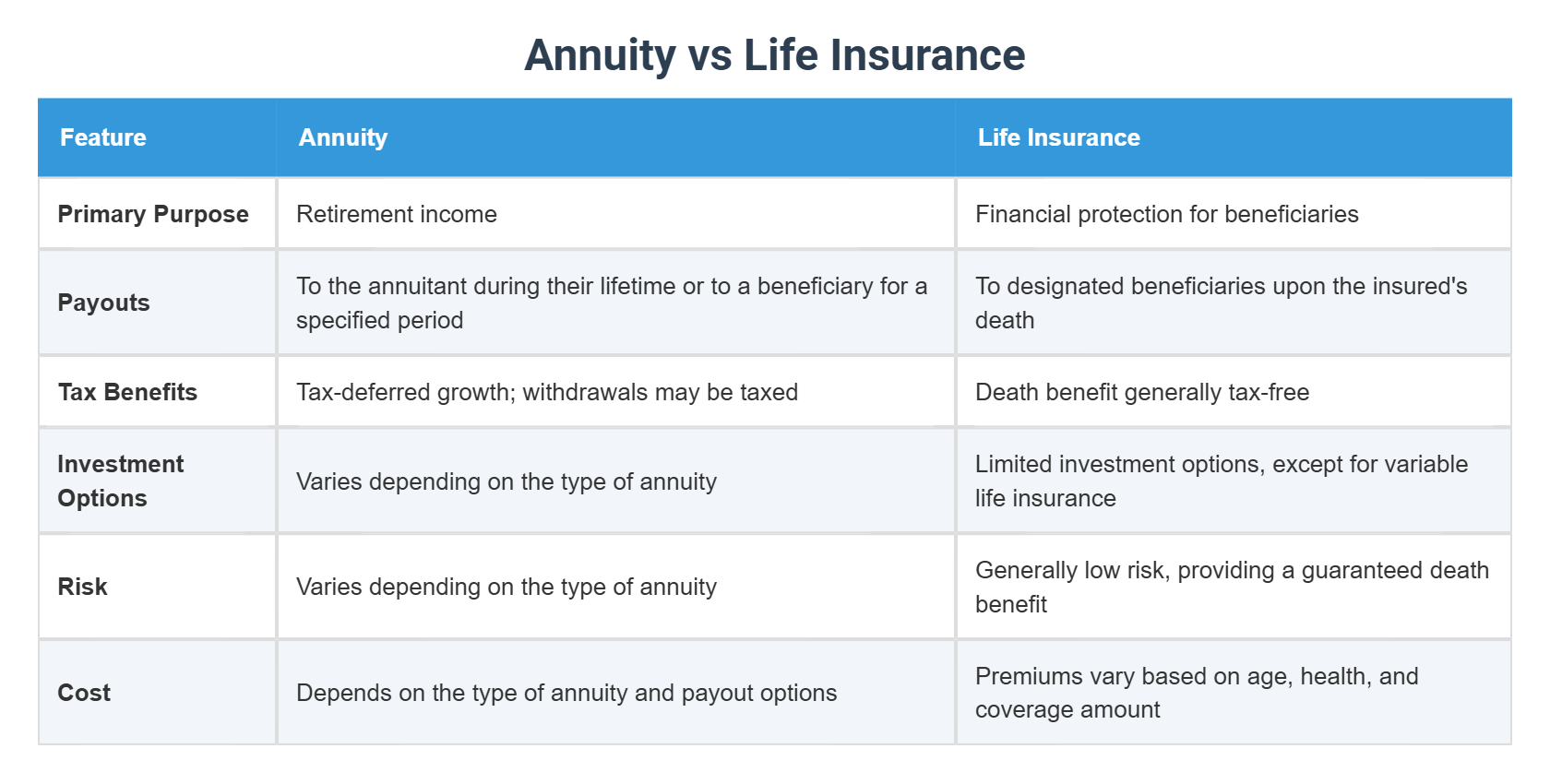
The following table summarizes the structural differences between traditional life insurance and AD&D coverage:
| Feature | Traditional Life Insurance (Term / Whole) | Accidental Death & Dismemberment (AD&D) |
|---|---|---|
| Primary Cause of Death Covered | Illness, natural causes, disease, accidents | Accidental events only |
| Living Injury Benefits | Optional via specialized riders | Built-in payout schedule for loss of limbs, sight, etc. |
| Medical Underwriting | Required (Health questionnaire, lab tests, medical records) | None (Guaranteed acceptance in most cases) |
| Cost per $100,000 Coverage | Higher (Reflects comprehensive risk) | Very low (Reflects narrow accidental risk) |
| Coverage Exclusions | Suicide (within contestability period), fraud | Illness, heart attack, stroke, hazardous sports, intoxication |
| Primary Target Use Case | Comprehensive family income replacement | Low-cost accident supplement or high-risk occupation safety |
| Policy Duration Options | Fixed term (10–30 years) or permanent lifetime | Annual renewable or group supplemental benefit |
Critical AD&D Policy Exclusions and Limitations
Understanding policy exclusions is critical when evaluating AD&D insurance. Disputed claims frequently arise when a fatal event involves both a medical condition and a physical accident.
- AD&D CLAIM EVALUATION PATHWAY
- Did an event occur causing death or injury?
- CAUSE: Disease/Illness (Heart Attack, Cancer, Stroke, Infection)
- CLAIM DENIED
- CAUSE: External Accident
- Is an exclusion present? (Intoxication, High-Risk, Pre-existing Condition)
- YES: CLAIM DENIED
- NO: CLAIM APPROVED
- Is an exclusion present? (Intoxication, High-Risk, Pre-existing Condition)
- CAUSE: Disease/Illness (Heart Attack, Cancer, Stroke, Infection)
- Did an event occur causing death or injury?
Medical Conditions Preceding an Accident
AD&D policies stipulate that the accident must be the sole and direct cause of death or dismemberment, independent of all other causes. If an underlying health condition contributes to the accident, the insurer may deny the claim.
- Scenario A: An driver suffers a massive, sudden heart attack while driving, loses control of the vehicle, and crashes fatally into a barrier. Because the medical event (heart attack) precipitated the crash, the AD&D claim is typically denied.
- Scenario B: A driver is struck by another vehicle, suffers severe trauma, and dies. The autopsy confirms death was caused solely by traumatic injury. The AD&D claim is approved.
Standard AD&D Exclusion List
Most AD&D contracts maintained under state regulations—such as those tracked by the National Association of Insurance Commissioners (NAIC)—include standard exclusions. Claims are generally denied if the death or injury involves:
- Sickness or Bodily Illness: Any physical illness, bacterial or viral infection, or mental health condition.
- Intoxication or Substance Use: Accidents occurring while the insured's blood alcohol content (BAC) exceeds the legal driving limit, or accidents involving non-prescribed controlled substances.
- Hazardous Occupations or Activities: Death occurring during high-risk recreational pursuits (e.g., skydiving, motor racing, scuba diving, rock climbing) unless specifically endorsed.
- War or Acts of Terrorism: Injuries sustained during military duty or acts of war.
- Self-Inflicted Injuries: Intentional self-harm or attempted suicide.
- Medical or Surgical Procedures: Fatal complications during routine surgeries or therapeutic treatments.
Evaluating Which Insurance Option Is Best for You
Determining whether life insurance, AD&D, or a combination of both is appropriate depends on your health status, budget, occupation, and overall risk management plan.
- DECISION MATRIX WORKFLOW
- Do you have dependents relying on your income for living expenses/debts?
- YES: Primary choice must be TRADITIONAL LIFE INSURANCE.
- Are you uninsurable due to severe pre-existing health conditions?
- YES: AD&D offers immediate, non-underwritten base protection.
- Do you work in a high-risk physical field or want inexpensive add-on risk?
- YES: Add an AD&D policy or rider to your standard Life Insurance.
- Do you have dependents relying on your income for living expenses/debts?
When Life Insurance Is the Best Choice
Traditional life insurance (specifically term life) is the foundational financial tool for the vast majority of households. It is the best choice if:
- You Have Dependents: Spouses, children, or aging parents rely on your income to pay for daily living expenses, mortgages, tuition, or consumer debt.
- You Want Comprehensive Protection: You need reassurance that your family receives financial support whether you pass away from cancer, a sudden medical event, or an auto collision.
- You Are Planning Long-Term Estate Protection: Permanent life insurance provides fixed benefits for liquidity, estate tax handling, or legacy wealth transfer regardless of age at death.
When AD&D Is a Suitable Option
While AD&D should rarely replace life insurance, it serves specific roles in a risk management strategy:
- Uninsurability Due to Health: Individuals who cannot qualify for traditional life insurance due to severe pre-existing illnesses can use AD&D as a fallback option to ensure some level of protection against accidental injury or fatal trauma.
- High-Risk Working Conditions: Individuals working in hazardous industries (such as construction, heavy equipment operation, or agriculture) face higher statistics for accidental injury and may benefit from supplemental AD&D protection.
- Strict Budgetary Constraints: If an individual cannot currently afford traditional life insurance premiums, a low-cost AD&D policy provides temporary, baseline protection while financial circumstances improve.
- Gap Coverage: Younger individuals with minimal financial obligations who want low-cost catastrophic injury (dismemberment) protection.
Combining Coverage: AD&D as a Policy Rider
Rather than purchasing AD&D as a standalone policy, many consumers add it to a standard term or permanent life insurance policy as an Accidental Death Benefit (ADB) Rider, often referred to as a "double indemnity" rider.
How Double Indemnity Riders Function
If you hold a $500,000 term life insurance policy with a $500,000 Accidental Death Benefit rider:
- Death from Cancer or Natural Causes: The policy pays the base face amount ($500,000).
- Death from a Covered Auto Accident: The policy pays the base amount ($500,000) plus the ADB rider amount ($500,000), yielding a total payout of $1,000,000 to beneficiaries.
Adding an ADB rider to an existing life insurance policy is usually inexpensive and provides extra financial cushion for unexpected traumatic events without compromising general illness coverage.
Professional Advice Limitation
Disclaimer: Insurance regulations, policy terms, and underwriting guidelines vary by jurisdiction and insurance provider. The information provided in this guide is for educational and informational purposes only and does not constitute formal financial, legal, or professional insurance advice. Consult a licensed insurance agent or qualified financial planner to evaluate your specific circumstances before purchasing or modifying any policy.
Frequently Asked Questions
Is AD&D a substitute for term life insurance?
No. AD&D is not a substitute for term life insurance. Term life insurance covers death from almost all natural causes, illnesses, and accidents. AD&D only pays out if death or dismemberment occurs directly as a result of a qualifying accident. Relying solely on AD&D leaves you uninsured against major health conditions like heart disease, stroke, and cancer.
Does AD&D pay out if the policyholder dies of cancer or an illness?
No. AD&D policies strictly exclude death caused by bodily illness, disease, medical infections, or natural causes. If an insured individual dies from cancer, the AD&D policy will close without paying any cash benefit to the beneficiaries.
Can you hold both life insurance and AD&D insurance at the same time?
Yes. Many individuals maintain a primary term or whole life insurance policy for comprehensive coverage while carrying supplemental AD&D insurance through their employer's group benefits plan or as a policy rider. Combining both ensures full coverage for natural deaths while increasing the overall payout in the event of a fatal accident.
What qualifies as an "accidental death" under AD&D policies?
An accidental death under an AD&D policy must be caused directly by an external, violent, unexpected event independent of all other causes. Common qualifying events include traffic collisions, falls, accidental poisonings, equipment injuries, and drowning. The death must typically occur within a specified window (often 90 to 180 days) following the date of the accident.
Does AD&D cover injuries sustained in a car accident?
Yes, provided the car accident was purely accidental and not the result of excluded actions. If the driver was driving under the influence of alcohol or drugs, participating in illegal drag racing, or suffered a heart attack that caused the crash, the insurer will likely deny the claim based on policy exclusions.
Final Recommendation: Steps to Secure the Right Protection
Choosing between AD&D and traditional life insurance comes down to evaluating your financial liabilities and personal health status.
- Prioritize Primary Life Insurance: If you have dependents, debts, or long-term financial goals, secure a term or permanent life insurance policy first. This guarantees protection against natural death and medical illnesses.
- Audit Employer Group Benefits: Check your current workplace benefits package. Many employers provide basic AD&D coverage for free or at minimal group rates. Take advantage of employer-paid AD&D as a zero-cost or low-cost secondary layer of protection.
- Evaluate Risk Exposures: If you operate heavy machinery, drive extensive miles for work, or participate in physically demanding tasks, consider adding an Accidental Death Benefit rider to your primary life policy for low-cost double indemnity protection.
- Review Exclusions Carefully: Read the exact language of any AD&D contract to understand how dismemberment payouts are calculated and which hazardous activities or health exclusions apply to your policy.