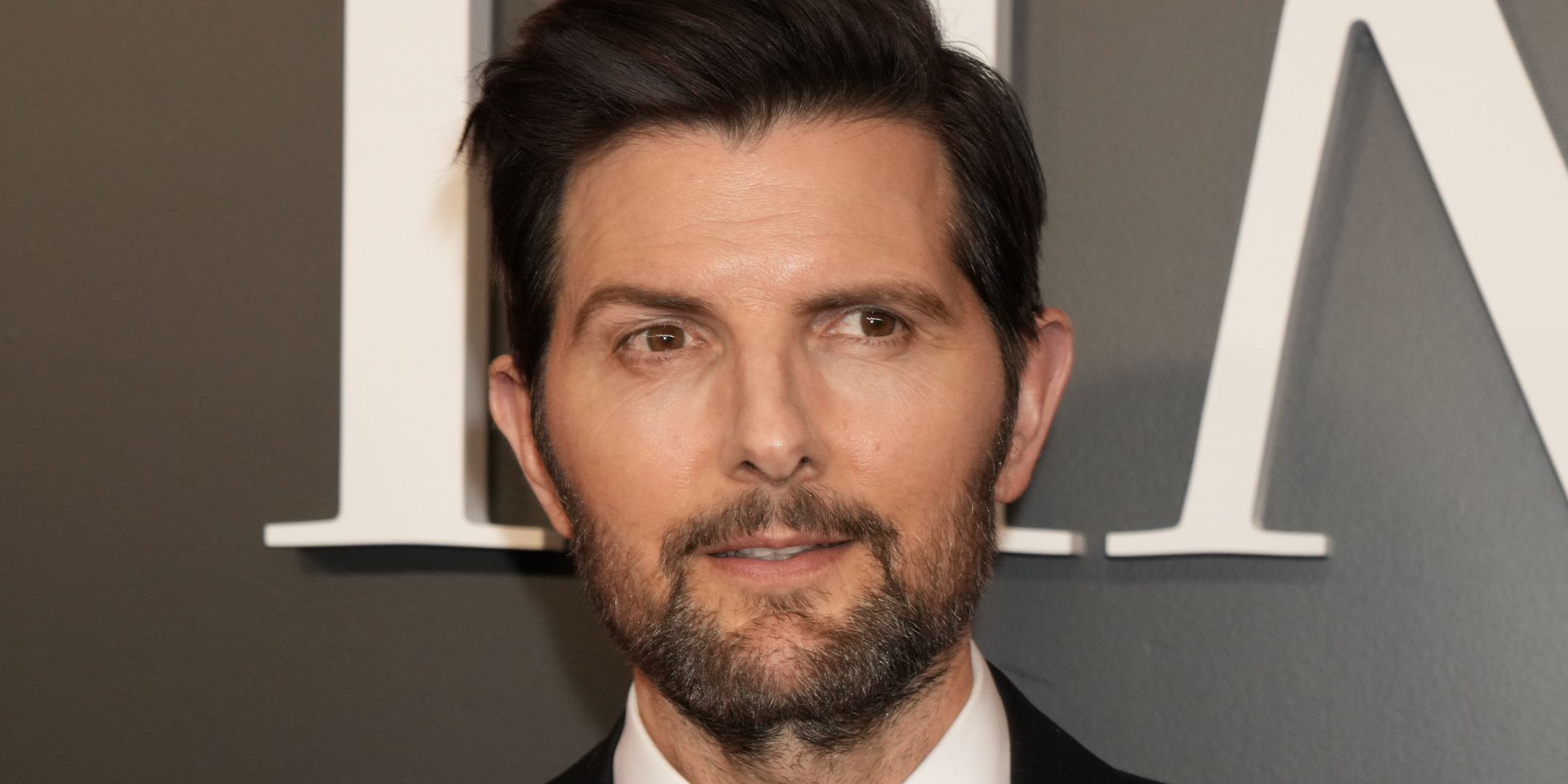
Adam Scott is an American actor, director, and producer widely recognized for his portrayal of the meticulous and deadpan government auditor Ben Wyatt on the NBC sitcom Parks and Recreation. Beyond his defining role in the Pawnee-based comedy, Scott has cultivated a diverse career spanning independent film, mainstream network television, and prestige streaming dramas, establishing himself as a versatile performer capable of balancing comedic timing with dramatic nuance.
Early Beginnings and Career Trajectory
Born in Santa Cruz, California, in 1973, Adam Scott’s journey into the entertainment industry began with formal training at the American Academy of Dramatic Arts in Los Angeles. Throughout the 1990s and early 2000s, Scott occupied a space often characterized by character-driven roles in television procedurals and episodic dramas. Before achieving widespread household recognition, he appeared in programs such as Boy Meets World, NYPD Blue, and ER. These early years provided the foundational experience required to master the technical demands of a film set, though he remained largely under the radar in terms of mainstream stardom until his mid-career transition.
The turning point for Scott’s public profile arrived with the cult classic television series Party Down (2009–2010). In the role of Henry Pollard, a struggling actor working for a catering company, Scott showcased his aptitude for dry, sardonic humor. The success of Party Down among critical circles paved the way for his pivotal entry into the ensemble cast of Parks and Recreation.
The Impact of Ben Wyatt
In 2010, Scott joined Parks and Recreation midway through its second season. The introduction of Ben Wyatt—a "human disaster" turned competent auditor who falls in love with Amy Poehler’s Leslie Knope—provided the show with a grounding presence that complemented the high-energy nature of the other characters.
The character of Ben Wyatt is frequently cited by fans and television critics as a masterclass in the "straight man" archetype within a mockumentary setting. His obsession with spreadsheets, his love for the board game The Cones of Dunshire, and his earnest romantic devotion created a narrative through-line that sustained the show’s emotional stakes. For Scott, this role served as a springboard, cementing his reputation as an actor who could elevate a sitcom through subtle physical comedy and precise line delivery.
Expanding into Dramatic Territory
While Parks and Recreation remains his most recognizable work, Scott has actively sought to diversify his filmography to avoid typecasting. This ambition is most visible in his transition toward psychological thrillers and complex dramatic roles.
Perhaps the most significant departure from his comedic roots is his lead performance in the Apple TV+ series Severance (2022–present). In Severance, Scott plays Mark Scout, an office worker who has undergone a medical procedure to surgically divide his work memories from his personal memories. This role requires Scott to portray two distinct versions of the same individual, shifting between the grief-stricken, mourning widower of the outside world and the hollow, corporate-compliant version within the office.
This performance garnered significant critical acclaim, including nominations for the Primetime Emmy Award for Outstanding Lead Actor in a Drama Series. By oscillating between the lighthearted bureaucracy of Pawnee and the sterile, unsettling hallways of Lumon Industries, Scott has demonstrated a range that few contemporary comedic actors manage to sustain successfully over a multi-decade career.
Comparison of Notable Career Milestones
The following table highlights the evolution of Scott's career across different genres, focusing on projects that reflect his versatility.
| Project Title | Role | Genre | Primary Appeal |
|---|---|---|---|
| Party Down | Henry Pollard | Comedy | Dry humor and industry satire |
| Parks and Recreation | Ben Wyatt | Mockumentary | Emotional heart and witty banter |
| Step Brothers | Derek Huff | Comedy | Satirical villainy and physical comedy |
| The Aviator | Johnny Meyer | Biographical Drama | Period-accurate ensemble performance |
| Severance | Mark Scout | Sci-Fi / Thriller | Psychological depth and dual identity |
Collaboration and Production Work
Beyond his on-screen contributions, Scott has expanded his influence through production work. He founded his production company, Gettin' Rad Productions, alongside Naomi Scott. This entity has served as a vehicle for producing projects like The Greatest Event in Television History, a series of specials where Scott and his colleagues recreated iconic opening sequences from 1980s television shows. These projects reflect a deep appreciation for the history of the medium and a willingness to engage in high-concept, meta-commentary that bridges the gap between creator and audience.
The Craft of Comedy and Drama
Adam Scott’s technical approach to acting is often defined by a restraint that contrasts with the often-manic environments of the shows he inhabits. In Parks and Recreation, his character’s frustration was rarely expressed through shouting, but rather through a slow blink or a resigned sigh. This subtlety is an essential component of his screen presence.
In film, particularly comedies like Step Brothers, he has successfully leaned into the "lovable jerk" persona, using his affable appearance to disguise the absurdity of his characters' motivations. By maintaining an approachable, "everyman" quality, Scott allows audiences to project themselves into his roles, whether he is an office worker navigating middle-management politics or a man questioning the nature of his own consciousness.
Challenges and Career Constraints
The transition from a beloved sitcom character to a dramatic lead presents unique challenges. Many actors known for a single iconic role face difficulty in convincing casting directors and audiences that they can occupy more serious thematic spaces. Scott’s strategy has involved alternating between smaller, character-focused indie films and high-stakes streaming series. By avoiding the "blockbuster trap" early in his career, he has maintained a degree of creative agency, choosing projects that prioritize strong writing and character development over mass-market appeal.
Frequently Asked Questions
1. Was Adam Scott a series regular in the first season of Parks and Recreation? No. Adam Scott joined the cast of Parks and Recreation in the latter half of the second season. He was introduced alongside Rob Lowe as a state auditor sent to evaluate the Pawnee Parks Department. He remained a main cast member until the series concluded in 2015.
2. What is the significance of the character Ben Wyatt? Ben Wyatt provided a necessary counterbalance to the optimism of Leslie Knope. His transition from a skeptical auditor to a dedicated public servant allowed the show to explore themes of government functionality and personal growth, ultimately becoming the romantic anchor of the series.
3. Has Adam Scott won any major awards for his performance in Severance? While Severance has received significant critical acclaim and numerous industry nominations, Adam Scott’s performance has been widely recognized for its complexity. He has been nominated for multiple prestigious industry awards, including Primetime Emmys and Golden Globes, reflecting his success in shifting from comedy to high-stakes drama.
4. Does Adam Scott still work in comedy? Yes. While his dramatic work in Severance has drawn much attention, Scott continues to balance his career with comedic projects, including voice work, guest appearances, and ongoing film roles that emphasize his comedic timing.
5. What is the premise of the show Party Down? Party Down focuses on a group of actors and writers working for a catering company in Los Angeles while waiting for their big break. It is recognized for its cynical, realistic portrayal of the entertainment industry and helped establish Scott as a lead in ensemble-driven comedy.
Recommendation for Further Viewing
For those interested in understanding the breadth of Adam Scott’s capability, it is recommended to observe his progression chronologically. Start with his breakthrough in the dry, cynical humor of Party Down, follow his evolution into the emotional and comedic center of Parks and Recreation, and conclude with his shift toward the claustrophobic, psychological intensity of Severance. This trajectory provides a clear view of an actor who has successfully navigated the complexities of the industry by maintaining a commitment to character-driven storytelling.