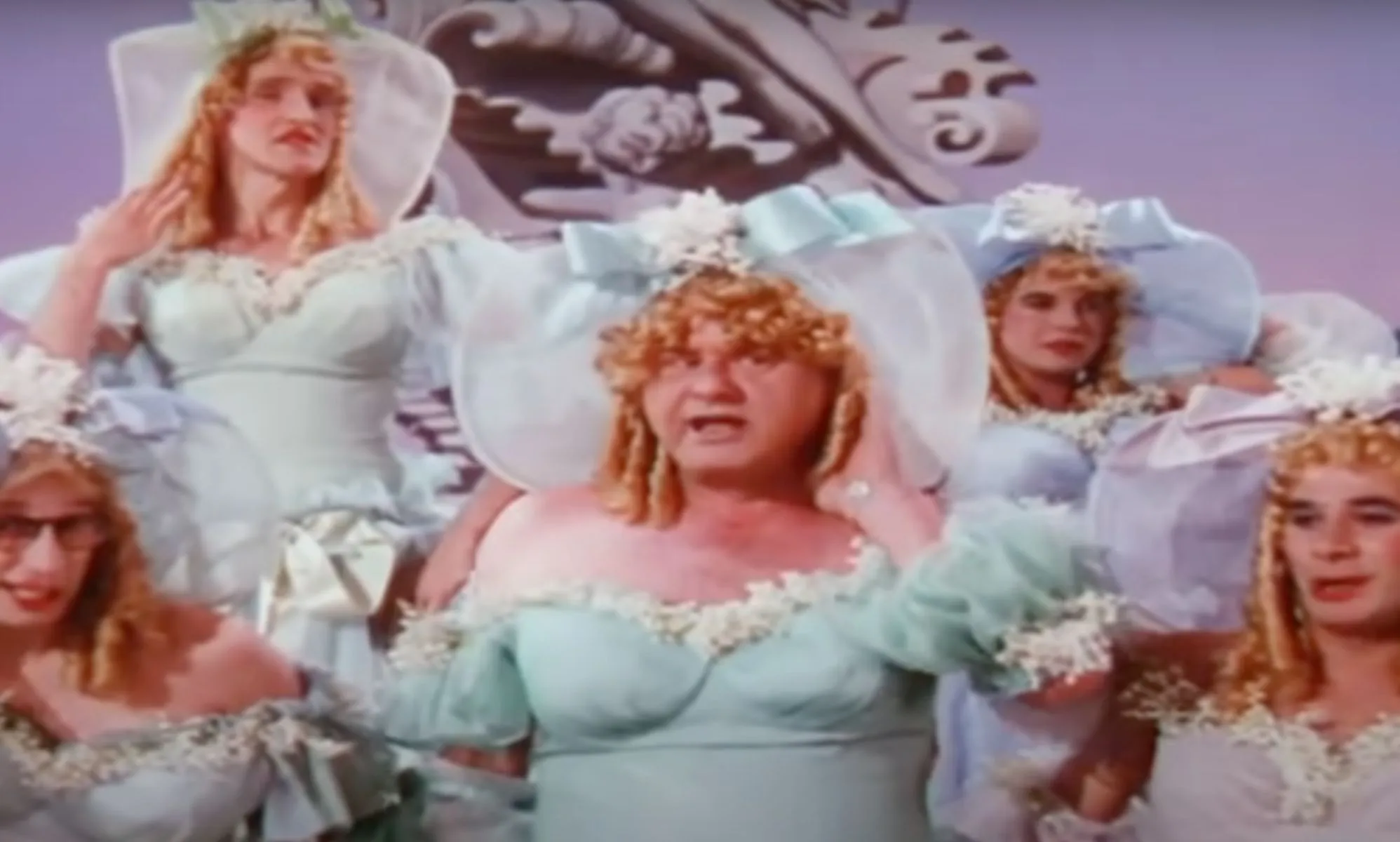
Actors in drag on stage and screen represent a rich, complex artistic tradition that bridges classical performance history, modern identity politics, and high-craft theatricality. Far beyond simple novelty, drag performance requires rigorous vocal modulation, advanced physical characterization, and a deep understanding of subtext to subvert or elevate gender norms across dramatic and comedic mediums.
The artistic lineage of drag performance stretches from ancient theatrical traditions and Renaissance cross-dressing conventions to contemporary prestige cinema and avant-garde theatre. Understanding this multifaceted subject requires examining how actors construct these performances, the historical evolution of gender presentation on stage and screen, and the technical demands placed upon performers who embody complex, cross-gender characters.
Historical Evolution of Drag Performance
The history of actors in drag on stage and screen is rooted in systemic exclusion and artistic innovation. In ancient Greek and Roman theatre, as well as Elizabethan drama in England, societal and legal restrictions prohibited women from performing publicly. Consequently, young male actors trained extensively to portray female characters, developing specialized vocal techniques and physical frameworks to convince audiences.
As legal and social restrictions lifted, allowing women to occupy public stages, cross-gender performance shifted from a structural necessity to a deliberate artistic choice. In Victorian music halls and early 20th-century cinema, male and female impersonators emerged as distinct performance genres. Performers like Vesta Tilley popularized male impersonation, demonstrating that gender presentation was malleable and performative.
| Era / Medium | Primary Function of Drag | Notable Technical Innovations |
|---|---|---|
| Elizabethan Theatre | Structural necessity (women barred from the stage) | Falsetto vocal control, exaggerated costuming for silhouette |
| Victorian Music Hall | Vaudeville entertainment and social satire | Tailored masculine/feminine suiting, audience interaction |
| Golden Age Cinema | Comedic subversion and character acting | High-contrast cinematic lighting, specialized heavy cosmetics |
| Contemporary Media | Dramatic validation, commentary, and prestige | Prosthetics, psychological realism, nuanced vocal shifting |
Throughout the 20th century, cinema and television utilized drag primarily for comedic effect—often relying on shock value or farce. However, mid-century breakthroughs began to treat cross-gender acting with psychological depth. Actors demonstrated that playing a character of a different gender could reveal profound truths about human identity, societal constraints, and personal liberation.
Technical Craft: Voice, Movement, and Illusion
Executing a compelling drag performance on stage or screen demands a rigorous technical skill set. Unlike standard acting, which focuses on emotional authenticity within the actor's baseline identity, drag acting requires the performer to construct an entirely alternate physical and vocal architecture.
Vocal Modulation and Resonator Shifting
Voice is often the primary hurdle for actors in drag. For cisgender men portraying women, the challenge involves shifting resonance from the chest cavity to the head and nasal cavities to achieve a lighter, brighter timbre without sounding unnatural. Conversely, cisgender women portraying men must lower their speaking pitch while maintaining breath support, utilizing chest resonance to project authority and physical presence without straining the vocal cords. Professional training in speech pathology and dialect coaching is frequently required to sustain these vocal placements across an eight-show theatrical week or grueling film shoots.
Physicality and Kinetic Shaping
Gender presentation is deeply tied to movement. Actors study kinetic frameworks—how weight is distributed in the hips versus the shoulders, the length of a stride, and the use of hands in expressive communication.
- Skeletal Alignment: Performers modify their posture, adjusting the pelvic tilt and spinal alignment to simulate different musculoskeletal structures.
- Costume Mechanics: Corsets, chest plates, padding, and structured tailoring alter the actor's silhouette, requiring performers to adapt their center of gravity and spatial awareness.
- Facial Expressiveness: Stage makeup and cinematic cosmetics completely redraw facial planes, requiring actors to adjust their facial expressions so that the illusion holds under harsh theatrical lighting or close-up camera lenses.
Dramatic Versus Comedic Drag on Screen
The cinematic treatment of actors in drag generally falls into two distinct categories: broad comedy and dramatic transformation. Each genre places unique demands on the actor and elicits different responses from audiences and critics.
Comedic Farce and Subversion
In comedic cinema, drag is often used as a narrative device to create dramatic irony, mistaken identity, or social satire. Films like Some Like It Hot (1959) or Mrs. Doubtfire (1993) utilize the inherent tension of a character attempting to maintain a double life. The humor derives from the audience's awareness of the deception contrasted with the obliviousness of other characters within the story world. For the actor, this requires precise timing, physical slapstick capabilities, and the ability to maintain earnest emotional stakes amidst absurd circumstances.
Dramatic Realism and Identity Exploration
When approached through a dramatic lens, drag acting becomes an exploration of identity, marginalization, and self-actualization. Performances in films like Boys Don't Cry (1999) or The Crying Game (1992) demand profound psychological immersion. In these contexts, drag is not merely a costume or a joke; it is a vital mechanism of survival, self-expression, or tragic deception. Actors undertaking these roles must navigate complex ethical and representational responsibilities, ensuring their portrayals honor the communities they represent without relying on reductive tropes.
Theatrical Drag: Stage Craft and Audience Engagement
Live theatre offers a distinct environment for actors in drag, characterized by direct audience feedback and the physical demands of unedited performance. Unlike film, where a scene can be re-shot, stage actors must sustain the illusion of gender transition and character embodiment in real-time, often across vast auditoriums where subtlety must be amplified for the back row.
The evolution of musicals and plays explicitly centered around drag—such as La Cage aux Folles, Hedwig and the Angry Inch, and Everybody's Talking About Jamie—has elevated drag from a peripheral theatrical trope to a central narrative vehicle. These productions require triple-threat performers who can act, sing, and dance while encumbered by elaborate theatrical costuming, heavy wigs, and specialized footwear like high heels or platform boots.
Challenges and Ethical Considerations
The depiction of actors in drag on stage and screen has faced evolving cultural scrutiny. Historically, cisgender actors portraying transgender individuals or exaggerated caricatures of drag queens have sparked vital discussions about representation, authenticity, and labor in the entertainment industry.
- Authenticity vs. Acting: Critics and industry professionals debate the boundaries between transformative acting—where an actor steps outside their lived experience—and the historical sidelining of marginalized performers.
- Avoiding Caricature: Modern productions increasingly rely on sensitivity consultants, queer historians, and consultants with lived experience to ensure that drag performances avoid falling into harmful stereotypes.
- Economic Access: Ensuring that opportunities extend to diverse performers remains a central challenge in casting pipelines across major theatre districts and Hollywood studios.
Frequently Asked Questions
What is the difference between drag performance and transgender identity in media?
Drag performance is an artistic practice involving the temporary, theatrical exaggeration of gender presentation for performance purposes. Transgender identity refers to an individual's deeply held internal sense of gender that differs from the sex they were assigned at birth. While many drag artists are members of the LGBTQ+ community, drag is a profession and art form, whereas being transgender is an aspect of personal identity.
How do stage actors manage quick-change transformations involving drag?
Theatrical quick changes require specialized wardrobe engineering, including breakaway closures, velcro-backed costuming, and dedicated dressers stationed in the wings. Actors practice these transitions repeatedly during technical rehearsals to ensure they can switch costumes, wigs, and makeup touch-ups within seconds without missing stage cues.
Did historical actors in drag face legal restrictions?
Yes. For centuries in various jurisdictions, laws prohibited cross-dressing in public spaces, which occasionally impacted performers. However, theatrical exceptions usually allowed actors to perform in drag under specific licensing and censorship boards, provided the performance adhered to local moral standards of the era.
How do casting directors evaluate actors for complex drag roles?
Casting directors typically look for a combination of physical dexterity, vocal flexibility, and emotional vulnerability. Auditions for these roles may involve movement tests, vocal trials in varied registers, and chemistry reads to evaluate how the actor embodies the specific social and psychological dynamics of the character.
Conclusion
Actors in drag on stage and screen occupy a vital space at the intersection of high craft, social commentary, and theatrical illusion. Whether driving narrative comedy or exploring profound dramatic truths, these performances challenge audiences to question the rigidity of gender constructs. As the entertainment industry continues to evolve, the technical skill, historical awareness, and artistic dedication required for successful drag performance remain foundational to the richness of global theatre and cinema.