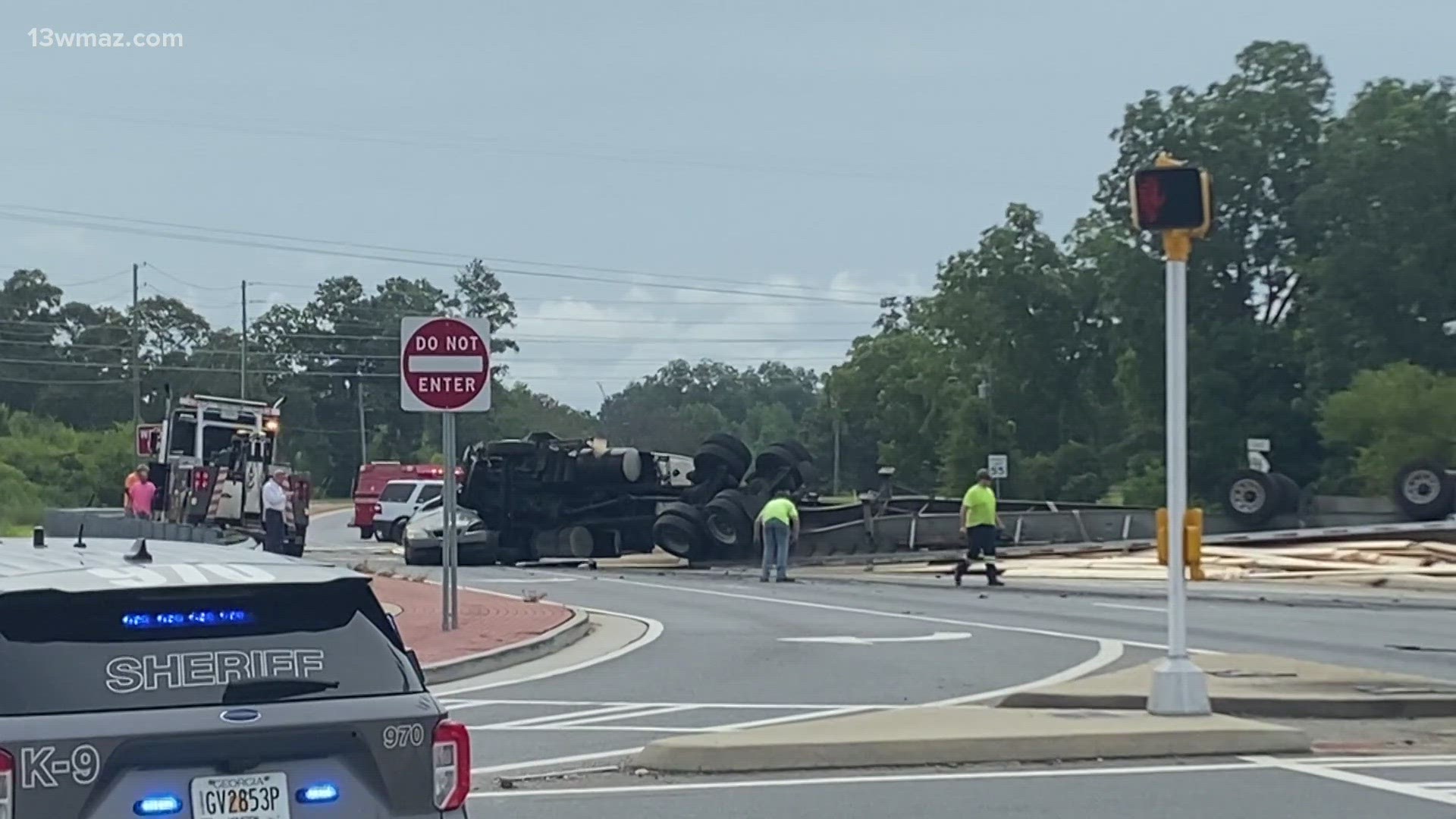
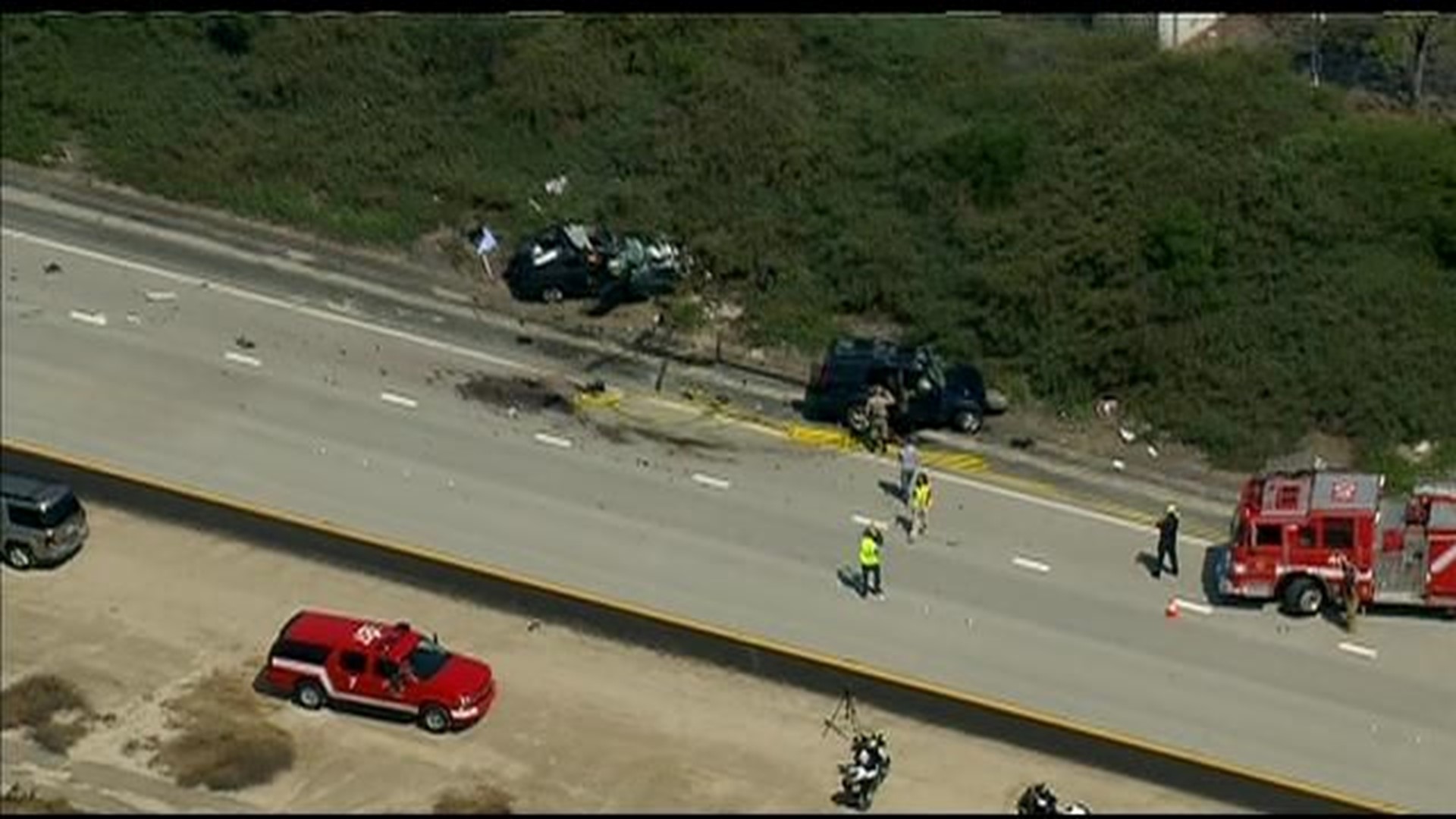
A major multi-vehicle collision on I-96 yesterday near the Detroit-Livonia border caused significant structural delays, shutting down eastbound express lanes for over six hours. Commuters faced massive gridlock stretching back to the I-275 interchange. This guide provides an analysis of the incident, Michigan’s 2026 legal requirements for those involved, and long-term traffic safety updates for the corridor.
The Interstate 96 (I-96) corridor, known locally as the Jeffries Freeway, remains one of the most critical arteries in the Metro Detroit transportation network. When an accident of significant magnitude occurs—as it did yesterday—the ripple effects extend far beyond the immediate crash site, impacting secondary roads like Schoolcraft, Plymouth, and the nearby I-275 and M-14 connectors. Understanding the mechanics of these disruptions is essential for anyone navigating the 2026 Detroit transit landscape.
Analysis of Yesterday’s I-96 Incident and Immediate Impact
Yesterday's accident on I-96 involved a complex multi-vehicle chain reaction in the eastbound express lanes. Preliminary reports from the Michigan State Police (MSP) suggest that the incident began during the peak evening commute, a time when the "Local-Express" lane configuration often sees high-speed lane-changing maneuvers. The "shock" to Detroit traffic was compounded by the fact that the collision occurred near a major egress point, trapping thousands of vehicles within the concrete barriers of the express system.
Traffic Flow and Diversion Tactics
When a total closure occurs on the I-96 express lanes, the Michigan Department of Transportation (MDOT) utilizes the Local lanes as the primary relief valve. However, the volume of a standard Detroit rush hour exceeds the capacity of the three-lane local collector system. Yesterday, this led to:
- Total Gridlock: Average speeds dropped to under 5 mph between Newburgh Road and the Southfield Freeway.
- Surface Street Saturation: Drivers attempting to bypass the freeway flooded Eight Mile Road and Joy Road, leading to secondary delays in residential areas of Livonia and Brightmoor.
- Emergency Response Challenges: Because the express lanes are walled, emergency vehicles had to enter via specialized "emergency-only" gates, which can be slowed by the sheer volume of stationary traffic.
The economic cost of such a delay is measurable. With I-96 serving as a primary route for logistics and freight moving between the Canadian border and the industrial hubs of Lansing and Grand Rapids, a six-hour shutdown results in thousands of missed delivery windows and significant fuel waste.
Navigating Michigan’s 2026 Legal and Insurance Landscape
If you were caught in yesterday’s accident or find yourself in a similar situation, navigating the legal aftermath in 2026 requires a firm understanding of Michigan’s evolving No-Fault insurance system. While the landmark 2020 reforms allowed drivers more choice in Personal Injury Protection (PIP) levels, the complexities of filing a claim remain high.
The Role of No-Fault Insurance
Michigan remains a No-Fault state, meaning your own insurance company typically pays for your medical expenses and lost wages regardless of who caused the accident. In 2026, the specific PIP level you selected on your policy—ranging from $50,000 to unlimited—is the most critical factor in your recovery process.
Key Legal Considerations:
- PIP Claims: You must file a claim with your own insurer immediately. In 2026, many insurers have moved to digital-first reporting, but a formal written notice is still legally recommended to preserve your rights.
- The "Mini-Tort" Provision: As of 2026, you can sue the at-fault driver for up to $3,000 in vehicle damage that is not covered by your own insurance. This is an increase from previous years to account for rising vehicle repair costs.
- Third-Party Suits: If you suffered "threshold injuries" (permanent serious disfigurement or serious impairment of a body function), you may be eligible to sue the at-fault driver for non-economic damages, such as pain and suffering.
Professional Advice Limitation
This information is for educational purposes and does not constitute legal or financial advice. Jurisdictional rules in Michigan are subject to legislative updates and court rulings. For specific cases involving I-96 accidents, consult with a licensed Michigan personal injury attorney.
Infrastructure and Safety Status of I-96 in 2026
The "shock" of yesterday’s accident highlights the ongoing challenges of the I-96 infrastructure. MDOT has implemented several 2026-era safety technologies, yet the corridor's unique design continues to pose risks.
The Local-Express Split
One of the most dangerous aspects of I-96 through Detroit is the Local-Express lane configuration. While this design was intended to separate long-distance travelers from local commuters, it creates high-risk "weave zones" where the lanes merge. Data from 2025 and 2026 indicate that a disproportionate number of accidents occur at the transition points near Outer Drive and the Southfield Freeway.
Modern Traffic Management Systems
By 2026, MDOT has integrated several "Smart Corridor" features on I-96 to mitigate the impact of accidents:
- Active Traffic Management (ATM): Digital overhead gantries that can close specific lanes miles before a crash site.
- V2X Communication: "Vehicle-to-Everything" technology that alerts modern vehicles to sudden braking events ahead, even if the driver cannot see them.
- Flex Routes: While primarily used on US-23 and I-96 further west near Wixom, the concepts of hard-shoulder running are being evaluated for the Detroit section to provide more room for emergency responders.
| Feature | I-96 Express Lanes | I-96 Local Lanes | Secondary Routes (e.g., Schoolcraft) |
|---|---|---|---|
| Speed Limit | 70 mph | 55-60 mph | 35-45 mph |
| Access Points | Limited (Major Interchanges Only) | Frequent (Every Mile) | Continuous |
| Safety Barrier | Concrete Medians (High) | Standard Guardrails | Curbs/Sidewalks |
| Congestion Risk | Very High (Bottlenecks) | High (Merging Traffic) | Moderate (Traffic Lights) |
| Primary Use | Thru-Traffic/Freight | Local Commutes/Exits | Residential/Commercial Access |
Step-by-Step Actions After an I-96 Accident
If you are involved in a collision on a major Detroit freeway, the steps you take in the first 30 minutes are vital for both your physical safety and your future insurance claims.
1. Ensure Immediate Safety
The I-96 express lanes are particularly dangerous due to the narrow shoulders. If your vehicle is operable, try to move to the nearest "Safety Pull-out" or exit the freeway entirely. If the vehicle is disabled, stay inside with your seatbelt fastened until emergency crews arrive, as exiting a vehicle on a 70-mph freeway is a leading cause of secondary fatalities.
2. Contact the Michigan State Police (MSP)
Accidents on I-96 fall under the jurisdiction of the MSP (Metro South or Metro North posts). A formal police report is a requirement for any insurance claim exceeding $1,000 in damage or involving any injury. Ensure you obtain the officer's name and the incident report number before leaving the scene.
3. Document the Scene Digitally
Use your smartphone to capture high-resolution photos of:
- Vehicle positions relative to lane markings.
- Damage to all involved vehicles.
- License plates and insurance certificates of other drivers.
- The surrounding traffic conditions (to prove weather or visibility factors).
4. Seek Medical Evaluation
Even if you do not feel immediate pain, the "shock" of an accident often masks symptoms of whiplash or internal trauma due to adrenaline. Under Michigan's 2026 No-Fault rules, a delay in seeking medical treatment can sometimes be used by insurers to question the necessity of a PIP claim.
The Future of Detroit Traffic Management
The disruption caused by yesterday’s I-96 accident has renewed calls for accelerated infrastructure spending in the Metro Detroit region. In 2026, the focus has shifted from mere road repair to "resilience." This means creating a system that doesn't completely fail when one segment of a freeway is compromised.
Regional Transit Alternatives
The continued vulnerability of I-96 has bolstered the argument for improved regional transit. While Detroit remains a car-centric city, the expansion of the RTA (Regional Transit Authority) bus rapid transit lines along the Michigan Avenue and Woodward corridors provides some redundancy for commuters, though I-96 remains without a parallel high-capacity transit line.
Predictive Analytics in Traffic Control
Moving forward, MDOT is leveraging AI-driven predictive analytics to anticipate accidents before they happen. By monitoring weather patterns, historical crash data, and real-time traffic density, authorities can now preemptively station tow trucks and emergency responders at "hot spots" along I-96, significantly reducing the "clearance time" for major incidents.
Frequently Asked Questions
Why was I-96 traffic so much worse yesterday compared to other accidents?
The "shock" to traffic was due to the location within the express lanes. Unlike the local lanes, the express lanes have fewer exit points, meaning drivers were physically unable to leave the freeway once they passed the last available exit before the crash. This created a "closed pipe" effect where thousands of vehicles were trapped.
How do I get a copy of the accident report for an I-96 crash?
In 2026, the Michigan State Police provide accident reports through the TCPS (Traffic Crash Purchase System) portal. You will need the date of the accident, the county (Wayne), and preferably the report number provided by the responding trooper. Most reports are available 3–5 business days after the incident.
Does Michigan No-Fault cover my car repairs?
Generally, no. Michigan No-Fault insurance (PIP) covers medical expenses, lost wages, and replacement services. For car repairs, you must rely on your own Collision Coverage. If you were not at fault, you may be able to recover up to the $3,000 "Mini-Tort" limit from the other driver's insurance to cover your deductible or uncompensated damages.
What should I do if my vehicle was damaged by debris from the I-96 accident?
If your vehicle was struck by debris from a crash you were not directly involved in, it is often treated as a "comprehensive" or "collision" claim depending on whether the debris was flying or stationary. If the debris can be traced back to a specific vehicle (e.g., a lost load from a semi-truck), that driver’s insurance may be held liable under commercial transport regulations.
Are there any upcoming I-96 construction projects in 2026 that will help?
Yes, MDOT has scheduled a series of "bridge deck overlays" and lighting upgrades for the I-96/I-275 interchange starting in late 2026. These projects aim to improve visibility and surface traction, which are major contributing factors to the multi-vehicle pileups seen during inclement weather.
Practical Recommendation for Detroit Commuters
Given the recurring nature of major disruptions on I-96, the most effective action for regular commuters is to adopt a multi-platform monitoring strategy. Do not rely solely on in-car GPS, which often has a lag in reporting sudden freeway closures. Instead, utilize the Mi Drive mobile app or website, which provides direct access to MDOT’s live traffic cameras. Before entering the I-96 express lanes, check the digital message boards (DMS) at the entrance ramps; if there is any indication of a "Crash Ahead" or "Lane Closed," opt for the Local lanes or an alternative surface route immediately. This proactive approach can save hours of transit time and reduce the likelihood of being caught in a secondary "chain-reaction" collision.