The Affordable Care Act transformed the American health insurance and medical delivery landscape over its first decade and a half, expanding coverage to tens of millions of people, reshaping insurance regulations, and altering federal and state healthcare financing. Comprehensive retrospective evaluations examine these wide-ranging changes, tracking shifts in uninsurance rates, consumer protections, and system-wide economic effects since the landmark legislation was enacted.
Introduction to the 15-Year Retrospective on Health Reform
When major federal health reform legislation was signed into law, it established a framework designed to address structural deficiencies in the American medical marketplace. Over the subsequent decade and a half, the law—commonly known as the Affordable Care Act (ACA)—has been the subject of continuous economic, legal, and public health analysis. A 15-year retrospective on this legislation provides a comprehensive look at how systemic policy shifts alter consumer access, insurance market stability, and healthcare delivery mechanisms across the United States.
Evaluating this prolonged timeframe requires looking past initial political debates to focus on empirical data regarding coverage expansion, out-of-pocket financial burdens, preventative service utilization, and long-term economic consequences. While critics point to rising premium costs, marketplace consolidation, and complex regulatory compliance burdens, proponents highlight historic lows in the uninsured rate and critical consumer safeguards that prevent insurers from denying coverage based on pre-existing conditions. Understanding these multi-faceted outcomes requires breaking down the core structural components of the law and analyzing how they function in practice.
Core Mechanisms and Regulatory Architecture of the ACA
To understand the 15-year trajectory of the legislation, one must examine the foundational pillars upon which the system was built. The policy architecture relies on a combination of insurance market regulations, individual and employer mandates, public program expansion, and consumer subsidies designed to pool risk and broaden financial access.
Consumer Protections and Market Rules
Prior to the implementation of reform provisions, the individual health insurance market frequently featured underwriting practices that disadvantaged consumers with pre-existing health conditions. Insurers could charge exorbitant rates, exclude specific medical treatments from coverage, or deny policies entirely to individuals who had previously been diagnosed with chronic illnesses. The law fundamentally restructured these rules by prohibiting pre-existing condition exclusions for all non-grandfathered plans, banning lifetime and annual dollar limits on essential health benefits, and establishing standardized tiers of coverage categorized as bronze, silver, gold, and platinum.
Furthermore, the regulations introduced community rating rules, which limited the extent to which insurers could vary premiums based on age, geography, and tobacco use, while entirely eliminating gender-based pricing. Another cornerstone protection allowed young adults to remain on their parents' employer-sponsored or individual health insurance plans until turning 26. These structural shifts created a standardized baseline of consumer rights across the commercial market, fundamentally changing the nature of health insurance contracts in the United States.
The Expansion of Public and Private Coverage Channels
Access expansion relied on two primary mechanisms: the creation of regulated health insurance marketplaces (or exchanges) offering federal subsidies for middle- and lower-income households, and the expansion of the Medicaid program to cover non-elderly adults with incomes up to 138 percent of the federal poverty level. While the marketplace subsidies lowered out-of-pocket premium expenses for millions of Americans purchasing individual plans, the Medicaid expansion targeted low-income populations that previously fell into a coverage gap, particularly in states that chose to participate.
| Coverage Mechanism | Primary Target Audience | Funding / Subsidy Structure | Key Regulatory Requirement |
|---|---|---|---|
| State & Federal Marketplaces | Individuals and families without employer-sponsored or public coverage | Advance Premium Tax Credits (APTC) and Cost-Sharing Reductions (CSR) | Must cover Essential Health Benefits (EHBs) |
| Medicaid Expansion | Low-income adults up to 138% of the Federal Poverty Level | Joint federal-state funding (enhanced federal match) | Mandatory coverage of essential preventative services |
| Employer-Sponsored Insurance | Workers at medium and large businesses | Employer and employee premium cost-sharing | Employer mandate for businesses with 50+ full-time workers |
Tracking 15-Year Trends in Coverage and Uninsurance Rates
One of the most frequently cited metrics in evaluations of the legislation is the national uninsured rate. Historical data from federal agencies, including the Centers for Disease Control and Prevention (CDC) and the U.S. Census Bureau, document a substantial decline in the percentage of Americans lacking health insurance over the 15-year period following enactment.
The Reduction of the Uninsured Population
Before the primary coverage provisions took full effect, the uninsured rate among non-elderly Americans hovered near historic highs, creating significant uncompensated care burdens for hospitals and exposing families to catastrophic medical debt. Following the rollout of the main exchange provisions and Medicaid expansion in 2014, the uninsured rate dropped sharply, eventually reaching historic lows in the early 2020s following temporary enhanced subsidies introduced via subsequent legislative measures.
This reduction was not distributed evenly across all demographics. Substantial gains in coverage were observed among low-income adults, racial and ethnic minority groups, and young adults. However, persistent geographic disparities remained, largely driven by the decisions of specific state legislatures not to adopt the Medicaid expansion option. Residents in non-expansion states continued to experience higher uninsurance rates compared to their counterparts in expansion states, highlighting the federal-state dynamic inherent in the American health policy framework.
The Evolution of Marketplace Enrollment and Affordability
Over 15 years, the health insurance marketplaces evolved from volatile initial rollout phases—marked by technological glitches and insurer exits—into mature purchasing platforms with robust carrier participation. Subsidies tied to household income insulated many enrollees from premium spikes, though individuals with incomes just above subsidy thresholds frequently reported facing high out-of-pocket costs and narrow provider networks.
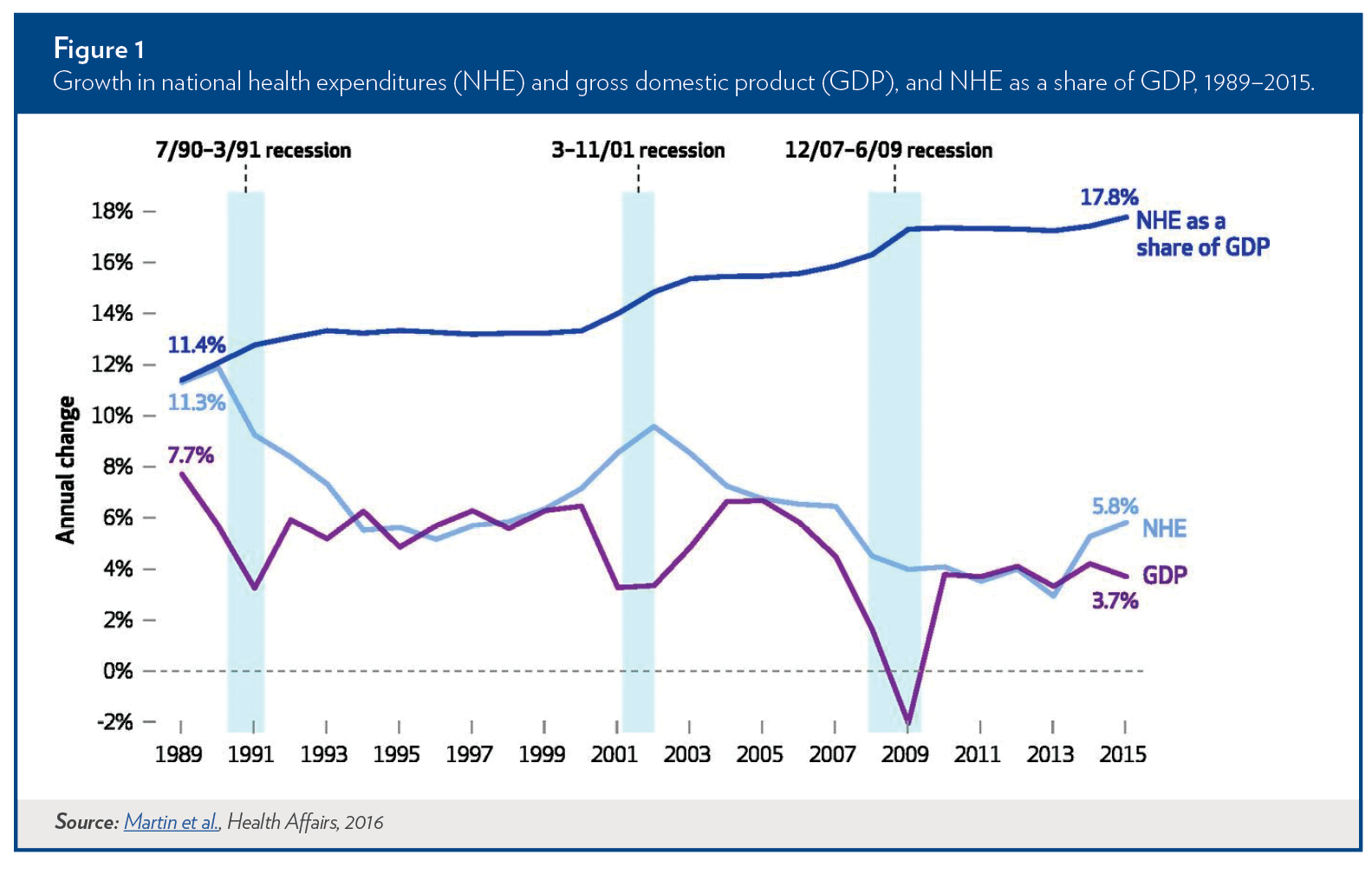
The debate over affordability persisted throughout the period. While federal financial assistance mitigated costs for millions, baseline medical inflation, rising prescription drug prices, and higher hospital charges exerted upward pressure on overall health expenditures. Consequently, policy analysts continually debated whether the legislative framework controlled underlying healthcare cost growth effectively or primarily shifted the burden of financing care onto taxpayers and employers.
Impact on Healthcare Delivery, Quality, and Preventative Care
Beyond insurance coverage statistics, the 15-year analysis encompasses changes in how medical care is delivered, financed, and measured across the United States. The law introduced numerous provisions aimed at shifting the healthcare system away from traditional fee-for-service models toward value-based care, coordinated delivery, and preventative wellness.
Emphasis on Preventative Services and Chronic Disease Management
A major regulatory requirement established by the legislation was the mandate that private insurance plans, Medicare, and expanded Medicaid programs cover recommended preventative services—such as cancer screenings, immunizations, and wellness visits—without cost-sharing (no copays, coinsurance, or deductibles). Public health researchers tracking this 15-year period noted increases in the utilization of certain routine screenings, which proponents argue contribute to early detection and long-term management of chronic conditions like diabetes, hypertension, and cardiovascular disease.
Delivery System Reforms and Payment Innovation
The legislation also served as a vehicle for testing and implementing new healthcare delivery models through the Center for Medicare and Medicaid Innovation (CMMI). Initiatives such as Accountable Care Organizations (ACOs), bundled payment models, and primary care medical homes sought to incentivize hospitals, physicians, and other providers to coordinate patient care, reduce hospital readmissions, and eliminate unnecessary procedures.
While evaluations of these delivery system reforms yielded mixed results—showing modest savings in some models and administrative complexity in others—they fundamentally changed the strategic planning of major health systems. Providers increasingly invested in electronic health records, data analytics, and population health management infrastructure to meet the quality metrics and financial risk-sharing structures introduced during this era.
Financial, Economic, and Legal Challenges Over 15 Years
The 15-year history of the legislation cannot be separated from the continuous legal, political, and economic controversies that accompanied its implementation. From high-profile Supreme Court challenges to ongoing debates in Congress, the policy framework faced persistent structural and political friction.
Major Legal Hurdles and State-Level Implementation
The legislation survived multiple existential legal challenges in the Supreme Court. In National Federation of Independent Business v. Sebelius (2012), the Court upheld the constitutionality of the individual mandate's penalty under Congress's taxing power, but ruled that the federal government could not penalize states that chose not to participate in the mandatory expansion of Medicaid, effectively making expansion optional for states. Subsequent legal challenges focused on subsidy availability in federal-exchange states and challenges to the preventative services mandates.
These legal battles created a patchwork implementation across the country. States that embraced marketplaces and Medicaid expansion saw different trajectories in uninsurance rates and hospital financial health compared to states that resisted these provisions. Rural hospital closures, for instance, became a prominent issue in non-expansion states, where facilities lacked the revenue boost from newly insured low-income patients.
Economic Trade-Offs and Employer Dynamics
Employers adapted to the regulations by restructuring benefits, increasing deductibles, and shifting a larger share of health insurance costs onto workers through high-deductible health plans (HDHPs) paired with health savings accounts (HSAs). While the employer mandate required businesses with 50 or more full-time workers to offer coverage or face penalties, most large employers already provided health benefits, meaning the primary commercial market disruptions occurred within the small-group and individual insurance markets.
Frequently Asked Questions
What are the main achievements of the ACA over its 15-year history?
The primary achievements include expanding health insurance coverage to tens of millions of previously uninsured Americans, prohibiting insurers from denying coverage or charging higher rates based on pre-existing conditions, eliminating lifetime and annual benefit caps, and allowing young adults to stay on their parents' plans until age 26.
How did the legislation affect out-of-pocket medical costs for consumers?
The effect on out-of-pocket costs varied significantly depending on income and coverage type. Low- and moderate-income individuals qualifying for marketplace subsidies or expanded Medicaid experienced reduced financial barriers to care. However, many consumers with employer-sponsored plans faced rising deductibles, higher copayments, and increased premium shares over the 15-year period due to broader medical inflation.
What is the current status of the individual health insurance marketplaces?
The marketplaces feature stable or growing insurer participation in most regions, supported by federal subsidies. While early years faced carrier exits and premium volatility, subsequent policy adjustments and temporary subsidy enhancements contributed to record enrollment levels.
Why did some states choose not to expand Medicaid?
State-level opposition to Medicaid expansion was primarily driven by political philosophies regarding the role of government, concerns over the long-term fiscal sustainability of the state's share of expansion costs, and debates over federal spending and regulatory mandates.
How has the law impacted preventative care utilization?
By requiring non-grandfathered health plans to cover designated preventative services—such as annual wellness visits, vaccinations, and cancer screenings—without cost-sharing, the legislation contributed to increased utilization rates for these services across insured populations.
Conclusion and Next Actions for Consumers
Evaluating the 15-year impact of the legislation reveals a complex transformation of the American health care system—one characterized by historic gains in coverage and essential consumer protections, balanced against persistent challenges regarding overall cost growth, regional disparities, and regulatory complexity. For consumers navigating this system, staying informed about annual open enrollment periods, verifying network participation before scheduling care, and maximizing available financial assistance remain critical steps in managing personal healthcare needs effectively.