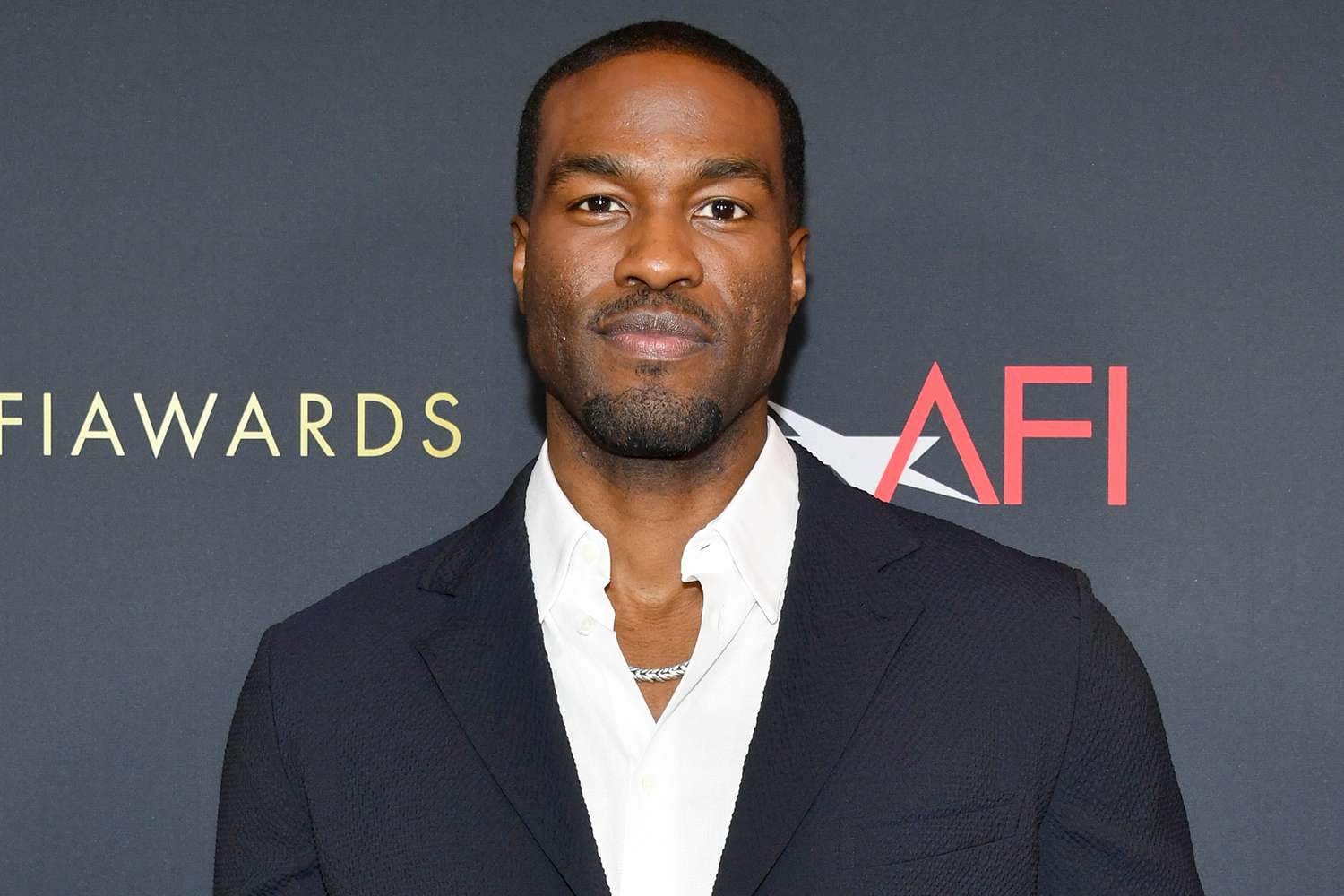
Prince Abdul Mateen of Brunei is a prominent figure whose financial standing is intrinsically linked to the immense wealth of the Bruneian royal family, the House of Bolkiah. Estimating a precise net worth for an individual within a reigning monarchy is inherently complex, as the distinction between personal assets and state-owned wealth managed by the Sultanate is often blurred by constitutional and traditional structures.
The Complexity of Royal Wealth Estimation
When discussing the net worth of Prince Abdul Mateen, it is essential to distinguish between personal liquidity and the sovereign wealth of Brunei. As the son of Sultan Hassanal Bolkiah—one of the world’s longest-reigning monarchs and historically among the wealthiest individuals—Prince Mateen’s financial status is best understood as a reflection of his family's vast holdings. These holdings are not always publicly audited in the way that corporate or private wealth is in Western financial systems.
The primary driver of the Bruneian royal wealth is the nation’s extensive reserves of oil and natural gas. The Sultanate of Brunei has operated for decades under a system where the state treasury and the personal accounts of the Sultan are deeply intertwined. Consequently, while media outlets often provide speculative figures ranging from hundreds of millions to billions of dollars for various members of the royal family, these numbers are frequently extrapolations based on the Sultan’s total estimated wealth rather than verified private financial statements.
The Source of the House of Bolkiah’s Wealth
To understand the financial environment in which Prince Mateen operates, one must look at the macro-economic foundations of Brunei. The country’s economy is heavily dependent on the extraction of hydrocarbons. Since the 1970s, the state has generated massive surpluses through the Brunei Investment Agency (BIA), which manages the nation’s foreign reserves.
The BIA is the entity responsible for investing the country’s oil revenues globally. These investments include high-value real estate in major international hubs such as London, Paris, and New York, as well as diversified portfolios in stocks and other equities. Because the Sultan of Brunei serves as both the head of state and the head of government, the oversight of these funds remains centralized. For a member of the royal family like Prince Mateen, financial access is derived from his position within this structure, rather than independent business ventures or salary-based income in the traditional sense.
Prince Mateen’s Role and Public Presence
Unlike some modern royals who pursue independent careers in finance or technology to establish personal wealth, Prince Mateen’s primary obligations are centered on his military career and public service. He holds the rank of Major in the Royal Brunei Air Force and is a qualified helicopter pilot. His responsibilities involve representing the Sultanate at international diplomatic functions, state visits, and formal ceremonies.
His public life—often characterized by a high-profile presence on social media—has contributed to global interest in his lifestyle. However, this visibility is a component of his royal duty rather than a commercial enterprise. The assets he is associated with, including luxury vehicles, specialized aircraft, and access to royal properties, are part of the state and royal infrastructure maintained by the monarchy.
Comparing Royal Financial Structures
The financial status of royals globally follows different models. The following table illustrates how different monarchies manage their assets and how this influences public perception of "net worth."
| Monarchy Model | Wealth Source | Disclosure Level | Financial Autonomy |
|---|---|---|---|
| Bruneian Model | Sovereign Oil & Gas Reserves | Private/Non-disclosed | Centralized under Sultan |
| UK Constitutional | Sovereign Grant & Duchies | Annual Public Reporting | Managed by estates/treasury |
| European (e.g., Dutch) | Private Family Investment | Partially Disclosed | High personal control |
The Bruneian model is characterized by high levels of confidentiality. There is no requirement for the royal family to release tax returns or net worth statements. Therefore, any "net worth" figure attributed to Prince Mateen in public discourse should be viewed as an estimate of his family’s collective purchasing power rather than a reflection of individual liquid capital or private investment portfolios.
Financial Oversight and Institutional Context
Financial analysts who track the wealth of global monarchs often utilize the "estimated state control" method. This involves calculating the value of the assets managed by the royal family, such as The Dorchester Collection (a group of luxury hotels owned by the Brunei Investment Agency) and other international property holdings. By dividing these estimates by the number of family members, observers create a per-capita estimate of wealth.
However, this method is fundamentally flawed for several reasons:
- Asset Allocation: Royal assets are rarely distributed evenly among family members.
- Maintenance Costs: The costs of maintaining royal residences, security, and diplomatic staff are astronomical and often paid out of the same pools of capital.
- Legal Distinctions: Much of the wealth is legally tied to the office of the Sultan rather than the individual, meaning it is not transferable or liquid for other family members in a standard market sense.
Frequently Asked Questions
Is Prince Abdul Mateen a billionaire? There is no publicly verified evidence that Prince Abdul Mateen holds a personal net worth of one billion dollars. While his family's collective wealth and control over Brunei’s sovereign funds are immense, attributing such figures to an individual is speculative and lacks basis in official financial documentation.
How does Prince Mateen earn his income? Prince Mateen is a career military officer in the Royal Brunei Air Force. His lifestyle and official duties are funded through the royal household’s allocations, which are supported by the nation's sovereign wealth, primarily derived from oil and gas revenues.
Can the Sultan’s wealth be divided among his children? The wealth managed by the Sultan is generally viewed as state-linked or institutional. It is not managed like a private trust or family estate that is distributed equally among heirs. It is intended to support the continuity of the monarchy and the functions of the state.
Why is there so much speculation about his net worth? The intrigue surrounding the Sultan of Brunei’s wealth has historically led to high media interest in his children. Because the royal family keeps their private finances private, the public and media often create estimates based on their visible lifestyle, which is not an accurate metric for calculating true net worth.
Are there official documents regarding his wealth? No. Brunei does not publish financial disclosures regarding the Sultan or his family members. Any figure cited in external articles should be considered an estimation or an unsubstantiated report rather than a financial fact.
Conclusion and Financial Context
The search for "Prince Abdul Mateen’s net worth" essentially reveals the limits of public financial transparency regarding sovereign monarchies. While it is certain that Prince Mateen lives in a state of extreme affluence and security, this wealth is a byproduct of the Bruneian political system and the Sultanate’s historical control over oil resources.
For those interested in financial literacy or the mechanics of wealth, it is important to distinguish between "net worth" as a calculation of assets minus liabilities and the "access to resources" experienced by members of a ruling monarchy. Prince Mateen possesses immense access to institutional, state-level, and familial resources, but he does not operate within a standard personal-wealth framework that allows for traditional net worth calculation. Readers should remain skeptical of any website or publication claiming a specific dollar figure, as these numbers are purely journalistic inventions lacking access to the private records of the House of Bolkiah.