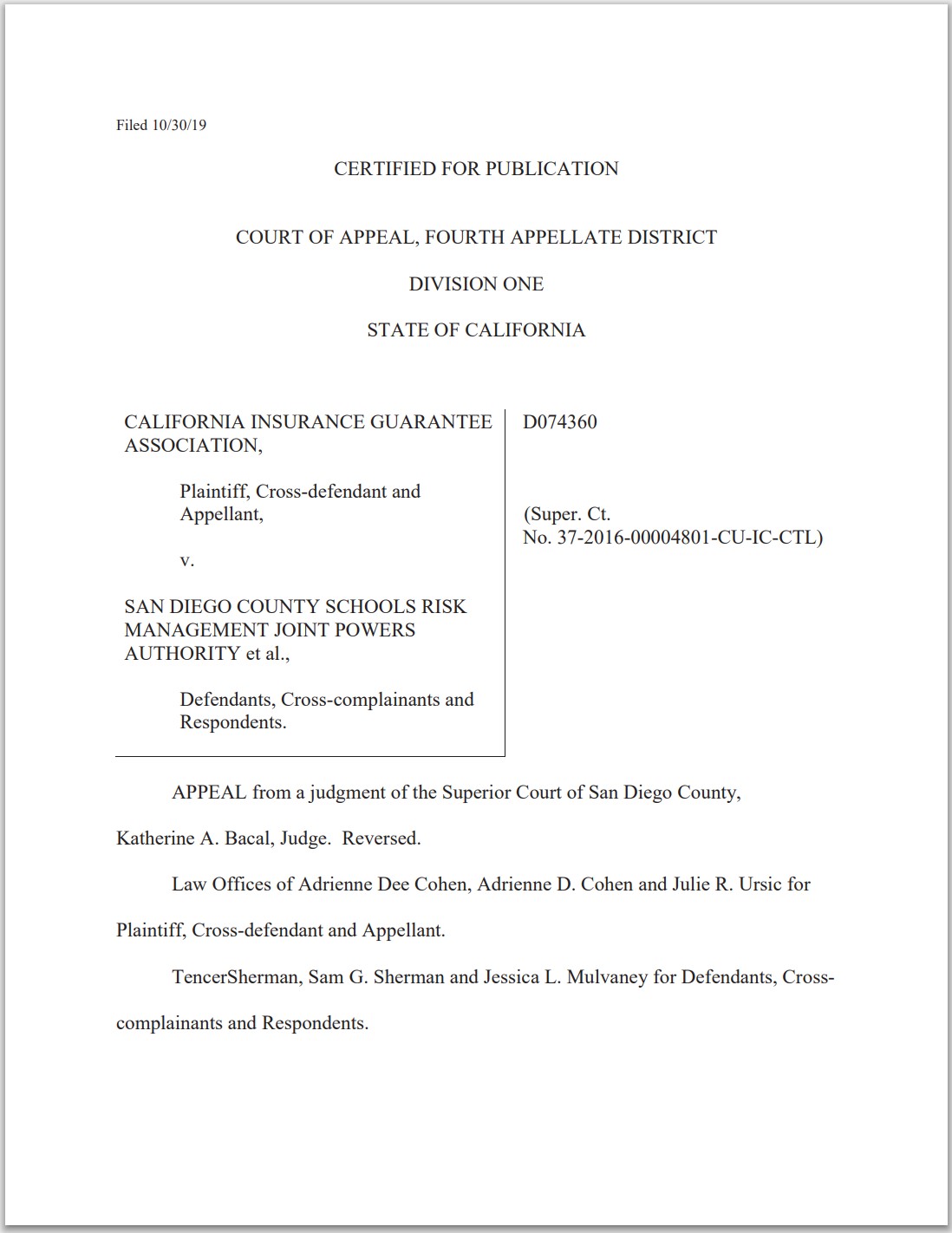
California Assembly Bill 1455 represents a critical legislative effort designed to modernize the state’s workers' compensation framework, specifically targeting the efficiency of medical dispute resolution and the streamlining of independent medical review processes. By addressing administrative bottlenecks, the bill seeks to balance the rights of injured workers to timely care with the operational necessity of cost-containment for employers and insurance carriers.
The Legislative Intent Behind AB 1455
Workers' compensation in California is a complex, highly regulated system governed by the Labor Code. Over the past two decades, the state has undergone multiple waves of reform, most notably the landmark changes in 2004 and 2012. Assembly Bill 1455 functions as a corrective and iterative mechanism within this historical continuum. The primary objective is the mitigation of "friction costs"—the administrative expenses incurred when medical treatments are delayed, denied, or contested without sufficient clinical justification.
By refining the interaction between the Independent Medical Review (IMR) process and the Utilization Review (UR) standards, the legislature aimed to ensure that injured employees receive evidence-based care without the unnecessary delays that historically characterized the system. This reform acknowledges that when medical treatment is delayed, recovery times increase, which ultimately drives up the indemnity costs associated with temporary disability payments.
Understanding the Independent Medical Review (IMR) Mechanics
The core of the reform centers on the IMR process. In California, when a physician’s request for treatment is denied by a carrier’s Utilization Review, the worker has the right to appeal that decision through an IMR. AB 1455 clarifies the standards by which these reviews are conducted, ensuring that independent physicians—who are not financially tethered to either the insurance company or the treating doctor—adhere strictly to the Medical Treatment Utilization Schedule (MTUS).
The MTUS is the cornerstone of evidence-based medicine in California. Under AB 1455, the transparency of this schedule is paramount. The bill requires that any deviations from the standard treatment protocols be documented with clinical specificity. This prevents "rubber-stamp" denials and encourages carriers to perform more thorough initial reviews, thereby reducing the volume of appeals that clog the system.
Impacts on Stakeholders
The implications of the reform affect several distinct groups within the workers' compensation ecosystem. Each group experiences the legislative shifts differently, necessitating a strategic approach to compliance and advocacy.
For Injured Workers
The most significant benefit for workers is the accelerated path to necessary medical treatment. By reducing the turnaround time for IMRs and clarifying the evidence requirements for medical necessity, the bill reduces the "wait-and-see" period that often leads to worsening conditions. Workers are also provided with clearer avenues to challenge decisions, ensuring that their medical records—not just administrative checklists—are the primary drivers of treatment approvals.
For Employers and Insurance Carriers
Employers, particularly those who are self-insured or operate within high-risk industries, benefit from the reduced administrative burden of processing excessive appeals. However, these stakeholders must invest in more robust internal Utilization Review departments to ensure that initial denials are defensible under the stricter scrutiny introduced by the reforms. The goal is to move toward a system where fewer, higher-quality decisions are made at the point of origin, thereby lowering legal and administrative overhead.
For Medical Providers
Healthcare providers, including occupational medicine clinics and specialists, must align their documentation practices with the requirements set forth by the revised MTUS. The reform incentivizes providers to include comprehensive clinical data—such as patient history, diagnostic imaging results, and objective functional tests—at the time of the initial Request for Authorization (RFA). Failure to provide this data often triggers an automatic denial under the current guidelines, regardless of the merit of the treatment plan.
Comparison of Regulatory Standards
To understand the efficacy of the current system, one must compare the procedural requirements before and after the implementation of these legislative updates.
| Feature | Pre-Reform Standard | Post-Reform Standard (AB 1455 Focus) |
|---|---|---|
| UR Documentation | Minimalist/Administrative focus | Evidence-based clinical justification |
| IMR Turnaround | Often exceeded statutory limits | Hardened timelines with audit trails |
| Appeals Process | High volume, frequent reversals | Lower volume, focus on medical merit |
| MTUS Adherence | Discretionary by UR entity | Mandatory alignment for clinical validity |
Navigating the Utilization Review (UR) Process
Effective management of a claim under the current regulatory landscape requires a proactive approach. Employers and claims administrators are encouraged to adopt the following strategies to maintain compliance and facilitate efficient claims resolution:
- Early Intervention: Establishing immediate contact with the injured worker and their treating physician. Early alignment on the medical treatment plan often prevents the need for formal UR and subsequent IMR.
- Clinical Documentation Excellence: Ensuring that medical reports clearly map the requested treatment to a specific injury diagnosis and the MTUS guidelines. Ambiguity is the primary cause of denial and subsequent appeal.
- Audit Compliance: Carriers should conduct internal audits of their UR processes to ensure that all decisions are consistent with the latest updates to the MTUS and relevant labor laws.
- Legal Consultation: In complex cases involving high-cost surgical procedures or long-term disability, legal counsel specializing in California workers' compensation law should be engaged to interpret the specific applicability of recent legislative changes.
Limitations and Ongoing Challenges
Despite the improvements introduced by AB 1455, the system faces persistent challenges. The "medical-legal" component remains a significant source of contention. Even with clearer guidelines, interpretations of "medical necessity" can vary between a treating physician and a peer reviewer. Furthermore, the availability of specialized reviewers for niche medical treatments remains a bottleneck in the IMR process.
There is also the challenge of technological integration. As the state moves toward more digitized filing systems, interoperability between provider Electronic Medical Records (EMR) and carrier UR portals remains uneven. This creates a manual data-entry loop that invites errors and delays—the very things the legislation seeks to minimize.
Frequently Asked Questions
1. Does AB 1455 change the fundamental eligibility for workers' compensation benefits? No. The bill focuses on the procedural and administrative handling of medical treatment requests, not the eligibility criteria for entering the workers' compensation system. You remain eligible if your injury or illness arose out of and in the course of your employment.
2. How does the reform affect the timeline for treatment denials? The reform emphasizes stricter adherence to statutory timelines for Utilization Review. If a carrier fails to respond within the mandated window, the request may be subject to expedited approval processes.
3. Can an injured worker bypass the IMR process? Generally, no. The IMR process is the exclusive legal avenue for challenging a medical necessity denial. Attempting to bypass this process through civil litigation is rarely successful, as the Labor Code mandates the exhaustion of administrative remedies.
4. What if my doctor’s requested treatment is not in the MTUS? If a treatment is not addressed in the Medical Treatment Utilization Schedule, evidence-based, peer-reviewed literature is used to determine necessity. The reform requires that this literature be clearly cited and attached to the RFA to prevent summary denials.
5. How do I verify if my carrier is compliant with these state-level reforms? Compliance is monitored by the California Division of Workers' Compensation (DWC). You can verify carrier performance or file a complaint regarding administrative delays through the DWC’s official public portal if you suspect a violation of standard practices.
Professional Advice Limitation
The information provided in this overview is for educational purposes only and does not constitute legal or medical advice. The application of workers' compensation statutes to specific cases depends on individual circumstances and the specific medical evidence involved. Always consult with a qualified legal professional or a representative from the Division of Workers' Compensation regarding your specific rights and obligations.
Next Steps for Implementation
For stakeholders aiming to navigate this landscape in 2026, the primary action is to conduct a thorough review of existing claims-handling protocols. If you are an employer, verify that your third-party administrator (TPA) is fully updated on current MTUS requirements. If you are an injured worker, ensure that every medical request submitted by your doctor includes a detailed clinical justification. By prioritizing accurate, evidence-based documentation from the outset, the administrative friction that leads to disputes can be significantly minimized, fostering a more functional recovery environment.