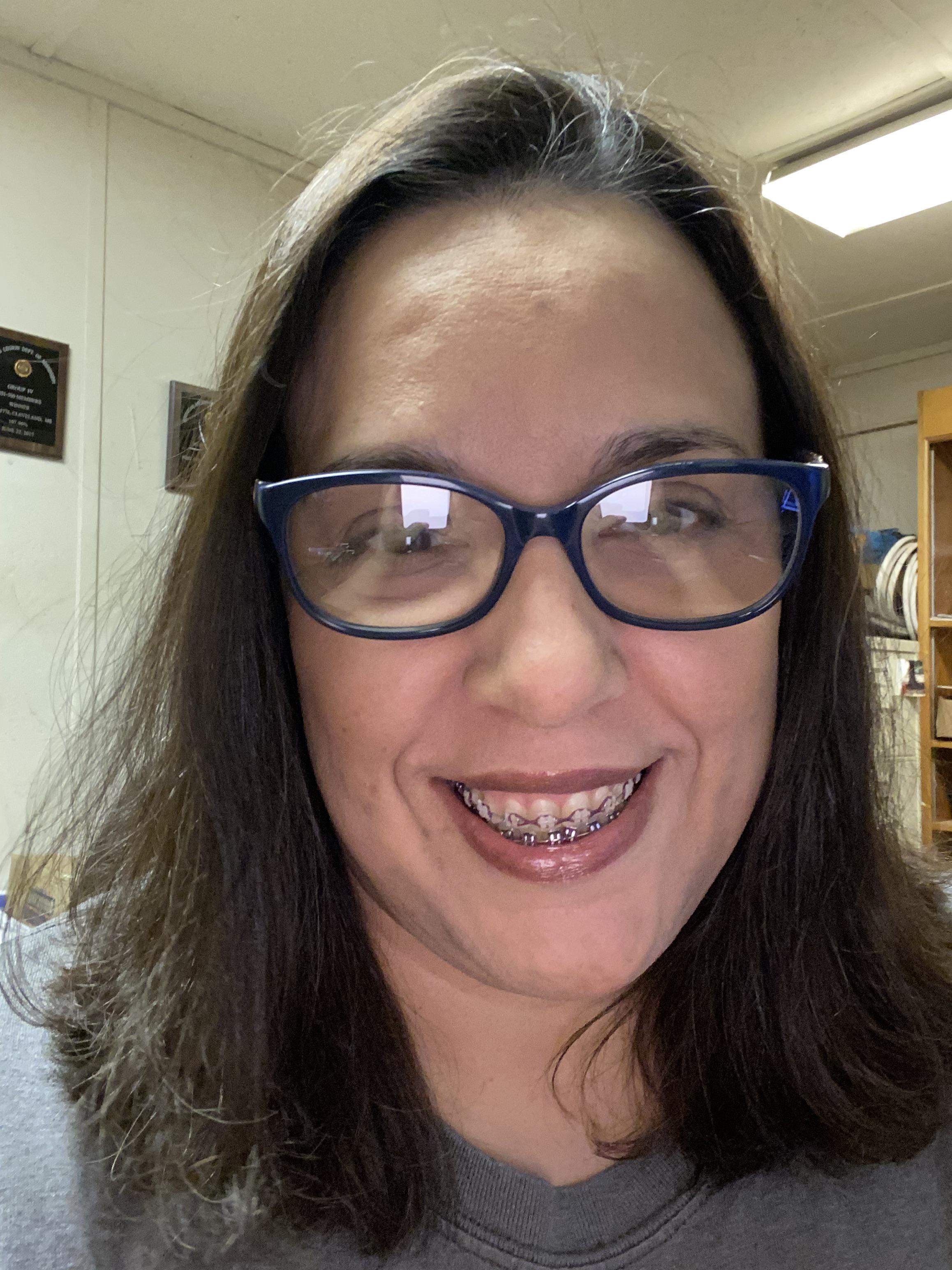
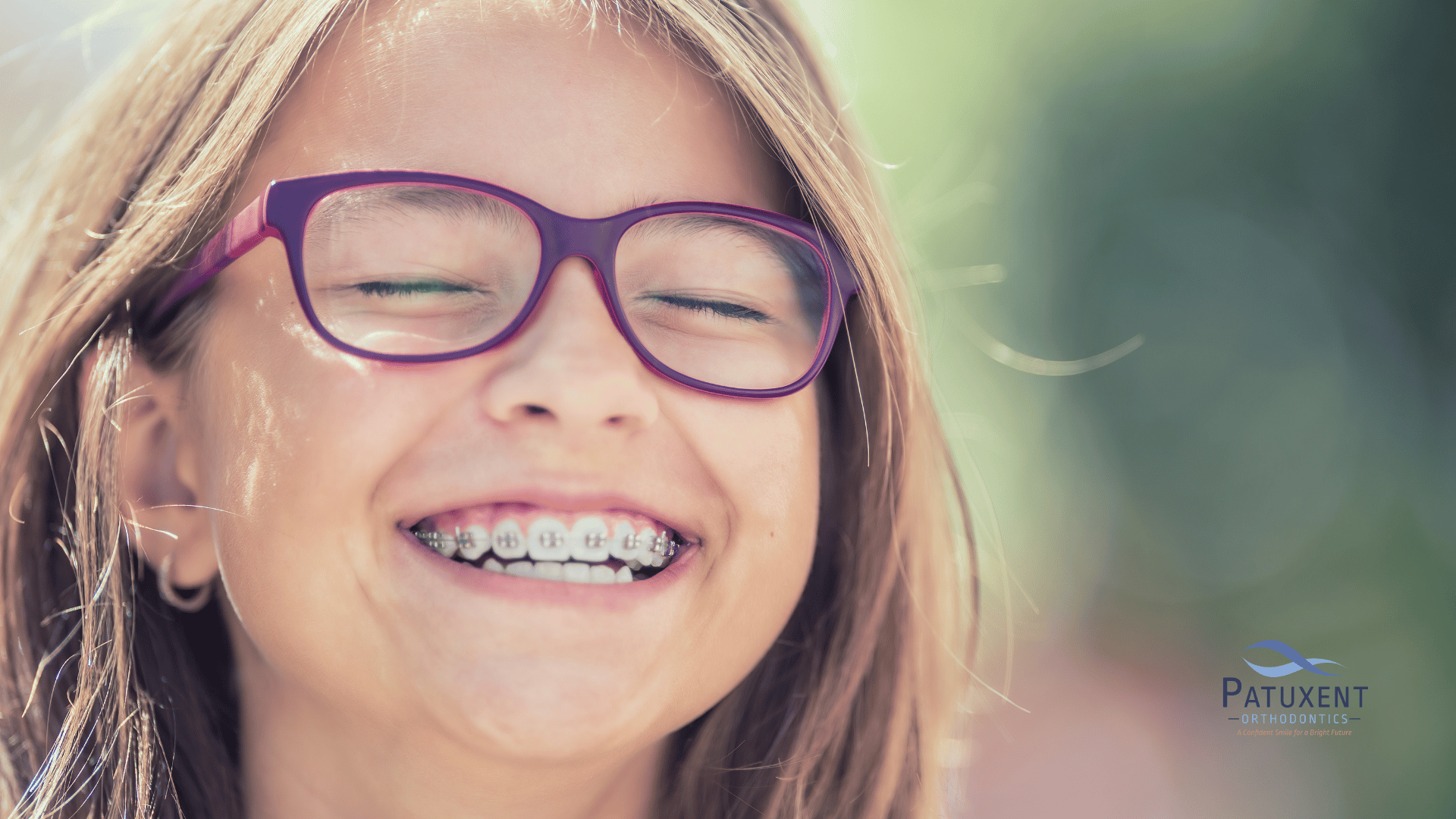
Orthodontic treatment at age 50 is entirely feasible, highly effective, and increasingly common. Adults in their fifties can choose from seven primary types of braces and aligners, ranging from traditional metal brackets to virtually invisible clear aligners, depending on their aesthetic preferences, budget, and specific bite or alignment requirements.
Orthodontic care is no longer reserved exclusively for adolescents. Reaching the age of 50 often brings a renewed focus on personal health, aesthetics, and long-term dental function. Misaligned teeth, crowded arches, overbites, and spacing issues can worsen over time due to natural wear and shifting, leading to difficulties with cleaning, increased risk of gum recession, and abnormal tooth wear.
Fortunately, biological tooth movement operates on the same cellular principles at age 50 as it does at age 15. Bone remodeling occurs continuously throughout life, meaning that teeth can be successfully guided into new positions regardless of a patient's decade. However, adult orthodontics often requires a more comprehensive approach. Mature patients may have restorations, crowns, implants, missing teeth, or underlying periodontal (gum) considerations that demand close coordination between an orthodontist and a general dentist or periodontist.
Exploring the orthodontic landscape reveals a diverse selection of appliances designed to accommodate professional lifestyles, aesthetic concerns, and clinical needs. Understanding these choices empowers fifty-year-old patients to have informed discussions during consultations with qualified orthodontic specialists.
1. Traditional Metal Braces
Traditional metal braces remain the most common and robust orthodontic appliance available. Consisting of high-grade stainless steel brackets bonded to the front surface of each tooth and connected by a flexible archwire, modern metal brackets are significantly smaller, smoother, and more comfortable than those used decades ago.
For a 50-year-old patient, the primary advantage of traditional metal braces is unmatched mechanical control. Complex rotational movements, severe crowding, and significant bite discrepancies are often resolved most predictably with fixed metal appliances. Because they are permanently attached, patient compliance is not a factor in how many hours a day they are worn.
However, the primary drawback for adults in professional or social environments is visibility. Metal brackets and wires are conspicuous, which can be a deterrent for individuals conscious of their appearance in the workplace. Additionally, oral hygiene requires extra diligence, as food particles and plaque easily trap around the brackets and wires, necessitating specialized floss threaders and interdental brushes.
2. Ceramic (Clear) Braces
Ceramic braces function identically to traditional metal braces, utilizing the same mechanical principles to shift teeth. The key difference lies in the material of the brackets. Instead of stainless steel, ceramic braces use translucent, tooth-colored ceramic or porcelain materials that blend naturally with the shade of the patient's teeth.
This option appeals strongly to 50-year-old adults who require the precise three-dimensional control of fixed braces but wish to maintain a more subtle, professional appearance. When paired with tooth-colored or frosted archwires, ceramic braces can be remarkably discreet from a conversational distance.
There are, however, distinct trade-offs. Ceramic brackets are inherently more brittle than metal, making them slightly more susceptible to fracturing if subjected to hard or crunchy foods. Furthermore, while the brackets themselves are stain-resistant, the elastic ligatures (the tiny rubber bands that hold the wire to the bracket) can easily stain from coffee, tea, red wine, or tobacco, requiring frequent adjustments or dietary mindfulness.
3. Lingual Braces
Lingual braces offer a unique aesthetic advantage: they are custom-crafted and bonded exclusively to the lingual (tongue-side) surfaces of the teeth. From the outside, they are entirely invisible to other people, making them an ideal choice for adults in public-facing careers, performers, or anyone who wants completely concealed orthodontic treatment.
Creating lingual braces involves advanced digital scanning and laboratory fabrication to ensure each bracket fits the unique contours of the inner tooth surface. They provide the full biomechanical power of traditional fixed braces while keeping hardware completely out of sight.
Despite their cosmetic appeal, lingual braces present significant adaptation challenges. Because the brackets reside on the inside of the teeth, they frequently interfere with the tongue, leading to initial speech difficulties, lisps, and soreness along the tongue and inner cheeks. Maintaining oral hygiene is also notably more difficult, as direct visualization of the brackets during brushing and flossing is severely restricted. They also tend to carry a higher financial cost due to the specialized laboratory work required.
4. Clear Aligners (e.g., Invisalign)
Clear aligner therapy utilizes a series of custom-made, removable, medical-grade plastic trays that progressively move teeth into alignment. Patients wear each set of trays for approximately one to two weeks, removing them only to eat, drink anything other than water, brush, and floss.
For a 50-year-old adult, clear aligners represent the pinnacle of convenience and discretion. The virtually transparent plastic is nearly imperceptible, allowing adults to undergo treatment without altering their social or professional routines. Because aligners are removable, patients can maintain their normal dietary habits without restrictions and practice regular oral hygiene without navigating around brackets and wires.
Success with clear aligners depends heavily on patient compliance. Aligners must be worn for 20 to 22 hours per day to achieve the prescribed tooth movement. Furthermore, while modern clear aligner systems have evolved to handle complex movements with precision attachments, severely rotated teeth, significant bite discrepancies, or large vertical adjustments may still require traditional fixed appliances for optimal results.
5. Self-Ligating Braces
Self-ligating braces (such as Damon system brackets) look similar to traditional metal or ceramic braces, but they operate without elastic or wire ligatures. Instead, they feature a built-in mechanical sliding door or "clip" that holds the archwire in place.
This design reduces friction between the wire and the bracket, allowing teeth to move more freely and potentially with less perceived discomfort. For a 50-year-old patient, the reduced friction can sometimes translate into more efficient tooth alignment and fewer visits to the orthodontist for adjustments.
The absence of elastic ties also offers a practical benefit for oral hygiene: fewer areas for plaque and food debris to accumulate. While self-ligating braces are still visible on the front of the teeth (available in both metal and aesthetic ceramic versions), they represent a modern evolution of fixed hardware that prioritizes comfort and simplified maintenance.
6. Functional and Specialized Orthopedic Appliances
In some cases, a 50-year-old adult presents not just with misaligned teeth, but with underlying skeletal jaw discrepancies or severe bite issues. While orthopedic jaw modification is much simpler in growing children, adult treatment occasionally incorporates specialized auxiliary appliances.
Examples include rapid palatal expanders (though surgically assisted rapid palatal expansion—SARPE—is usually required for adults due to fused cranial sutures) or fixed functional appliances designed to posture the lower jaw forward. These are rarely used as standalone treatments but serve as preparatory or concurrent phases before brackets or aligners are applied.
These appliances require careful evaluation by an orthodontist and often an oral and maxillofacial surgeon. They are reserved for complex cases where bite correction requires structural skeletal changes rather than simple tooth tipping.
7. Short-Term / Partial Braces
Short-term or partial braces focus exclusively on the aesthetic alignment of the "social six" (the front upper and lower teeth visible when smiling). These treatments utilize fixed brackets or targeted aligner sequences for a compressed timeframe, often lasting between four to nine months.
Many 50-year-old adults seek orthodontic treatment because their front teeth have crowded or shifted later in life—a common occurrence as natural facial aging causes the arches to narrow. If the posterior bite is stable and healthy, partial or short-term braces offer a streamlined, cost-effective solution focused purely on anterior aesthetics.
While these treatments are efficient, patients must understand their limitations. Short-term braces do not correct underlying bite misalignments (such as severe overbites, underbites, or crossbites). An orthodontist must carefully assess whether a patient is a candidate for partial treatment, as moving only the front teeth without addressing the entire bite can sometimes lead to functional or occlusal instability.
Comparison of Orthodontic Options for Adults
| Option | Visibility | Removable? | Primary Advantage | Main Limitation |
|---|---|---|---|---|
| Traditional Metal Braces | High | No | Maximum control for complex cases | Highly visible; requires diligent hygiene |
| Ceramic Braces | Low to Moderate | No | Discreet appearance with fixed control | Brackets are brittle; elastics can stain |
| Lingual Braces | None (Hidden) | No | Completely invisible from outside | Speech adaptation; difficult cleaning |
| Clear Aligners | Very Low | Yes | Removable, comfortable, highly aesthetic | Requires strict 20-22 hr daily wear |
| Self-Ligating Braces | Moderate | No | Lower friction; fewer adjustments needed | Still visible on teeth (unless ceramic) |
| Specialized Appliances | Varies | No | Addresses underlying skeletal issues | Complex; often requires surgery in adults |
| Short-Term Braces | Moderate | No | Faster treatment time for front teeth | Does not correct overall bite issues |
Prerequisites and Health Considerations at Age 50
Undergoing orthodontic treatment at 50 requires a thorough evaluation of periodontal (gum) and dental health. Unlike younger patients whose supporting bone is actively growing and adapting, adults have mature bone structures and potential history of dental restorations.
Before any braces or aligners are placed, the following conditions must be evaluated and managed:
- Periodontal Health: Active gum disease (periodontitis) must be treated and stabilized. Moving teeth through inflamed or diseased bone can lead to rapid bone loss and tooth mobility. A comprehensive periodontal charting is a mandatory prerequisite.
- Existing Restorations: Crowns, bridges, veneers, and dental implants respond differently to orthodontic forces than natural teeth. Implants, for instance, are ankylosed (fused directly to the bone) and cannot be moved; orthodontic plans must plan around fixed implants.
- Root Resorption: Adults have a slightly higher baseline risk of root resorption (the shortening of tooth roots during movement), requiring orthodontists to apply lighter, more controlled forces and monitor progress via periodic radiographs.
Frequently Asked Questions
Will braces hurt more at age 50 than when I was a teenager?
Biological tooth movement relies on the same cellular inflammation and remodeling process regardless of age. While adults do not experience fundamentally different pain biology, mature bone is slightly denser than adolescent bone, which can sometimes result in slightly more pronounced initial soreness following adjustments. Modern low-force wires and customized aligners, however, have significantly minimized discomfort across all age groups.
How long does orthodontic treatment take for a 50-year-old?
Treatment duration varies depending on the complexity of the case and the chosen appliance. Simple alignment of anterior crowding using clear aligners or short-term braces may take 6 to 12 months. Comprehensive full-mouth alignment and bite correction typically require 18 to 24 months, which is comparable to, or only slightly longer than, treatment times for younger patients.
Can I get braces if I have crowns, bridges, or missing teeth?
Yes. Having crowns, bridges, or missing teeth does not disqualify a 50-year-old from orthodontic treatment. However, it does require specialized planning. Orthodontists frequently work alongside restorative dentists to upright tipped teeth before placing a bridge or implant, or to close spaces left by missing teeth where appropriate.
Will insurance cover braces for a 50-year-old adult?
Dental insurance coverage for orthodontics varies widely by policy. While many traditional plans limit orthodontic benefits to dependents under a certain age (often 19), an increasing number of modern employer-sponsored dental plans offer lifetime orthodontic maximums that apply to adults as well. Patients should review their specific policy documentation or consult their insurance provider before beginning treatment.
Can clear aligners fix every alignment issue?
Clear aligners have advanced significantly and can treat a vast majority of mild-to-moderate alignment and bite issues. However, severe skeletal discrepancies, complex root torques, and major vertical adjustments may still require fixed appliances (metal or ceramic braces) to achieve a stable, functionally correct bite.
Next Actions and Recommendation
If you are 50 and considering orthodontic treatment, your first and most important step is to schedule a comprehensive consultation with a board-certified orthodontist. Ensure your general dentist performs a routine checkup and cleaning prior to your orthodontic visit to confirm that your gums and restorations are stable. During your consultation, discuss your lifestyle, aesthetic concerns, and functional goals to determine whether fixed braces or clear aligners represent the ideal pathway to a healthier, more confident smile.