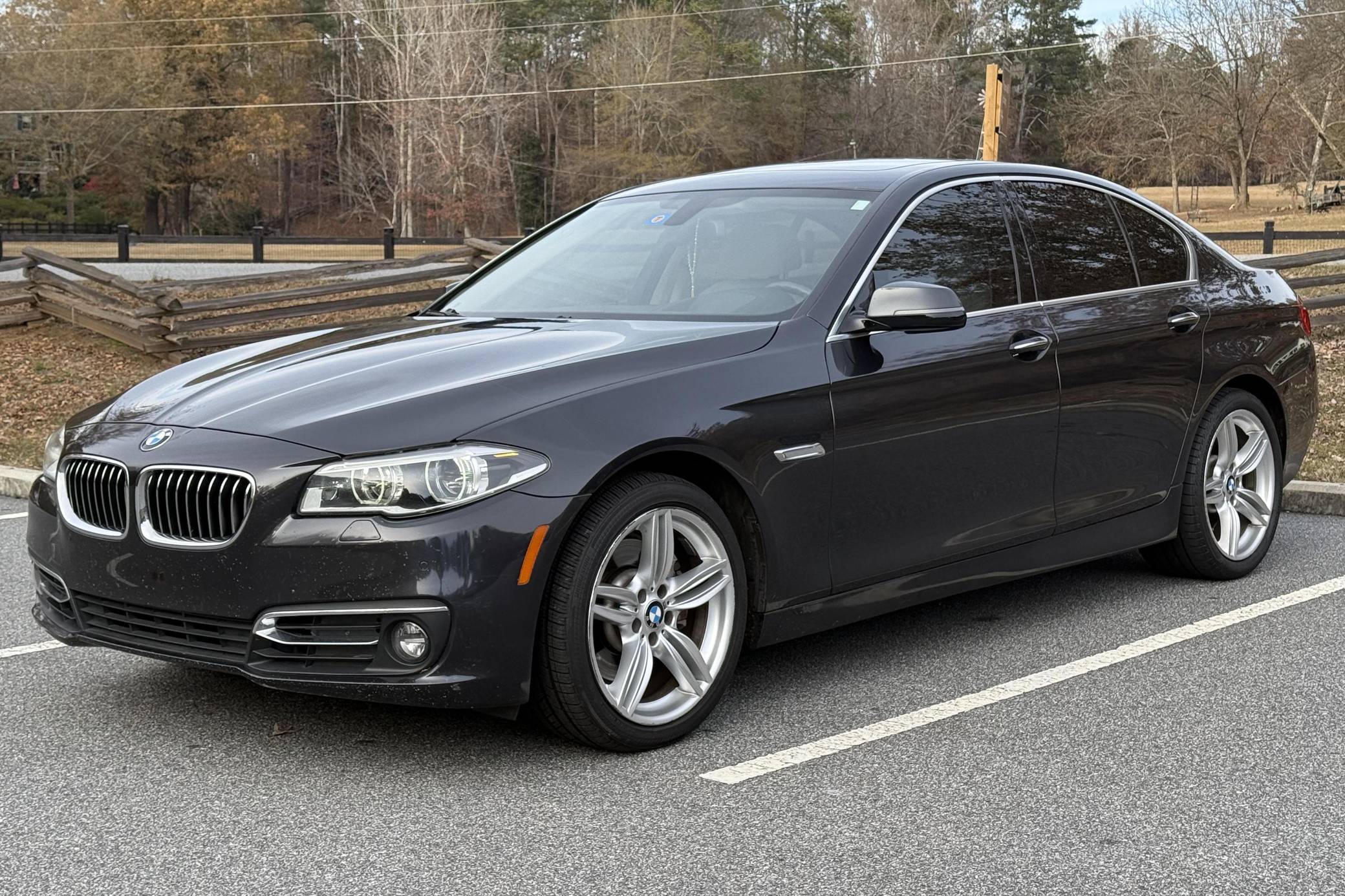
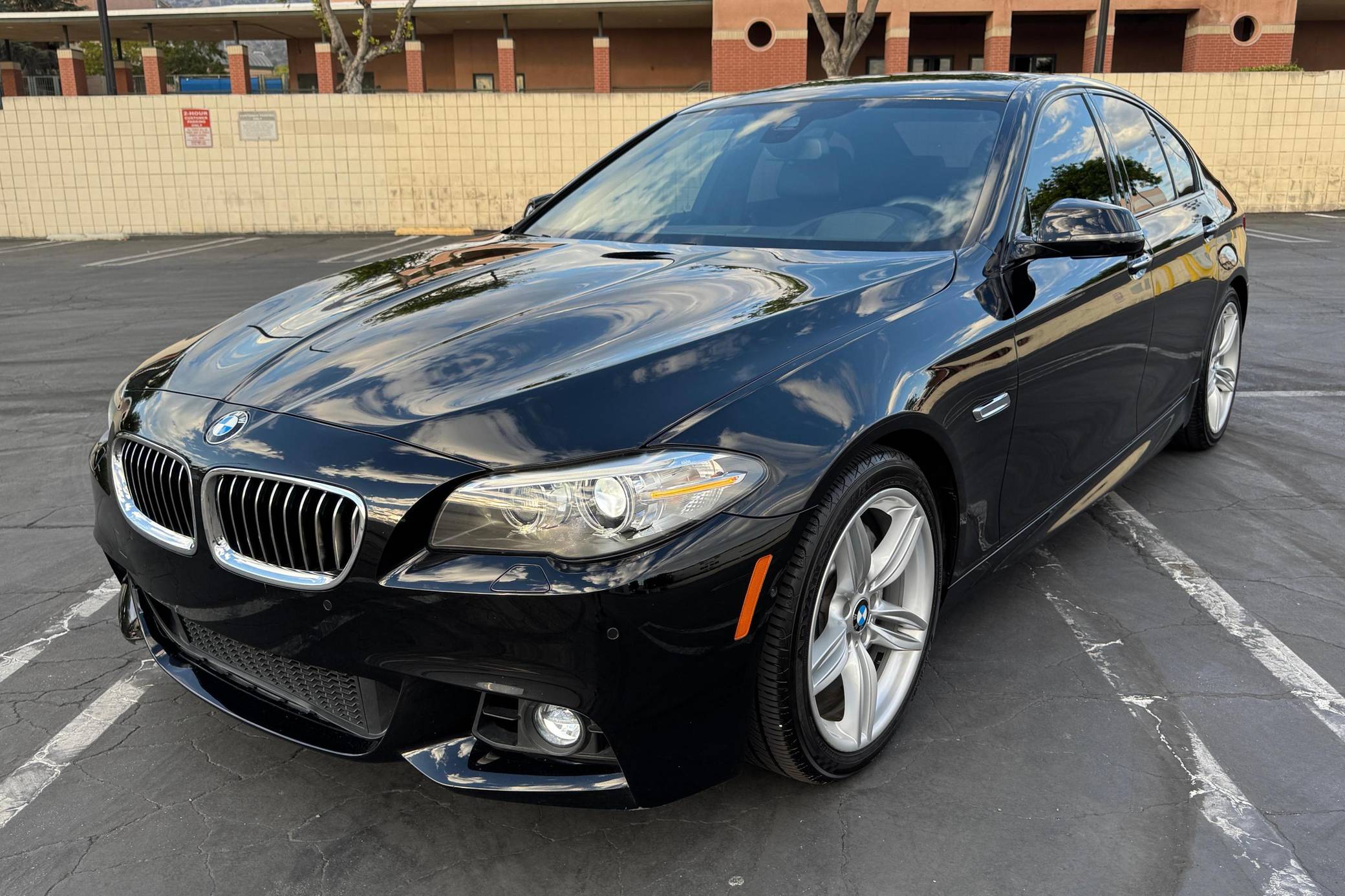
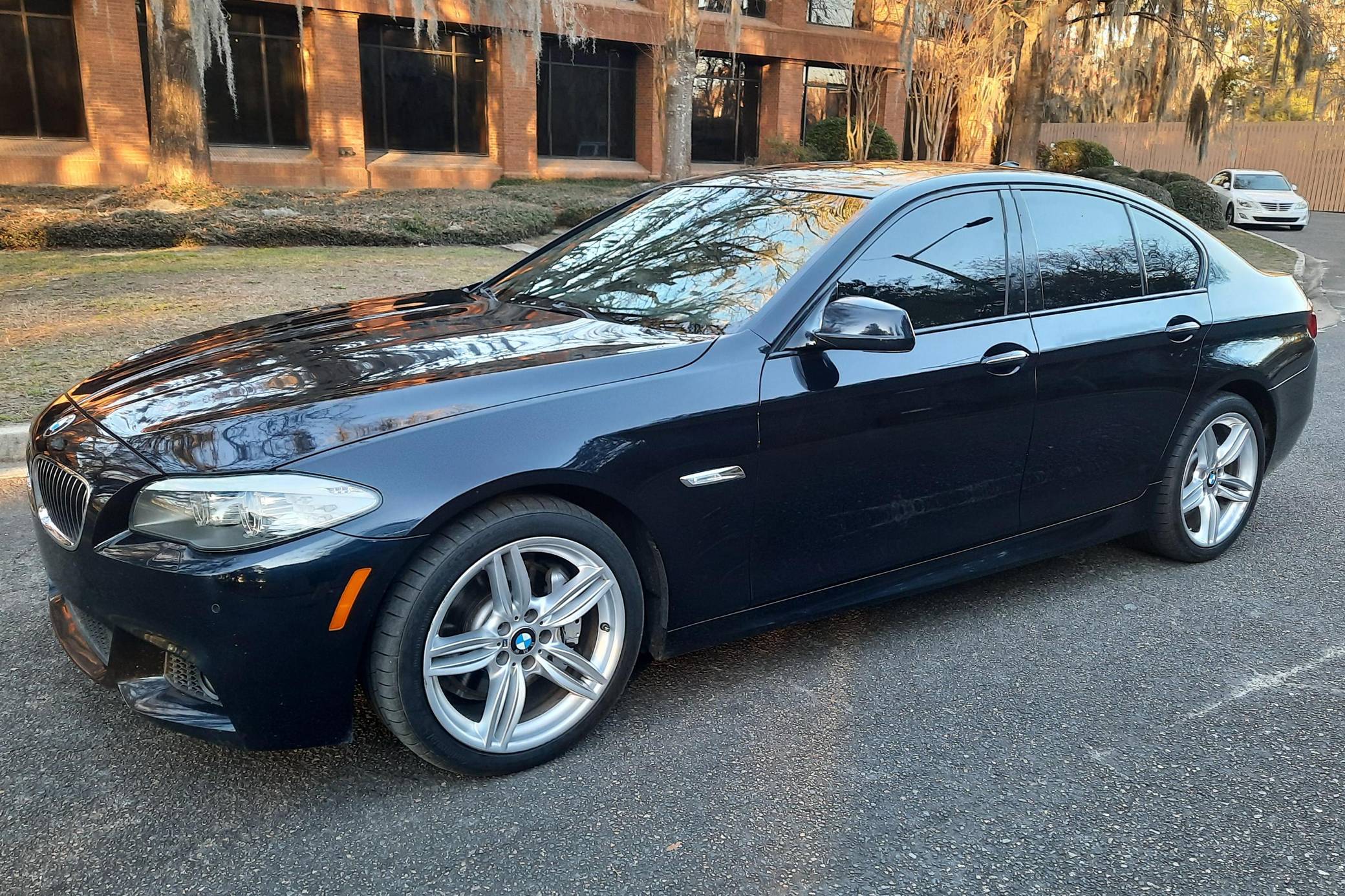
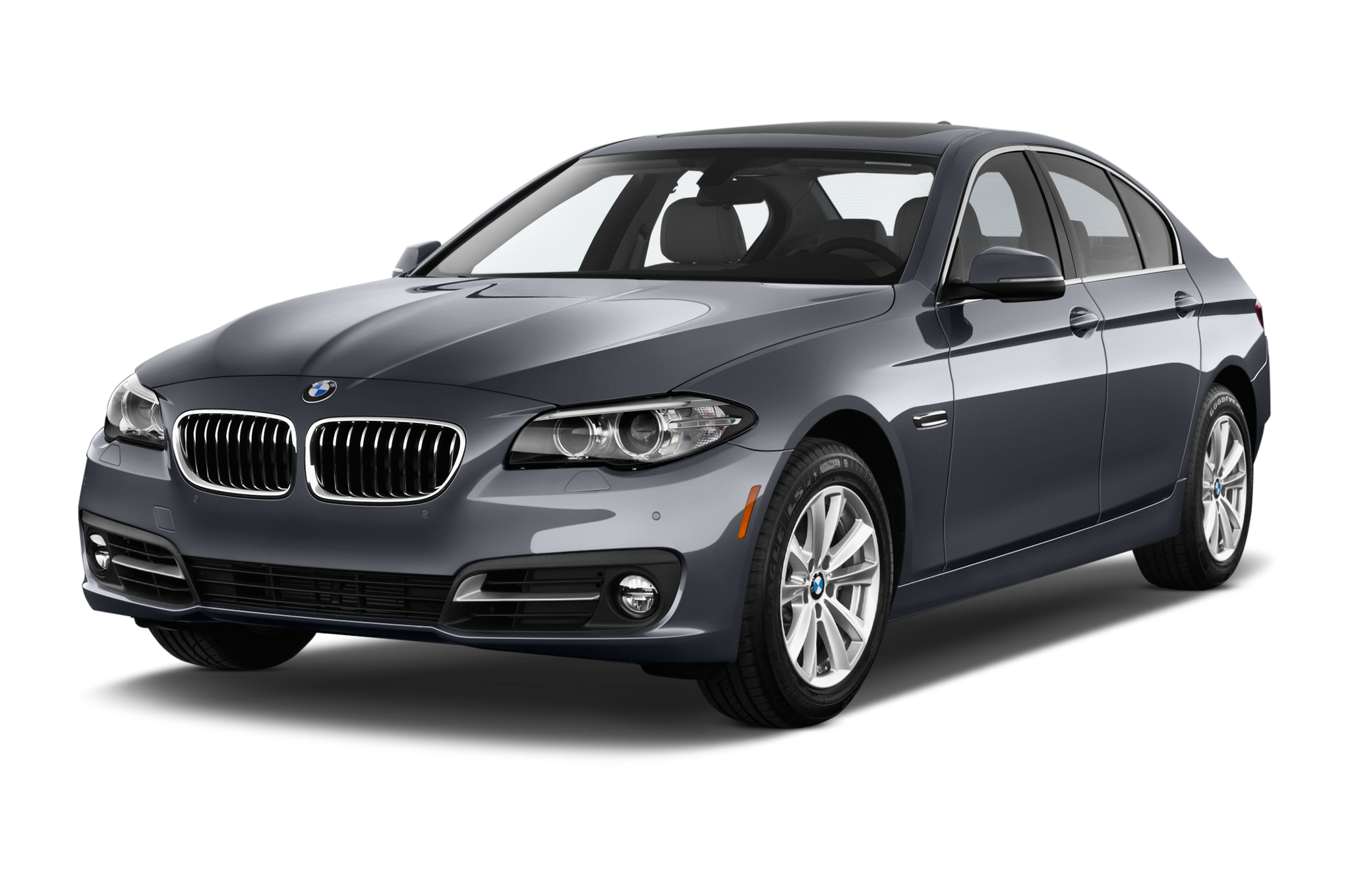
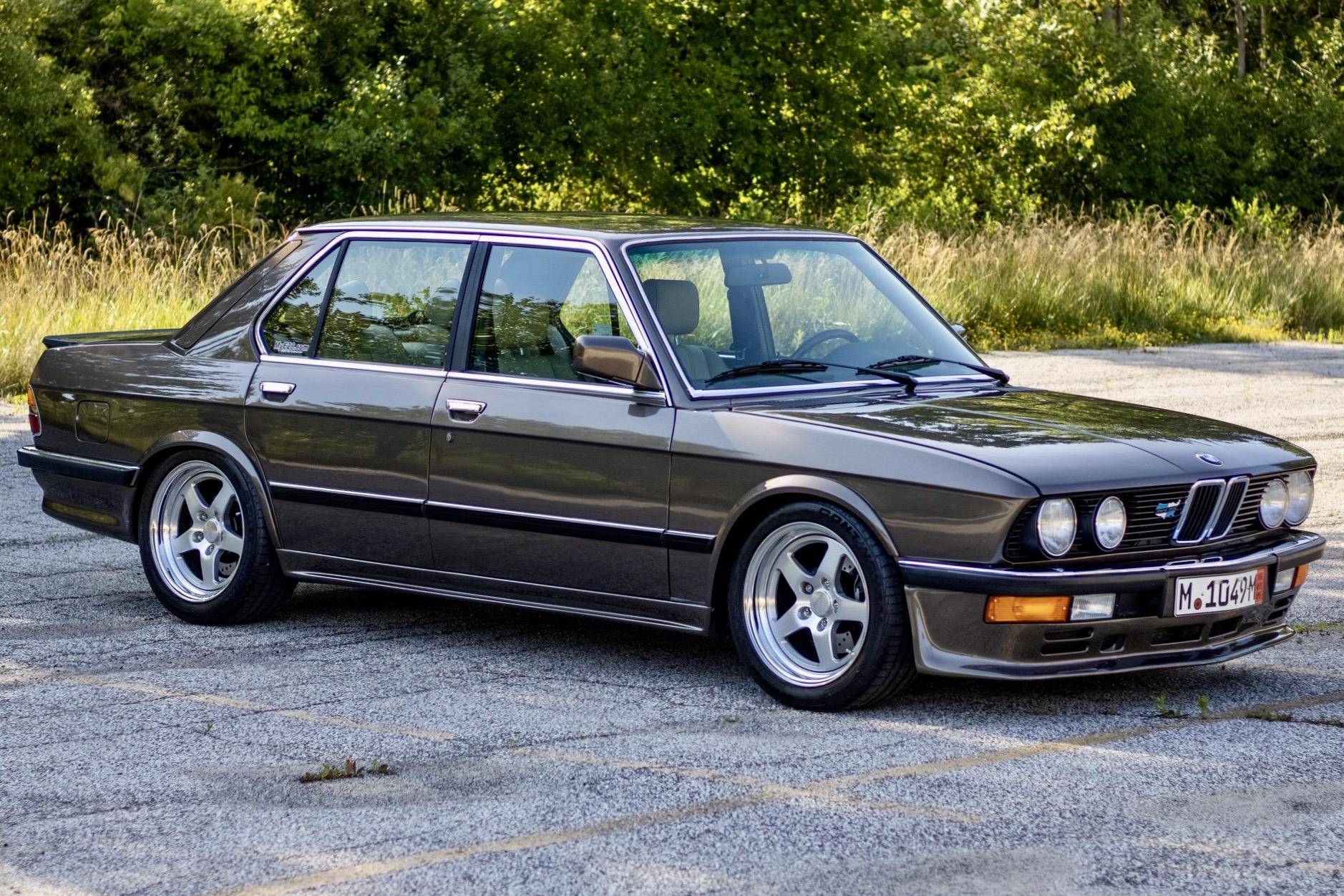
The BMW 535i has historically represented the sweet spot in the mid-size luxury sedan hierarchy, bridging the gap between standard four-cylinder efficiency and high-performance V8 or M-power models. Across its various generations—most notably the E34, E60, and F10 iterations—the 535i designation has signified a sophisticated turbocharged or naturally aspirated inline-six engine delivering between 208 and 300 horsepower, depending on the specific model year and market specifications.
Understanding the 535i BMW Lineage and Engine Philosophy
The designation "535i" occupies a storied place in BMW’s nomenclature. For automotive enthusiasts, the 5-Series has always served as the benchmark for executive sport sedans. Within this lineup, the numbers following the series identifier historically denoted engine displacement. However, as the automotive industry shifted toward forced induction and emissions compliance, BMW transitioned from large-displacement naturally aspirated powerplants to smaller, highly efficient turbocharged engines that punched well above their weight class.
To fully understand the horsepower figures associated with the 535i moniker, one must examine how BMW engineered its inline-six (I6) engines over the decades. The inline-six configuration is inherently balanced, providing smooth power delivery and a distinct acoustic profile that resonates with driving purists. Whether utilizing port injection, direct injection, single turbochargers, or twin-scroll turbocharging technology, the 535i has consistently prioritized a broad torque curve and refined power delivery over raw, track-focused aggression.
Historical Evolution of 535i Horsepower By Generation
The horsepower output of the BMW 535i has varied significantly across production eras. While older generations relied on naturally aspirated displacement to generate power, modern iterations leverage advanced turbocharging to achieve substantial horsepower and torque figures at remarkably low engine speeds.
The Classic Era: E34 535i (1988–1993)
The E34 generation introduced the 535i nameplate to many global markets, utilizing the tried-and-true M30B35 3.5-liter naturally aspirated inline-six engine.
- Engine Code: M30B35
- Induction: Naturally Aspirated
- Horsepower: 208 hp (SAE) / 211 PS (ECE) at 5,700 RPM
- Torque: 225 lb-ft (305 Nm) at 4,000 RPM
This engine was renowned for its bulletproof durability and cast-iron block construction. While its horsepower figures appear modest by modern standards, the E34 535i provided robust acceleration for its era and established the baseline for executive performance.
The Modern Classic: E60 535i (2008–2010)
Following a hiatus where the 535i badge was absent from North American markets (replaced by the 530i and 545i/550i), the badge returned with the mid-cycle refresh of the E60 generation. This era marked a revolutionary shift for BMW as they introduced the N54 twin-turbocharged inline-six engine.
- Engine Code: N54B30
- Induction: Twin-Turbocharged (Parallel)
- Horsepower: 300 hp at 5,800 RPM
- Torque: 300 lb-ft (407 Nm) from 1,400 to 5,000 RPM
The N54 engine completely transformed the performance narrative of the 535i. By utilizing two small turbochargers, BMW eliminated traditional turbo lag, delivering a flat torque curve that peaked almost immediately off idle and sustained itself across the rev range. This motor quickly gained a legendary reputation among tuners for its ability to produce massive power gains with simple software modifications.
The Mainstream Executive: F10 535i (2011–2016)
The F10 generation refined the formula introduced by the E60, transitioning from the twin-turbo N54 to the single, twin-scroll turbocharged N55 engine, and later introducing the B58 engine in select related models, though the 535i retained the N55 throughout its primary run.
- Engine Code: N55B30
- Induction: Twin-Scroll Single Turbocharged
- Horsepower: 300 hp at 5,800–6,000 RPM
- Torque: 300 lb-ft (407 Nm) from 1,200 to 5,000 RPM
While peak horsepower and torque figures remained identical to the outgoing N54, the N55 utilized Valvetronic variable valve timing and a single twin-scroll turbocharger to improve thermal efficiency, throttle response, and low-end emissions compliance.
Comparative Technical Specifications of 535i Models
| Generation | Production Years | Engine Code | Horsepower (hp) | Torque (lb-ft) | Induction Type |
|---|---|---|---|---|---|
| E34 | 1988–1993 | M30B35 | 208 hp @ 5,700 RPM | 225 lb-ft @ 4,000 RPM | Naturally Aspirated |
| E60 | 2008–2010 | N54B30 | 300 hp @ 5,800 RPM | 300 lb-ft @ 1,400–5,000 RPM | Twin-Turbocharged |
| F10 | 2011–2016 | N55B30 | 300 hp @ 5,800 RPM | 300 lb-ft @ 1,200–5,000 RPM | Twin-Scroll Turbocharged |
Performance Realities: Real-World Power and Acceleration
Factory horsepower ratings only tell part of the story. In real-world driving conditions, the forced-induction 535i models (E60 and F10) punch well above their weight class due to how power is delivered.
Because maximum torque is available from as low as 1,200 to 1,400 RPM, the car responds instantly to throttle inputs without requiring the driver to aggressively downshift. An F10 535i equipped with the standard rear-wheel-drive layout can accelerate from 0 to 60 mph in approximately 5.7 to 5.9 seconds, depending on transmission tuning (the ubiquitous ZF 8-speed automatic) and environmental conditions. All-wheel-drive variants (xDrive) shave a fraction of a second off the initial launch due to enhanced traction off the line.
Furthermore, independent dyno testing over the years has frequently revealed that BMW notoriously underrated the horsepower figures of both the N54 and N55 engines. Wheel horsepower (whp) figures recorded on mainstream dynamometers often suggest that the engine output at the crankshaft is closer to 320 to 330 horsepower, ensuring that the 535i offered performance that frequently blurred the lines with V8-powered models of earlier decades.
Common Modifications and Power Potential
For enthusiasts examining the horsepower potential of modern turbocharged 535i models, the aftermarket offers extensive pathways to elevate performance significantly beyond factory specifications.
ECU Tuning (Flash Tunes and Piggyback Modules)
The most common and effective modification for the N54 and N55 engines is engine control unit (ECU) software optimization. Because factory turbochargers operate conservatively to ensure long-term reliability across varying global fuel qualities and climates, increasing target boost pressure through a software flash can yield immediate gains.
- Stage 1 Tune: Typically requires no hardware modifications and elevates an F10 535i from 300 hp to roughly 360–380 hp.
- Stage 2 Tune: Requires supporting hardware such as a high-flow downpipe and upgraded intercooler, pushing output past the 400-horsepower threshold.
Supporting Hardware Upgrades
Simply increasing boost on a turbocharged engine creates additional heat. To maintain consistent horsepower during spirited driving or track use, owners frequently upgrade supporting systems:
- Intercoolers: Upgraded front-mount intercoolers (FMIC) reduce intake air temperatures (IATs), preventing heat soak and power loss.
- Air Intakes: High-flow intake systems improve turbo spool sound and volumetric efficiency, though stock airboxes are generally well-engineered for moderate power levels.
- Charge Pipes: Factory plastic charge pipes on N54 and N55 engines are prone to cracking under increased boost pressure; replacing them with aftermarket aluminum pipes is a mandatory reliability upgrade.
Ownership Considerations: Maintaining High-Performance Inline-Sixes
Extracting reliable power from a high-output luxury sedan requires diligent maintenance. Owners evaluating a 535i—particularly used models from the E60 and F10 generations—must account for specific mechanical tendencies inherent to direct-injection turbocharged engines.
Carbon buildup on intake valves is a common byproduct of direct fuel injection, where fuel no longer washes over the back of the intake valves. Periodic walnut blasting (abrasive cleaning) is typically required every 60,000 to 80,000 miles to restore optimal airflow and prevent idle misfires. Additionally, high-pressure fuel pumps (HPFP), water pumps, and oil filter housing gaskets represent standard wear items that require proactive inspection to ensure the engine operates at peak thermal and hydraulic efficiency.
Frequently Asked Questions
What is the stock horsepower of a BMW 535i?
The stock horsepower of a BMW 535i varies by generation. The classic E34 generation (1988–1993) produced 208 horsepower. Modern turbocharged variants, including the E60 (2008–2010) and F10 (2011–2016) generations, are factory-rated at 300 horsepower.
Is the BMW 535i twin-turbocharged?
It depends on the model year. The E60 generation 535i (2008–2010) uses the N54 engine, which features true twin-turbocharging with two parallel turbochargers. The later F10 generation 535i (2011–2016) uses the N55 engine, which features a single twin-scroll turbocharger despite retaining the 300-horsepower output.
Can a stock 535i engine handle increased horsepower through tuning?
Yes. Both the N54 and N55 engines possess robust internal components (forged crankshafts in many applications and sturdy block architecture) that easily handle a Stage 1 ECU tune without internal engine modifications, pushing output to 360 horsepower or more safely.
How fast is a stock BMW 535i from 0 to 60 mph?
A modern turbocharged BMW 535i (such as the F10 generation) typically accelerates from 0 to 60 mph in approximately 5.7 to 5.9 seconds when equipped with the standard rear-wheel-drive setup and automatic transmission.
What replaced the 535i in BMW's lineup?
In subsequent generations following the F10, BMW restructured its mid-tier inline-six nomenclature. The direct successor model designations transitioned to the 540i, utilizing newer iterations of BMW's modular inline-six engines (such as the B58) with significantly higher baseline horsepower figures starting around 335 hp and climbing higher in later revisions.
Final Recommendations for Enthusiasts and Buyers
For prospective buyers and automotive enthusiasts researching the 535i, understanding the precise horsepower figures and engine dynamics provides essential context for evaluating performance expectations. If you prioritize raw tuning potential, the twin-turbo N54-powered E60 or early F10 models offer immense headroom. If refined daily drivability, smooth power delivery, and improved thermal efficiency are paramount, the twin-scroll N55-powered F10 535i stands out as a remarkably well-rounded executive cruiser. Always prioritize comprehensive service records and professional pre-purchase inspections to ensure the chosen vehicle's mechanical health matches its impressive on-paper specifications.