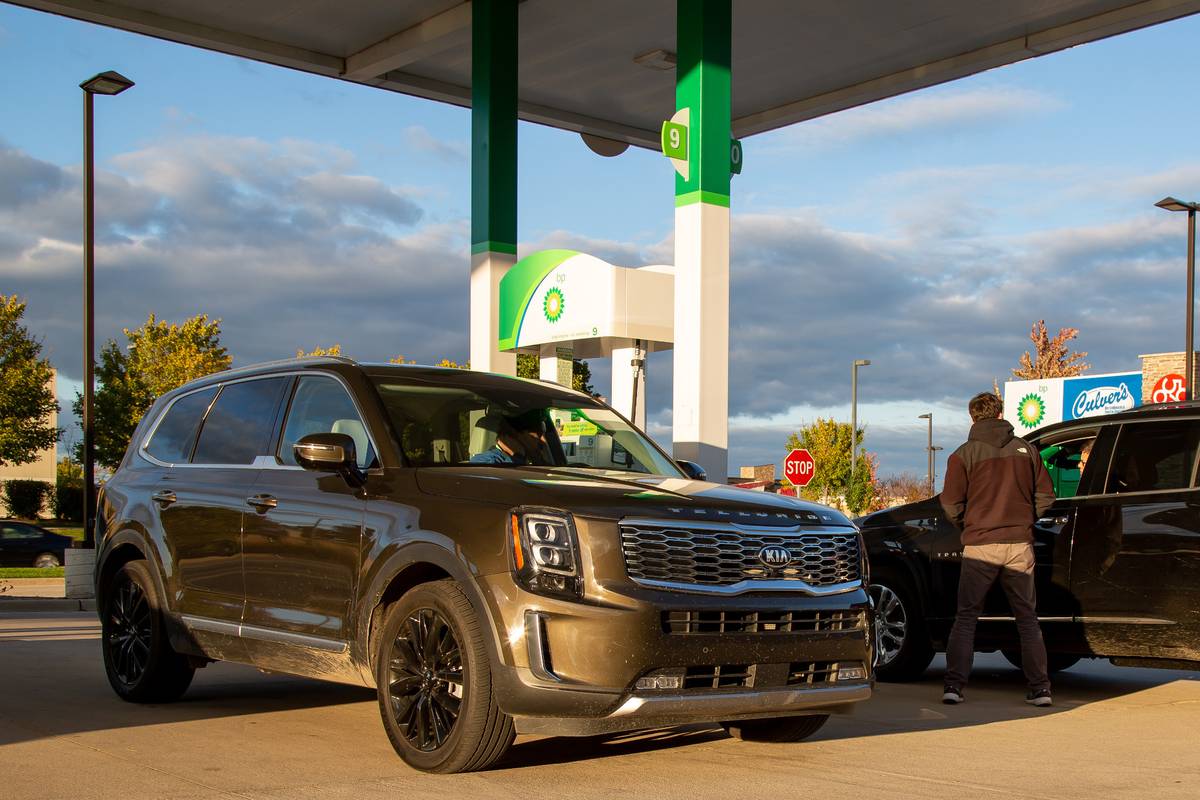
Maximizing fuel efficiency in a large 3rd-row seating vehicle requires a combination of weight reduction, aerodynamic optimization, routine mechanical maintenance, and mindful driving habits. Because larger SUVs and crossovers inherently feature heavier curb weights and larger displacement engines, adopting targeted operational strategies can significantly offset their natural fuel consumption disadvantages.
Understanding the Fuel Economy Challenge of 3rd-Row Vehicles
Operating a vehicle equipped with a third row of seats—whether it is a midsize crossover, a full-size SUV, or a large passenger van—presents a unique set of challenges regarding fuel economy. The engineering reality of these vehicles involves moving substantial mass, often driven by six-cylinder or eight-cylinder engines. Furthermore, the boxy, utility-focused silhouettes required to maximize cabin and cargo volume inherently generate greater aerodynamic drag than low-slung sedans or hatchbacks.
When you add passengers and cargo, the load increases exponentially, forcing the powertrain to work harder and consume more fuel. However, poor fuel economy is not an immutable law of physics for large vehicle owners. By addressing the primary factors that drain fuel—excess weight, aerodynamic drag, inefficient engine operations, and aggressive driving inputs—you can noticeably improve your miles per gallon (MPG). The following five strategies provide a practical roadmap to achieving better fuel efficiency without sacrificing utility or passenger capacity.
1. Eliminate Unnecessary Weight and Declutter Cargo Spaces
Weight is the single largest enemy of fuel efficiency in large vehicles. According to data from the United States Environmental Protection Agency (EPA), an extra 100 pounds of weight in a vehicle can reduce fuel economy by up to 1 percent, particularly in smaller vehicles, but the cumulative penalty remains high in larger platforms due to the sheer inertia required to get them moving from a dead stop.
The Impact of Cargo and Permanent Storage
Many drivers treat their 3rd-row vehicles like mobile storage units. Strollers, emergency kits, sports equipment, golf clubs, and heavy work tools often accumulate in the back trunk space or storage wells.
- Audit the Cabin: Remove all non-essential items from the trunk, door pockets, and seatback organizers.
- Evaluate the 3rd Row Itself: Modern 3rd-row seats are heavy, often weighing anywhere from 50 to over 100 pounds combined, especially when motorized folding mechanisms are included. While you should not remove your seats permanently unless the vehicle is designed for quick-release removal and you comply with local safety and registration regulations, keeping the 3rd row folded flat when not in use can slightly alter interior airflow dynamics and reminds you to keep the back clear of clutter.
2. Optimize Aerodynamics by Removing External Accessories
Aerodynamic drag increases exponentially as vehicle speed rises. At highway speeds, overcoming wind resistance accounts for a major portion of an engine's workload. Large SUVs already present a massive frontal area to the wind; adding external roof racks, cargo boxes, or hitch-mounted carriers drastically worsens this aerodynamic profile.
Dealing with Roof Racks and Cargo Boxes
A permanent roof rack or crossbars can decrease fuel economy by 2% to 8% at highway speeds, even when empty. A bulky rooftop cargo box can slash fuel efficiency by up to 25%.
- Remove When Not in Use: Unbolt roof racks, crossbars, and bike attachments if you are not actively using them.
- Utilize Interior Space First: Before installing an exterior cargo carrier, configure your 2nd and 3rd-row seating layouts to swallow luggage internally. Keeping the wind resistance low by utilizing the vehicle's built-in slipstream preserves hundreds of dollars in fuel costs over the course of a year.
3. Master Maintenance: Tires, Fluids, and Filters
Mechanical neglect is a silent killer of fuel economy. When a 3rd-row vehicle operates with suboptimal mechanical health, the engine must burn more fuel to achieve the same output. Ensuring peak mechanical efficiency is vital for heavy platforms.
Tire Pressure and Alignment
Tires rolling with low inflation pressure create increased rolling resistance.
- Check Pressure Monthly: Refer to the placard inside the driver’s door jamb—not the maximum pressure listed on the tire sidewall—to find the manufacturer's recommended PSI. Under-inflated tires can reduce fuel economy by 0.3% for every 1 PSI drop across all four tires.
- Maintain Alignment: Misaligned wheels cause tires to scrub against the pavement rather than roll freely, dragging down fuel economy while accelerating tire wear.
Engine Maintenance Checklist
- Air Filters: A clogged engine air filter starves the engine of oxygen, forcing it to alter the air-fuel ratio and waste fuel. Replace engine air filters every 15,000 to 30,000 miles depending on driving conditions.
- Spark Plugs and Ignition: Worn spark plugs cause misfires and incomplete combustion, robbing the engine of power and fuel efficiency.
- Oil Viscosity: Always use the exact oil weight recommended by the manufacturer in the owner's manual. Using heavier oil than specified increases internal engine friction.
4. Adopt Mindful Driving Habits and Anticipatory Control
Driver behavior remains one of the most controllable variables in fuel consumption. Aggressive acceleration and harsh braking squander the energy required to move a heavy 3rd-row vehicle.
Smooth Acceleration and Deceleration
Every time you stomp on the accelerator pedal of a large SUV, you command the transmission to downshift and dump extra fuel into the combustion chambers.
- Use Momentum: Anticipate traffic flow, red lights, and highway exits well in advance. Lift off the accelerator early and coast to a stop rather than driving up to a red light and slamming on the brakes.
- Observe Highway Speeds: Most vehicles experience a sharp decline in fuel efficiency once speeds exceed 50 to 60 miles per hour due to exponential aerodynamic drag. Driving at 75 mph instead of 65 mph can increase fuel consumption by 10% to 15%. Utilizing cruise control on flat highways maintains a steady throttle input that is often more efficient than manual foot control.
5. Leverage Eco Modes and Modern Powertrain Technology
Many modern 3rd-row SUVs, crossovers, and minivans come equipped with advanced electronic features designed specifically to mitigate poor fuel economy. Understanding and utilizing these systems can yield immediate efficiency gains.
Utilizing Drive Modes and Idle Control
- Eco Mode: If your vehicle features an "Eco" or "Economy" drive mode button, engage it during city driving or highway cruising. This setting dampens throttle response, optimizes shift points in the transmission to keep engine RPMs lower, and sometimes alters climate control compressor loads to save fuel.
- Minimize Idling: Modern fuel-injected engines do not require long warm-up periods, even in winter. Idling gets zero miles per gallon. If you are waiting for passengers or parked for more than a minute, turn off the engine unless traffic or safety conditions dictate otherwise. Many newer vehicles feature auto start-stop technology; allow this system to function rather than overriding it.
Fuel Economy Comparison of 3rd-Row Vehicle Management
| Strategy | Primary Mechanism | Average Potential Fuel Savings | Ease of Implementation |
|---|---|---|---|
| Weight Reduction | Removing excess cargo and unneeded gear | Up to 1–2% per 100 lbs removed | High (Immediate) |
| Aerodynamic Cleanup | Removing unused roof racks and cargo boxes | 2% to 25% depending on attachments | Medium (Requires tools) |
| Tire Maintenance | Correcting inflation pressure and alignment | Up to 3% to 5% | High (Monthly check) |
| Mindful Driving | Avoiding rapid acceleration and speeding | 10% to 33% at highway speeds | High (Behavioral change) |
| Eco Mode Utilization | Optimizing throttle mapping and shift points | 1% to 5% in urban stop-and-go | High (Push-button) |
Frequently Asked Questions
Does removing the 3rd-row seats permanently improve gas mileage?
Removing the seats can reduce vehicle weight by 50 to over 100 pounds, which offers a minor boost to city fuel economy. However, because modern seats are often bolted securely and tied into occupant-safety and airbag sensors, permanent removal can trigger dashboard warning lights and compromise passenger-carrying utility. Folding them flat is usually a more practical and reversible alternative.
How much does highway speed affect a large SUV's gas mileage?
Aerodynamic drag increases exponentially with speed. Most large 3rd-row SUVs achieve their peak fuel efficiency between 55 and 65 mph. Driving at speeds exceeding 70 mph significantly increases fuel consumption, often dropping highway MPG by 10% to 20% compared to moderate speeds.
Are hybrid 3rd-row vehicles significantly more efficient in the city?
Yes. Hybrid and plug-in hybrid electric vehicles (PHEVs) equipped with 3rd-row seating excel in stop-and-go city traffic because regenerative braking captures kinetic energy that would otherwise be lost as heat, using it to recharge the hybrid battery and assist the engine during acceleration.
Does running the air conditioning in a large vehicle ruin gas mileage?
Running the air conditioning compressor places an extra load on the engine, which can reduce fuel economy by a small margin (typically 1 to 4 miles per gallon depending on the vehicle size and fan setting). At lower speeds, driving with the windows down increases aerodynamic drag, making AC the more efficient choice. At highway speeds, closed windows and moderate AC use are generally more fuel-efficient than the drag caused by open windows.
Why does city driving destroy the gas mileage of 3rd-row vehicles?
Moving a heavy vehicle from a complete stop requires a massive amount of initial energy (inertia). In urban environments characterized by frequent stoplights, stop signs, and heavy traffic, the engine must constantly expend this energy, resulting in significantly lower MPG ratings compared to steady highway cruising.
Final Recommendation
Achieving better gas mileage with a 3rd-row seating vehicle does not require expensive aftermarket modifications or sacrificing your family's transportation needs. Start by conducting a thorough audit of your vehicle's interior and roof, removing heavy clutter and unused crossbars. Next, verify your tire pressures monthly and commit to smoother, anticipatory driving habits. By combining these operational adjustments with proper maintenance, you can maximize your fuel efficiency and minimize ownership costs over the lifespan of your vehicle.