Choosing the right pet insurance plan involves balancing comprehensive medical coverage against monthly premiums, deductible structures, and payout limits. Top pet insurance providers combine customizable reimbursement rates with transparent claims processing, robust coverage for hereditary conditions, and reliable customer service to help pet parents manage unexpected veterinary expenses.
The landscape of veterinary medicine has evolved rapidly, introducing advanced diagnostics, specialized oncology treatments, and surgical breakthroughs that can save or significantly prolong an animal's life. However, these life-saving interventions come with steep price tags. For millions of pet owners, veterinary bills can present a formidable financial dilemma. Pet insurance acts as a financial safety net, mitigating the sting of emergency visits, chronic illness management, and routine care. Navigating the market requires an understanding of how policies operate, what they exclude, and which providers consistently deliver reliable payouts and transparent service.
Understanding Pet Insurance: How Coverage Works
Pet insurance operates differently from human health insurance. Rather than paying a direct co-pay at the veterinarian's office, policyholders typically pay the veterinary bill in full at the time of service, submit a claim to their insurance provider, and receive a reimbursement check according to their policy terms.
To evaluate plans effectively, you must understand three core components:
- Reimbursement Percentage: The portion of the eligible vet bill the insurer pays back to you, typically ranging from 70% to 90%.
- Deductible: The amount of out-of-pocket expenses you must pay toward veterinary care before your insurance starts reimbursing. Deductibles can be annual or per-condition.
- Annual Limit: The maximum amount the insurance company will pay out for covered expenses within a single policy year. Some providers offer unlimited annual caps.
Most standard policies cover accidents (such as bone fractures, toxic ingestions, and foreign body removals) and illnesses (including ear infections, cancer, diabetes, and digestive disorders). Understanding these mechanics helps you project your true out-of-pocket costs and select a plan that aligns with your household budget and your pet's specific health profile.
Key Criteria for Evaluating Pet Insurance Plans
When selecting a pet insurance policy, you should look beyond the monthly premium. A cheap plan with a high deductible and low reimbursement rate may leave you exposed during a major medical crisis. Conversely, an expensive plan with robust add-ons might cost more than you would spend out-of-pocket for routine care.
Waiting Periods and Pre-Existing Conditions
No reputable pet insurance provider covers pre-existing conditions—health issues that showed symptoms or received treatment before your policy took effect or during the waiting period. Pay close attention to waiting periods, which are the timeframes between policy purchase and when coverage actually begins. Accidents usually have a short waiting period (often 2 to 5 days), while illnesses typically require a 14-day wait. Crucially, conditions like cruciate ligament (ACL/CCL) tears often carry extended waiting periods of 6 months or more, unless waived via a veterinary exam.
Hereditary and Congenital Conditions
Purebred dogs and cats, as well as many mixed breeds, are prone to breed-specific hereditary and congenital conditions such as hip dysplasia, heart defects, and intervertebral disc disease. Ensure that any policy you consider includes coverage for hereditary and congenital conditions automatically, rather than requiring an expensive rider or excluding them entirely.
Age Limits and Senior Pets
Many insurers impose maximum age limits for new enrollments, restricting policies for pets older than 10 or 12 years. Furthermore, premiums naturally rise as pets age. If you are insuring an older animal, look for companies that do not drop coverage as your pet enters their senior years and offer stable rate adjustments.
Top 5 Pet Insurance Plans to Consider
The following providers represent the top tier of the pet insurance market, evaluated based on financial stability, customer satisfaction, coverage customization, and claims processing efficiency.
1. Lemonade Pet Insurance
Lemonade has disrupted the insurance sector with its app-driven, tech-forward approach and commitment to fast payouts. Known for utilizing artificial intelligence to process straightforward claims in minutes, Lemonade offers highly modular policies that appeal to budget-conscious pet parents.
- Key Strengths: Highly competitive base pricing, exceptionally fast claim payouts, and user-friendly mobile application management.
- Customization: Allows policyholders to mix and match annual limits, deductibles, and reimbursement rates, plus add preventative care packages and specialized coverage add-ons like physical therapy and behavioral treatments.
- Considerations: Availability varies significantly by state, and certain older pets may face age-related restrictions or higher initial underwriting scrutiny.
2. Spot Pet Insurance
Spot stands out for its unlimited annual limit options and its inclusive approach to alternative therapies. Backed by the American Society for the Prevention of Cruelty to Animals (ASPCA) endorsement history, Spot provides robust coverage for both dogs and cats without imposing strict upper age limits for new policy enrollments.
- Key Strengths: Options for unlimited annual coverage on standard plans, coverage for microchipping, and inclusion of behavioral therapy and holistic care as standard or accessible add-ons.
- Customization: Offers accident-only plans as well as comprehensive accident and illness plans with flexible deductible and reimbursement combinations.
- Considerations: Routine wellness care requires purchasing an optional preventative care add-on, which increases the total monthly cost.
3. Embrace Pet Insurance
Embrace is widely recognized for its innovative diminishing deductible feature, which rewards pet owners for a healthy year by lowering their annual deductible. Embrace also excels in covering curable pre-existing conditions, provided the pet has been symptom- and treatment-free for 12 consecutive months.
- Key Strengths: Diminishing deductible program, coverage for certain curable pre-existing conditions, and responsive customer service teams.
- Customization: Excellent range of annual limits (from modest caps to unlimited) and optional wellness rewards programs for routine veterinary visits.
- Considerations: Premium increases can be noticeable as pets age, and dental illness coverage requires meeting specific professional cleaning requirements outlined in the policy terms.
4. Healthy Paws Pet Insurance
Healthy Paws maintains a streamlined, singular focus: providing comprehensive accident and illness coverage without complicated tiers or confusing add-on matrices. They do not cap lifetime payouts or annual limits on their standard policies, making them a favorite among owners facing catastrophic veterinary diagnoses.
- Key Strengths: Unlimited lifetime payouts on all standard plans, straightforward policy structure, and a portion of every policy purchase goes toward funding homeless pet medical care.
- Customization: Fewer customization tiers because the core policy is designed to be comprehensive, though you can adjust your deductible and reimbursement percentage.
- Considerations: Does not cover exam fees associated with veterinary visits, lacks preventative care add-ons, and implements upper age limits for new enrollments (typically pets must be under age 14).
5. Trupanion Pet Insurance
Trupanion is famous for its direct-pay model, which allows vets enrolled in their network to be paid directly by Trupanion at the time of checkout, sparing the pet owner from paying out-of-pocket and waiting for reimbursement. Trupanion also offers per-condition deductibles rather than annual deductibles, which can benefit pets with chronic lifetime conditions.
- Key Strengths: Direct vet payment capabilities, per-condition lifetime deductibles, and no payout caps or limits.
- Customization: Standard 90% reimbursement rate on most policies with flexible deductible options.
- Considerations: Monthly premiums tend to be higher than industry averages, and exam fees are generally excluded unless an add-on is selected.
Comparison of Top Pet Insurance Providers
| Provider | Annual Limit Options | Typical Waiting Period (Illness) | Direct Vet Pay Available? | Key Differentiator |
|---|---|---|---|---|
| Lemonade | $5,000 to Unlimited | 14 Days | No | AI-driven claims processing and fast payouts |
| Spot | $2,500 to Unlimited | 14 Days | No | Unlimited annual limit options and microchip coverage |
| Embrace | $5,000 to Unlimited | 14 Days | No | Diminishing deductible and curable pre-existing condition coverage |
| Healthy Paws | Unlimited | 14 Days | No | No lifetime or annual caps, straightforward single-tier plan |
| Trupanion | Unlimited | 14 Days | Yes | Per-condition deductibles and direct payment to participating vets |
Costs and Financial Considerations
Pet insurance premiums are determined by several risk factors. Understanding these variables can help you anticipate cost shifts and optimize your policy structure:
- Species and Breed: Dogs generally cost more to insure than cats due to higher average veterinary treatment costs. Specific breeds prone to genetic ailments (such as French Bulldogs or Great Danes) command higher premiums than mixed-breed rescue animals.
- Geographic Location: Veterinary costs vary dramatically by region. Urban areas with high costs of living and advanced specialty hospitals feature higher premiums than rural areas.
- Age: As pets age, their likelihood of developing illnesses increases. Premiums naturally adjust upward year-over-year to reflect this statistical risk.
- Deductible and Reimbursement Choices: You can lower your monthly premium by opting for a higher deductible (e.g., $1,000 instead of $250) or a lower reimbursement rate (e.g., 70% instead of 90%). Conversely, maximizing these benefits increases your monthly financial commitment.
Common Mistakes to Avoid When Buying Pet Insurance
Navigating the pet insurance market can be overwhelming, and minor oversights can lead to denied claims or unexpected expenses. Keep these pitfalls in mind during your selection process:
- Waiting Until the Pet is Sick: Insuring a pet after they show symptoms of an illness guarantees that condition will be classified as pre-existing and excluded from coverage. Enroll pets when they are young and healthy.
- Ignoring Exclusions and Fine Print: Read the policy jacket carefully. Some plans exclude hereditary conditions by default, while others require dental charting or regular wellness exams to keep specific coverages active.
- Confusing Wellness Plans with Insurance: Routine care add-ons (vaccines, flea preventatives, annual check-ups) are generally not true insurance against unexpected risks; they are prepayment plans. Calculate whether the cost of the wellness add-on exceeds the actual out-of-pocket cost of routine care.
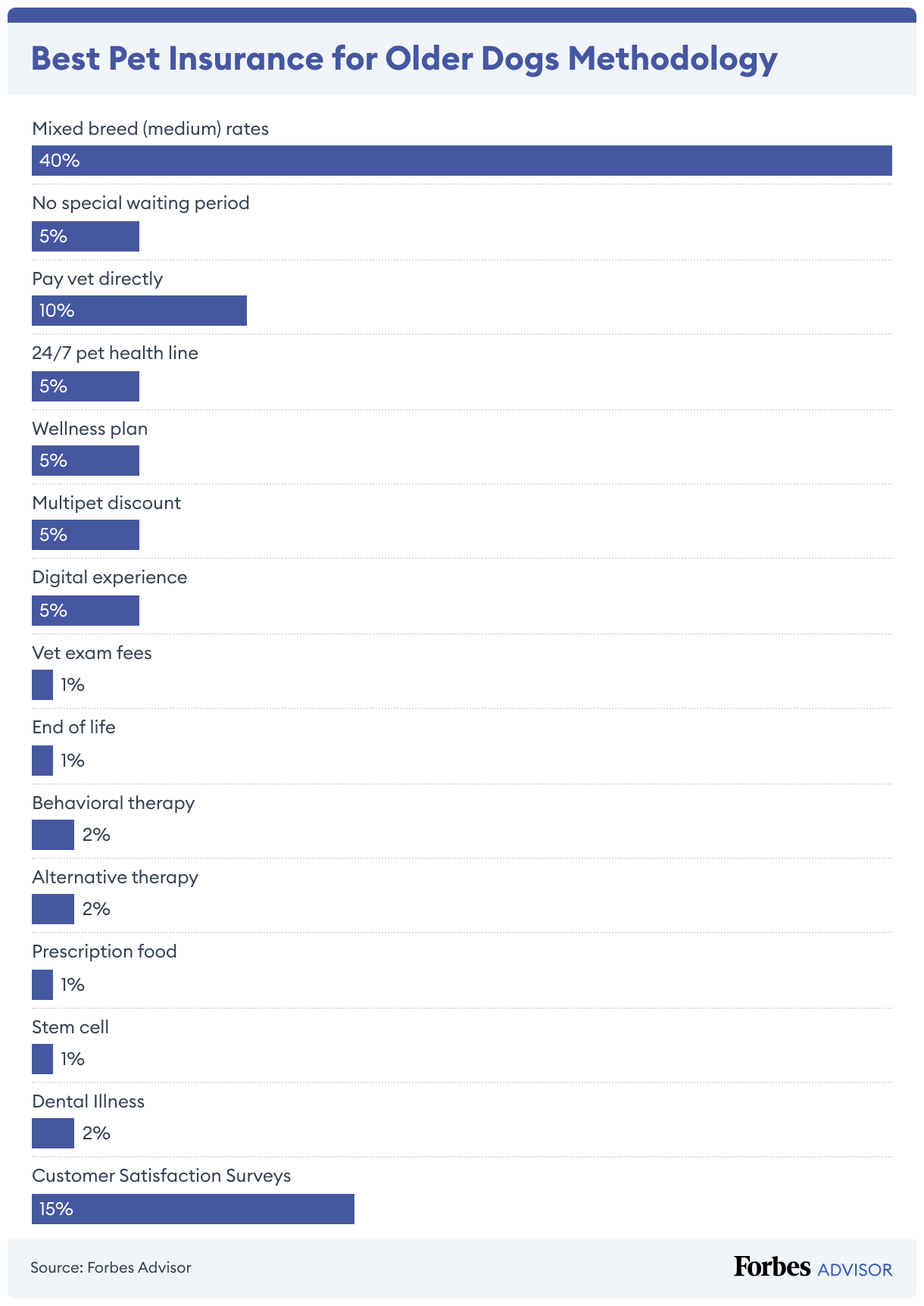
- Focusing Solely on the Monthly Premium: A cheap policy with high exclusions or a low annual cap may fail you when you need it most. Evaluate the total value, including customer satisfaction ratings and claims turnaround times.
Frequently Asked Questions
Does pet insurance cover pre-existing conditions?
No, standard pet insurance providers do not cover pre-existing conditions—medical issues that began or showed symptoms before your policy's effective date or during the waiting period. Some insurers do cover curable conditions (such as ear infections or urinary tract infections) if your pet remains symptom- and treatment-free for a specified timeframe, usually 180 days to a year.
Can I visit any veterinarian I want?
Yes. Unlike human health insurance networks, virtually all pet insurance plans allow you to visit any licensed veterinarian, emergency clinic, or veterinary specialist worldwide. This flexibility ensures you can maintain continuity of care with your trusted family vet or access advanced care at a veterinary teaching hospital.
Are routine wellness checks covered under standard policies?
Standard accident and illness policies do not cover routine wellness care, such as annual exams, vaccinations, heartworm preventative medication, or dental cleanings. However, most providers offer optional wellness packages or preventative care add-ons for an additional monthly fee to help offset routine veterinary expenses.
When is the best time to buy pet insurance?
The ideal time to purchase pet insurance is when your pet is a puppy or kitten, long before they develop health issues. Enrolling young animals ensures that nearly all future illnesses and accidental injuries will be fully covered, without triggering pre-existing condition exclusions.
How do pet insurance claims work?
With most providers, you pay your veterinary clinic bill at the time of service, obtain an itemized invoice and medical records, and submit your claim via the insurer's mobile app, customer portal, or email. The provider reviews the claim against your policy terms and reimburses your designated bank account according to your reimbursement percentage, after your deductible has been met.
Final Recommendation and Next Actions
Selecting the ideal pet insurance plan requires matching your risk tolerance with your pet's specific breed, age, and health history. If you prioritize fast tech-driven claims and budget flexibility, Lemonade is a strong contender. If you want protection against catastrophic expenses without caps, Healthy Paws or Trupanion offer robust unlimited coverage.
To take the next step, gather medical records for your pet, request personalized quotes from at least three of the providers listed above, and carefully compare their waiting periods, sample policy language, and deductible structures before committing to an annual policy.