A 3x leveraged Dow Jones Industrial Average (DJIA) exchange-traded fund is an investment vehicle designed to deliver triple the daily performance of the Dow Jones Industrial Average through financial derivatives like swap agreements and futures contracts. These instruments are built exclusively for short-term tactical trading rather than long-term buy-and-hold investing.
Understanding the Dow Jones Industrial Average (DJIA)
To grasp how a 3x leveraged DJIA ETF functions, it is essential to first understand the underlying index it tracks. The Dow Jones Industrial Average is a price-weighted stock market index that tracks thirty of the largest, most established publicly traded companies operating within the United States. Unlike market-capitalization-weighted indices such as the S&P 500—where companies with the highest total market value exert the most influence—the DJIA gives a greater weighting to companies with higher stock prices.
Because the index represents thirty blue-chip corporations across multiple foundational sectors like industrials, technology, healthcare, and consumer goods, it is widely viewed as a proxy for the broader American economy. However, because it contains only thirty stocks and relies on price-weighting, its daily movements can differ significantly from broader, cap-weighted benchmarks. Leveraged ETFs take this underlying volatility and amplify it significantly, creating an entirely different risk profile for the investor.
Mechanics of 3x Leverage: How Daily Rebalancing Works
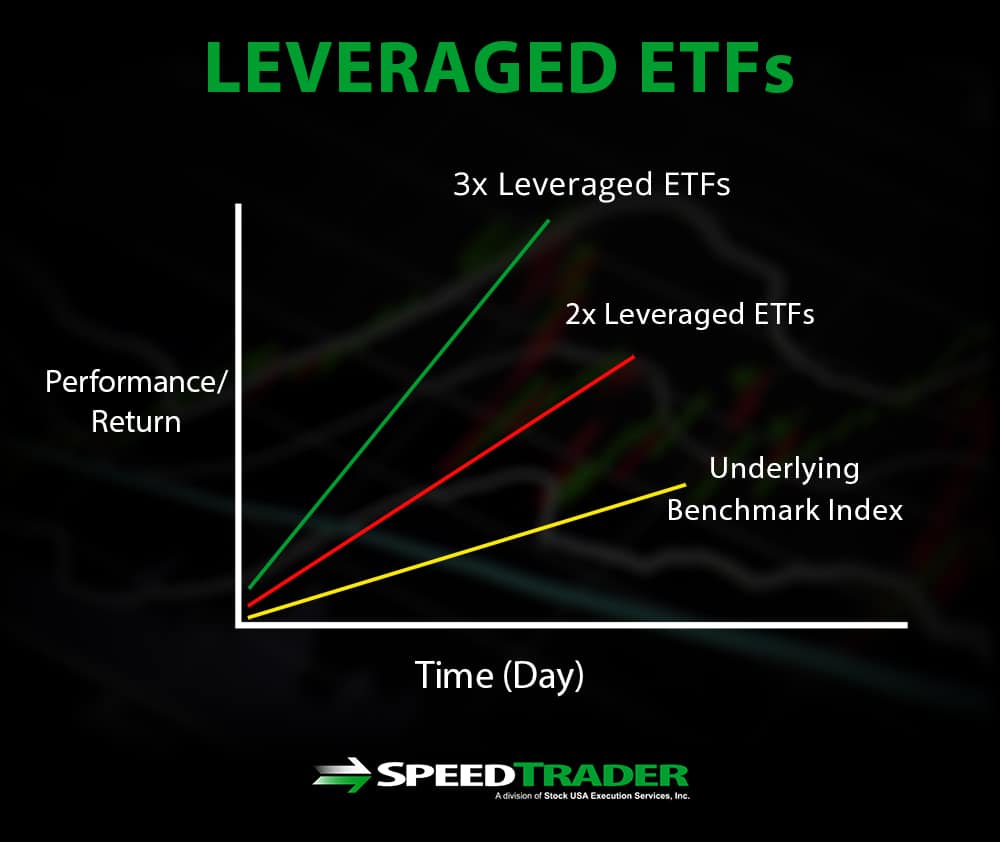
The defining characteristic of a 3x leveraged ETF is its objective to deliver three times (300%) the daily return of its benchmark index. If the DJIA gains 1% during a single trading session, a 3x leveraged bull ETF targeting the index aims to return roughly 3% before accounting for fees and expenses. Conversely, if the index drops by 1%, the fund aims to lose approximately 3%.
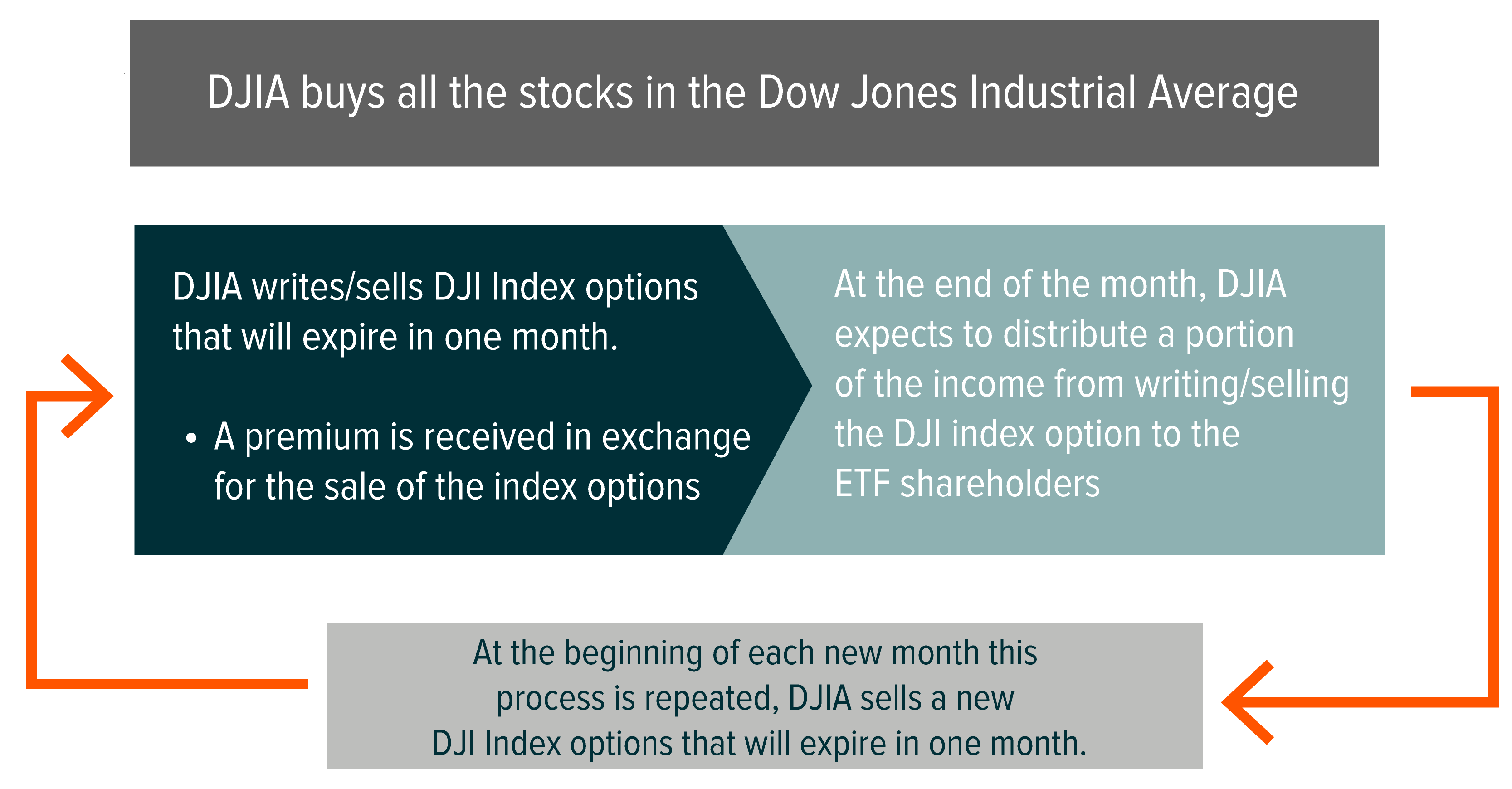
To achieve this daily multiple, fund managers do not simply buy three times as many shares of the underlying thirty stocks. Instead, they utilize complex financial instruments, primarily total return swaps, index futures contracts, and other derivative products. These agreements allow the fund to gain leveraged exposure to the index while holding a relatively small amount of cash and collateral.
Because these funds must reset their leverage multiplier at the end of every single trading day to maintain a 3x exposure, they are subject to a mathematical phenomenon known as compounding over holding periods longer than one day. Daily rebalancing means that the fund's performance compounds based on daily returns, not cumulative multi-day index returns.
The Impact of Volatility Decay (Compounding Risk)
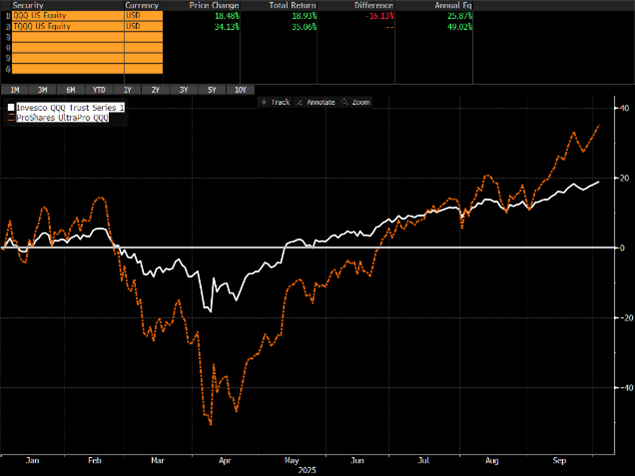
One of the most critical aspects of 3x leveraged ETFs—and the primary reason they are misunderstood—is volatility decay, often referred to as path dependency or compounding risk. Because these funds reset daily, their long-term performance can deviate significantly from three times the long-term performance of the underlying index, particularly in choppy, volatile markets.
Consider a hypothetical scenario where the DJIA experiences alternating days of gains and losses over a three-day period:
- Day 1: The DJIA drops by 5%. A 3x leveraged ETF drops by 15%.
- Day 2: The DJIA rebounds by 5.26% (bringing it back close to its starting point). The 3x leveraged ETF gains approximately 15.78%.
- Result: While the underlying index has returned to near its original price, the leveraged fund suffers due to mathematical compounding. A 15% drop followed by a 15.78% gain does not bring an investment back to break-even; it results in a net loss.
In a sideways or highly volatile market, this decay occurs continuously, eroding the fund’s principal value even if the underlying index eventually moves higher over the medium term. Consequently, these instruments are structurally unsuited for a standard retirement portfolio or buy-and-hold strategy.
Key Differences: Standard ETFs vs. Leveraged ETFs
| Feature | Standard Index ETF (e.g., DIA) | 3x Leveraged DJIA ETF |
|---|---|---|
| Investment Objective | Track the daily performance of the DJIA 1:1 | Track 3x (300%) of the daily performance of the DJIA |
| Primary Holdings | Physical stocks mirroring the index | Derivatives (swaps, futures) and cash collateral |
| Rebalancing Frequency | Periodic (quarterly or index-driven) | Daily rebalancing |
| Holding Horizon | Long-term (months to decades) | Short-term (intraday to a few days) |
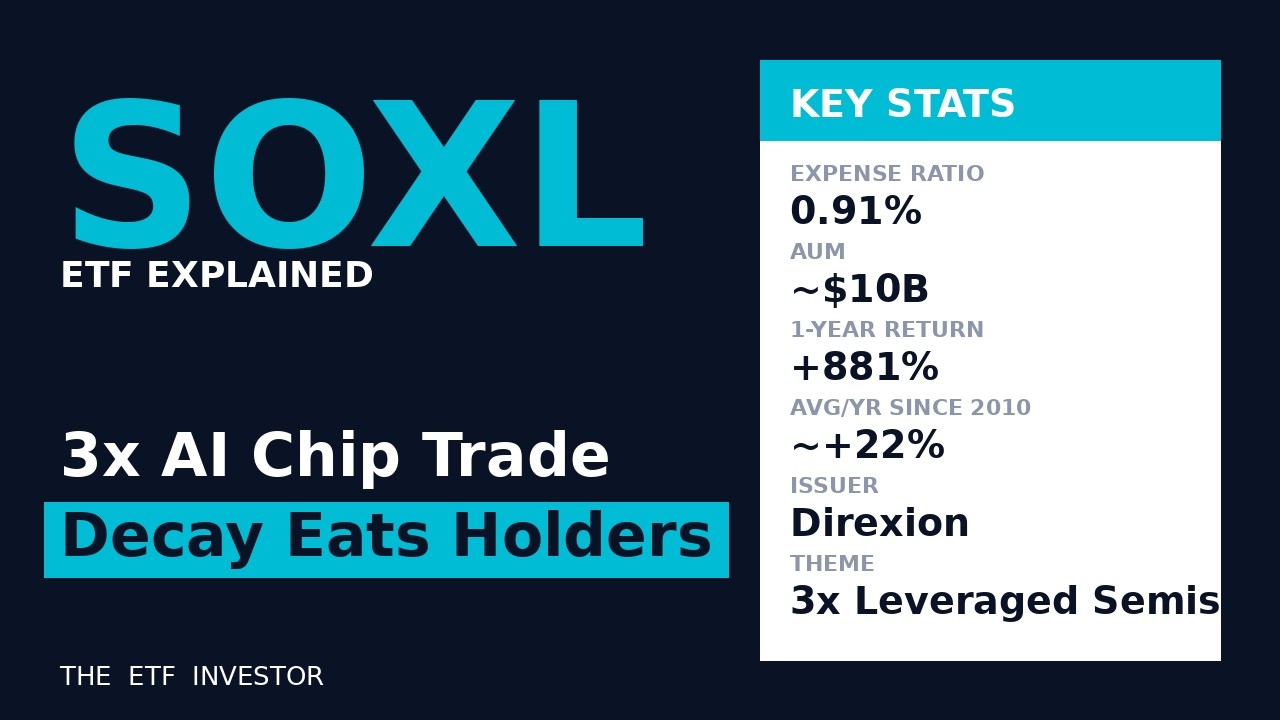
| Expense Ratios | Generally very low (0.10% to 0.16%) | Significantly higher (typically 0.90% to 1.05% or more) |
| Decay Risk | Minimal tracking error over time | High volatility decay over multi-day periods |
Costs, Fees, and Expense Ratios
Operating a fund that enters daily derivative contracts, maintains collateral, and rebalances portfolio exposure requires extensive administrative oversight and trading activity. As a result, 3x leveraged ETFs carry expense ratios that are substantially higher than those of standard passive index funds.
While a conventional ETF tracking a major index might charge an annual fee of 0.10% or less, a 3x leveraged ETF often features expense ratios ranging from 0.90% to over 1.00%. Furthermore, these figures only represent the direct management fees. Indirect costs—such as the bid-ask spreads of underlying derivatives, swap financing costs, and transaction slippage—further drag down performance over time. These frictional costs accumulate daily, making long-term holding an expensive proposition.
Target Audience and Appropriate Use Cases
3x leveraged DJIA ETFs are engineered for institutional traders, sophisticated retail investors, and active day traders who possess a high risk tolerance and a deep understanding of derivative-based products.
Appropriate use cases are strictly limited:
- Intraday Hedging: Offsetting short-term portfolio risk during known macroeconomic announcements.
- Momentum Trading: Capitalizing on strong, sustained directional trends in the DJIA over a single trading session.
- Tactical Allocation: Expressing a short-term bearish or bullish view on blue-chip equities without utilizing margin accounts or options contracts.
Retail investors attempting to use these funds as long-term wealth accumulation tools expose themselves to severe capital degradation. Brokerage platforms frequently require investors to complete specialized risk disclosures and trading approvals before permitting transactions in leveraged and inverse products.
Regulatory Oversight and Investor Warnings
Financial regulatory bodies, including the Financial Industry Regulatory Authority (FINRA) and the U.S. Securities and Exchange Commission (SEC), routinely issue investor alerts regarding leveraged and inverse ETFs. These agencies emphasize that such products are specialized financial tools that can produce compounding losses far exceeding the standard movement of the underlying index when held for periods longer than one trading day.
Broker-dealers are bound by suitability rules, meaning they must ensure that retail clients understand the complexities and risks of these funds before granting trading access. Investors are advised to read the fund's prospectus thoroughly, paying close attention to sections detailing principal risks, daily rebalancing mechanics, and total operating costs.
Common Mistakes Made by Beginners
- Holding Through Market Corrections: Assuming a leveraged ETF will eventually recover its value simply because the underlying index rebounds over weeks or months. Due to volatility decay, recovery is not guaranteed.
- Ignoring Expense Drag: Overlooking how high expense ratios and daily swap costs compound against the investor during extended holding periods.
- Miscalculating Risk via Margin: Confusing the leverage built into the ETF’s internal structure with buying standard ETFs on margin, which introduces distinct borrowing costs and liquidation risks.
- Failing to Monitor Intraday Movements: Neglecting to exit positions before the market close, leaving the portfolio exposed to overnight gaps and reset volatility.
Frequently Asked Questions
What happens if a 3x leveraged ETF loses 33.3% or more in a single day?
If the underlying index drops by more than 33.3% in a single trading session, a 3x leveraged long ETF would theoretically lose 100% of its value. To prevent the fund from wiping out entirely and generating negative account balances, fund managers implement intraday stop-loss mechanisms, and exchanges may halt trading. However, severe market downturns can still cause catastrophic losses that defy standard linear expectations.
Can I lose more money than I invest in a 3x leveraged ETF?
No. Exchange-traded funds are structured as limited liability equity products. The maximum amount an investor can lose is the initial capital deployed to purchase shares of the fund. This differs from trading naked options or futures contracts on margin, where potential losses can exceed the initial deposit.
Why do long-term charts of leveraged ETFs look like they always go down?
Long-term downward sloping charts in leveraged ETFs are primarily the result of volatility decay and compounding frictional costs. Even if the underlying index trends upward over several years, intermittent corrections and sideways trading create cumulative mathematical drag that continuously shrinks the ETF's net asset value.
Are dividends paid out by the underlying DJIA companies passed on to leveraged ETF holders?
Because leveraged ETFs primarily hold derivative contracts like swaps rather than direct physical shares of the thirty DJIA component companies, they do not receive standard dividend payments in the traditional sense. Total return swaps typically incorporate dividend adjustments into their pricing, but these distributions are minimal and largely offset by the fund's high operating expenses and borrowing costs.
How do I buy or sell a 3x leveraged DJIA ETF?
These funds trade on major national securities exchanges just like ordinary stocks or standard ETFs. You can buy or sell shares through any standard brokerage account during normal market trading hours. However, many brokers require you to sign a leveraged and inverse product agreement or complete a brief risk questionnaire before executing your first trade.
Conclusion and Next Action
3x leveraged DJIA ETFs are high-octane trading instruments designed strictly for short-term, tactical positioning. While they offer the allure of amplified daily returns on America's premier blue-chip index, their complex daily rebalancing mechanics and vulnerability to volatility decay make them ill-suited for conventional investing. Before executing any trades in these products, review your broker’s trading restrictions, consult the fund’s official prospectus, and ensure your risk management strategy accounts for the rapid capital erosion inherent in leveraged instruments.