Securing a 30GB cloud drive involves implementing robust encryption, managing access controls, enforcing multi-factor authentication, and ensuring secure data transmission. Because a 30GB storage tier often bridges the gap between generous free tiers and enterprise accounts, protecting this capacity requires a balance of personal security hygiene and platform-native configuration.
Introduction to Cloud Drive Security at the 30GB Tier
Cloud storage has fundamentally transformed how individuals and small teams manage digital assets. While massive multi-terabyte enterprise deployments command dedicated IT security personnel, intermediate storage allocations—specifically the 30GB tier—often occupy a unique space. This volume is frequently utilized by freelancers, students, and small business owners who store sensitive documents, financial records, and personal media. Securing a 30GB cloud drive is not merely about preventing unauthorized access to raw disk space; it is about protecting data integrity, maintaining privacy compliance, and ensuring that access mechanisms cannot be compromised by modern cyber threats.
Understanding the threat landscape for medium-capacity cloud storage requires looking at how data moves, where it rests, and who holds the cryptographic keys. Free tiers often enforce lax security protocols or limit advanced features like zero-knowledge encryption, while paid enterprise tiers come with dedicated compliance dashboards. A 30GB allocation—often achieved through promotional bonuses, legacy plans, or entry-level paid tiers—demands active user configuration. Users must bridge the gap between platform defaults and absolute data safety by leveraging end-to-end encryption, strict sharing permissions, and rigorous identity verification.
Understanding Cloud Security Architecture
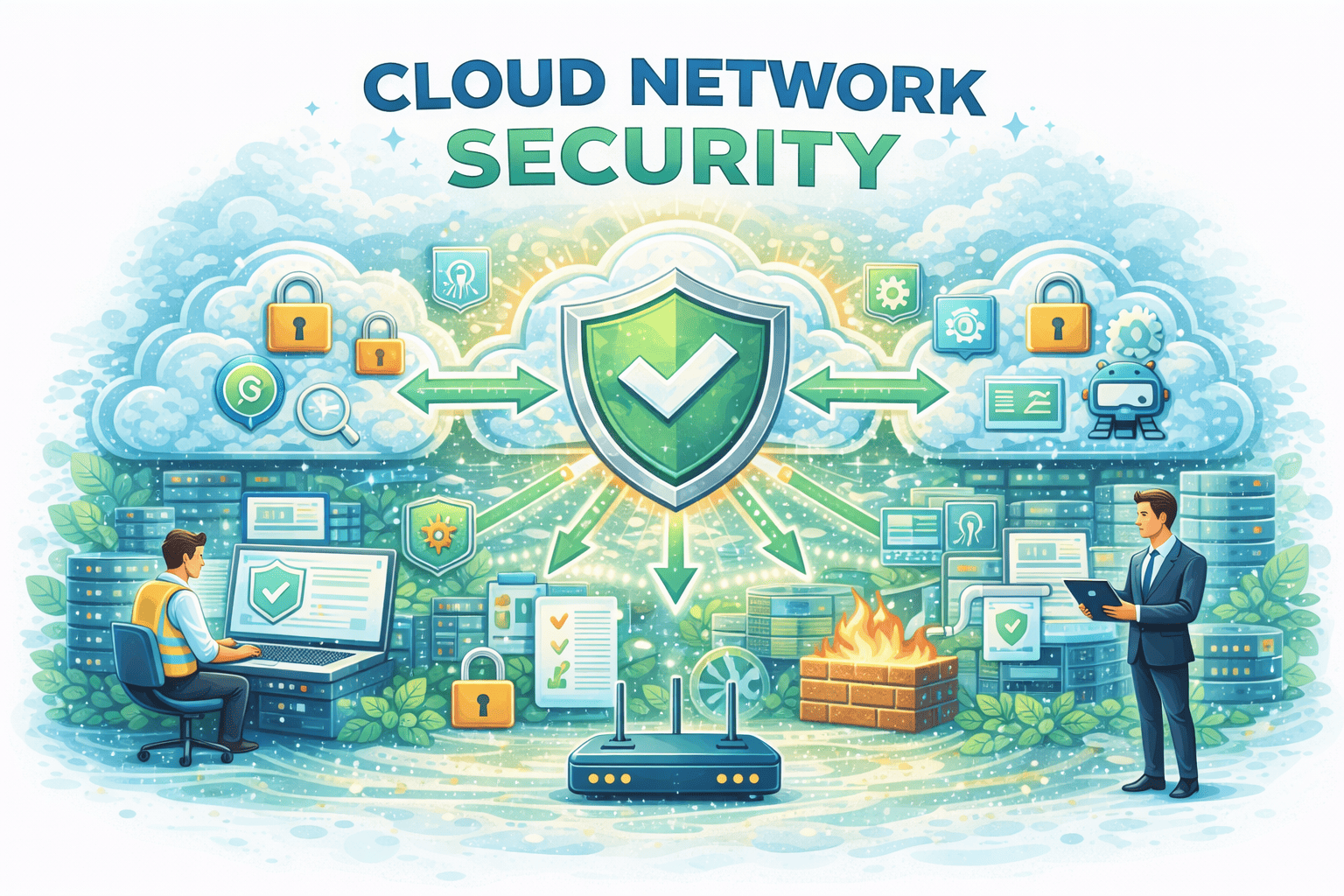
To secure a 30GB cloud drive effectively, one must understand the underlying architecture of modern cloud storage systems. Cloud security is fundamentally a shared responsibility model. The cloud service provider (CSP) is responsible for the security of the cloud, which includes physical data center security, hardware maintenance, network firewalls, and infrastructure redundancy. The user, however, is responsible for security in the cloud. This user-controlled domain encompasses password strength, credential management, access permissions, shared link expiration, and local device hygiene.
At rest, data uploaded to a cloud drive is typically encrypted using standard algorithms such as Advanced Encryption Standard (AES) with 256-bit keys. However, if the provider holds the decryption keys, they possess the technical capability to access the data or comply with legal subpoenas. For maximum privacy, true cloud drive security relies on client-side encryption—often referred to as zero-knowledge architecture. In a zero-knowledge system, files are encrypted on the user's local machine using a master key derived from a password or passphrase before transmission. The provider receives only ciphertext, ensuring that even a catastrophic server breach or a subpoena cannot expose the underlying contents.
Data States and Vulnerabilities
Securing a 30GB allocation involves protecting data across three distinct operational states:
- Data at Rest: Files stored on the cloud provider's servers. Protection relies on disk-level encryption, file-level encryption, and strict identity and access management (IAM) controls.
- Data in Transit: Files moving between the local device and the cloud infrastructure. Protection requires modern transport layer security (TLS) protocols, certificate pinning, and resistance to man-in-the-middle (MitM) attacks.
- Data in Use: Files actively being opened, edited, or synced. Protection depends on endpoint security, such as up-to-date operating systems, active antivirus protection, and secure local caching directories.
Core Security Controls for a 30GB Cloud Drive
Implementing a secure cloud storage environment requires a multi-layered defense strategy. Relying on a single security measure, such as a strong password, leaves storage vulnerable to credential stuffing, phishing, and session hijacking. The following practices form the baseline of operational cloud security.
Multi-Factor Authentication (MFA) and Identity Protection
The single most effective defense against unauthorized access is multi-factor authentication. Passwords alone can be stolen via data breaches, guessed through brute-force attacks, or harvested through phishing campaigns. MFA introduces a secondary verification requirement, such as a time-based one-time password (TOTP) generated by an authenticator application, a physical hardware security key (FIDO2/U2F), or biometric verification.
When configuring a 30GB cloud drive, users should explicitly avoid SMS-based authentication if more secure alternatives are available, as text messages remain vulnerable to SIM-swapping attacks and interception. Hardware keys offer the highest level of assurance because they rely on cryptographic challenge-response protocols that cannot be phished by fraudulent login pages.
Granular Access Control and Link Sharing
Cloud drives derive much of their utility from file sharing, but sharing mechanisms are frequently exploited entry points for unauthorized users. A secure workflow requires strict discipline regarding permissions and link lifecycles.
- Principle of Least Privilege: Never grant editing permissions when view-only access is sufficient. Review shared lists periodically to revoke access for collaborators who no longer require it.
- Password-Protected Links: When generating public sharing URLs, apply strong access passwords to prevent web crawlers or unintended recipients from accessing the content.
- Expiration Dates: Configure automatic expiration windows for shared links—particularly for sensitive financial or legal documents. A link that remains active indefinitely is a persistent security liability.
Comparing Security Features of Popular 30GB-Tier Options
Different cloud storage ecosystems handle security features differently, particularly at entry-level or intermediate capacities. The following comparison outlines how major platforms address core security mechanisms.
| Provider / Plan Type | Encryption at Rest | Zero-Knowledge Option | MFA Support | Ransomware Recovery |
|---|---|---|---|---|
| Standard Enterprise Entry | AES-256 | Available via Add-on | Hardware / TOTP / App | Version History & Rollback |
| Privacy-Focused Providers | AES-256 | Native (Default) | TOTP / Hardware Keys | Encrypted Snapshot History |
| Consumer Ecosystem Drives | AES-256 / ChaCha20 | Limited / Proprietary | App / SMS / Hardware | Built-in File Versioning |
| Self-Hosted / Hybrid Nodes | User-Defined | Native (Full Control) | Advanced / Custom | Snapshot & ZFS Pools |
Evaluating these options requires balancing ease of use against absolute data sovereignty. While consumer-focused ecosystems offer seamless operating system integration and automatic syncing, privacy-focused alternatives ensure that encryption keys remain exclusively in the hands of the user.
Client-Side Encryption and Third-Party Tools
If a chosen 30GB cloud storage provider does not offer native zero-knowledge encryption, users can implement client-side encryption independently. This approach ensures that data is rendered unreadable before it ever leaves the local machine.
Tools like Cryptomator or VeraCrypt allow users to create encrypted vaults or containers within their standard cloud sync folder.
- Cryptomator is specifically designed for cloud storage, encrypting individual files and directory structures rather than a monolithic container file. This ensures that syncing operations remain efficient, as only modified files are re-uploaded rather than an entire multi-gigabyte disk image.
- VeraCrypt creates virtual encrypted disks that mount as local drives. While highly secure, large container files can complicate synchronization and increase bandwidth consumption when minor modifications are made.
By utilizing these tools, users can store sensitive data safely on virtually any mainstream cloud platform without relying on the provider's internal security posture.
Managing Storage Limits and Security Hygiene
A 30GB storage capacity is finite, requiring regular maintenance to prevent performance degradation and security blind spots. Effective hygiene involves auditing stored data, purging obsolete files, and maintaining secure local backups.
Storage Auditing and Data Minimization
Leaving sensitive files indefinitely in a cloud repository increases the surface area for potential exposure. Users should adopt a routine audit schedule:
- Identify Sensitive Categories: Isolate tax documents, medical records, proprietary contracts, and personal credentials.
- Purge Redundancies: Remove duplicate files and outdated drafts that consume valuable storage space and complicate access tracking.
- Secure Deletion: When deleting files from a cloud drive, ensure that the provider's trash or recycle bin is emptied immediately. Note that deleted files may persist in provider backups for a defined retention period depending on terms of service.
Endpoint Security and Device Syncing
Cloud drives typically employ background synchronization clients running on desktop and mobile operating systems. If an endpoint device is infected with malware, ransomware, or spyware, the syncing client will actively replicate malicious changes or encrypted payloads directly to the cloud repository.
To mitigate this risk:
- Keep operating systems, antivirus definitions, and cloud sync clients updated to patch known vulnerabilities.
- Enable file versioning or snapshot recovery within the cloud drive settings. If ransomware encrypts local files and syncs the damage to the cloud, robust version history allows the user to roll back the directory structure to a pre-infection timestamp.
- Implement full-disk encryption (such as BitLocker on Windows or FileVault on macOS) on all local devices that access the 30GB cloud drive to protect data if physical hardware is lost or stolen.
Frequently Asked Questions
What happens if I exceed my 30GB cloud storage limit?
Exceeding the storage limit typically halts synchronization processes and prevents new file uploads. Existing files usually remain accessible for viewing and downloading, but incoming email attachments, backups, and synced documents will fail. Providers generally offer a grace period before restricting account access or charging overage fees, but users should monitor usage or archive older files locally to maintain headroom.
Is client-side encryption necessary for a 30GB cloud drive?
Client-side encryption is not strictly mandatory for non-sensitive data, such as high-resolution photographs or public media assets. However, it is highly recommended for sensitive personal information, financial records, or proprietary business data. Without zero-knowledge encryption, the cloud provider holds the decryption keys and may be legally compelled to hand over data or vulnerable to insider threats and server breaches.
How does file versioning protect against ransomware?
File versioning maintains historical snapshots of documents every time they are modified. If ransomware infects a computer and encrypts files, the malicious sync client will upload the newly encrypted versions to the cloud. With versioning enabled, the user can access the administration dashboard and restore the directory to a clean version that existed prior to the attack, bypassing the ransomware encryption.
Can I share files securely without requiring the recipient to create an account?
Yes, most cloud platforms allow the generation of public or restricted sharing links that do not require the recipient to register an account. To maintain security, administrators should apply a strong access password to the link, limit permissions to view-only, and set an expiration date so the link automatically invalidates after a predetermined timeframe.
What is the difference between data at rest and data in transit encryption?
Data at rest refers to files stored persistently on the cloud provider's physical servers, protected via disk or file-level encryption standards like AES-256. Data in transit refers to files actively moving between a local device and the cloud infrastructure over the internet. Data in transit is protected using secure transport protocols like TLS to intercept and prevent eavesdropping or tampering by network attackers.
Conclusion and Next Actions
Securing a 30GB cloud drive requires a deliberate combination of platform configuration, operational discipline, and technical safeguards. By moving beyond default security settings, enforcing multi-factor authentication, implementing rigorous link-sharing protocols, and utilizing client-side encryption for sensitive assets, users can establish a resilient defense posture.
To maintain security moving forward, conduct an immediate audit of active shared links, enable MFA across your account credentials, verify that file versioning is active to guard against ransomware, and evaluate whether your data sensitivity demands an independent zero-knowledge encryption layer.