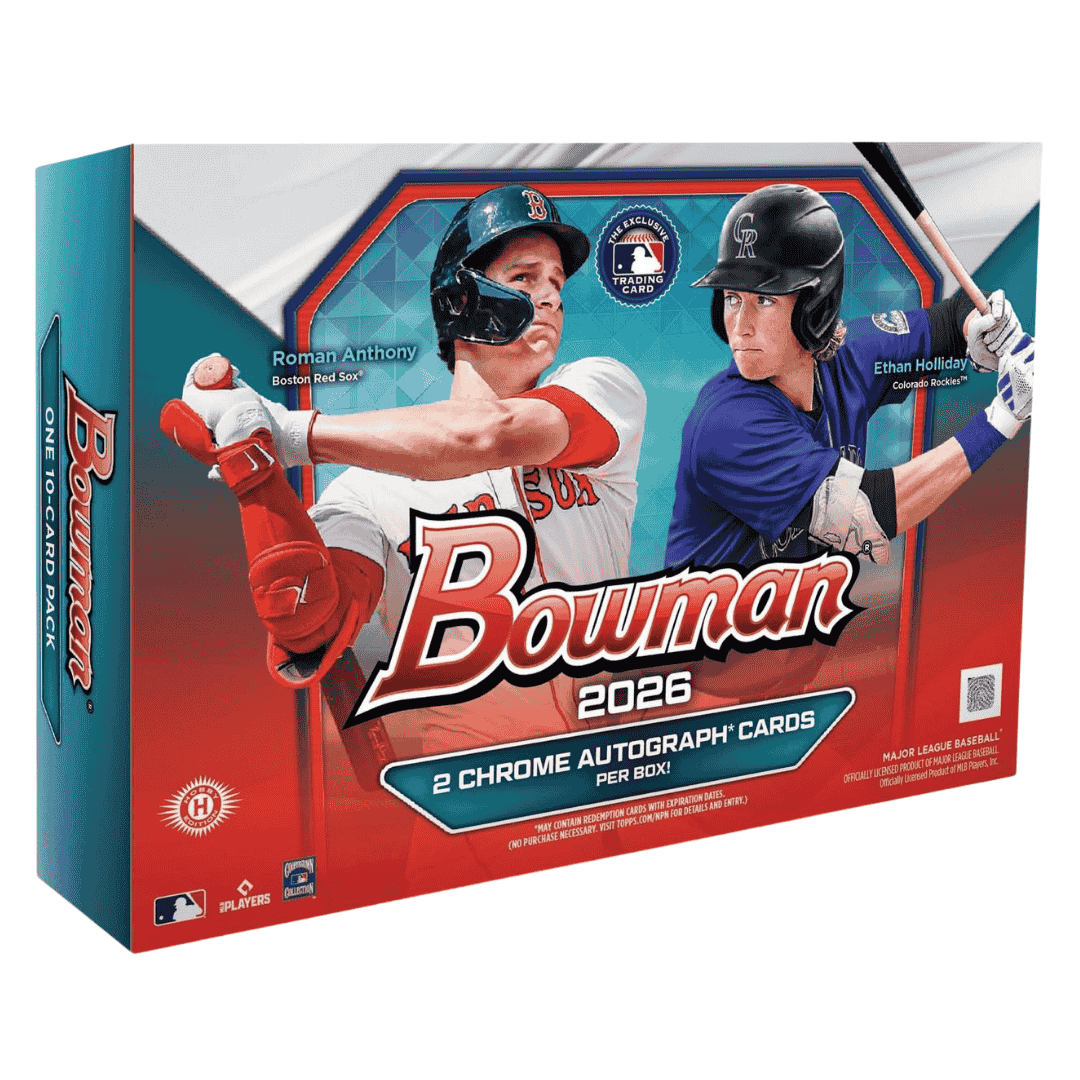
The 2026 Bowman checklist serves as the definitive roadmap for collectors and investors tracking the year’s premier baseball card releases. It catalogs every player, prospect, and rookie featured in the flagship sets, providing a structured breakdown of base cards, parallels, autographs, and insert series essential for building sets or identifying high-value chase cards in the current market.
For the modern baseball card collector, the annual release of the Bowman checklist is more than a list; it is a primary resource for market evaluation. In 2026, the complexity of card releases has expanded significantly, with hobby configurations varying across retail, hobby, and jumbo boxes. Understanding how to interpret this checklist is critical to distinguishing between standard paper prospects, coveted chrome autographs, and the various refractor parallels that define the product's long-term value.
Understanding the 2026 Bowman Hierarchy
The Bowman brand occupies a unique space in the trading card industry, specifically focusing on minor league prospects who have not yet reached the Major League Baseball (MLB) level. The 2026 checklist is divided into distinct segments, each serving a different purpose for collectors.
The primary component is the Base Prospect set. These cards are typically printed on a traditional card stock and represent the foundation of the set. While these cards are essential for set builders, their market value is generally lower than their chrome counterparts.
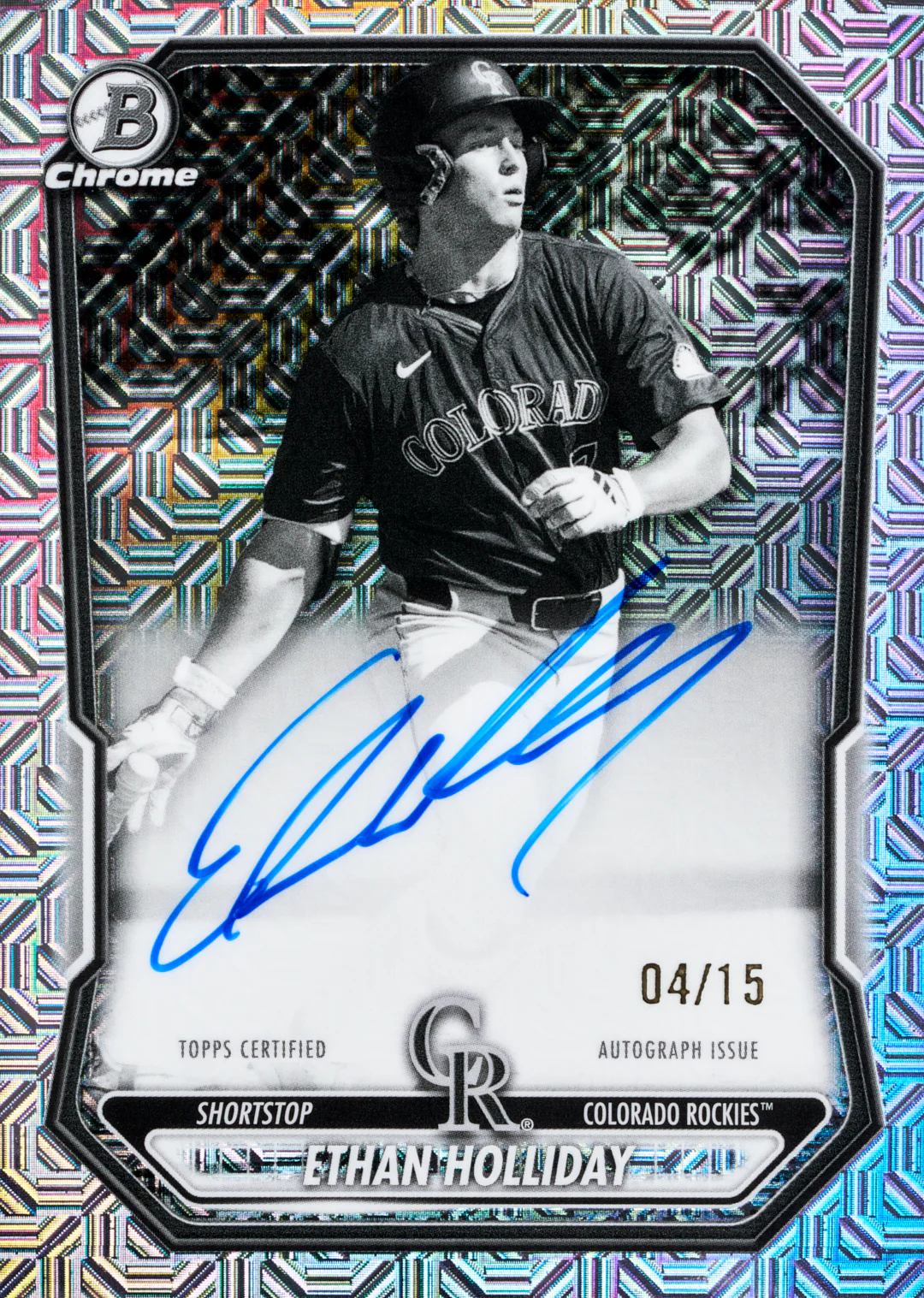
The second major tier is Bowman Chrome. These cards use a metallic-finish stock and are the primary engine for the brand’s "First Bowman" branding. A "First Bowman" card is the inaugural card of a player in a major release and is historically the most sought-after version of that player's card. When you navigate the 2026 checklist, you must look for the "Chrome" designation, as these are the cards that feature the autographed versions (Bowman Chrome Prospect Autographs) that drive the hobby’s secondary market.
How to Use the Checklist for Value Identification
When utilizing the 2026 Bowman checklist, collectors should not merely scan for names. Instead, you should cross-reference names with the specific card types listed. Identifying value requires an understanding of the "Refractor" ecosystem.
Refractors are parallel versions of the base chrome cards, featuring a prismatic, reflective coating. The 2026 checklist includes a tiered system of scarcity, ranging from unnumbered refractors to ultra-rare 1/1 (one-of-one) Superfractors.
Key Comparison: Paper vs. Chrome
| Feature | Paper Prospect | Chrome Prospect |
|---|---|---|
| Material | Standard Cardboard | Metallic/Reflective |
| Primary Use | Set Completion | Investment/Autographs |
| Autograph Availability | Rarely Autographed | Primary Source of Autos |
| Market Liquidity | Moderate | High |
The checklist will explicitly denote whether a player is featured in the base set, the chrome set, or the autograph checklist. If you are looking to maximize return on investment (ROI), focus your attention on players listed in the "Chrome Prospect Autograph" section of the document, as these represent the core of the 2026 market demand.
Navigating Configuration Differences
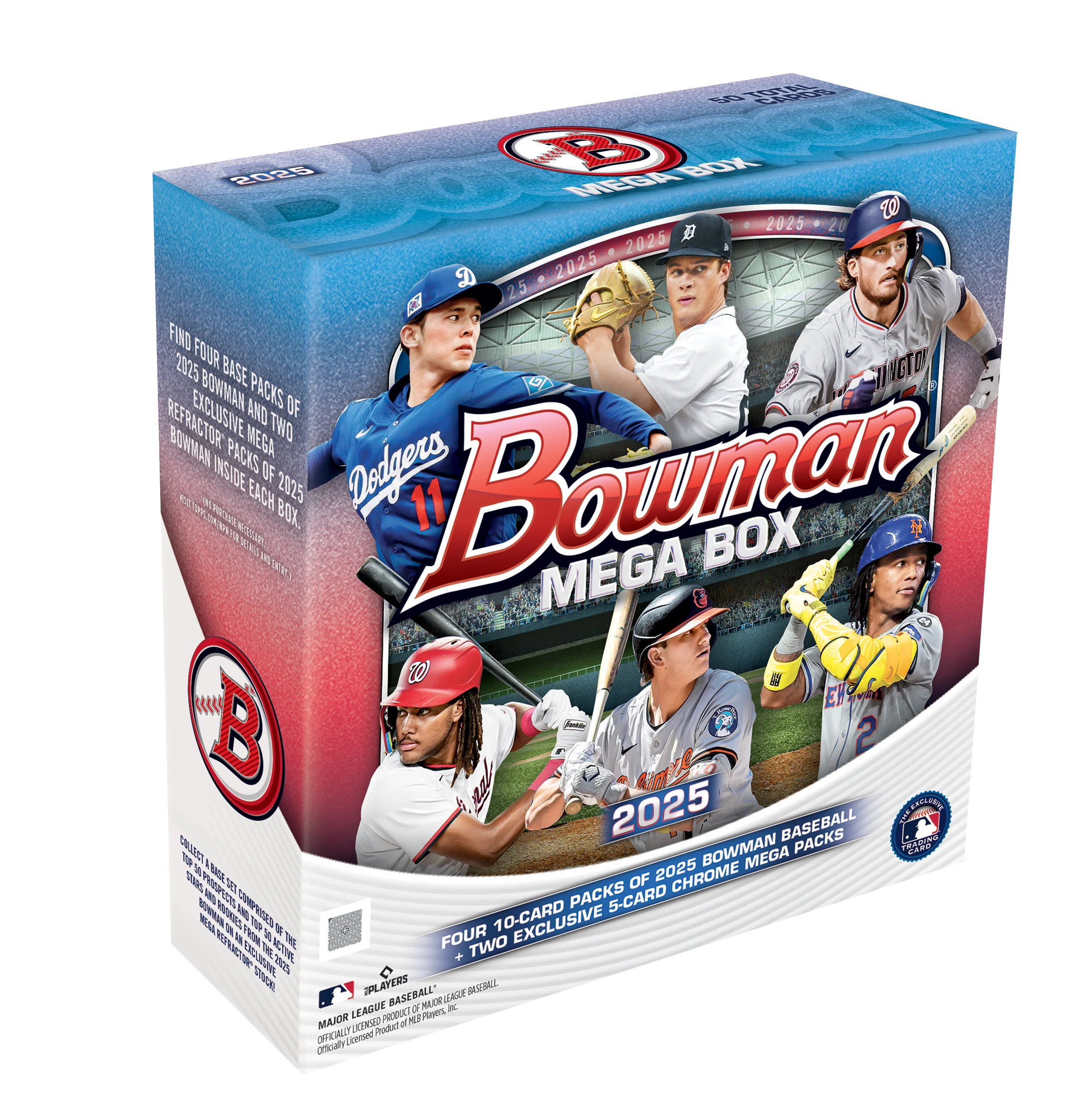
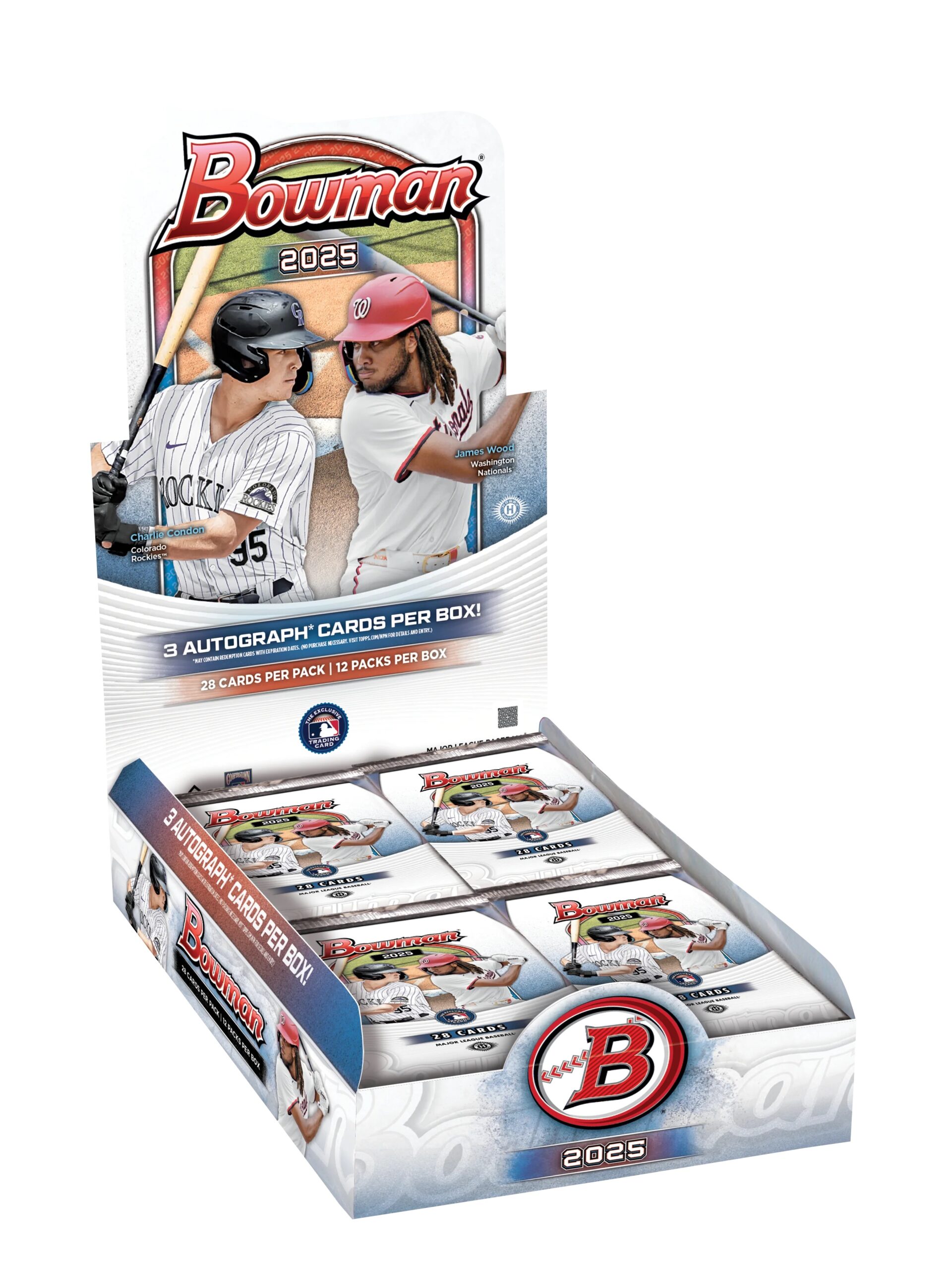
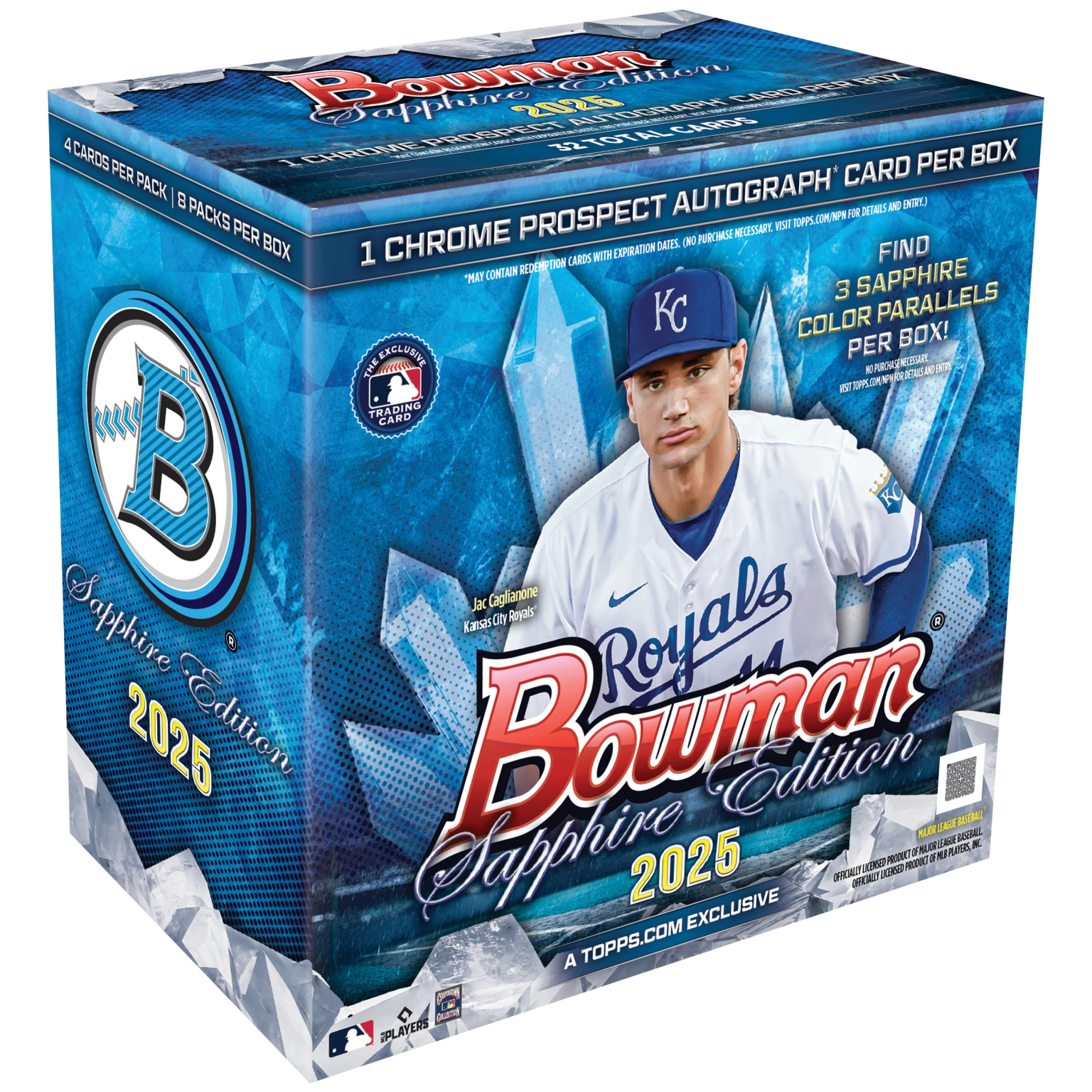
A frequent mistake made by collectors is assuming that the checklist applies universally to every product format. The 2026 Bowman release features several configurations, including Hobby Boxes, Jumbo Boxes, and Blaster Boxes.
- Hobby Boxes: These usually offer a specific number of guaranteed autograph cards and a set ratio of parallels. The checklist for hobby boxes is the most expansive.
- Retail/Blaster Boxes: These often contain exclusive parallels not found in hobby boxes. If you are buying retail, check the specific section of the 2026 checklist labeled "Retail Exclusives."
- Jumbo Boxes: Targeted at high-end collectors, these often contain a larger volume of chrome cards and a higher density of autographs, making them the preferred choice for those hunting for rare parallels.
Always ensure the checklist version you are viewing matches the configuration you are opening. Opening a checklist designed for "Hobby Only" will lead to confusion if you have purchased retail packs, as the specific serial-numbered cards may differ.
Strategies for Prospect Tracking
The 2026 Bowman checklist is an evolving document. As the MLB season progresses, collectors use the checklist to monitor which prospects have been promoted or traded. While the checklist is static at the time of printing, the relevance of the players on that list changes daily based on performance in the minor leagues.
Seasoned collectors use the checklist as a spreadsheet tool. By inputting the names from the 2026 checklist into a database alongside minor league statistics (such as strikeout rates, on-base percentage, and home run totals), you can identify "undervalued" prospects. This data-driven approach is what separates casual hobbyists from serious investors. If a player is featured on the 2026 Bowman checklist and is currently posting breakout numbers in Triple-A, that card’s market value is likely to trend upward.
Common Pitfalls and Troubleshooting
One of the most common issues collectors face is the confusion between "Base" and "Insert" cards. Inserts are subsets within the main checklist that focus on specific themes, such as "Modern Prospects" or "Rookie of the Year favorites." These cards are often aesthetically pleasing but do not always hold the same long-term value as a player’s primary chrome prospect card.
Another issue is "checklist fatigue." Because 2026 Bowman includes hundreds of players, it is easy to become overwhelmed. To manage this:
- Segment your search: Focus only on a specific team or division.
- Verify serial numbers: If you pull a card that looks rare, use the checklist to verify the print run (e.g., /499, /250, /50). The checklist will define the exact scarcity.
- Consult the "Short Print" (SP) section: Every year, Bowman includes image variations or short prints that are not listed in the main base section. If you pull a card that does not match the numbering of the standard base cards, check the "Variations" section of the 2026 checklist.
Frequently Asked Questions
Does the 2026 Bowman checklist include current MLB stars? Generally, no. Bowman is primarily focused on minor league prospects. While some "rookie" cards may appear if a player is in their first official year, the bulk of the checklist is comprised of prospects who have not yet established themselves in the major leagues.
Why are some autographs in the 2026 checklist listed as "Refractor" and others as "Paper"? Most premium autographs in the Bowman brand are printed on chrome stock because it provides a better surface for ink and a more desirable finish for collectors. Paper autographs are significantly rarer and often considered a secondary or niche collectible.
What is a "1st Bowman" designation? The "1st Bowman" logo is a specific emblem printed on the card indicating that it is the player's first official card under the Bowman brand. This is the "gold standard" for prospect collectors and is the most important factor in determining a card's value.
Are all 2026 Bowman cards printed in equal quantities? No. Base cards are printed in massive quantities, while Refractor parallels are printed in limited, serial-numbered runs (e.g., Gold Refractors are usually numbered out of 50). The checklist provides the specific print runs for every parallel type.
How do I find out which players are on the checklist before I buy? The official 2026 Bowman checklist is typically released by the manufacturer on their website or through verified hobby news outlets in the weeks preceding the product launch. Always check these official sources to avoid relying on outdated rumors.
Next Steps for Collectors
To make the most of the 2026 Bowman release, your next step should be to identify your collecting goal. If your goal is to build a complete set, purchase a hobby box and use the checklist to organize your binders systematically. If you are looking to invest, use the checklist to identify players in the "Chrome Prospect Autograph" section and track their performance throughout the 2026 baseball season. By combining the data within the checklist with real-world prospect performance, you can make informed decisions that maximize both the enjoyment and the financial potential of your collection.