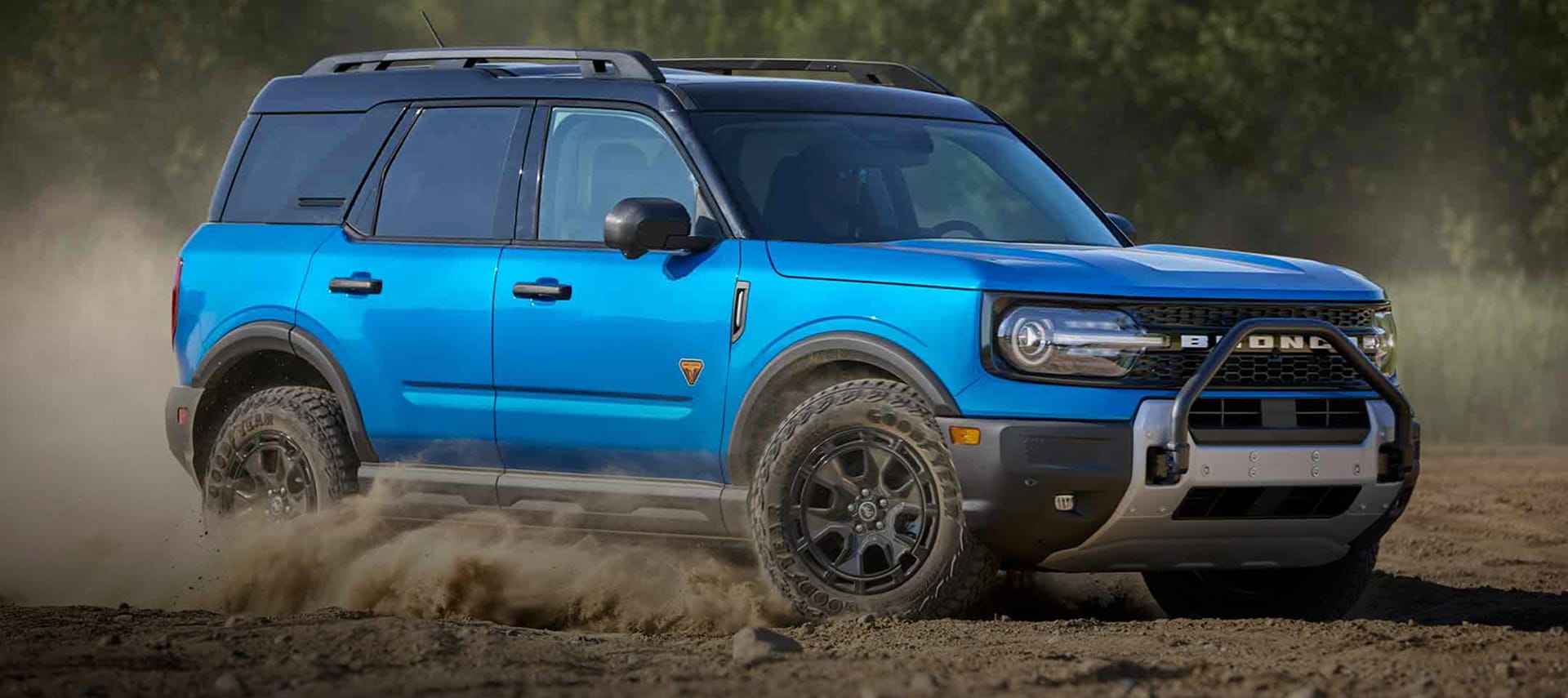
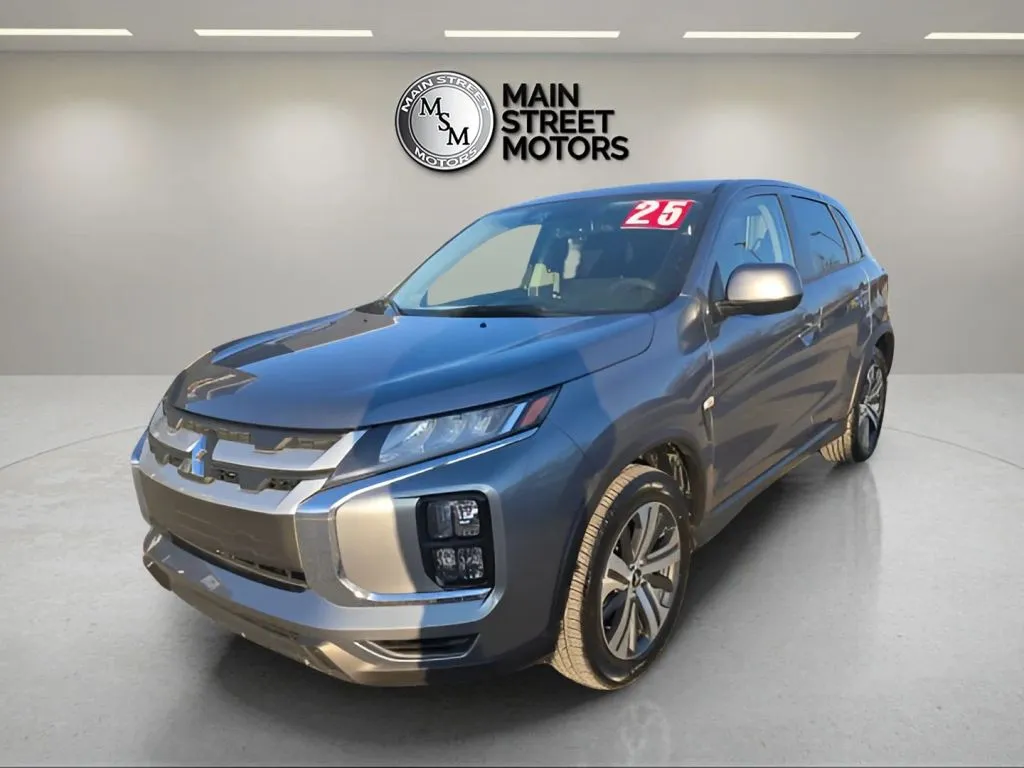
The 2025 sport utility vehicles market represents a pivotal transitional period for the automotive industry, balancing traditional internal combustion engines with rapidly expanding hybrid and all-electric powertrains across compact, midsize, and full-size segments.
Evolution and Market Landscape of 2025 Sport Utility Vehicles
The automotive sector in recent years has shifted decisively away from traditional passenger cars in favor of high-riding utility models. For the 2025 model year, manufacturers refined their vehicle architectures to maximize interior volume, improve fuel economy, and integrate advanced driver-assistance systems (ADAS) as standard equipment. Buyers shopping for a sport utility vehicle (SUV) in this cycle face a broader spectrum of powertrain choices than ever before, ranging from turbocharged four-cylinder engines to plug-in hybrid electric vehicles (PHEVs) and dedicated battery-electric vehicles (BEVs).
Understanding this landscape requires examining how manufacturers segment these vehicles. Industry standards generally divide SUVs into subcompact, compact, midsize, and full-size categories, with luxury and mainstream tiers overlapping significantly in pricing and features. The 2025 cohort emphasizes digitalization, featuring expansive multi-screen layouts, over-the-air (OTA) software update capabilities, and standardized active safety suites designed to meet evolving safety protocols established by organizations such as the National Highway Traffic Safety Administration (NHTSA) and the Insurance Institute for Highway Safety (IIHS).
Powertrain Diversity: ICE, Hybrid, Plug-In Hybrid, and Electric
One of the defining characteristics of 2025 sport utility vehicles is the coexistence of multiple powertrain philosophies. While pure internal combustion engines (ICE) remain widely available due to their lower upfront purchase price and established refueling infrastructure, electrified options have captured a substantial market share.
Traditional Internal Combustion Engines
Conventional gasoline engines rely on turbocharging and direct injection to extract higher output from smaller displacements. Many 2025 models utilize 1.5-liter to 3.0-liter turbocharged blocks paired with multi-speed automatic transmissions (ranging from 8-speed to 10-speed units) to balance highway cruising efficiency with towing capability. While these powertrains lack the immediate torque response of electric motors, they provide predictable refueling ranges and high maximum towing capacities, particularly in midsize and full-size utility segments.
Hybrids and Plug-In Hybrids (PHEVs)
Hybrid electric vehicles (HEVs) use a small battery pack and electric motor to capture regenerative braking energy, significantly improving urban fuel economy without requiring external charging. Plug-in hybrids extend this concept by offering a larger battery capacity that enables a specific all-electric driving range—typically between 20 and 50 miles—before the gasoline engine engages. This dual capability makes PHEVs an attractive option for buyers seeking to minimize daily fuel consumption on short commutes while retaining long-distance touring flexibility.
Battery-Electric Vehicles (BEVs)
Dedicated EV platforms became more prevalent across 2025 sport utility vehicles, offering flat floors, front trunk (frunk) storage spaces, and low centers of gravity that enhance handling dynamics. These models rely on high-voltage lithium-ion or lithium-iron-phosphate (LFP) battery packs, with driving ranges varying from under 250 miles for budget-oriented compacts to over 300 miles for large luxury configurations. Charging speeds have also improved, with many 2025 models supporting DC fast charging capable of replenishing significant battery capacity in under thirty minutes.
Segment Breakdown and Comparative Overview
To select the right vehicle from the 2025 lineup, buyers must evaluate how different size classes align with their daily transportation needs, garage dimensions, and passenger capacity requirements.
| Segment | Typical Seating | Primary Powertrains | Average Cargo Volume (Max) | Key Use Case |
|---|---|---|---|---|
| Subcompact SUV | 5 Passengers | ICE, Hybrid, BEV | 50 – 60 cu. ft. | Urban commuting, tight parking, high fuel efficiency. |
| Compact SUV | 5 Passengers | ICE, Hybrid, PHEV, BEV | 60 – 75 cu. ft. | Small families, balanced daily driving, moderate cargo. |
| Midsize SUV | 5 – 8 Passengers | ICE, Hybrid, PHEV, BEV | 80 – 95 cu. ft. | Growing families, road trips, light towing. |
| Full-Size SUV | 7 – 9 Passengers | ICE, Hybrid | 100+ cu. ft. | Heavy towing, large families, maximum cargo hauling. |
Subcompact and Compact Models
Subcompact sport utility vehicles prioritize maneuverability and fuel economy, making them popular choices for city dwellers. Compact models step up in overall length and wheelbase, providing adequate rear legroom for adults and significantly larger cargo holds. This segment is heavily contested, forcing manufacturers to introduce upscale interior materials and sophisticated infotainment software to differentiate their entries.
Midsize and Full-Size Models
Midsize SUVs offer the greatest variety, accommodating both two-row sport configurations and three-row family haulers. Full-size body-on-frame or large unibody SUVs, by contrast, are engineered for maximum utility. They frequently feature heavy-duty towing packages, V6 or V8 engines (or high-torque electric motors), and robust four-wheel-drive systems designed for towing boats, campers, or trailers over varied terrain.
Safety Innovations and Advanced Driver-Assistance Systems
Safety technology achieved higher standardization in 2025 sport utility vehicles. Features that were once reserved for premium luxury trims—such as blind-spot monitoring, rear cross-traffic alert, lane-keep assist, and automatic emergency braking with pedestrian detection—are now standard equipment across most mainstream lineups.
Furthermore, advanced semi-autonomous driving aids became more sophisticated in 2025. Systems capable of hands-free highway driving under specific geo-fenced conditions, automated lane changing, and advanced parking assist features migrated downward into mainstream vehicle tiers. Buyers should review specific manufacturer packages to determine whether these systems require subscription renewals after an initial trial period, as software-as-a-service models became common for connected features across the industry.
Key Considerations for Buyers
When evaluating 2025 sport utility vehicles, prospective owners should carefully analyze several practical factors beyond initial styling and brand preference:
- Total Cost of Ownership: Compare fuel or electricity costs, insurance premiums, scheduled maintenance intervals, and projected depreciation rates across different powertrains.
- Towing and Payload Requirements: Verify manufacturer-certified tongue weights and maximum towing capacities before purchasing if you intend to haul trailers or recreational equipment.
- Infotainment and Usability: Test physical controls versus touchscreen-integrated climate and audio settings to ensure ergonomic comfort while driving.
- Warranty Coverage: Review powertrain warranties, hybrid component coverage, and complimentary maintenance programs offered by the manufacturer.
Frequently Asked Questions
Are 2025 sport utility vehicles more expensive than previous model years?
Pricing for 2025 models generally reflects inflationary adjustments and the increased integration of advanced safety and infotainment technology as standard equipment. However, increased competition in the hybrid and electric segments has also introduced more competitive pricing structures and targeted leasing incentives.
What is the difference between a traditional hybrid and a plug-in hybrid SUV?
A traditional hybrid charges its small battery exclusively through regenerative braking and the internal combustion engine, allowing for short periods of electric-only driving at low speeds. A plug-in hybrid features a significantly larger battery that can be plugged into an external power source, providing a dedicated all-electric driving range before switching to standard hybrid operation.
Do 2025 SUVs require premium gasoline?
Fuel requirements vary by engine design. Many modern turbocharged four-cylinder and high-performance engines specify premium fuel for optimal power delivery and efficiency, while standard naturally aspirated engines and most hybrids operate effectively on regular unleaded gasoline. Always check the manufacturer specification label inside the fuel filler door.
How do I determine the towing capacity of a specific SUV?
An SUV's towing capacity depends on its engine configuration, drivetrain (front-wheel drive versus all-wheel-drive or four-wheel-drive), axle ratio, and whether it is equipped with an optional factory towing package. Never rely on the maximum advertised towing figure without verifying the specific window sticker or vehicle identification number (VIN) payload and tow ratings.
Are over-the-air updates standard on 2025 models?
Most modern vehicles incorporate over-the-air (OTA) update capabilities for infotainment systems, navigation maps, and occasionally powertrain or vehicle dynamics software. The extent of these updates and whether they remain free over the vehicle's lifespan varies significantly by automotive brand.
Next Steps for Prospective Buyers
Purchasing a vehicle from the 2025 model year requires balancing practical utility requirements with long-term technological trends. Begin by defining your exact passenger, cargo, and towing needs, then test-drive models across both traditional and electrified powertrain options. Consult official safety ratings from the IIHS and NHTSA, and review independent maintenance reliability studies before finalizing your purchase decision.