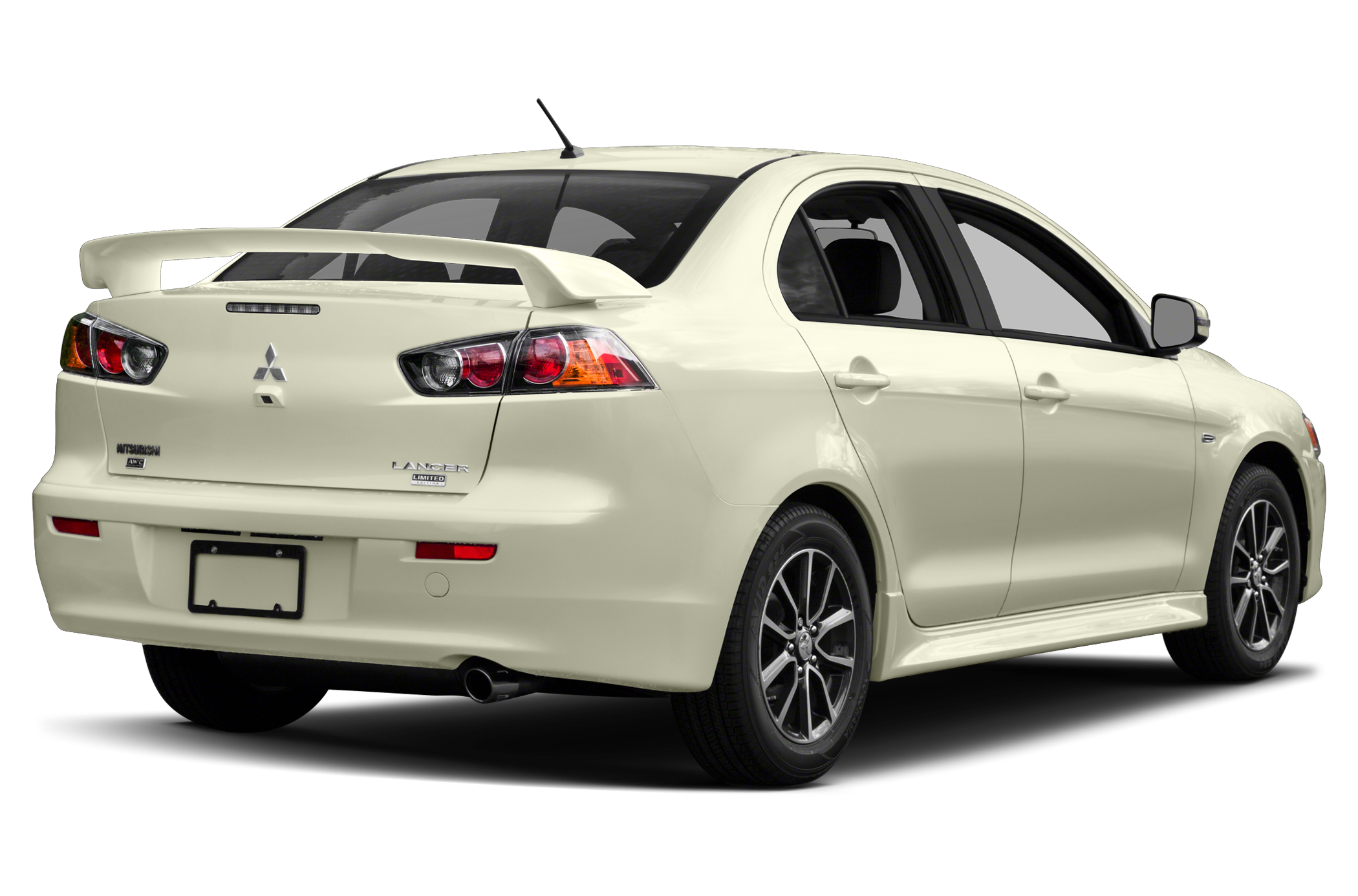
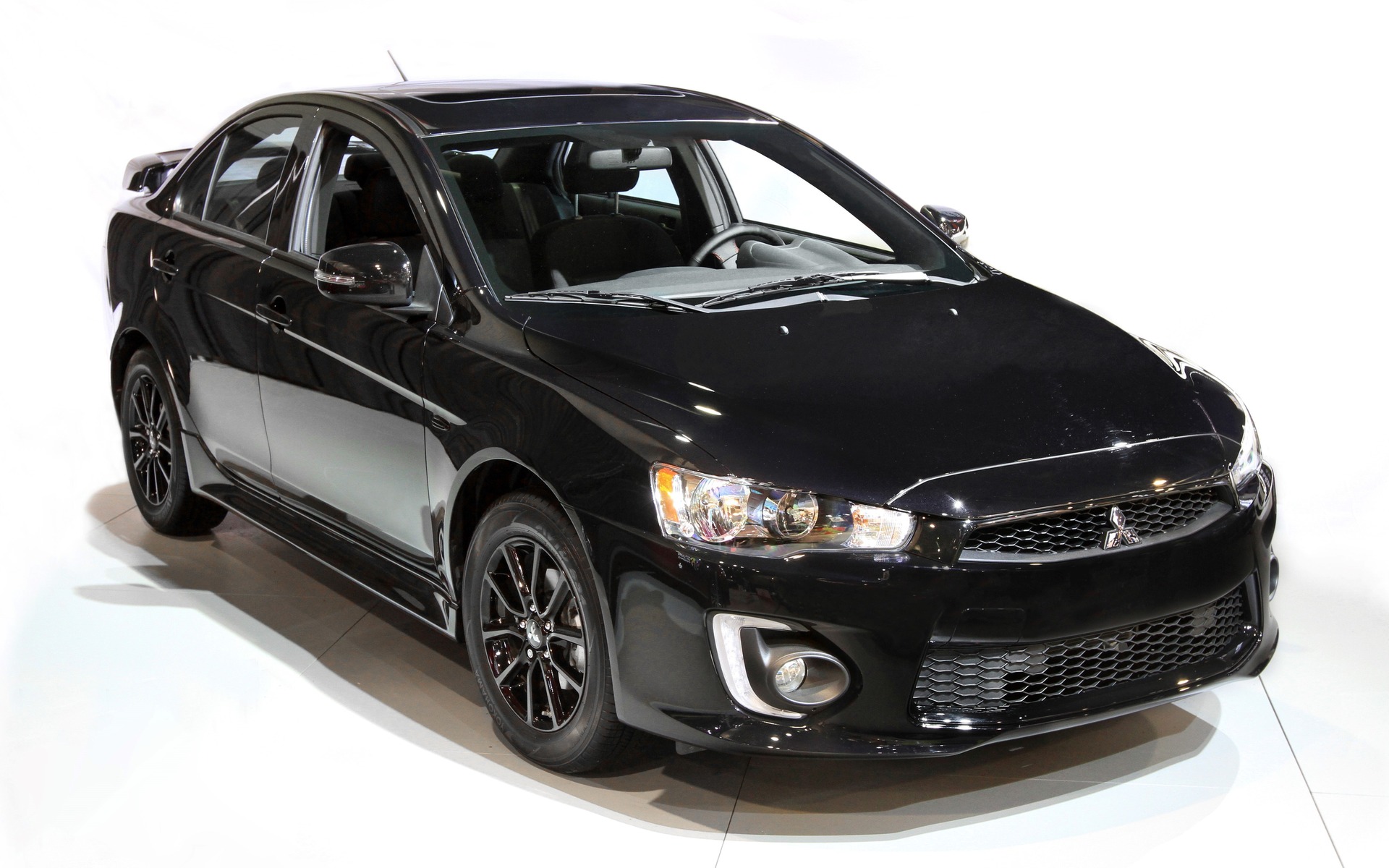
While Mitsubishi never officially produced a 2017 Lancer Evolution model year, the search for a late-model "Evo" remains intense among performance enthusiasts. Official production ended with the 2015 Lancer Evolution Final Edition, while the standard Lancer continued through 2017. Evaluating late-model Evolution X sedans alongside the final 2017 production Lancers reveals a benchmark in rally-inspired, all-wheel-drive engineering that continues to command significant respect in today's performance vehicle market.
Clarifying the Model Year: Evo X vs. the 2017 Base Lancer
To properly evaluate a "2017 Mitsubishi Lancer Evolution," buyers must first navigate a common historical misconception. Mitsubishi officially discontinued the Lancer Evolution after the 2015 model year. The company sent off the tenth generation (Evo X) with a limited-run Final Edition model—1,600 numbered units allocated to the United States and 350 to Canada.
Meanwhile, the standard, naturally aspirated Mitsubishi Lancer remained in production through the 2017 model year before being retired entirely from North America. Consequently, vehicles listed in classified ads as a "2017 Lancer Evolution" are almost exclusively one of two things:
- A standard 2017 Mitsubishi Lancer (such as the ES, SE, or SEL trim) retrofitted with aftermarket Evolution body panels, wings, and badges.
- A late-model Evolution X (2014 or 2015 model year) that was either sold or registered late in 2016 or 2017, leading to titling errors.
For driver-focused enthusiasts, understanding this distinction is crucial. The standard 2017 Lancer was an economical compact sedan offering an optional basic All-Wheel Control (AWC) system and up to 168 horsepower. In contrast, the authentic Lancer Evolution X is a purpose-built, widebody homologation special featuring a turbocharged 2.0-liter engine, an advanced torque-vectoring rear differential, heavy-duty chassis bracing, and performance hardware engineered for motorsport dominance.
Powertrain Engineering: The 4B11T Turbocharged Engine
At the heart of every late-generation Lancer Evolution lies the 4B11T engine, a 2.0-liter inline four-cylinder engine that replaced the cast-iron 4G63 engine used in Generations I through IX. The 4B11T features a die-cast aluminum cylinder block, dual overhead camshafts, and Mitsubishi’s MIVEC variable valve timing on both the intake and exhaust sides.
| 4B11T Engine Architecture |
|---|
| • Block: Die-cast Aluminum Cylinder Block |
| • Valvetrain: DOHC 16-Valve with Dual MIVEC |
| • Turbocharger: TD05H Twin-Scroll Turbocharger |
| • Intercooler: Front-Mounted Air-to-Air Assembly |
| • Power: 291 hp (GSR/MR) / 303 hp (Final Edition) |
In standard Evo X configurations (GSR and MR trims), the 4B11T produces 291 horsepower at 6,500 rpm and 300 lb-ft of torque at 4,000 rpm. For the 2015 Final Edition, factory tuning adjustments pushed output to 303 horsepower at 6,500 rpm and 305 lb-ft of torque at 4,000 rpm.
Twin-Scroll Turbocharging and Throttle Response
The 4B11T utilizes a TD05H twin-scroll turbocharger coupled with a large front-mounted air-to-air intercooler. The twin-scroll design separates exhaust pulses from cylinder pairs, reducing exhaust backpressure and drastically shortening boost lag. Power delivery begins building low in the rev range, hitting peak surge around 3,500 rpm and holding strong up to the 7,000 rpm redline.
Transmission Options: 5-Speed Manual vs. TC-SST
Power reaches the pavement through one of two distinct transmission layouts:
- 5-Speed Manual Transmission (GSR & Final Edition): Built with heavily reinforced gear sets and a mechanical short-throw shifter, the 5-speed manual offers high gear strength for elevated power levels. However, its lack of a 6th gear means highway cruising speeds (70–75 mph) result in elevated engine revs above 3,500 rpm.
- 6-Speed Twin Clutch Sportronic Shift Transmission (TC-SST / MR Trim): Developed by Getrag, this wet dual-clutch automated manual transmission provides lightning-fast gear changes via magnesium steering-column paddle shifters. It offers three operating modes: Normal, Sport, and S-Sport (Super Sport), which holds gears high into the powerband and aggressively downshifts under heavy braking.
Chassis, Suspension, and Super All-Wheel Control (S-AWC)
What set the Lancer Evolution apart from every contemporary sports compact was not merely straight-line acceleration, but its sophisticated dynamic torque-management system known as Super All-Wheel Control (S-AWC).
| Super All-Wheel Control Integration |
|---|
| • ACD (Active Center Differential): Electronically split torque |
| • AYC (Active Yaw Control): Vector torque across rear wheels |
| • ASC (Active Stability Control): Manage brake & throttle drag |
| • Sports ABS: Optimize corner-entry braking stability |
S-AWC integrates four distinct sub-systems into a unified control network:
- Active Center Differential (ACD): An electronically controlled multi-plate clutch that regulates front-to-rear torque distribution based on steering angle, throttle position, wheel speed, and lateral G-forces.
- Active Yaw Control (AYC): A planetary gear set and hydraulic clutch pack housed within the rear differential. AYC actively transfers torque left-to-right across the rear axle to generate yaw momentum, effectively steering the car around corners and reducing understeer.
- Active Stability Control (ASC): Monitors vehicle trajectory and selectively applies braking to individual wheels to maintain vehicle control at extreme limits.
- Sports Anti-lock Braking System (ABS): Factors steering angle and lateral motion into ABS pump pressures to allow maximum braking control while turning into a corner.
Drivers can toggle S-AWC between three selectable surface presets: Tarmac (for dry paved surfaces), Gravel (for loose or wet surfaces), and Snow (for low-friction ice and snow conditions).
Suspension and Braking Hardware
Underneath the body, late-model Evos feature a MacPherson strut front layout paired with an inverted shock design and a multi-link rear setup. Higher-spec MR models and Final Edition variants featured factory-equipped Bilstein dampers and Eibach coil springs.
Stopping power is delivered by a high-performance Brembo braking system featuring 4-piston aluminum front calipers squeezing 13.8-inch two-piece ventilated rotors (designed to shed heat under track conditions) and 2-piston rear calipers on 13.0-inch rotors.
Interior Cabin, Practicality, and Daily Usability
Inside the cockpit, the Lancer Evolution prioritizes driver inputs over luxury amenities. The dashboard design is straightforward, functional, and largely shared with the base-model Lancer, which remains its most common point of criticism.
| Interior & Practicality Specs |
|---|
| • Front Seating: Recaro Sport Seats (GSR/MR) or Standard Sport |
| • Cargo Space: Reduced 6.9 cu ft (due to battery/washer reservoir) |
| • Fuel Capacity: 14.5 Gallons (Premium 93 Octane Required) |
| • Audio/Infotainment: 7-inch Touchscreen with Fuse Hands-Free |
Seating and Ergonomics
Standard GSR and MR models up to early 2015 production included aggressive Recaro racing seats with high side bolsters that lock driver and passenger in place during high-G cornering. However, due to updated side-airbag regulations in North America, late 2015 production models and certain Final Edition units substituted these with standard Mitsubishi sport seats, which offered less lateral support.
Everyday Trade-Offs
Living with an Evolution requires accepting several practical compromises:
- Trunk Capacity: To optimize front-to-rear weight distribution, Mitsubishi relocated the 12-volt battery and windshield washer fluid reservoir to the trunk behind the rear seats. This, along with the optional factory subwoofer, reduces usable trunk space to roughly 6.9 cubic feet.
- Fixed Rear Bench: Structural cross-bracing mounted behind the rear seats prevents them from folding down, limiting cargo flexibility.
- Cabin Noise: Minimal sound insulation, combined with high-rev gearing on 5-speed models, produces noticeable tire, wind, and engine noise on long highway trips.
- Fuel Range: The 14.5-gallon fuel tank, combined with real-world fuel economy often averaging 16–20 mpg, results in a relatively limited driving range per fill-up.
Detailed Model Comparison: Evolution X vs. Standard 2017 Lancer
To understand how the final Evolution models stack up against the standard 2017 Lancer sedan, review the technical specifications below:
| Feature / Specification | 2015 Lancer Evolution GSR | 2015 Lancer Evolution Final Edition | 2017 Mitsubishi Lancer SEL AWC |
|---|---|---|---|
| Engine Code | 4B11T (Turbocharged) | 4B11T (Turbocharged) | 4B12 (Naturally Aspirated) |
| Displacement | 2.0 Liters | 2.0 Liters | 2.4 Liters |
| Horsepower | 291 hp @ 6,500 rpm | 303 hp @ 6,500 rpm | 168 hp @ 6,000 rpm |
| Torque | 300 lb-ft @ 4,000 rpm | 305 lb-ft @ 4,000 rpm | 167 lb-ft @ 4,100 rpm |
| Drivetrain | S-AWC with AYC & ACD | S-AWC with AYC & ACD | Standard AWC (Electronically Controlled) |
| Transmission | 5-Speed Manual | 5-Speed Manual | Continuously Variable (CVT) |
| Front Brakes | Brembo 4-Piston / 13.8" Rotors | Brembo 2-Piece Rotors / 4-Piston | Standard Single-Piston / 11.6" Rotors |
| Dampers / Springs | KYB / Mitsubishi | Bilstein / Eibach | Standard Independent |
| Curb Weight | ~3,527 lbs | ~3,527 lbs | ~3,142 lbs |
| Original MSRP (New) | ~$34,495 | ~$37,995 | ~$22,000 |
Used Buyer’s Inspection Checklist & Mechanical Common Pitfalls
Because late-model Evos are popular targets for performance tuning and aggressive driving, pre-purchase inspections require extreme diligence. Below are the key mechanical areas to verify before purchasing a used Evolution X.
| Essential Used Inspection Checklist |
|---|
| [ ] AYC Hydraulic Pump Operation & Corrosion Check |
| [ ] TC-SST Fluid Condition & Teach-In Service History |
| [ ] Timing Chain Stretch & Cam Position Fault Codes |
| [ ] Plastic Clutch Master Cylinder Integrity (Manual Models) |
| [ ] ECU Flash Count & Aftermarket Tune Verification |
| [ ] Subframe and Underbody Rust Inspection |
1. Active Yaw Control (AYC) Pump Failure
The AYC hydraulic pump is mounted behind the rear passenger wheel, directly in the splash path of road salt, water, and debris. Corrosion inside the pump casing frequently causes the internal seals to fail or the motor to burn out, illuminating the "S-AWC System Service Required" light.
- Cost Impact: Replacement pump assemblies cost $1,500 to $2,500 for parts alone, excluding labor. Relocation kits are available in the aftermarket to move the pump inside the trunk for protection.
2. TC-SST Transmission Maintenance
The 6-speed TC-SST dual-clutch transmission requires strict fluid change intervals every 20,000 to 30,000 miles using specialized DiaQueen SSTF-I fluid. Neglected fluid leads to clutch slip, harsh shifting, and premature damper failure inside the transmission.
- Diagnostic Step: Perform a dealer or specialist scan to verify gear shift clutch pressure values and confirm that a clutch "teach-in" calibration has been performed after fluid services.
3. Timing Chain Stretch
Early 4B11T engines were prone to timing chain stretch over time. While Mitsubishi updated the chain design for later production years, modified engines running higher rev limits or extended oil change intervals can still stretch the chain, triggering engine check codes P0012 or P0014 (camshaft timing over-retarded).
4. Clutch Master Cylinder Failure (5-Speed Manual)
The OEM clutch master cylinder in manual models features a plastic internal cylinder wall. Under heavy load or when paired with an upgraded aftermarket stiff clutch, the plastic housing can crack or blow out its seals, leaving the clutch pedal stuck to the floor. Upgrading to an aluminum master cylinder kit is a standard preventive fix.
5. Tuning History and Bolt-on Modifications
The 4B11T engine responds remarkably well to aftermarket ECU flashes, intake upgrades, and exhaust systems. However, poor tuning can cause engine knock, lean fuel mixtures, and bent connecting rods. Always verify whether the factory ECU software is intact or if it is running a custom tune, and check for signs of removed aftermarket hardware (e.g., mismatched bolt wear on the turbocharger heat shield or downpipe).
Market Valuation, Competitor Analysis, and Used Alternatives
Because no new Evolution replaced the Evo X, resale values for clean, unmodified 2014–2015 models have remained extraordinarily resilient.
| Market Valuation Range (2026 Context) |
|---|
| • High-Mileage / Modified GSR: $22,000 - $28,000 |
| • Clean / Low-Mileage GSR/MR: $30,000 - $38,000 |
| • Pristine Final Edition: $42,000 - $55,000+ |
When comparing a late-model Evolution X to contemporary high-performance rivals, distinct dynamic strengths emerge:
- vs. Subaru WRX STI (VA Generation): The WRX STI offers a richer exhaust note from its boxer engine and a more practical interior with folding rear seats. However, the Evolution’s S-AWC system provides faster corner-entry rotation and sharper turn-in response than the STI’s driver-controlled center differential (DCCD).
- vs. Ford Focus RS: The all-wheel-drive Focus RS matched the Evo’s sharp, tail-happy cornering demeanor and brought a practical hatchback body style. However, the Focus RS suffers from an exceptionally stiff ride quality that makes daily driving more grueling than in an Evo equipped with Bilstein dampers.
- vs. Volkswagen Golf R (MK7): The Golf R delivers far superior cabin materials, refined highway cruising, and superior infotainment tech. However, its Haldex-based all-wheel-drive system feels distinctly front-biased compared to the full-time rally-bred mechanical layout of the Evolution X.
Frequently Asked Questions
Did Mitsubishi produce a factory 2017 Lancer Evolution?
No. Official production of the Lancer Evolution ended globally after the 2015 model year with the Lancer Evolution Final Edition. Mitsubishi continued producing the base, non-Evo Lancer through the 2017 model year before retiring the Lancer nameplate in North America.
What is the difference between an Evolution GSR and MR?
The Evolution GSR features a 5-speed manual transmission, standard KYB shock absorbers, a large rear spoiler, and fabric Recaro seats. The Evolution MR comes equipped with the 6-speed TC-SST dual-clutch transmission, upgraded Bilstein dampers with Eibach springs, lighter two-piece front brake rotors, a subtler lip spoiler, and additional interior comfort options.
Is the 2017 Mitsubishi Lancer SEL AWC a good substitute for an Evolution?
No. While the 2017 Lancer SEL features All-Wheel Control (AWC), it lacks the turbocharged 4B11T engine, the Active Yaw Control (AYC) torque-vectoring rear differential, reinforced chassis welds, Brembo brakes, and widebody suspension geometry of the Evolution. The 2017 SEL is designed purely as an economical commuter sedan.
How reliable is the 4B11T engine on a late-model Evolution X?
When kept near stock power levels and maintained with high-quality synthetic oil changed every 3,000 to 5,000 miles, the 4B11T is a highly durable engine capable of exceeding 150,000 miles. Mechanical failures typically stem from poor ECU tuning, excessively high boost pressure, or neglected maintenance.
What fuel does the Lancer Evolution require?
The Lancer Evolution X requires premium unleaded gasoline with a minimum octane rating of 93 AKI (or 91 AKI in regions where 93 octane is unavailable). Using lower octane fuel causes the ECU to retard ignition timing to prevent engine knock, resulting in reduced performance and potential engine damage under heavy load.
Final Verdict & Actionable Buyer Recommendations
The search for a "2017 Mitsubishi Lancer Evolution" ultimately leads buyers to one of the most rewarding performance cars of its era: the late-model Evolution X (2014–2015). Even years after the final vehicle rolled off the Normal, Illinois assembly lines, the Evo X’s Super All-Wheel Control system remains a masterclass in dynamic vehicle control, offering handling precision that few modern sports sedans can replicate at similar price points.
If you are shopping in the used marketplace today:
- Verify the Title and VIN: Confirm whether the vehicle is a genuine CZ4A-chassis Evolution or a re-badged base Lancer.
- Prioritize Originality: Seek out examples with complete service documentation, factory intake and exhaust components, and un-flashed ECU software. Unmodified cars command higher resale values and present far fewer mechanical headaches.
- Budget for Specialty Maintenance: Inspect the AYC pump operation immediately and set aside a maintenance contingency fund for fluid flushes (S-AWC hydraulics, rear differential, and TC-SST fluid) using genuine Mitsubishi DiaQueen fluids.
For buyers who demand raw hydraulic steering feel, explosive mid-range boost, and cornering limits that defy traditional physics, a well-maintained late-model Lancer Evolution X remains an absolute icon worth pursuing.