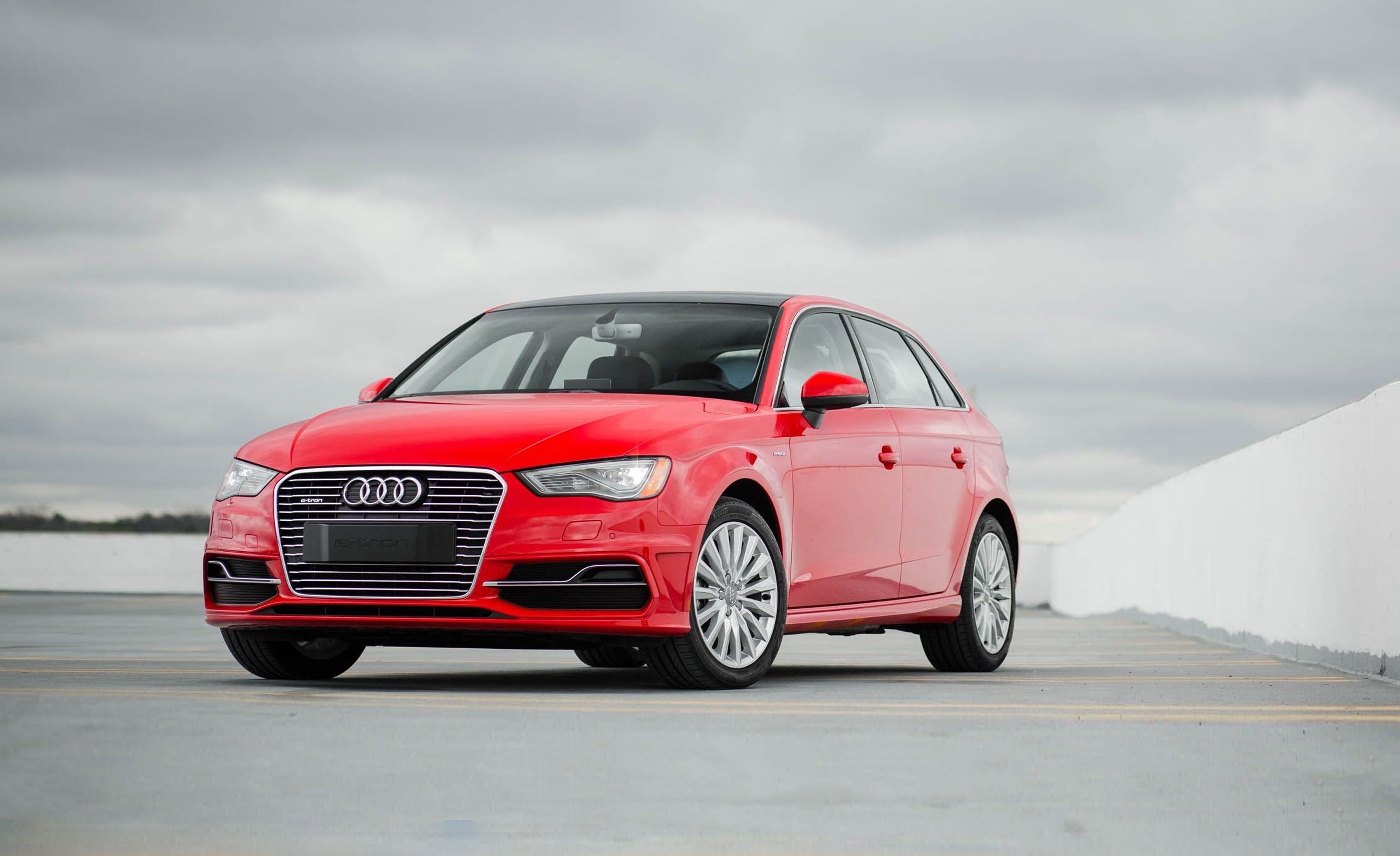
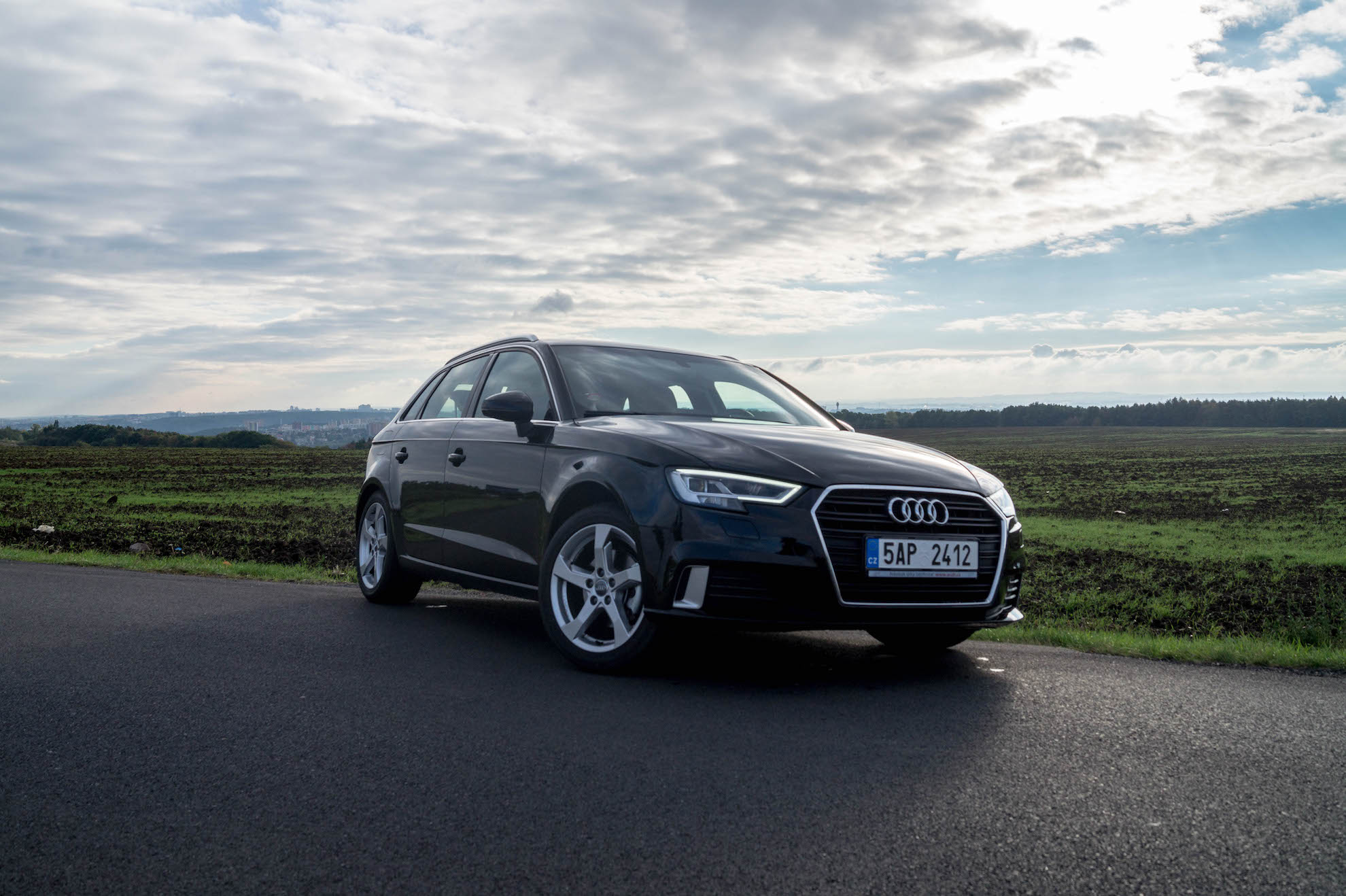
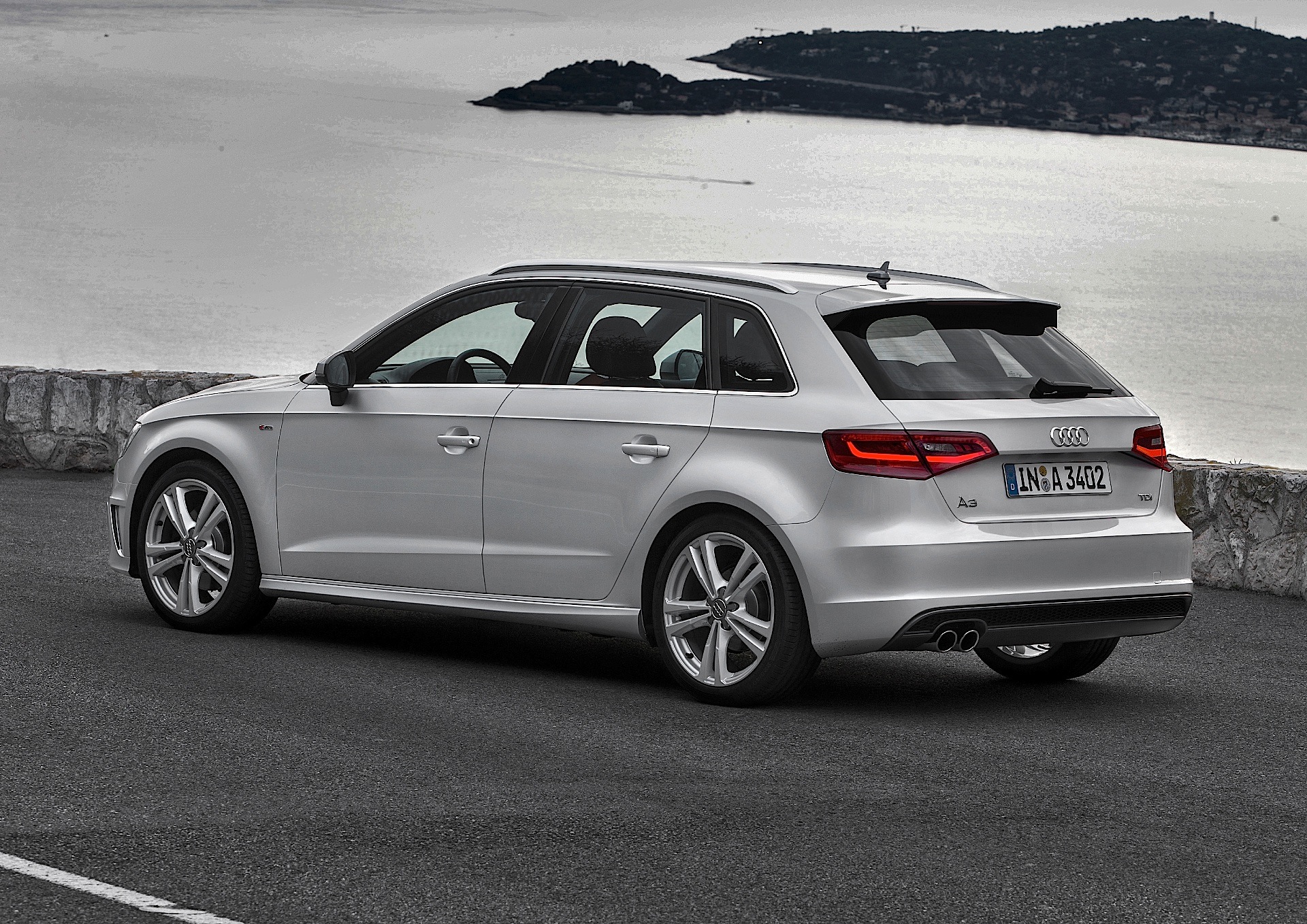
The 2016 Audi A3 Sportback remains a benchmark for the premium compact segment, offering a sophisticated blend of German engineering, versatile cargo space, and high-quality interior materials. In 2026, it represents a high-value entry point into luxury car ownership, provided buyers prioritize consistent maintenance and understand the specific mechanical needs of its MQB-platform architecture.
Understanding the 2016 Audi A3 Sportback Design and Utility
The 2016 model year was a pivotal point for the Audi A3 (Type 8V). While the sedan version dominated the North American market, the Sportback—Audi’s designation for its five-door hatchback—offered a distinct value proposition for those requiring more utility than a traditional trunk could provide. Built on the Volkswagen Group’s Modular Transverse Matrix (MQB) platform, the A3 Sportback shares its DNA with the Volkswagen Golf, yet it distinguishes itself through superior acoustic insulation, higher-grade cabin materials, and more advanced driver-assistance features.
The "Sportback" name is not merely a marketing term; it identifies the vehicle's specific silhouette, which features a more elongated roofline compared to a standard three-door hatch (popular in Europe) and a more upright rear than the sedan. This design provides significant benefits in rear-seat headroom and cargo accessibility. In 2026, this body style is particularly favored by urban commuters who need to balance tight parking requirements with the ability to transport larger items that wouldn't fit through a sedan’s narrow trunk opening.
Cargo Capacity and Versatility
The Sportback’s primary advantage is its 13.6 cubic feet of cargo space with the rear seats up, which expands significantly when the 60/40 split-folding seats are lowered. The wide hatch opening and low load floor make it an ideal companion for weekend gear or grocery runs. However, owners of the 2016 e-tron (Plug-in Hybrid) variant should note that the battery placement slightly reduces the deep-storage capability compared to the standard gasoline or diesel models.
Powertrain Options and Performance Capabilities
By 2016, Audi had refined its engine lineup to balance performance with the tightening emissions standards of the era. Depending on the specific market and trim, the A3 Sportback was available with several distinct engines, each offering a different driving character.
The 2.0 TFSI and 1.8 TFSI Gasoline Engines
The most common engines found on the used market in 2026 are the 1.8-liter and 2.0-liter turbocharged four-cylinder units (TFSI). The 1.8 TFSI was generally paired with front-wheel drive, producing roughly 170 horsepower, making it an efficient choice for highway cruising.
The 2.0 TFSI is the enthusiast's choice, typically paired with Audi’s Quattro all-wheel-drive system. In the 2016 model, this engine produced 220 horsepower and 258 lb-ft of torque. This engine utilizes the EA888 Gen 3 architecture, which, by 2016, had addressed many of the oil-consumption issues that plagued earlier versions (Gen 1 and Gen 2). It provides a broad torque curve, allowing for effortless overtaking and a 0–60 mph time in the sub-6-second range.
The A3 Sportback e-tron (Plug-in Hybrid)
The 2016 A3 Sportback e-tron was one of Audi's first serious forays into electrification. It combines a 1.4-liter TFSI engine with an 8.8 kWh lithium-ion battery pack and an electric motor.
- Total System Output: 204 horsepower.
- Electric Range: Approximately 16–22 miles of pure electric driving when new.
- Charging: In 2026, buyers should check battery health, as these units are now a decade old and may show significant degradation in electric-only range.
Transmission: The S-Tronic Dual-Clutch
Most 2016 A3 Sportbacks are equipped with the 6-speed or 7-speed S-Tronic dual-clutch transmission. This gearbox is celebrated for its lightning-fast shifts and efficiency. However, it requires strict adherence to fluid change intervals (typically every 40,000 miles) to prevent jerky engagement or premature wear of the mechatronic unit.
| Feature | 1.8 TFSI (FWD) | 2.0 TFSI (Quattro) | 1.4 TFSI e-tron (PHEV) |
|---|---|---|---|
| Horsepower | 170 hp | 220 hp | 204 hp (Total System) |
| Torque | 200 lb-ft | 258 lb-ft | 258 lb-ft (Total System) |
| 0-60 MPH | ~7.2 Seconds | ~5.8 Seconds | ~7.6 Seconds |
| Drivetrain | Front-Wheel Drive | All-Wheel Drive | Front-Wheel Drive |
| Transmission | 6-Speed S-Tronic | 6-Speed S-Tronic | 6-Speed e-S-Tronic |
Interior Quality and 2026 Tech Compatibility
The 2016 Audi A3 interior is often cited as a masterclass in minimalist luxury. Even a decade later, the tactile feel of the knurled aluminum buttons and the "click" of the air vent dials feel superior to many modern vehicles that have moved toward cheap, gloss-black touch surfaces.
MMI Infotainment and Connectivity
The A3 features the MMI (Multi Media Interface) system with a screen that electronically rises from the dashboard. In 2016, this was a high-tech marvel. In 2026, the software feels dated, but it remains functional.
- Smartphone Interface: 2016 was a transition year for Audi. Many models produced late in the year or equipped with specific tech packages include Apple CarPlay and Android Auto. This is a critical feature to verify, as it significantly extends the car's modern usability.
- Virtual Cockpit: While more common in the 2017 facelift, some late 2016 European-spec Sportbacks may feature the first-generation Virtual Cockpit (digital instrument cluster).
Critical Maintenance and Common Issues in 2026
When purchasing a 10-year-old 2016 Audi A3 Sportback, the "how it was driven" is less important than "how it was maintained." At this stage in the vehicle's life, certain components are statistically likely to require attention.
1. The Water Pump and Thermostat Housing
A well-documented issue with the EA888 engine family used in the A3 is a leak from the plastic thermostat housing or the water pump. In 2026, if you see coolant crusting on the front of the engine block or smell a faint "sweet" scent after driving, a replacement is likely necessary. Many owners opt for upgraded aluminum housings to prevent future failures.
2. Carbon Buildup
Because these are Direct Injection (TFSI) engines, fuel does not wash over the intake valves. Over time, carbon deposits build up on the valves, leading to rough idling, decreased fuel economy, and occasional misfires. By 100,000 miles, a "walnut blasting" service is often recommended to restore engine performance.
3. Suspension Bushings and Haldex Service
The rubber bushings in the front control arms often begin to crack after ten years of heat and road salt exposure. Additionally, if the vehicle is a Quattro model, the Haldex coupling requires a fluid change every 30,000 to 40,000 miles. Neglecting this can lead to the rear wheels failing to engage, effectively turning the car into a front-wheel-drive vehicle and potentially damaging the pump.
4. Panoramic Sunroof Leaks
Many A3 Sportbacks were equipped with a panoramic sunroof. The drainage tubes can become clogged with debris (leaves, pine needles), leading to water ingress into the cabin. Owners should proactively clear these drains and check the footwells for dampness, which can eventually lead to electrical issues in the body control modules.
Driving Dynamics: The Quattro Advantage
The 2016 A3 Sportback is widely praised for its "composed" handling. It is not as raw or aggressive as an S3 or an RS3, but it offers a level of stability that is rare in the compact hatchback class. The Quattro system used here is a Haldex-based on-demand system. Under normal conditions, it sends most power to the front wheels to save fuel, but it can divert power to the rear wheels in milliseconds when it detects a loss of traction.
On the road, this translates to a car that feels planted in the rain or snow. The steering is light—typical of Audi’s electromechanical setups—but precise. For those looking for a more engaging drive, models equipped with the "Sport Package" feature a slightly lower ride height and firmer suspension tuning, though this does come at the cost of some ride comfort on broken pavement.
Market Value and Purchasing Advice in 2026
As of 2026, the 2016 Audi A3 Sportback occupies a specific niche in the used market. It is priced similarly to newer, mainstream economy cars but offers a vastly different ownership experience.
Expected Price Ranges
- High Mileage (120k+ miles): $7,000 – $9,500. At this level, ensure the timing chain and turbocharger have been inspected.
- Average Mileage (80k–100k miles): $10,000 – $13,000. Look for a complete service history from an authorized Audi dealer or a reputable German car specialist.
- Low Mileage / e-tron Enthusiast: $14,000+. These are rare and often held by collectors or commuters who had short charging cycles.
Pre-Purchase Inspection (PPI) Checklist
Before finalizing a purchase in 2026, a PPI is mandatory. Ensure the technician checks:
- Fault Codes: Use a VAG-COM or OBDeleven tool to check for hidden codes in the MMI and DSG modules.
- Turbocharger Play: Ensure there is no excessive oil in the intercooler pipes.
- Subframe Corrosion: Especially in "snow belt" regions.
- Battery Health (e-tron only): Request a capacity test to see how much of the original 8.8 kWh remains.
Frequently Asked Questions
Does the 2016 Audi A3 Sportback require premium fuel?
Yes, Audi recommends 91 octane (premium) fuel for all TFSI engines in the 2016 A3 lineup. Using lower-octane fuel can lead to engine "knock" or pulling of timing by the ECU, which reduces performance and can cause long-term damage to the pistons under heavy load.
Is the 2016 Audi A3 expensive to maintain?
Compared to a Toyota Corolla or Honda Civic, yes. Parts for German vehicles generally carry a premium, and the labor required for certain tasks (like DSG services) is higher. However, when compared to other luxury brands like BMW or Mercedes-Benz of the same era, the A3 is relatively affordable because many of its mechanical parts are shared with the high-volume Volkswagen Golf.
How many miles can a 2016 Audi A3 Sportback last?
With meticulous maintenance, the EA888 engine and S-Tronic transmission are capable of exceeding 200,000 miles. The key is preventing small issues (like coolant leaks) from becoming catastrophic ones (overheating). By 2026, many examples are crossing the 150,000-mile mark and still performing well.
Is the 2016 A3 Sportback a good car for new drivers?
It is an excellent choice due to its high safety ratings and manageable size. The 2016 model received a Top Safety Pick+ rating from the IIHS, provided it was equipped with the optional front-crash prevention system. The visibility is better than the sedan version, making it easier to park for novices.
Can I add Apple CarPlay to a 2016 A3 if it doesn't have it?
Yes. If the car has the MMI Navigation Plus system but lacks the smartphone interface, it can often be retrofitted via a software update or a third-party "MMI Box" that integrates with the factory screen. This is one of the most popular upgrades for A3 owners in 2026.
Final Recommendation
The 2016 Audi A3 Sportback Hatchback is a "sweet spot" vehicle for the used market in 2026. It offers the modern MQB architecture without the extreme complexity of the 48V mild-hybrid systems found in newer Audis. For the best experience, seek out a 2.0 TFSI Quattro model with a documented history of DSG and Haldex fluid changes. If you are considering the e-tron, do so only if your daily commute is under 15 miles and you have home charging, as the battery's age in 2026 makes it less effective for long-distance hybrid efficiency.