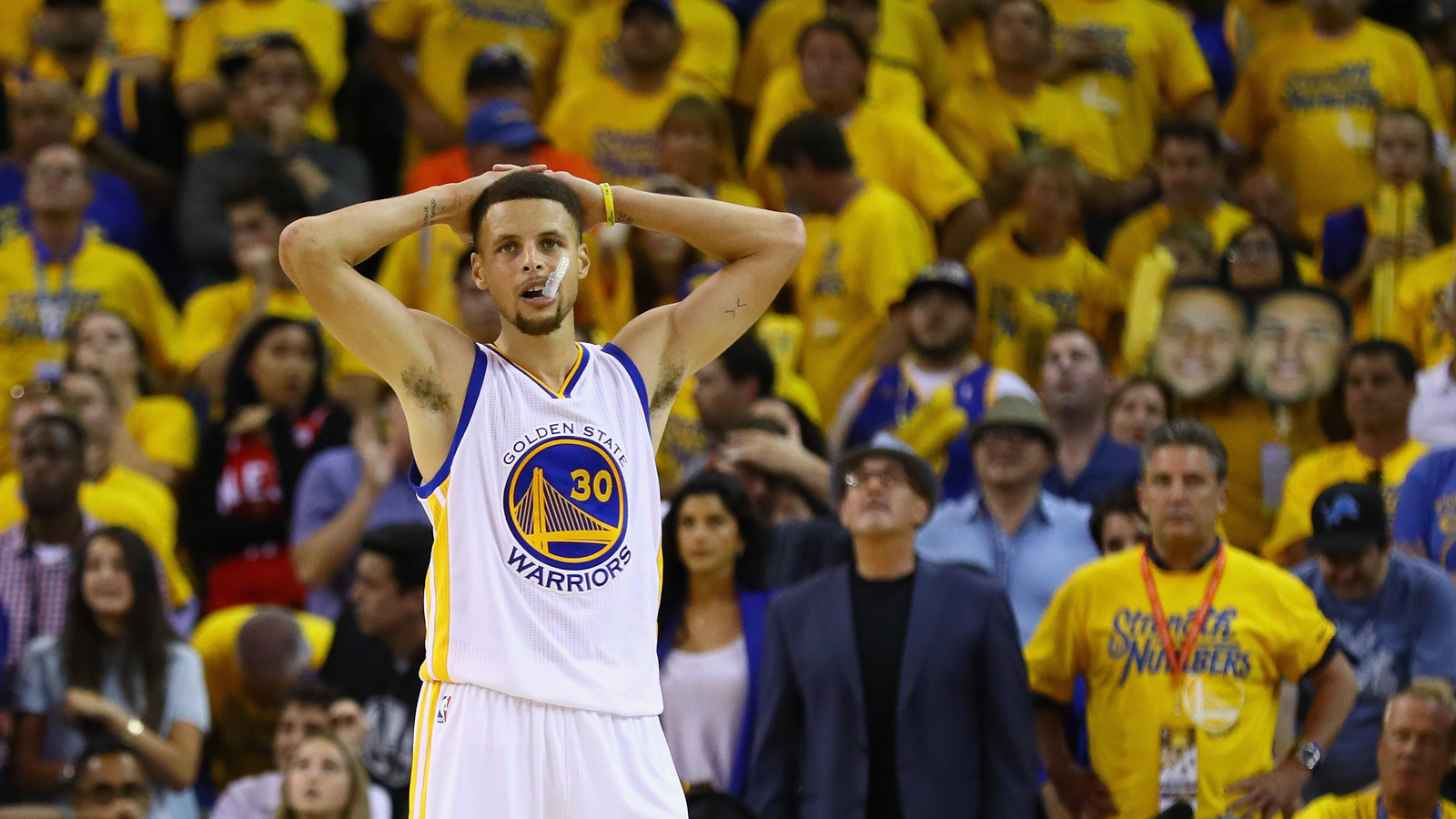
The 2015-16 Golden State Warriors achieved the greatest regular-season record in National Basketball Association history, finishing with a 73-9 mark to eclipse the 1995-96 Chicago Bulls' long-standing standard of 72-10. Powered by revolutionary three-point shooting, elite ball movement, and reigning MVP Stephen Curry, this campaign transformed modern basketball tactics while captivating the global sports world from October to April.
Historical Context and the Pursuit of 73 Wins
When the Golden State Warriors captured the NBA championship in June 2015 under first-year head coach Steve Kerr, skeptics frequently labeled their title a product of good fortune and a depleted playoff injury landscape. Determined to silence these narratives, the core roster entered the 2015-16 season with extraordinary focus. The journey began with an NBA-record 24-game winning streak, signaling immediately that chasing the 1995-96 Chicago Bulls' 72-win threshold was not merely a media fabrication, but an active team objective.
The pursuit required immense mental and physical endurance. Opposing teams treated matchups against Golden State as their ultimate regular-season test, employing physical defenses and high-intensity game plans. Despite the target on their backs, the Warriors maintained exceptional consistency. They accomplished a historic feat by avoiding back-to-back losses throughout the entire 82-game schedule. This resilience underscored a culture of accountability and unselfish play cultivated by Kerr and his coaching staff, preparing the franchise for a historic spring.
Key Milestones in the 73-Win Campaign
- Historic Season Start: Opened the year with 24 consecutive victories, setting a North American professional sports record for the best start to a season.
- Road Dominance: Secured 34 road wins, breaking the previous single-season record held by the 1995-96 Bulls and 1971-72 Los Angeles Lakers.
- Unblemished vs. Elite Competition: Defeated every other playoff team in the Western Conference on the road at least once, showcasing comprehensive dominance.
- The Record-Breaker: Won their 73rd game on April 13, 2016, defeating the Memphis Grizzlies at Oracle Arena to officially claim the standalone regular-season record.
Tactical Revolution: How the 2015-16 Warriors Changed Basketball
The primary engine of the 2015-16 Warriors was an offensive system that permanently altered how basketball is conceptualized and played at every level. Breaking away from traditional interior-focused playbooks, Golden State utilized a pace-and-space offense characterized by rapid ball movement, high-frequency three-point shooting, and positionless versatility.
Stephen Curry orchestrated this system with a historic individual campaign, earning his second consecutive MVP award as the league's first unanimous selection. Curry shattered his own single-season three-point record by draining 402 shots from beyond the arc, converting them at an astonishing 45.4 percent clip. Alongside backcourt partner Klay Thompson—who added 276 three-pointers—the duo formed the "Splash Brothers," a nickname that became synonymous with elite perimeter marksmanship.
The Death Lineup and Positional Versatility
A defining tactical innovation of the 2015-16 season was the frequent deployment of Golden State’s "Death Lineup." By shifting forward Draymond Green to the center position alongside Curry, Thompson, Harrison Barnes, and Andre Iguodala, Kerr created a unit that sacrificed traditional height for supreme speed, defensive switching capability, and limitless shooting range.
This lineup overwhelmed opponents through relentless transition attacks and spacing that made conventional zone or man-to-man defenses untenable. Green emerged as an elite playmaker and defensive anchor, averaging 14.0 points, 9.5 rebounds, and 7.4 assists while earning NBA All-Defensive First Team honors and finishing as the runner-up for Defensive Player of the Year.
| Player | Position | Key Statistics (2015-16 Regular Season) | Advanced Impact |
|---|---|---|---|
| Stephen Curry | Point Guard | 30.1 PPG, 6.7 APG, 5.4 RPG, 2.1 SPG | Unanimous MVP; 402 three-pointers made. |
| Klay Thompson | Shooting Guard | 22.1 PPG, 3.8 RPG, 2.1 APG | Elite perimeter defender; 276 three-pointers. |
| Draymond Green | Power Forward/Center | 14.0 PPG, 9.5 RPG, 7.4 APG, 1.4 BPG | Defensive anchor; 13 triple-doubles. |
| Andre Iguodala | Small Forward | 7.0 PPG, 4.0 RPG, 3.4 APG | Premier sixth man; exceptional perimeter defense. |
| Harrison Barnes | Small Forward | 11.7 PPG, 4.9 RPG, 1.8 APG | Wing stopper; floor-spacing corner shooter. |
Roster Depth and the Supporting Cast
While the stardom of Curry, Thompson, and Green drove headlines, the 2015-16 Warriors required contributions from a meticulously constructed supporting cast. General Manager Bob Myers assembled a bench unit that maintained leads and sustained defensive pressure whenever the starters rested.
Veteran leader Andre Iguodala anchored the second unit, providing clutch scoring, steady ball-handling, and defensive versatility that earned him praise as one of the league's premier reserves. Shaun Livingston offered a reliable mid-range post-up threat from the point guard position, exploiting smaller bench guards with exceptional efficiency. Meanwhile, center Andrew Bogut provided rim protection, screen-setting, and high-IQ passing from the high post, anchoring a defense that finished near the top of the league in defensive rating.
Additional depth pieces such as Leandro Barbosa, Festus Ezeli, Marreese Speights, and Brandon Rush provided crucial energy spells during grueling stretches of the 82-game schedule. This collective buy-in ensured that the team could withstand minor injuries to key rotation players, keeping the pursuit of the 73-win record viable into the final week of the season.
The Physical and Mental Toll of the Record Chase
Chasing history came with significant consequences. As the Warriors approached the final month of the regular season, the media circus surrounding the pursuit of 73 wins intensified exponentially. Every matchup became a national television event, drawing unprecedented scrutiny and forcing the coaching staff to balance the desire for history with the necessity of player rest.
Unlike the 1995-96 Chicago Bulls, who secured the top seed comfortably and could afford to coast through March and April, Golden State faced a relentless challenge from the San Antonio Spurs, who finished the season with 67 wins. To secure the number-one seed and the record, the Warriors could not afford to rest their starters down the stretch. This unrelenting physical and emotional expenditure drained vital energy reserves, setting the stage for a grueling postseason run.
Playoff Adversity and the Finals Conclusion
The physical toll manifested clearly in the 2016 postseason. After escaping a grueling seven-game Western Conference Finals series against the Oklahoma City Thunder—where Golden State overcame a 3-1 deficit—the Warriors advanced to the NBA Finals to face the Cleveland Cavaliers.
In the championship series, fatigue, injuries to Andrew Bogut and Andre Iguodala, and a suspension to Draymond Green culminated in a historic reversal. The Cavaliers erased a 3-1 series deficit, defeating the Warriors in Game 7 to capture the title. This outcome added complex nuance to the legacy of the 2015-16 squad: acknowledged universally as the greatest regular-season team in NBA history, yet denied the ultimate championship validation achieved by their 1995-96 Chicago Bulls predecessors.
Frequently Asked Questions
Did the 2015-16 Warriors win the NBA championship?
No. Despite finishing the regular season with a record-setting 73-9 mark, the Golden State Warriors lost to the Cleveland Cavaliers in a seven-game NBA Finals series, blowing a 3-1 series lead.
Who held the regular-season record before the 2015-16 Warriors?
The 1995-96 Chicago Bulls held the record at 72-10 for twenty seasons until the Warriors surpassed it on April 13, 2016.
What were Stephen Curry's statistics during this historic season?
Stephen Curry averaged 30.1 points, 6.7 assists, 5.4 rebounds, and 2.1 steals per game while shooting 50.4 percent from the field and 45.4 percent from three-point range. He also became the first unanimous MVP in NBA history.
How many three-pointers did the team make in 2015-16?
As a team, the Warriors converted 1,077 three-pointers during the 2015-16 regular season, setting a new league benchmark for perimeter volume and efficiency.
Why did the Warriors struggle in the 2016 NBA Finals?
Analysts attribute their Finals struggles to physical and mental exhaustion from chasing the 73-win record, coupled with injuries, key player suspensions, and an exceptional performance by LeBron James and the Cleveland Cavaliers.
Final Recommendation
For basketball historians, analysts, and fans examining elite sports dynasties, studying the 2015-16 Golden State Warriors offers a masterclass in offensive innovation, team chemistry, and the fine margin between regular-season dominance and playoff endurance. Reviewing full-game archives and advanced tracking metrics from this campaign provides essential context for understanding how modern spacing and pace transformed global basketball strategy.