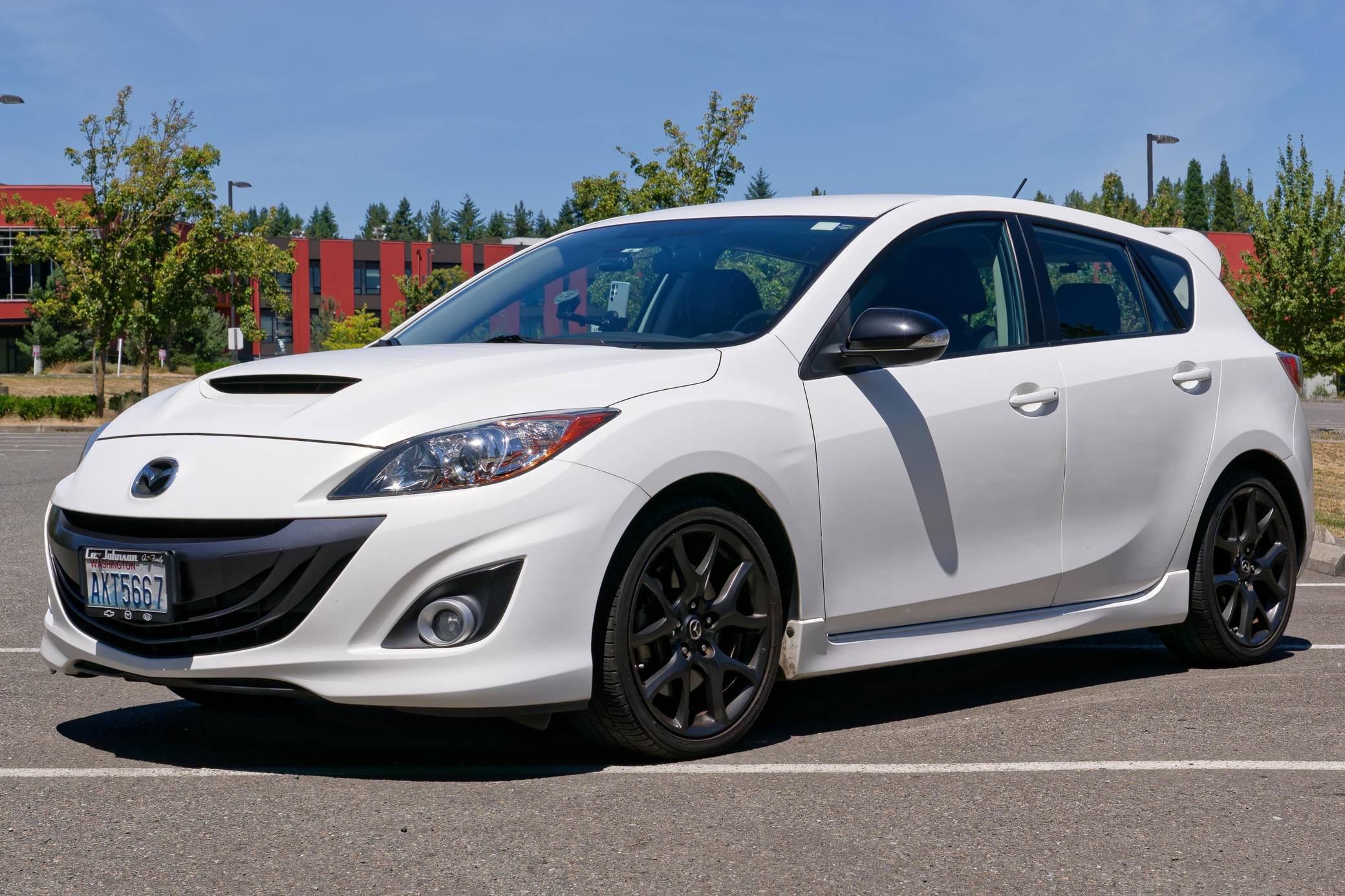
As of 2026, the 2013 MazdaSpeed 3 remains one of the most sought-after "hot hatches" for enthusiasts seeking a raw, analog driving experience. By the final production year of the second generation (Gen 2), Mazda had refined many of the mechanical quirks seen in earlier models. However, because these vehicles are now over a decade old, long-term reliability is heavily dependent on maintenance history and the quality of aftermarket modifications.
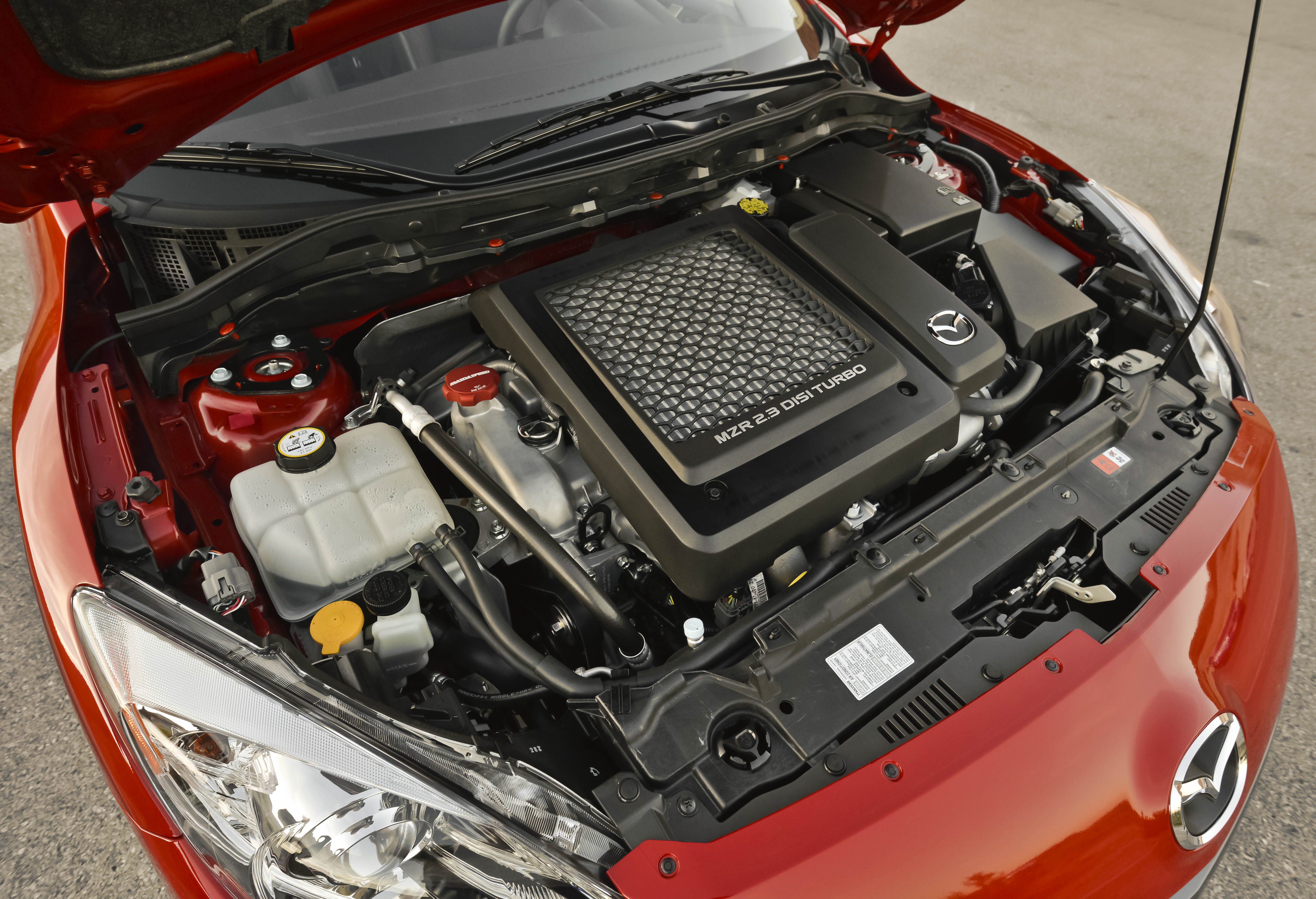
The 2013 MazdaSpeed 3 is generally considered the most reliable year of the production run, featuring updated Variable Valve Timing (VVT) components and a more robust ECU tune. While the core 2.3L MZR DISI Turbo engine is capable of exceeding 150,000 miles, it requires strict adherence to oil change intervals, premium fuel, and preventative maintenance of the high-pressure fuel pump and turbocharger seals to remain dependable.
The Heart of the Platform: 2.3L MZR DISI Engine Reliability
The 2.3L MZR DISI (Direct Injection Spark Ignition) engine is the defining feature of the 2013 MazdaSpeed 3. While it offers impressive torque and power for its era, the direct injection system and turbocharging introduce specific reliability considerations that differ from standard Mazda 3 models.
High-Pressure Fuel Pump (HPFP) Internals
One of the most critical components for reliability—especially if the car is modified—is the High-Pressure Fuel Pump. The stock HPFP was designed for stock power levels. As the car ages, or if the owner adds even basic modifications like a high-flow intake or downpipe, the pump can fail to maintain sufficient fuel pressure. This leads to a lean condition, which is the primary cause of the "Zoom-Zoom-Boom" phenomenon (catastrophic engine failure).
For a 2013 model in 2026, verifying if the HPFP internals have been upgraded to aftermarket versions (such as those from Autotech or CorkSport) is essential. Even on a stock car, a degrading fuel pump can cause stuttering under load, which eventually damages the pistons.
Direct Injection and Carbon Buildup
Being an early direct-injection engine, the MZR DISI does not have fuel washing over the intake valves. Over time, oil vapors from the PCV (Positive Crankcase Ventilation) system bake onto the intake valves, forming heavy carbon deposits. This buildup restricts airflow, reduces fuel economy, and can cause cold-start misfires.
By 2026, most 2013 models will have reached a mileage where "walnut blasting" (a process of cleaning the valves with pressurized crushed walnut shells) is necessary. Owners should expect to perform this service every 60,000 to 80,000 miles to maintain peak reliability and engine smoothness.
Turbocharger Longevity and the K04 Unit
The 2013 MazdaSpeed 3 utilizes a BorgWarner K04 turbocharger. While smaller and faster-spooling than many aftermarket options, the K04 is known for specific failure modes, primarily related to its oil seals.
The "Smoking Turbo" Issue
A common reliability complaint involves white or bluish smoke exiting the exhaust while the car is idling after it has reached operating temperature. This is often caused by a combination of the turbo's internal seals and excessive crankcase pressure. By 2013, Mazda had implemented a revised PCV plate and a different oil viscosity recommendation to mitigate this, but it remains a point of failure for high-mileage units.
Preventative Care for the Turbo
To maximize the life of the turbocharger on a 2013 model, owners must ensure they are using high-quality synthetic oil and allowing the car to idle for 30–60 seconds after a spirited drive. This prevents "coking," where oil bakes inside the hot turbocharger bearings once the engine is shut off. If a 2013 MazdaSpeed 3 is still on its original turbo in 2026 with over 120,000 miles, it should be inspected for shaft play and oil leakage.
Drivetrain and Transmission Durability
The 6-speed manual transmission in the 2013 MazdaSpeed 3 is notoriously stout, but it is not without its idiosyncrasies. It features a GKN Tochigi-Fuji torque-sensing limited-slip differential (LSD) which helps manage the 280 lb-ft of torque sent to the front wheels.
- Synchro Wear: While the gearbox is strong, the second and third-gear synchros can wear prematurely if the car has been "slammed" into gear during aggressive driving. Buyers should feel for any crunching or resistance when shifting at high RPMs.
- Clutch Life: The stock clutch is designed to handle stock torque. If the car has been tuned to produce significantly more torque, the clutch is often the first "fuse" to blow in the drivetrain.
- Motor Mounts: One of the biggest weak points of the 2013 MazdaSpeed 3 is the factory motor mounts, particularly the Rear Motor Mount (RMM). The stock rubber is very soft, leading to "engine lash" and wheel hop, which can damage the axles and transmission over time. Most reliable long-term examples have replaced these with stiffer aftermarket polyurethane mounts.
Suspension and Chassis Issues
By 2026, the rubber components in the suspension of a 2013 MazdaSpeed 3 are likely approaching the end of their functional life.
- Rear Shocks: The factory rear shocks are prone to leaking. If the car feels "bouncy" or there is visible oil on the shock body, they require replacement.
- Control Arm Bushings: Front lower control arm bushings often tear, leading to vague steering and uneven tire wear.
- Tire Wear: Due to the aggressive factory alignment and the amount of power sent to the front wheels, the MazdaSpeed 3 is "hard" on tires. Reliable operation requires frequent rotations and high-quality alignment checks to prevent premature tire failure.
2013 MazdaSpeed 3 Reliability Comparison
To understand where the 2013 model stands, it is helpful to compare it to its contemporaries and its predecessor.
| Component | 2007-2009 (Gen 1) | 2010-2012 (Gen 2 Early) | 2013 (Final Year) |
|---|---|---|---|
| VVT/Timing Chain | High failure rate | Moderate risk | Lowest risk (Updated) |
| Turbo Seals | Frequent smoking | Moderate risk | Improved (PCV revision) |
| Rust Protection | Poor (especially arches) | Improved | Best of the generation |
| Interior Durability | Basic/Dated | Tech-heavy (Screen issues) | Refined electronics |
| ECU/Tuning | Limited | Advanced | Most stable factory maps |
Critical Reliability Check: The VVT and Timing Chain
In earlier MazdaSpeed models (2007–2010), the Variable Valve Timing (VVT) actuator was a major failure point. The pin inside the actuator would shear, causing the timing chain to loosen and slap against the valve cover, eventually leading to engine failure.
By the 2013 model year, Mazda had issued a revised VVT actuator and a stronger timing chain design. While the 2013 is significantly less likely to suffer from this issue, it is not immune. In 2026, any 2013 model with over 100,000 miles should be checked for "cold start rattle." If you hear a metallic clicking or slapping sound for the first few seconds after a cold start, the timing chain tensioner or VVT actuator likely needs replacement. This is a labor-intensive job but is vital for long-term reliability.
The Impact of Modifications on Reliability
The MazdaSpeed 3 has a vibrant aftermarket community, but modifications are a "double-edged sword" for reliability.
- The "Safe" Path: Owners who install a Rear Motor Mount, High-Pressure Fuel Pump internals, and a professional tune (using a COBB Accessport) often find the car more reliable than stock because the tune can smooth out the factory's lean spots and the HPFP ensures the engine never starves for fuel.
- The "Dangerous" Path: Owners who install "bolt-ons" like an intake, blow-off valve, and test-pipe without upgrading the fuel pump or getting a proper tune are at high risk for engine failure. When researching a 2013 model in 2026, always prioritize cars that have "supporting mods" before "power mods."
Common Electrical and Interior Concerns
While the mechanicals are the primary focus, the 2013 MazdaSpeed 3 has a few minor electrical and interior quirks to monitor:
- Dashboard Delamination: The adhesive on the dashboard near the information display can fail in hot climates, causing the material to lift or pull away.
- AFS (Adaptive Front-lighting System): Some 2013 models equipped with Tech Package HID headlights may experience issues with the AFS sensors, causing a blinking warning light on the dash. This is usually due to a sensor on the rear suspension getting dirty or failing.
- Blind Spot Monitoring (BSM): The BSM sensors located behind the rear bumper can fail if water penetrates the housing, which is a common age-related issue for this generation of Mazda.
Maintenance Schedule for Maximum Reliability
If you own or are looking to buy a 2013 MazdaSpeed 3 in 2026, following this rigorous maintenance schedule is the best way to ensure longevity:
- Oil Changes: Every 3,000 to 5,000 miles using high-quality 5W-30 or 5W-40 full synthetic oil.
- Transmission Fluid: Every 30,000 miles using a high-quality 75W-90 synthetic gear oil (e.g., Ford Motorcraft XT-M5-QS).
- Spark Plugs: Every 15,000 to 20,000 miles. These cars are very sensitive to spark plug gap; use NGK LTR7IX-11 (one step colder) if modified.
- Valve Cleaning: Every 60,000 miles (Walnut blasting).
- Coolant Flush: Every 5 years or 60,000 miles to prevent corrosion in the aluminum block.
FAQ: 2013 MazdaSpeed 3 Reliability
Is the 2013 MazdaSpeed 3 a good daily driver?
Yes, but with caveats. It is a practical hatchback with four doors and a decent trunk. However, the clutch is heavy, the ride is stiff, and the fuel economy is mediocre (averaging 19-24 MPG). For someone who enjoys driving, its reliability makes it a viable daily driver if properly maintained.
What is the most common cause of engine failure?
The most common cause is Low-Speed Pre-Ignition (LSPI). This happens when a driver applies full throttle at low RPMs (below 3,000) in a high gear (5th or 6th). This puts immense stress on the connecting rods. To prevent this, always downshift to 3rd or 4th gear before accelerating hard.
How many miles can a 2013 MazdaSpeed 3 last?
With meticulous maintenance, the MZR DISI engine can last well beyond 200,000 miles. However, the turbocharger and suspension components typically need replacement or refurbishment every 100,000 to 120,000 miles.
Does the 2013 model have rust issues?
Mazda improved their paint and rust-proofing significantly by 2013 compared to the 2004–2009 years. While they are more resistant to rust, cars in "salt belt" states should still be inspected at the rear wheel arches and side skirts.
Should I buy a modified MazdaSpeed 3?
A modified car is only as reliable as the person who built it. A car with documented HPFP upgrades and a tune from a reputable MazdaSpeed tuner (like Freektune or Purple Drank) is often a safer bet than a car that was "returned to stock" just for the sale.
Final Recommendations
The 2013 MazdaSpeed 3 is a high-performance machine that requires an "enthusiast" level of attention. It is not a "gas and go" car like a standard Toyota Corolla. If you are diligent about oil changes, monitor your fuel trims, and respect the engine's mechanical limits (avoiding high-load/low-RPM situations), it is a remarkably durable and rewarding vehicle.
For prospective buyers in 2026, the best strategy is to find a 2013 model with a clear service history, ideally one that has already addressed the "big three" maintenance items: HPFP internals, walnut blasting, and the VVT/timing chain inspection. If these are managed, the 2013 MazdaSpeed 3 remains a premier choice for a reliable, high-performance used car.