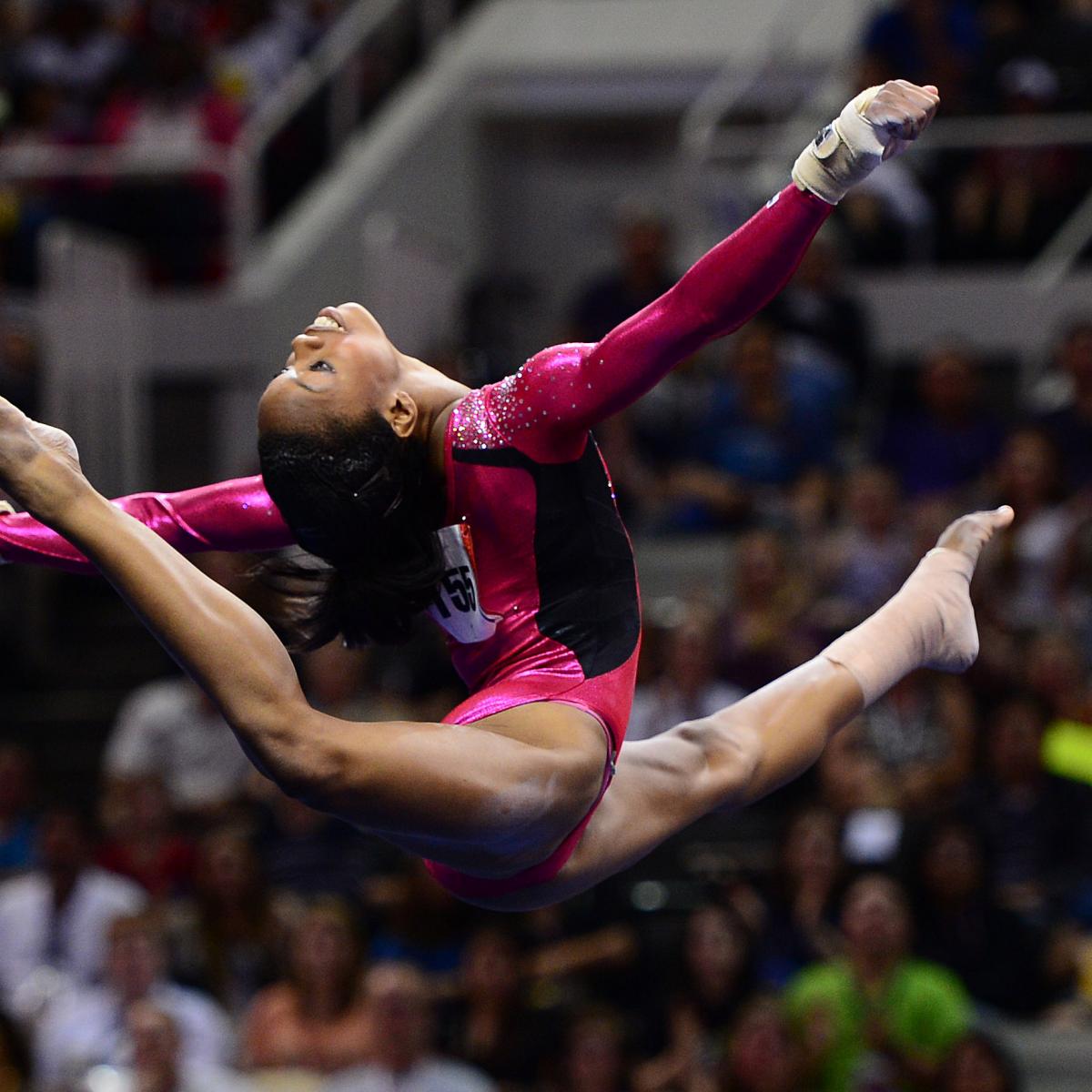
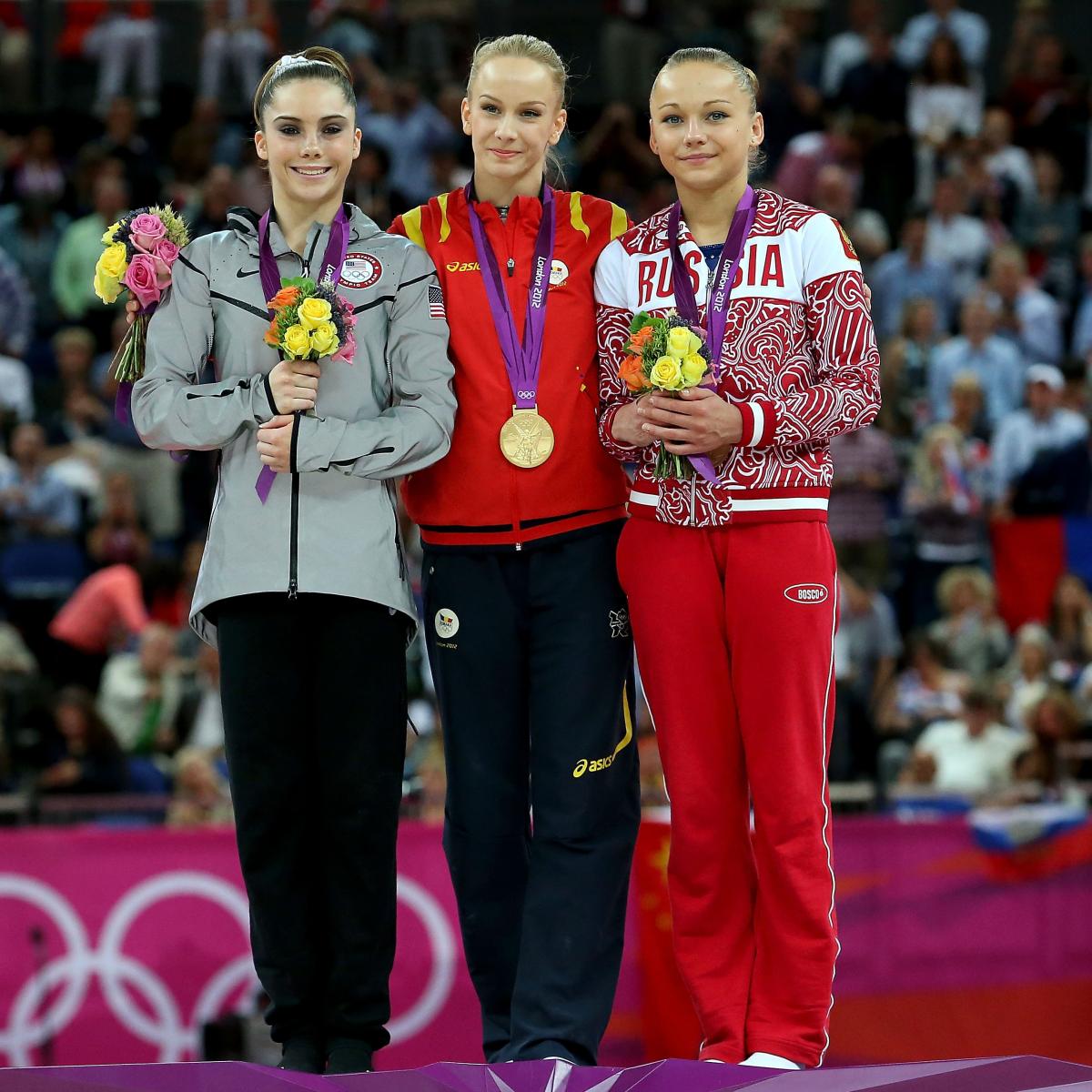
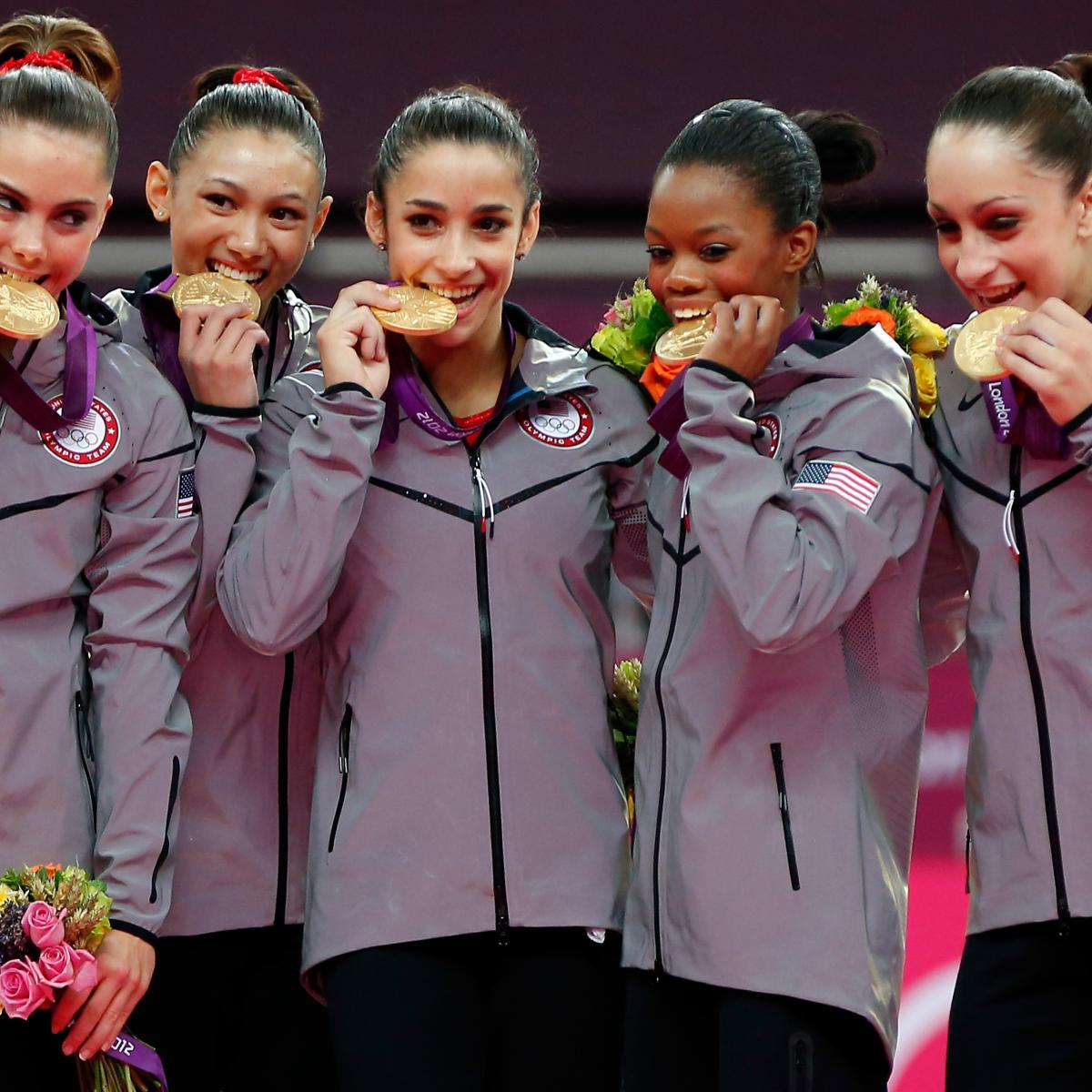
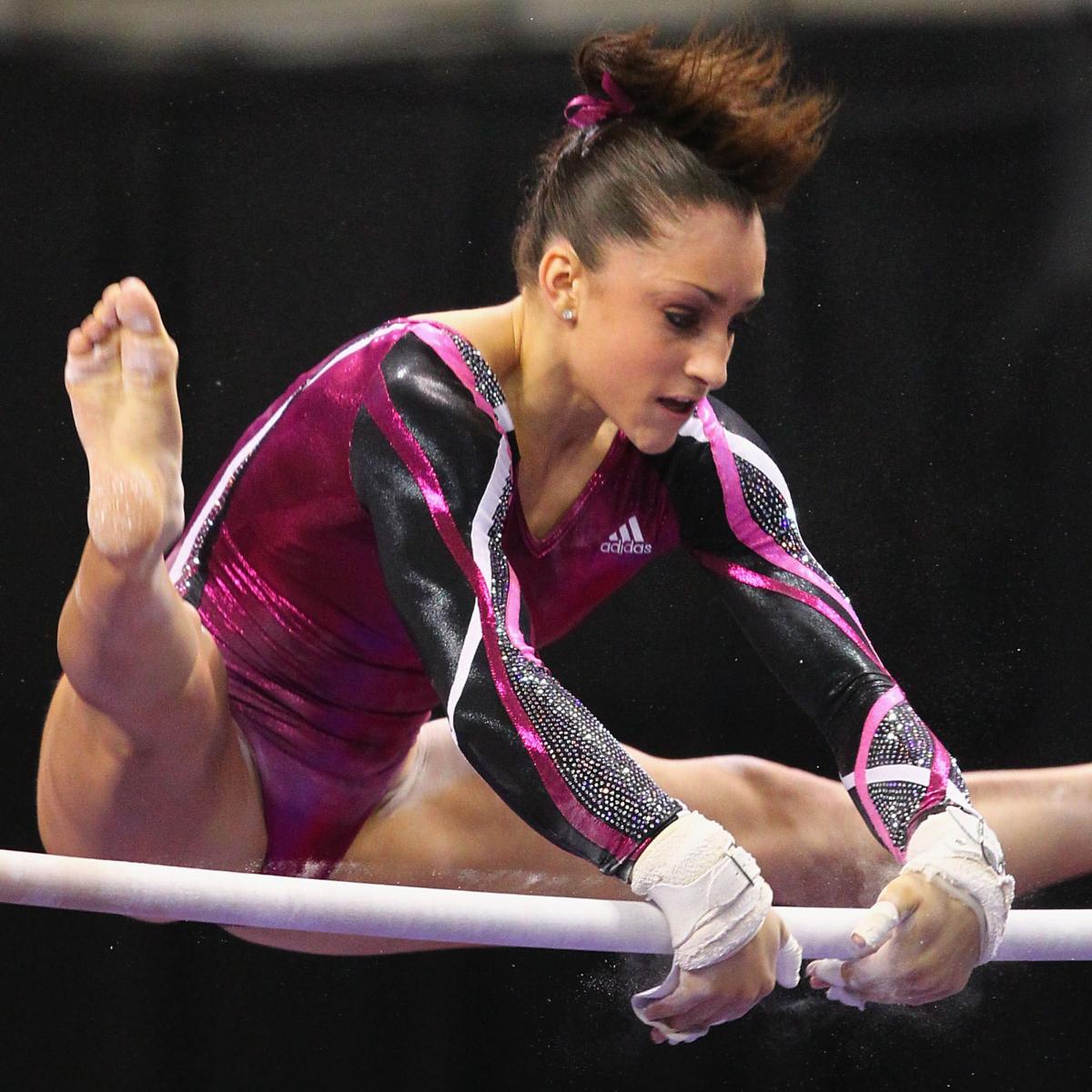
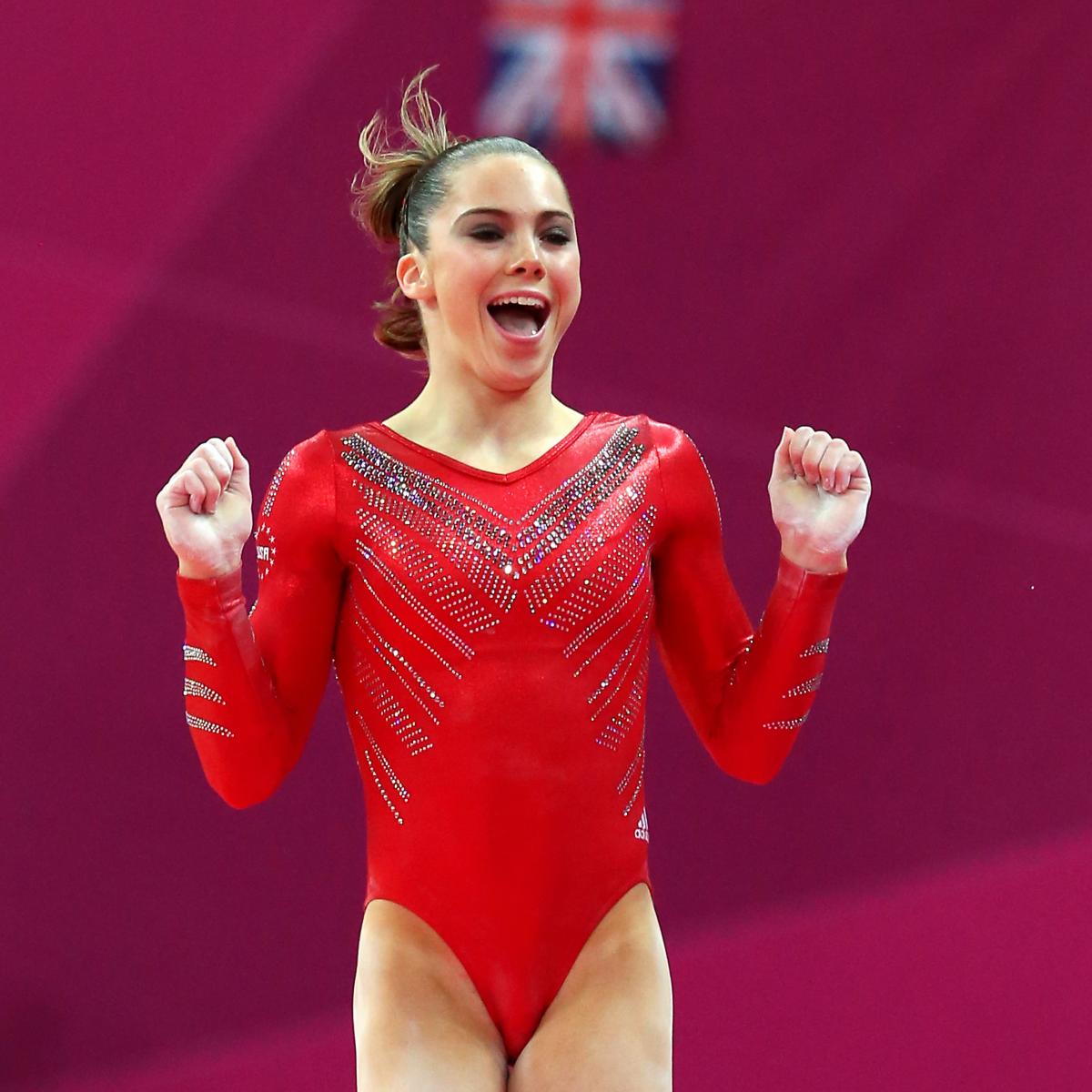
The 2012 London Olympics women's gymnastics competition, held at the North Greenwich Arena from July 29 to August 7, 2012, resulted in a historic gold medal for the United States team, known as the "Fierce Five." Gabby Douglas secured the Individual All-Around title, while individual event golds were distributed among athletes from the USA, Russia, China, and Romania.
The Significance of the 2012 London Gymnastics Cycle
As we look back from the vantage point of 2026, the 2012 London Games remain a watershed moment in artistic gymnastics. This era marked the maturation of the "open-ended" scoring system, which had replaced the Perfect 10 in 2006. By 2012, coaches and athletes had fully optimized their routines to maximize Difficulty (D) scores without sacrificing Execution (E) scores. The results of these games solidified the United States as the dominant global force in the sport, a position they would hold for much of the following decade.
The 2012 results were also defined by intense rivalry and narrow margins. The battle between the American and Russian squads provided high-stakes drama, while the emergence of individual stars like Aliya Mustafina and Aly Raisman showcased the diversity of styles—from the classical artistry of the Russian school to the sheer power and explosive tumbling of the American program.
Team Final Results: The Dominance of the "Fierce Five"
The Women's Team Final took place on July 31, 2012. Unlike the qualifying round where five gymnasts competed and four scores counted (5-4-3 format), the team final utilized a 5-3-3 format. This meant three gymnasts competed on each apparatus, and all three scores counted toward the final total, leaving no room for error.
The United States team, consisting of Gabby Douglas, Jordyn Wieber, Aly Raisman, McKayla Maroney, and Kyla Ross, delivered a nearly flawless performance. They began on the vault, where they performed three massive Amanars (a 2.5-twisting Yurchenko), gaining a lead they would never relinquish.
| Rank | Nation | Total Score | Vault | Uneven Bars | Balance Beam | Floor Exercise |
|---|---|---|---|---|---|---|
| Gold | United States | 183.596 | 48.132 | 44.799 | 45.299 | 45.366 |
| Silver | Russia | 178.530 | 46.366 | 46.166 | 44.399 | 41.599 |
| Bronze | Romania | 176.414 | 45.000 | 41.464 | 45.249 | 44.700 |
| 4 | China | 174.430 | 44.266 | 46.399 | 42.932 | 40.833 |
| 5 | Canada | 170.804 | 44.499 | 42.332 | 43.199 | 40.774 |
| 6 | Great Britain | 170.495 | 43.965 | 44.599 | 39.199 | 42.732 |
The Russian team, led by Viktoria Komova and Aliya Mustafina, struggled with consistency on the balance beam and floor exercise. Several falls in the final rotation ended their hopes of catching the Americans. Romania, led by veterans Catalina Ponor and Sandra Izbasa, managed to edge out China for the bronze, largely due to their superior performance on the vault and floor exercise.
Individual All-Around Results: A Battle of Titans
The Individual All-Around final on August 2, 2012, is remembered for the showdown between Gabby Douglas and Viktoria Komova. Under the Olympic rules, only the top 24 gymnasts from qualification moved forward, with a limit of two gymnasts per country. This "two-per-country" rule famously excluded the 2011 World All-Around Champion, Jordyn Wieber, who finished fourth overall in qualification but third among the Americans.
The Gold Medal Duel
Gabby Douglas became the first African-American woman to win the Olympic All-Around title. Her victory was built on incredible consistency across all four apparatuses. Douglas posted the highest score on vault (15.966) and remained steady on the uneven bars and beam.
Viktoria Komova, known for her exquisite lines and high difficulty, performed a spectacular uneven bars routine but fell slightly behind on the vault and floor exercise. Despite an emotional finish, her final score of 61.973 was just 0.259 points shy of Douglas.
The Tie-Break for Bronze
The battle for the bronze medal resulted in a rare tie between Russia’s Aliya Mustafina and the USA’s Aly Raisman, both finishing with a total of 59.566. Under FIG (International Gymnastics Federation) tie-breaking rules for the All-Around, the lowest score of the four apparatuses is dropped for each athlete. Mustafina’s three highest scores totaled higher than Raisman’s, awarding the bronze to the Russian and leaving the American in fourth place.
Event Finals: Apparatus Specialists
The individual event finals (August 5–7) provided a mix of expected victories and shocking upsets. Each final featured the top eight gymnasts on that specific apparatus from the qualification round.
Vault Final
In one of the biggest upsets of the Games, the heavy favorite McKayla Maroney took the silver. After performing what many consider the greatest Amanar in history during the team final, Maroney fell on her second vault (a Mustafina/half-on, front layout full off) in the individual final. Romania’s Sandra Izbasa capitalized on Maroney’s mistake to take the gold with a combined average of 15.191.
Uneven Bars Final
Aliya Mustafina showcased why she was the queen of the uneven bars, performing a routine packed with high-difficulty transitions and a stuck dismount. She scored a 16.133 to take the gold. China's He Kexin, the 2008 champion, took silver, while Great Britain's Beth Tweddle won a historic bronze—the first individual Olympic medal for a British female gymnast.
Balance Beam Final
The beam final was a testament to Chinese technical precision. Deng Linlin and Sui Lu took gold and silver, respectively. The bronze medal was initially awarded to Catalina Ponor, but after an official inquiry (protest) by the US coaches regarding Aly Raisman's difficulty score, Raisman’s score was increased. This created another tie, which Raisman won via the execution-score tie-break, securing her the bronze.
Floor Exercise Final
Aly Raisman delivered a powerhouse performance to take the gold medal with a score of 15.600. Her routine featured some of the most difficult tumbling passes of the competition, including a 1.5-twist to double Arabian. Catalina Ponor took the silver, providing a graceful end to her storied career, while Aliya Mustafina added another bronze to her collection.
Technical Analysis of the 2012 Scoring
Understanding the 2012 results requires a look at the Code of Points used during that quadrennium. Scores were composed of two parts:
- The D-Score (Difficulty): This counted the eight most difficult elements in a routine, plus "Connection Value" (points for linking difficult skills) and "Composition Requirements" (meeting specific criteria like a flight element on bars).
- The E-Score (Execution): This started at a 10.0, with judges deducting points for errors in form, height, landings, and artistry.
In 2012, the "Amanar" vault was the most influential skill in the women's competition. It carried a 6.5 D-score, while the standard Yurchenko double-twist was only a 5.8. The US team's ability to field three gymnasts who could perform the Amanar safely was the primary reason for their massive margin of victory in the team final.
Legacy and Impact on Future Games
The 2012 results shifted the trajectory of women's gymnastics in several ways:
- The Rise of US Power: The London Games proved that the US system of centralized training and high-difficulty focus was nearly unbeatable. This set the stage for the even more dominant "Final Five" in 2016.
- The Age of the Specialist: The results showed that while all-arounders were vital, specialists like McKayla Maroney (Vault) and Beth Tweddle (Bars) could change a nation's medal prospects.
- Controversy and Rule Changes: The tie-breaks in the All-Around and on the Balance Beam led to significant discussions within the FIG about how to handle identical scores, influencing later tweaks to scoring protocols.
Frequently Asked Questions
Who won the most medals in women's gymnastics at the 2012 Olympics?
Aliya Mustafina of Russia won the most medals of any gymnast in London, totaling four. She won gold on the uneven bars, silver in the team competition, and bronze in the individual all-around and floor exercise. Aly Raisman and Gabby Douglas each won two gold medals.
Why didn't Jordyn Wieber compete in the All-Around final?
Despite being the reigning World Champion and finishing fourth in the qualification round, Jordyn Wieber was excluded due to the "two-per-country" rule. Her teammates Aly Raisman and Gabby Douglas finished second and third in qualification, respectively, claiming the two spots allotted to the United States.
What happened to McKayla Maroney in the vault final?
Maroney was the heavy favorite for gold. She performed a near-perfect first vault but sat down her second vault (a Mustafina). Even with a fall, her difficulty was so high that she still managed to win the silver medal. This event also spawned the "McKayla is Not Impressed" internet meme.
Did Great Britain win any medals in women's gymnastics in 2012?
Yes, Beth Tweddle won the bronze medal on the uneven bars. It was a significant achievement as it was the first ever individual Olympic medal for a female gymnast from Great Britain, occurring in front of a home crowd in London.
How many gold medals did the US women's gymnastics team win in 2012?
The US women won a total of three gold medals: the Team Gold, Gabby Douglas's Individual All-Around Gold, and Aly Raisman's Floor Exercise Gold.
Recommendation for Further Research
To fully appreciate the technical nuances of the 2012 London Olympics women's gymnastics results, sports enthusiasts should consult the official FIG (International Gymnastics Federation) archives or the International Olympic Committee (IOC) historical database. These resources provide the full "judge's sheets," which break down the D-scores and E-scores for every athlete in every rotation, offering a granular look at how these historic medals were won and lost. For those interested in the evolution of the sport, comparing the 2012 routines to those of the 2024 Paris Games reveals how much difficulty levels have continued to climb over the last decade and a half.