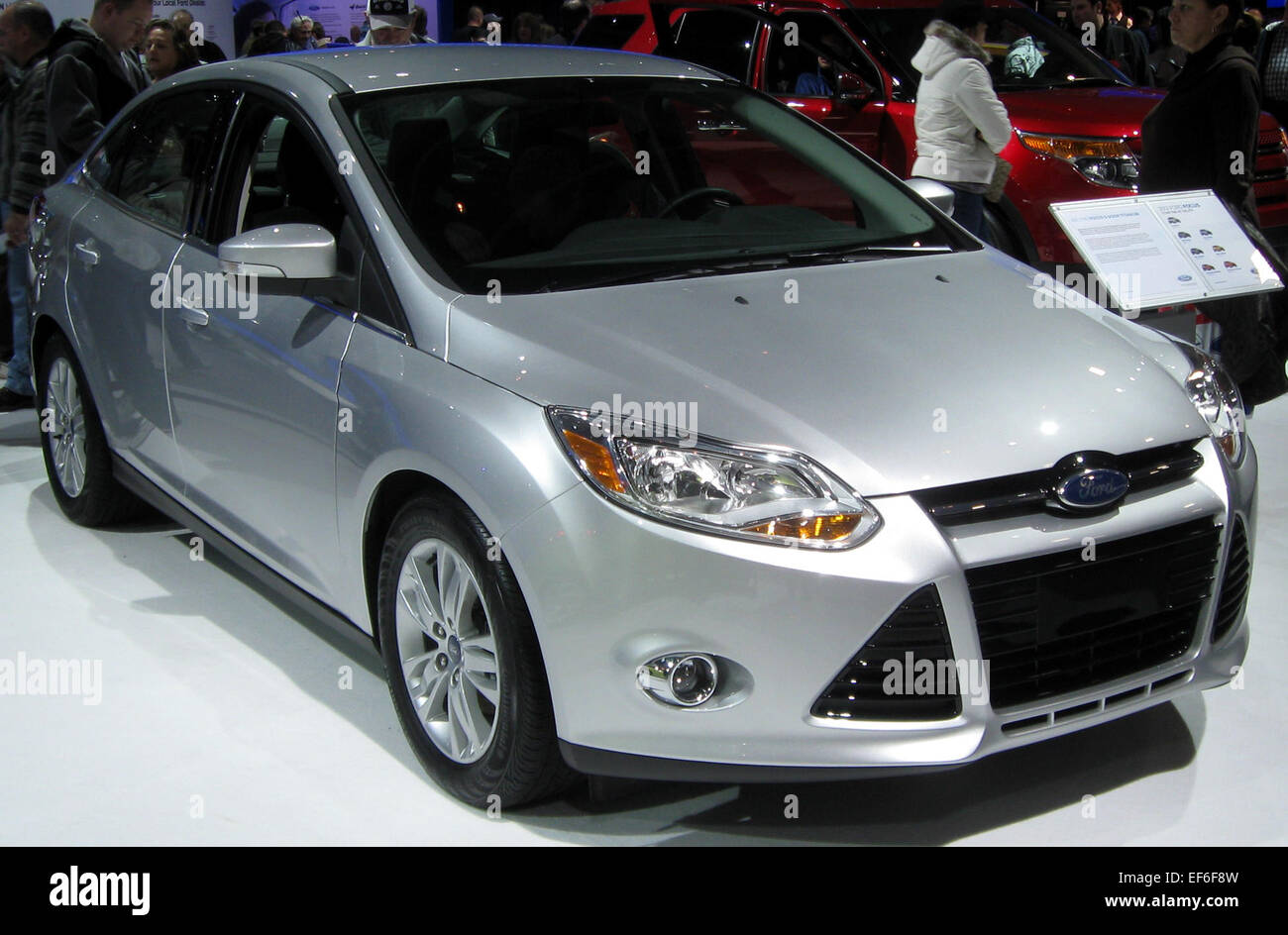
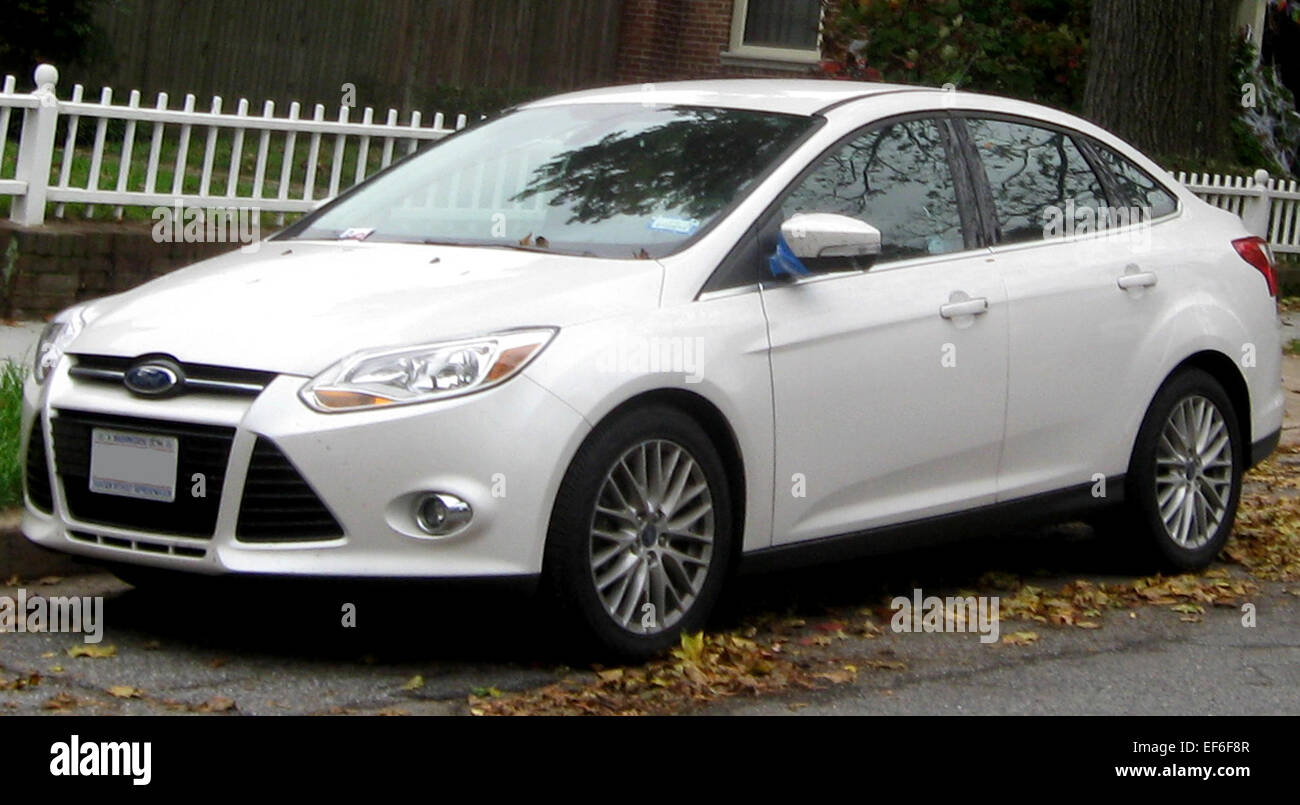
The 2012 Ford Focus SEL is powered by a 2.0-liter Ti-VCT direct-injection four-cylinder engine that delivers 160 horsepower and 146 lb-ft of torque. As a premium mid-level trim, the SEL features dual-zone automatic climate control, the MyFord Touch infotainment system, and upgraded interior materials, available in both sedan and five-door hatchback configurations.
The 2012 model year marked a significant turning point for Ford’s compact car strategy in North America. It represented the arrival of the "One Ford" global platform, bringing a European-engineered chassis to a market previously accustomed to a more dated design. The SEL (Special Edition Luxury) trim was positioned as the sophisticated choice for buyers who wanted a high-tech interior and refined driving dynamics without the full price tag of the top-tier Titanium trim. As we evaluate this vehicle from the perspective of 2026, the 2012 Focus SEL remains a common sight on the used market, though its technical specifications tell a story of both innovation and mechanical complexity.
Powertrain and Engine Performance
At the heart of the 2012 Ford Focus SEL is the 2.0L GDI (Gasoline Direct Injection) I-4 engine. This powerplant was a major leap forward for Ford at the time, utilizing Twin Independent Variable Camshaft Timing (Ti-VCT) to balance fuel efficiency with throttle responsiveness.
Engine Specifications
The 2.0L Ti-VCT engine features an aluminum block and cylinder head, which helped keep the vehicle's front-end weight down for better handling. With a compression ratio of 12.0:1, the engine was optimized for 87-octane fuel while still achieving impressive power density. The 160 horsepower peak arrives at 6,500 RPM, while the 146 lb-ft of torque peaks at 4,450 RPM. This power delivery profile means the SEL feels most energetic in the mid-to-high rev range, making highway merging and passing maneuvers relatively confident for a compact car.
Transmission Options: The PowerShift Dilemma
The SEL trim was primarily paired with the 6-speed PowerShift automatic transmission. Unlike a traditional torque-converter automatic, the PowerShift is a dual-clutch transmission (DCT). It uses two sets of gears and two dry clutches to provide the efficiency of a manual with the ease of an automatic.
While the PowerShift was designed to improve fuel economy by up to 10%, it became a point of technical contention. In 2026, any prospective owner or current driver must be aware that this specific transmission (the DPS6) has been the subject of numerous technical service bulletins and extended warranties due to shuddering and delayed shifts. For those who preferred a more traditional feel, a 5-speed manual was technically available on lower trims, but most SEL models found on the market today will be equipped with the DCT.
Chassis, Suspension, and Handling Dynamics
One of the strongest selling points of the 2012 Focus SEL is its chassis. Ford utilized a high-strength steel structure that significantly improved torsional rigidity compared to the 2011 model. This rigidity allowed engineers to tune the suspension for a "European" feel—firm enough for cornering but compliant enough for daily commuting.
Suspension Architecture
The SEL utilizes a MacPherson strut front suspension with an isolated subframe to reduce road noise and vibration. The rear features a fully independent multi-link "Control Blade" setup. This was a standout feature in 2012, as many competitors in the compact segment were still using simpler, less sophisticated torsion beam rear axles. The independent rear suspension allows the SEL to maintain better tire contact with the road on uneven surfaces, contributing to its reputation as one of the best-handling compact cars of its era.
Torque Vectoring Control
Standard on the SEL is a system called Torque Vectoring Control. This technology acts like a limited-slip differential by using the braking system to transition power between the front wheels. When accelerating through a corner, the system applies slight braking to the inner wheel, effectively "pulling" the car into the turn and reducing understeer. This feature makes the Focus SEL feel much more agile and "planted" than its basic economy-car roots might suggest.
Interior Comfort and "Special Edition Luxury" Features
The SEL trim was designed to bridge the gap between the budget-friendly SE and the leather-clad Titanium. Inside, the 2012 Focus SEL introduced a level of soft-touch materials and ambient lighting that was rare for the segment at the time.
MyFord Touch and Connectivity
The 2012 SEL was one of the first vehicles to feature the MyFord Touch system, powered by SYNC. This system replaced traditional buttons with an 8-inch touchscreen in the center stack and two 4.2-inch displays in the instrument cluster. It allowed drivers to control entertainment, navigation (if equipped), climate, and phone functions via touch or voice commands. In 2026, while the interface may feel dated compared to modern smartphone integration, the hardware remains functional for basic Bluetooth audio and hands-free calling.
Cabin Amenities
SEL models came standard with:
- Dual-zone Electronic Automatic Temperature Control: Allowing the driver and passenger to set independent comfort zones.
- Ambient Lighting: Multi-color LED lighting in the footwells, cup holders, and door pockets.
- Upgraded Cloth or Optional Leather: The SEL featured higher-quality cloth upholstery than the SE, with leather-trimmed heated seats available as a popular option package.
- Acoustic Windshield: To further the "luxury" feel, the SEL utilized specialized glass to minimize wind and road noise, resulting in a quieter cabin at highway speeds.
Safety Ratings and Equipment
Safety was a primary focus for the 2012 redesign. The vehicle earned a 5-Star Overall Safety Rating from the National Highway Traffic Safety Administration (NHTSA) and was named a Top Safety Pick by the Insurance Institute for Highway Safety (IIHS).
Standard safety features on the SEL include:
- AdvanceTrac with Electronic Stability Control (ESC): Constantly monitors road conditions and driver input to prevent skidding.
- Six Airbags: Including dual-stage front airbags, front seat-mounted side airbags, and side-curtain airbags for both rows.
- ABS and Brake Assist: Ensuring maximum stopping power in emergency situations.
- Personal Safety System: A suite of sensors that adjust the deployment of safety devices based on the severity of a crash and the size of the occupants.
Technical Specifications Table
| Feature | 2012 Ford Focus SEL Specification |
|---|---|
| Engine Type | 2.0L Ti-VCT GDI I-4 |
| Horsepower | 160 hp @ 6,500 rpm |
| Torque | 146 lb-ft @ 4,450 rpm |
| Transmission | 6-Speed PowerShift Automatic (DCT) |
| Drive Type | Front-Wheel Drive (FWD) |
| EPA Fuel Economy (City/Hwy) | 27 / 37 MPG (Sedan) |
| Fuel Tank Capacity | 12.4 Gallons |
| Curb Weight | ~2,950 lbs |
| Wheelbase | 104.3 inches |
| Front Legroom | 43.1 inches |
| Rear Legroom | 33.2 inches |
| Cargo Volume (Sedan) | 13.2 cu. ft. |
| Cargo Volume (Hatchback) | 23.8 cu. ft. (seats up) / 44.8 cu. ft. (seats down) |
| Brakes | 4-Wheel Disc with ABS |
| Tires (Standard) | 215/55R16 |
Fuel Efficiency and Real-World Economy
In 2012, the Focus SEL was highly competitive in fuel economy. According to the EPA, the SEL sedan with the automatic transmission was rated at 27 MPG city and 37 MPG highway. The hatchback version saw a slight dip in highway mileage due to aerodynamics, typically rated at 36 MPG.
As these vehicles have aged into 2026, real-world fuel economy remains respectable, provided the direct-injection system has been maintained. Carbon buildup on intake valves—a common side effect of GDI engines—can occasionally reduce efficiency in high-mileage examples. Regular use of high-quality fuel and periodic induction cleanings are recommended to maintain these original EPA figures.
Long-Term Reliability and Maintenance (2026 Perspective)
After 14 years on the road, the 2012 Ford Focus SEL has a well-documented reliability profile. While the engine and chassis are generally robust, there are specific areas that require attention for long-term ownership.
- Transmission Health: The PowerShift DCT is the most critical component. Owners should check for the latest software updates and ensure the clutch packs and Transmission Control Module (TCM) are in good working order.
- Engine Mounts: The passenger-side hydraulic engine mount is known to wear out, leading to excessive vibration in the cabin at idle.
- MyFord Touch Updates: Early versions of the software were prone to crashing. Ensure the system has been updated to the final released version for the most stable experience.
- Suspension Wear: Given the age, bushings in the rear Control Blade suspension may require replacement to maintain the car's signature handling.
Frequently Asked Questions
Is the 2012 Ford Focus SEL a good car for a first-time driver in 2026?
Yes, it offers a high level of safety and predictable handling. However, the buyer should prioritize finding a vehicle that has had its transmission serviced or replaced under earlier Ford service programs to ensure reliability.
What is the difference between the SEL and the Titanium trim?
The Titanium trim adds features like a rearview camera, 17-inch wheels, push-button start, and the option for a sport-tuned suspension. The SEL provides the same core mechanicals but with a slightly more conservative feature set and 16-inch wheels.
Does the 2012 Focus SEL support Apple CarPlay or Android Auto?
No. The 2012 model utilized the first generation of MyFord Touch, which predates the widespread release of CarPlay and Android Auto. While you can connect via Bluetooth for calls and music, the smartphone mirroring features found in newer cars are not natively available.
How much cargo space does the SEL hatchback have compared to the sedan?
The hatchback is significantly more versatile, offering 23.8 cubic feet of space behind the rear seats, which expands to nearly 45 cubic feet when the seats are folded flat. The sedan offers a fixed 13.2 cubic feet in the trunk.
Does the SEL require premium gasoline?
No. The 2.0L GDI engine is designed to run on 87-octane regular unleaded gasoline. While the high compression ratio might suggest premium fuel, the engine's computer and Ti-VCT system are optimized for regular fuel.
Practical Recommendation
If you are considering a 2012 Ford Focus SEL in 2026, focus your search on the vehicle's service history rather than just the odometer reading. The 2.0L engine is capable of exceeding 200,000 miles with proper oil changes and cooling system maintenance. However, the "PowerShift" transmission remains the single most important factor in the car's longevity. A pre-purchase inspection by a technician familiar with Ford dual-clutch systems is highly recommended. For those who value a quiet, well-handling compact car with a surprisingly modern interior, the SEL remains a high-value option in the used market.