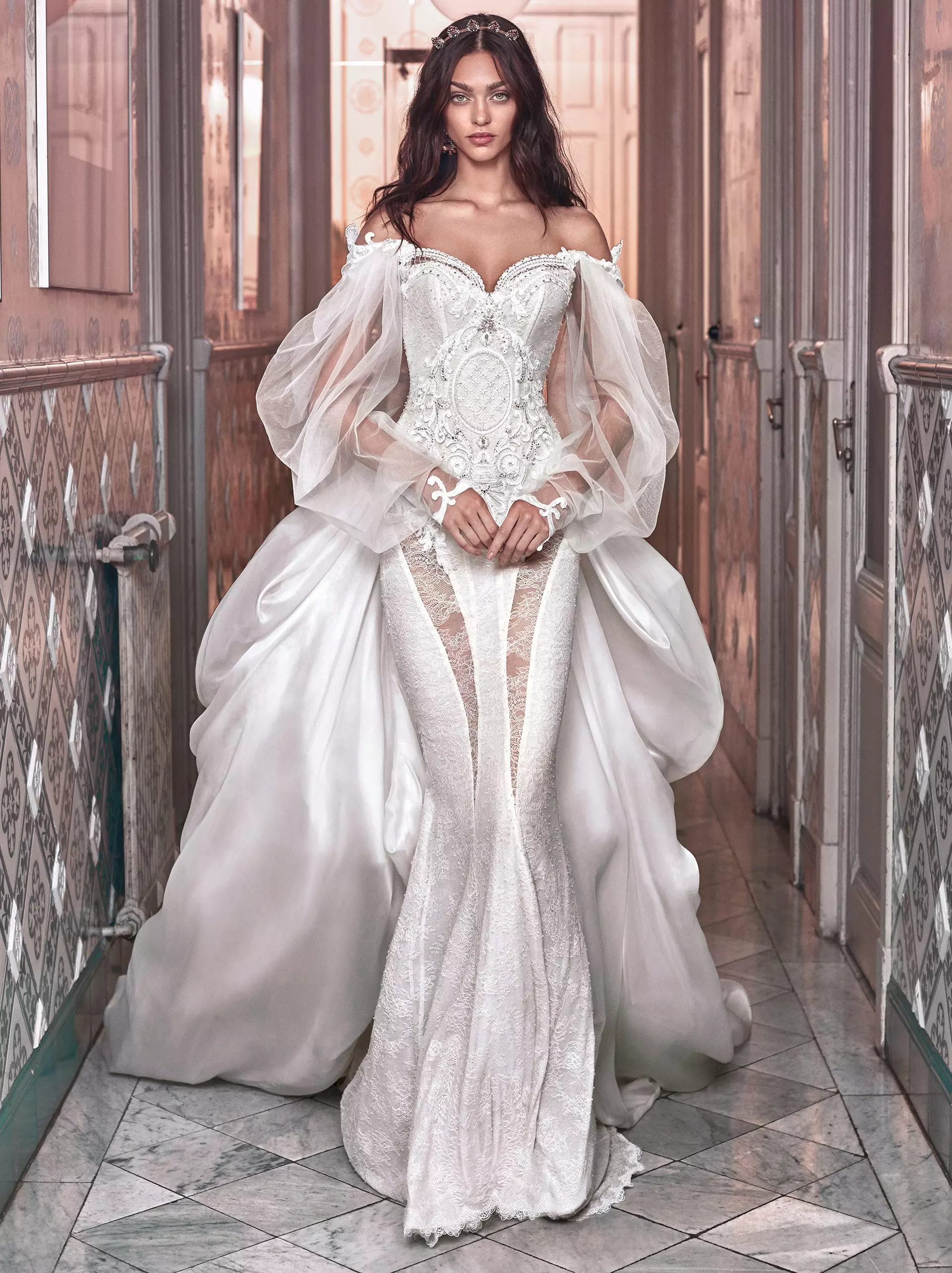
Finding a 2011 designer wedding dress involves navigating the vintage bridal market, where mid-century modern aesthetics meet the transitional silhouettes of the early 2010s. For collectors and brides seeking a specific historical look, these gowns represent a unique intersection of high-fashion minimalism, the influence of royal weddings on bridal trends, and the last era of pre-social media bridal design exclusivity.
The Bridal Landscape of 2011
To understand the significance of 2011 designer wedding dresses, one must recognize the singular event that defined that year’s bridal market: the wedding of Catherine Middleton to Prince William. The choice of a Sarah Burton for Alexander McQueen gown, featuring intricate lace sleeves, a V-neckline, and a structured bodice, effectively ended the dominance of the strapless, sweetheart-neckline gown that had defined the 2000s.
Throughout 2011, designers scrambled to interpret the "Kate Effect." This resulted in a sudden shift toward modest elegance, long sleeves, and heritage lace motifs. If you are sourcing a gown from this period, you are likely looking for a garment that marks the departure from the "boho-chic" trends of the late 2000s and the entry into a more refined, regal, and traditional aesthetic.
Key Aesthetic Features of 2011 Collections
Designers in 2011, including Vera Wang, Monique Lhuillier, Oscar de la Renta, and Carolina Herrera, were moving between two distinct poles. On one hand, there remained a strong influence of complex organza ruffles and layered tulle; on the other, the emergence of clean lines and architectural silhouettes began to take hold.
1. Fabric and Construction
The construction techniques of 2011 focused heavily on internal corsetry. Unlike the more relaxed, fluid designs seen in the mid-2020s, 2011 gowns were engineered to provide significant support and structure. High-end designers of this era often utilized heavy silk satins, duchess satin, and Chantilly lace. When evaluating these gowns for purchase, verify the integrity of the zippers and the state of the inner boning, as these structural elements were essential to the 2011 aesthetic.
2. The Influence of the "Kate" Silhouette
The transition from strapless to capped or long sleeves is the most identifiable trait of 2011-era bridal couture. If a dress is labeled as a 2011 collection piece, pay close attention to the neckline. Designers often used illusion tulle overlays to mimic the royal aesthetic while maintaining a traditional strapless foundation underneath. This layering can sometimes present a challenge for alterations, as the fine mesh used in 2011 has a specific aging profile compared to modern, more elastic mesh fabrics.
Comparison of Bridal Eras
The following table outlines the distinguishing characteristics between the 2011 aesthetic and the current 2026 trends to assist in identifying authentic period pieces.
| Feature | 2011 Bridal Design | 2026 Bridal Design |
|---|---|---|
| Silhouette | Structured A-Line & Modified Mermaid | Slip dresses, heavy crepes, capes |
| Neckline | Sweetheart or Illusion Lace High-Neck | Square, plunging, or halter |
| Embellishment | Heavy beaded waistlines, lace appliques | Minimalist, architectural seams |
| Sleeve Type | Cap sleeves or illusion long sleeves | Detachable puff sleeves or sleeveless |
| Skirt Volume | Significant tulle/organza volume | Bias-cut or slim column silhouettes |
Sourcing and Authenticating 2011 Gowns
Acquiring a designer gown from 2011 requires a different set of protocols than buying new. Because these dresses have existed for 15 years, the condition of the textiles is the most critical variable.
Verification Steps
- Check the Label and Care Instructions: Designers like Monique Lhuillier or Vera Wang updated their branding labels periodically. Ensure the font and material of the tag match known 2011 examples from the specific design house.
- Inspect for Oxidation: Silk fabrics from the early 2010s are prone to yellowing, especially around the bodice and hem. While dry cleaning can remove surface-level debris, oxidation of the silk fibers is often permanent.
- Provenance: If purchasing through a consignment boutique or online resale platform, request the original receipt or a copy of the designer’s authenticity certificate. Many high-end designers of that period included internal tags with style numbers that can be traced back to their season archives.
Requirements for Modern Wear
If your goal is to wear an original 2011 designer gown, you must account for the shift in sizing and maintenance standards.
- Sizing Discrepancies: Bridal sizing in 2011 was significantly smaller than modern "street" sizing. A size 10 from 2011 often equates to a modern size 6 or 8. Always rely on garment measurements (bust, waist, hip) rather than the tag size.
- Structural Integrity: Silk and lace from 2011 may have lost some of their tensile strength. If the dress requires significant structural alterations, ensure the tailor is experienced in working with vintage bridal fabrics. Adding modern, reinforced boning may be necessary if the original structure has degraded.
- Restoration Services: Professional cleaning is essential. Specialized bridal cleaning services, specifically those experienced in museum-quality textile preservation, are recommended over standard dry cleaners.
Common Pitfalls in the Resale Market
A frequent mistake when seeking "2011 designer wedding dresses" is conflating the year of the design with the year the dress was purchased. A bride may have bought a dress in 2013 that was part of a 2011 collection. Always verify the collection release date rather than the purchase date.
Additionally, be wary of "custom" gowns from this era that lack designer branding. The 2011-2012 period saw a surge in high-quality knock-offs inspired by the royal wedding. While these may be aesthetically similar, they lack the luxury silk composition and internal couture engineering of authentic designer pieces.
FAQ
Q: Are 2011 wedding dresses considered vintage? A: By most industry standards, a garment reaches "vintage" status at the 20-year mark. In 2026, 2011 gowns are classified as "pre-loved" or "contemporary archival." They occupy a middle ground between modern fashion and true vintage.
Q: Can I replace the lace on a 2011 gown? A: Yes, but it is a complex and costly procedure. Matching the exact Chantilly or Alençon lace from a 2011 collection is difficult. If the lace is torn or discolored, consider having a skilled seamstress remove the damaged sections and replace them with a complementary modern lace, though this will change the original designer intent.
Q: How do I store a 2011 designer gown safely? A: Use acid-free tissue paper to stuff the bodice and sleeves to maintain their shape. Store the dress in a breathable, pH-neutral garment bag in a climate-controlled environment, away from direct sunlight, which can weaken the silk fibers and fade delicate beading.
Q: Are 2011 dresses easier to alter than modern gowns? A: Generally, no. Many 2011 gowns featured complex, multi-layered corset backings and heavy internal structures. If you are buying a gown that is too large, the cost of deconstructing and re-engineering the bodice can often exceed the value of the dress.
Q: Did designer sizing change since 2011? A: Yes. Many luxury bridal brands have shifted their sizing charts to align closer to standard ready-to-wear sizing as the market has moved toward inclusive sizing. Always measure the garment specifically; never assume the tag size fits by modern standards.
Final Recommendation
When pursuing a 2011 designer wedding dress, prioritize the condition of the fabric over the brand name. Silk satin from that era is beautiful, but it is unforgiving; once it has sustained water damage or severe yellowing, it is difficult to restore. If you find a well-preserved piece from a designer like Vera Wang or Monique Lhuillier, view it as an investment in a specific cultural moment in bridal history. For your next action, consult a master bridal tailor to assess whether the specific structure of your chosen gown can be safely modified to fit your measurements before finalizing any purchase from the resale market.