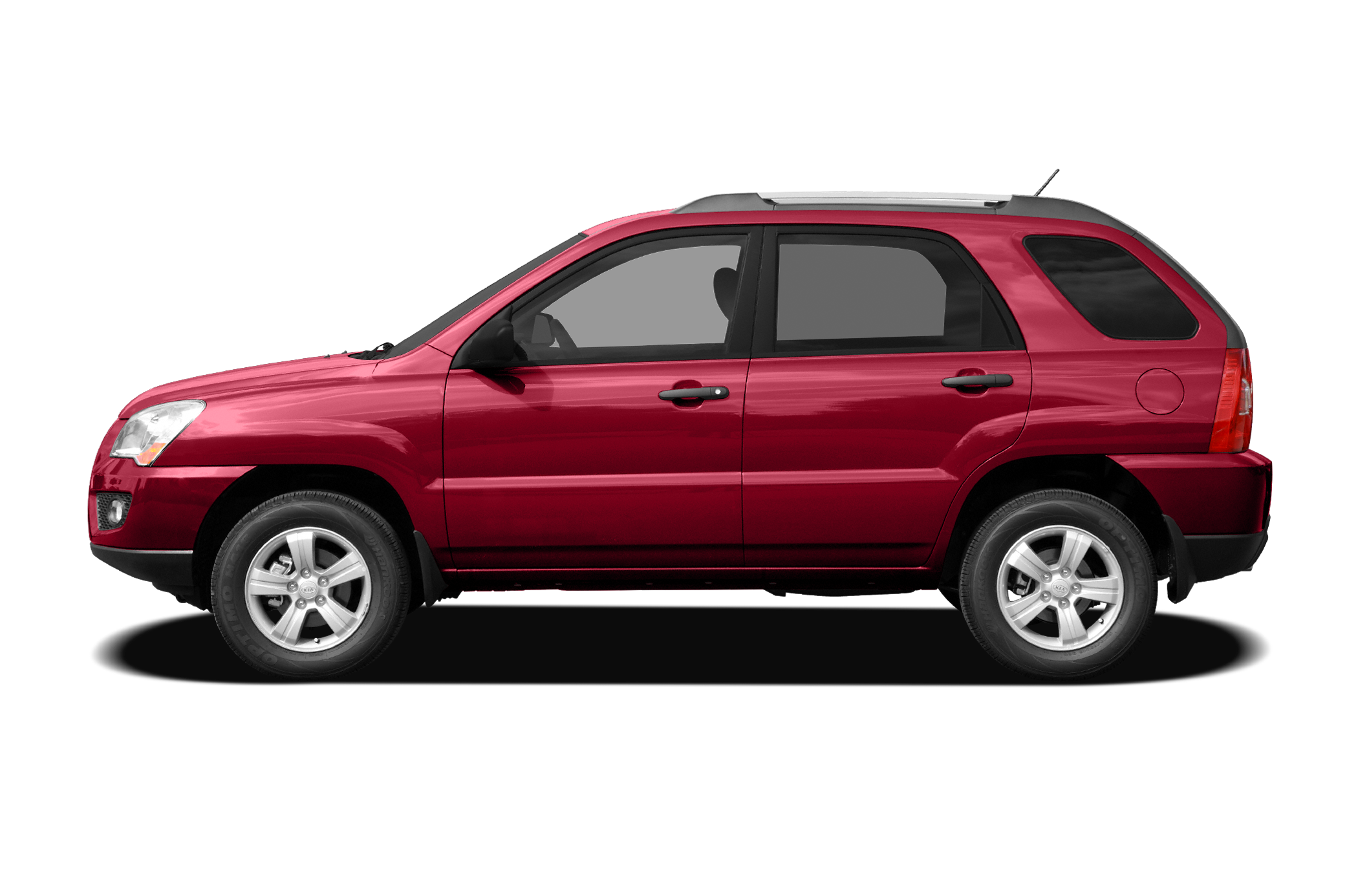
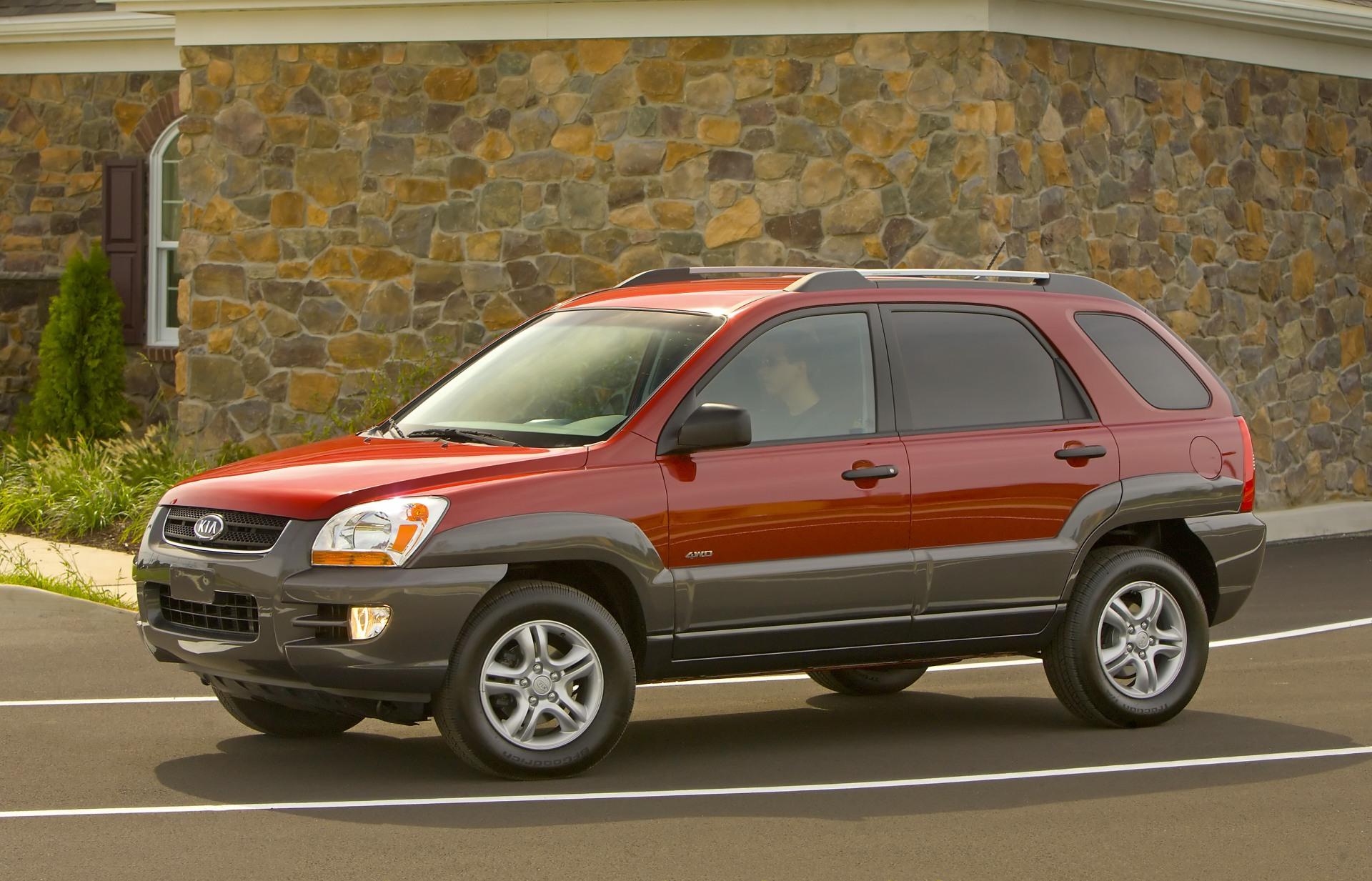
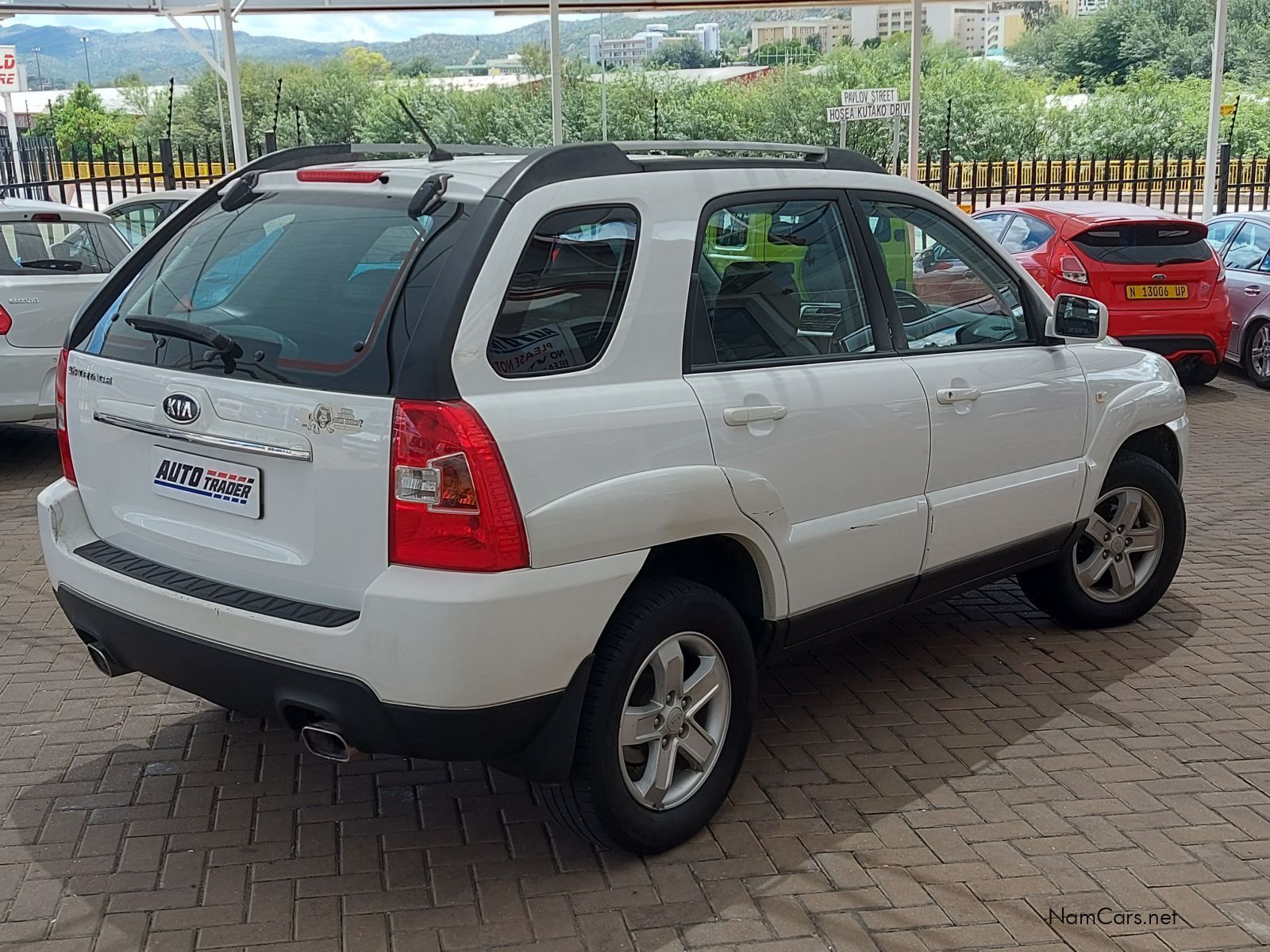
The 2009 Kia Sportage remains a notable milestone in the evolution of affordable, practical compact sport utility vehicles. Balancing car-like driving dynamics with traditional utility, it provides a functional cabin, dependable powertrain options, and long-term mechanical resilience that continues to appeal to budget-conscious drivers and used-car buyers.
Introduction to the 2009 Kia Sportage
When evaluating the compact sport utility vehicle segment of the late 2000s, few vehicles delivered straightforward utility quite like the 2009 Kia Sportage. Positioned as a value-driven alternative to mainstream Japanese and domestic competitors, this generation of the Sportage bridged the gap between rugged, truck-based predecessors and modern, unibody crossovers. For buyers seeking a dependable daily driver with elevated seating, available four-wheel drive, and manageable exterior dimensions, the 2009 model year represents a mature point in its production run, having benefited from continuous refinements since its redesign for the 2005 model year.
Understanding the lasting appeal of this vehicle requires looking beyond showroom specifications and examining how it performs over extended ownership cycles. As modern automotive markets face rising vehicle costs, older platforms like the 2009 Sportage draw attention for their mechanical simplicity, ease of maintenance, and practical design. This comprehensive review examines its core features, performance capabilities, mechanical reliability, and overall suitability for modern drivers.
Historical Context and Market Positioning
During the mid-to-late 2000s, the compact SUV market experienced a massive shift. Consumers increasingly favored car-based crossovers over heavy, truck-based sport utility vehicles due to improved fuel economy and smoother ride quality. Kia, positioning itself as a value-oriented global brand, sought to capture market share by offering robust features at a competitive price point.
The second-generation Sportage utilized a shared platform with the Hyundai Tucson, establishing a proven mechanical foundation. While contemporary rivals like the Toyota RAV4 and Honda CR-V dominated sales charts, the Sportage carved out a niche by undercutting them on price while matching or exceeding them in standard features. By 2009, Kia had ironed out early production teething issues, making this model year one of the more stable iterations of its generation.
Powertrain Options and Mechanical Specifications
The 2009 Kia Sportage offered two distinct engine configurations, allowing buyers to choose between fuel economy and towing capability. The base powerplant was a 2.0-liter inline-four cylinder engine, while higher trim levels featured a more muscular 2.7-liter V6 engine.
| Engine Type | Horsepower | Torque | Transmission Options | Drivetrain |
|---|---|---|---|---|
| 2.0L Inline-4 | 140 hp @ 6,000 rpm | 136 lb-ft @ 4,500 rpm | 5-speed manual / 4-speed automatic | FWD or Part-time 4WD |
| 2.7L V6 | 173 hp @ 6,000 rpm | 178 lb-ft @ 4,000 rpm | 4-speed automatic | FWD or Part-time 4WD |
The four-cylinder engine appealed primarily to urban commuters prioritizing fuel efficiency, though its 140 horsepower required working the throttle hard during highway merging. The 2.7-liter V6, producing 173 horsepower, provided smoother power delivery and made the vehicle feel significantly more composed when fully loaded or equipped with the available four-wheel-drive system.
Both engines utilized timing chains rather than rubber belts in some iterations, though buyers must verify specific maintenance records, as proper oil change intervals remain critical to preventing internal wear. Fuel economy for the four-cylinder front-wheel-drive automatic hovered around an EPA-estimated 20 mpg city and 25 mpg highway, while the V6 models dropped slightly, reflecting the added weight and displacement.
Interior Design, Comfort, and Cargo Versatility
Inside the cabin, the 2009 Sportage prioritized functional ergonomics over luxury styling. The dashboard layout featured clear, analog instrumentation, large climate control knobs, and an accessible audio system. Hard plastics dominated the interior surfaces, reflecting the vehicle's budget-focused positioning, but these materials proved exceptionally durable against daily wear, sun exposure, and heavy family use.
Cabin space surprised many first-time occupants. Despite its compact exterior footprint, the Sportage offered generous headroom and legroom for both front and rear passengers. A standout feature of this generation was the independent opening rear glass hatch, which allowed drivers to load small grocery bags or long items without swinging open the entire tailgate.
Cargo capacity expanded significantly when folding down the 60/40 split-rear seats, which folded completely flat to create a level load floor. This design choice maximized utility for camping gear, bicycles, and household goods, cementing its reputation as a practical daily workhorse.
Trim Levels and Standard Equipment
Kia structured the 2009 lineup into distinct trim levels, ensuring that even base models came reasonably equipped.
- LX: The entry-level trim included the 2.0-liter four-cylinder engine, air conditioning, power windows, power door locks, a six-speaker audio system with a CD player and auxiliary input jacks, and 16-inch alloy wheels. A five-speed manual transmission came standard, with a four-speed automatic optional.
- EX: Stepping up to the EX introduced the 2.7-liter V6 engine paired exclusively with a four-speed automatic transmission. Additional amenities included fog lamps, a power sunroof, automatic headlights, upgraded cloth or available leather upholstery, a leather-wrapped steering wheel, and keyless entry.
- LX Luxury / Special Editions: Depending on regional markets, Kia offered various package upgrades that added appearance items, chrome accents, or upgraded sound systems to existing trims.
Electronic stability control, traction control, anti-lock disc brakes (ABS), and a comprehensive suite of airbags—including front-seat side airbags and full-length side curtain airbags—came standard across all trim levels, reinforcing Kia's commitment to safety during that era.
On-Road Dynamics and Off-Road Capabilities
Driving the 2009 Kia Sportage reveals a balanced compromise between ride comfort and handling stability. The independent suspension setup—featuring MacPherson struts up front and a multilink design in the rear—absorbed road imperfections competently without feeling overly floaty. Body roll during cornering remained present, as expected from an SUV of this height, but steering weight felt direct and predictable.
Models equipped with the part-time four-wheel-drive system featured a dashboard-mounted locking differential switch, allowing drivers to split torque evenly between the front and rear axles for low-traction scenarios such as heavy snow, mud, or unpaved forest service roads. While the Sportage lacked low-range gearing for technical rock crawling, its ground clearance and four-wheel-drive capability provided adequate confidence for light off-road exploration and adverse weather commuting.
Long-Term Reliability and Common Maintenance Considerations
Evaluating a vehicle of this vintage requires understanding its mechanical longevity. The 2009 Sportage has earned a generally favorable reputation among independent mechanics for mechanical durability, provided previous owners adhered to recommended service schedules.
However, prospective buyers and current owners should monitor specific systemic areas:
- Suspension Components: Bushings, struts, and sway bar links frequently wear out after high mileage, leading to clunking noises or loose steering feel.
- Electrical Accessories: Power window regulators and door lock actuators occasionally fail as vehicles age, requiring standard component replacement.
- Gasket Seals: Valve cover gaskets can develop minor oil leaks over time, which are inexpensive to address but require periodic inspection during routine oil changes.
- Transmission Maintenance: The four-speed automatic transmission operates reliably if fluid changes were performed regularly. Neglected fluid can lead to harsh shifting or solenoid wear.
Comparing the 2009 Sportage to Competitors
When placed alongside its peers from the same model year, the Sportage held distinct advantages and disadvantages.
| Vehicle | Engine Options | Transmission | Notable Strengths | Typical Weaknesses |
|---|---|---|---|---|
| 2009 Kia Sportage | 2.0L I4 / 2.7L V6 | 5-speed manual / 4-speed automatic | Standard V6 availability, flip-up rear glass, value pricing | Base 4-cylinder lacks passing power, dated interior plastics |
| 2009 Toyota RAV4 | 2.5L I4 / 3.5L V6 | 4-speed / 5-speed automatic | Exceptional resale value, potent V6 engine option | Higher initial used market pricing, firmer ride |
| 2009 Honda CR-V | 2.4L Inline-4 | 5-speed automatic | Refined cabin ergonomics, excellent fuel economy | No V6 option, road noise at highway speeds |
| 2009 Ford Escape | 2.3L I4 / 3.0L V6 | 5-speed manual / 4-speed / 6-speed auto | Good towing capacity, comfortable seating | Interior material quality degradation |
While competitors like the Toyota RAV4 often command a higher price premium on the used market, the Sportage offers comparable utility and mechanical durability at a more accessible entry cost.
Frequently Asked Questions
Is the 2009 Kia Sportage a reliable vehicle for daily driving?
Yes, the 2009 model is widely regarded as dependable for daily commuting and errand running. Its mechanical components are straightforward to service, and parts availability remains strong. Routine maintenance, such as oil changes and fluid checks, is the primary requirement for maintaining long-term reliability.
What is the fuel economy of the 2009 Kia Sportage?
Fuel economy varies depending on the engine and drivetrain. The front-wheel-drive four-cylinder model achieves approximately 20 mpg in the city and 25 mpg on the highway. Choosing the V6 engine with four-wheel drive reduces efficiency to roughly 17 mpg city and 23 mpg highway.
Does the 2009 Kia Sportage have a timing belt or timing chain?
The 2.0-liter four-cylinder engine utilizes a timing chain, whereas certain early production iterations and regional configurations require careful verification. Always consult the specific vehicle's service manual or engine bay placard to confirm whether a belt or chain drives the camshafts.
Can the 2009 Kia Sportage handle towing duties?
When equipped with the V6 engine and a proper trailer hitch receiver, the Sportage can tow up to 1,500 pounds safely. This capacity suits small utility trailers, jet skis, or lightweight pop-up campers, though drivers should avoid heavy hauling to protect the transmission.
What are the most common problems to look out for when buying a used 2009 Sportage?
Buyers should inspect the suspension for worn bushings, test all power windows and door locks, check for oil leaks around the valve cover gaskets, and verify that the four-wheel-drive engagement switch functions correctly without hesitation.
Final Recommendation for Buyers and Owners
The 2009 Kia Sportage succeeds as a lasting compact SUV because it delivers honest, unpretentious utility. It avoids unnecessary complexity while providing essential features like available four-wheel drive, a versatile cargo area, and dependable mechanical systems. For budget-conscious buyers seeking an affordable second vehicle, a reliable student commuter, or a capable winter driver, inspecting a well-maintained 2009 Sportage offers practical value that few modern equivalents can match at a similar price point. Prospective owners should prioritize examples with documented service history and conduct a thorough pre-purchase inspection to ensure long-term satisfaction.