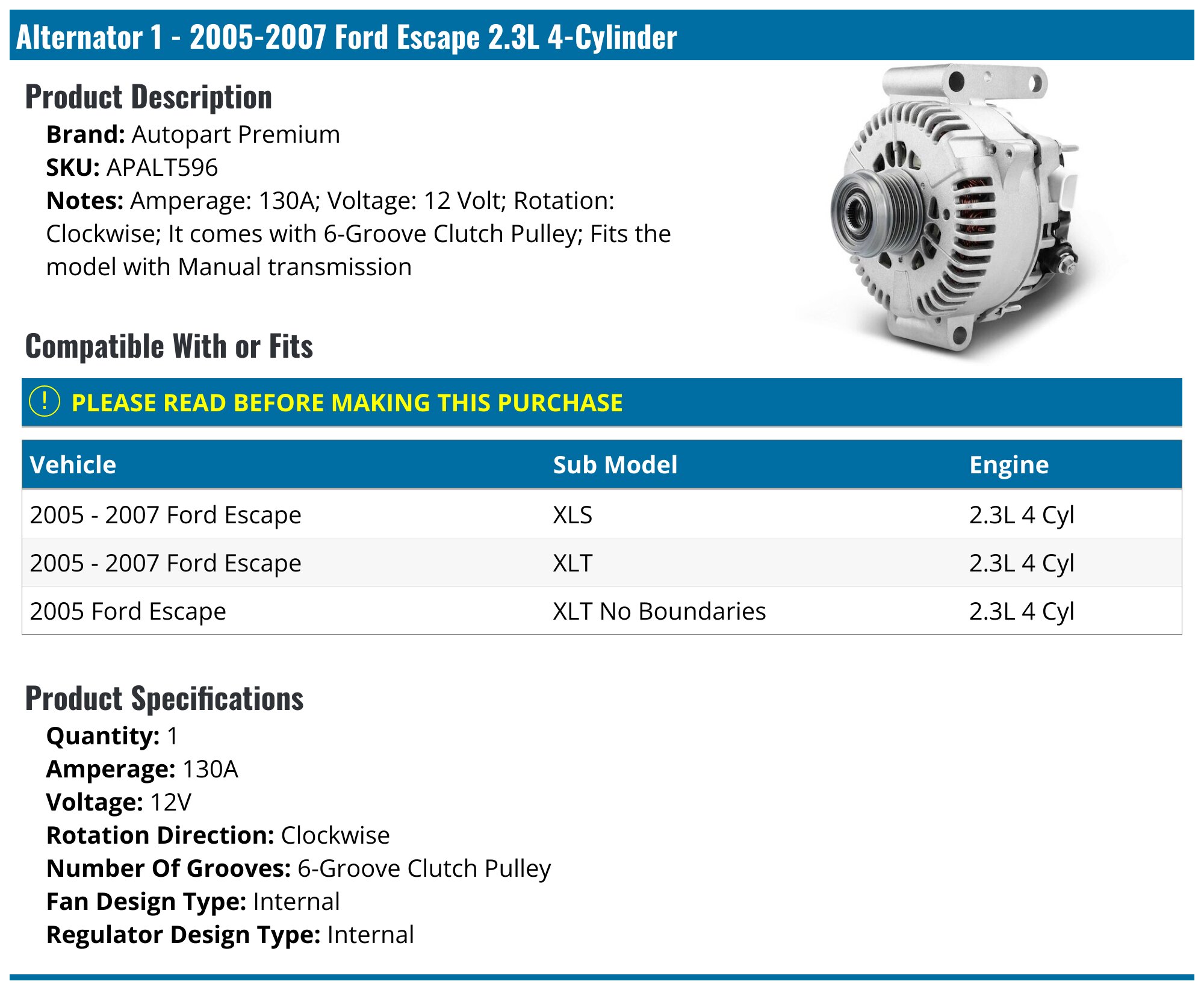
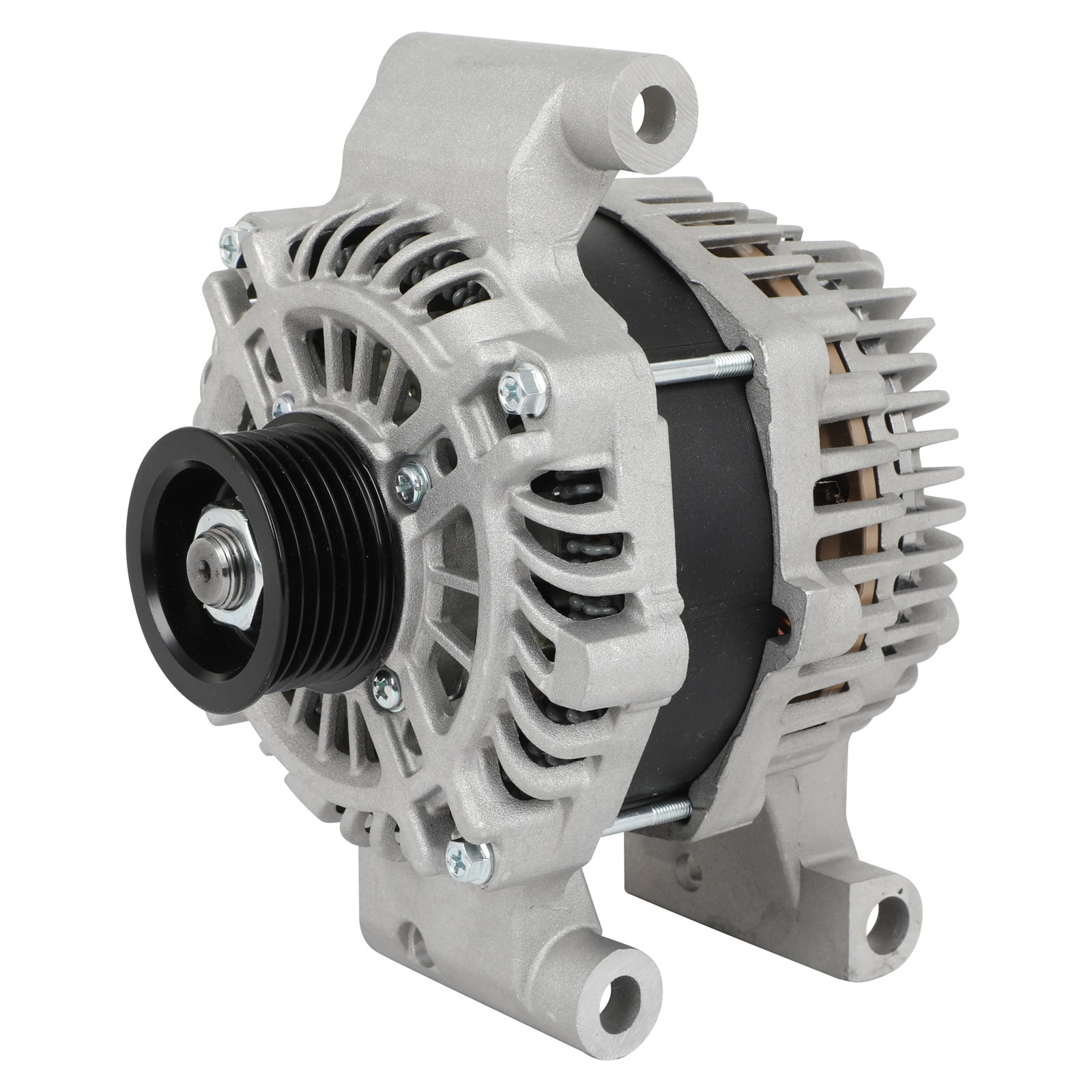
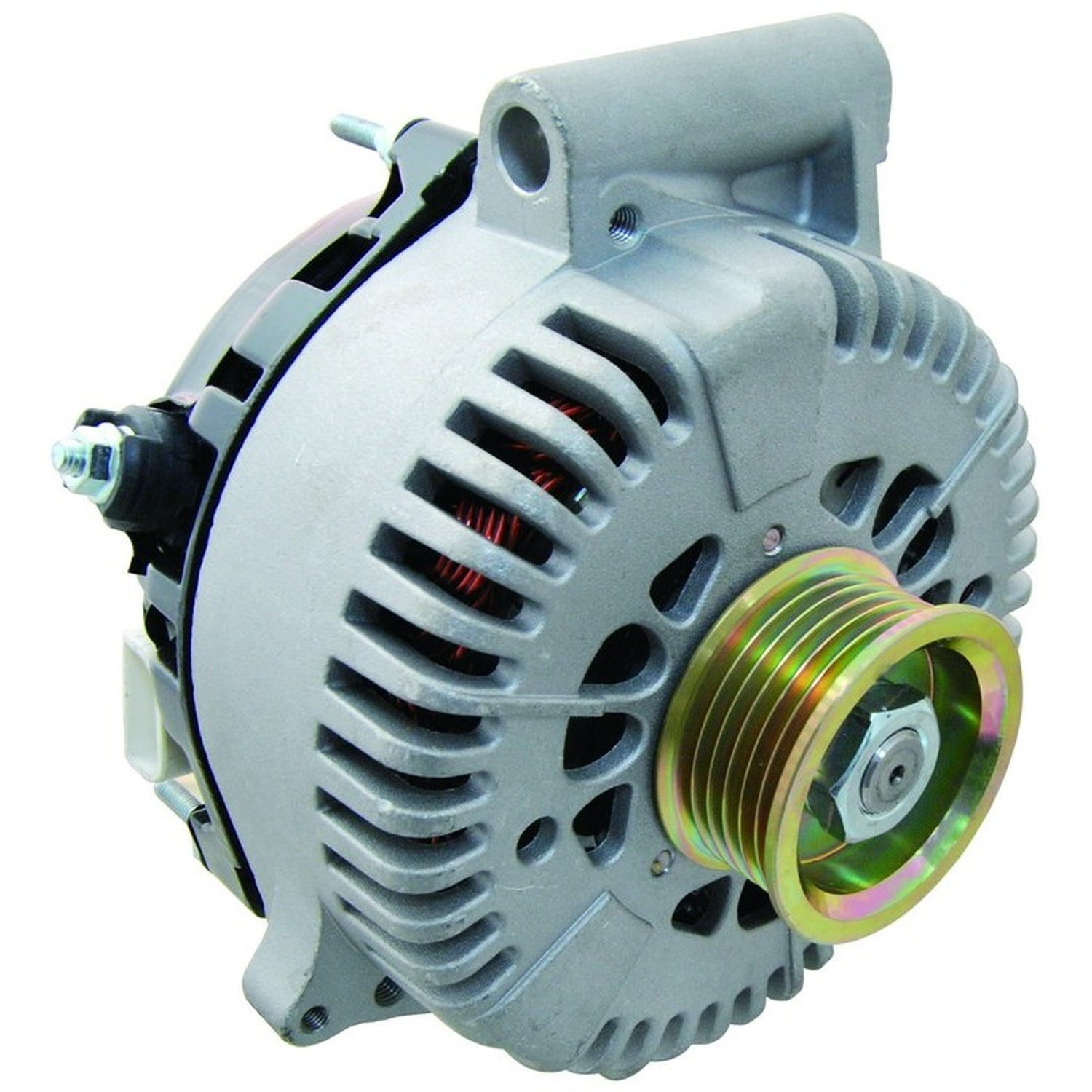
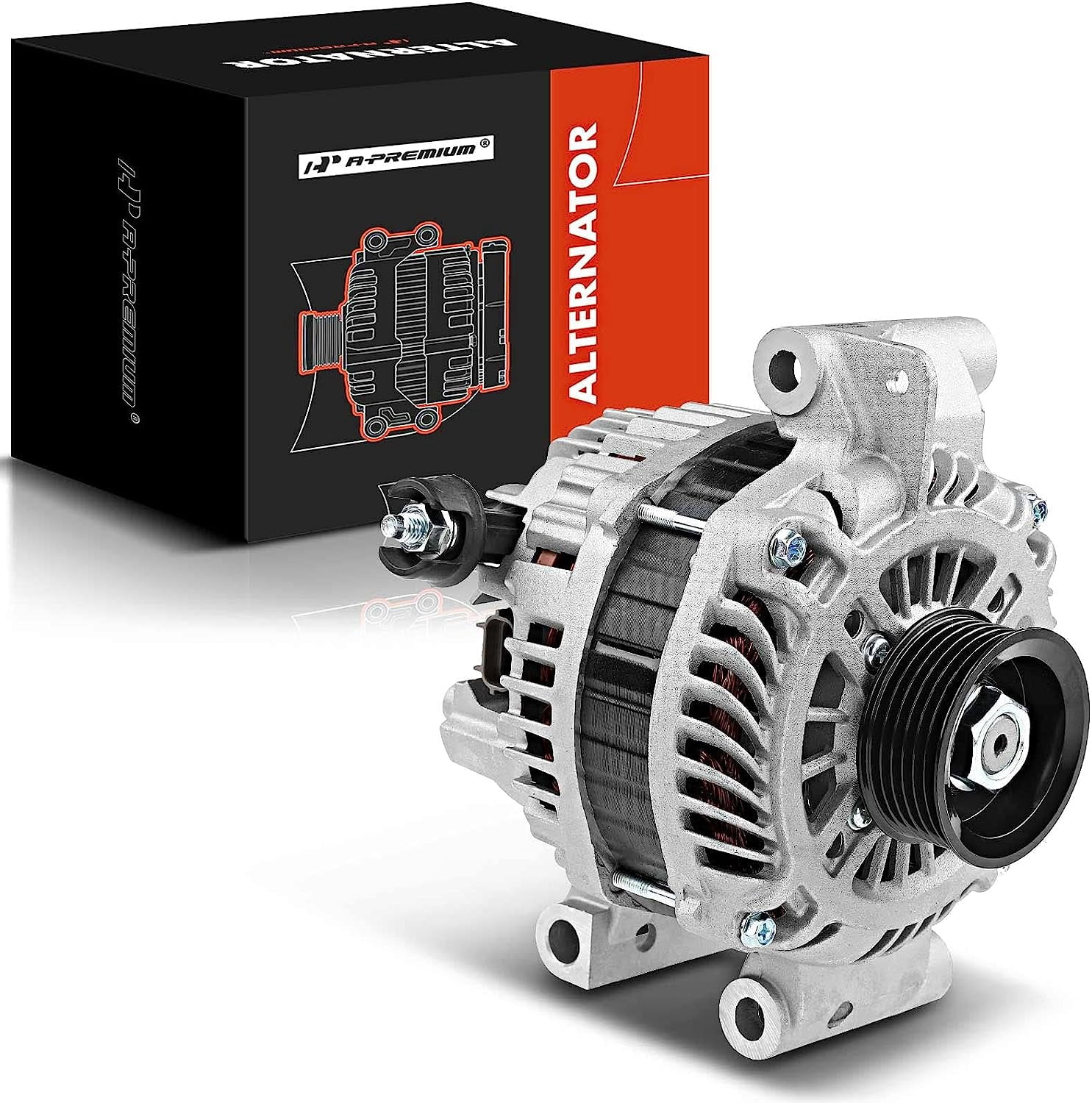
Replacing the alternator in a 2006 Ford Escape is a challenging but achievable task for a DIY mechanic with the right tools and patience. Because the alternator is located in a cramped position, the process requires removing several peripheral components, including the cooling fan assembly or the air intake housing, depending on whether your vehicle is equipped with the 2.3L four-cylinder or the 3.0L V6 engine.
Understanding Your Vehicle Configuration
Before beginning the removal process, it is essential to identify which engine your 2006 Ford Escape uses. The 2.3L Duratec engine and the 3.0L Duratec V6 feature significantly different engine bay layouts. The V6, in particular, is notorious for its tight clearance near the firewall and the serpentine belt drive system.
Regardless of the engine, the fundamental principle of the alternator remains the same: it acts as an electromechanical device that converts mechanical energy from the engine’s crankshaft into electrical energy to charge the battery and power the vehicle’s electrical systems. When the alternator fails, the vehicle will typically display a battery warning light, experience dimming headlights, or eventually lose power entirely as the battery is depleted.
Essential Safety Protocols
Working on an electrical system involving a high-amperage battery carries inherent risks. Always disconnect the negative battery terminal before starting any work. Leaving the battery connected can result in a short circuit if your wrench inadvertently touches the positive charging post on the alternator and the engine block simultaneously.
Additionally, ensure the engine has cooled completely. The alternator is situated near the exhaust manifold on many models, and working in that area while the engine is hot poses a severe burn risk. Wear protective eyewear and gloves throughout the process to prevent injury from sharp metal edges or accidental fluid spills.
Required Tools for Alternator Removal
To ensure the job proceeds without unnecessary delays, organize the following tools before opening the hood:
- Metric Socket Set: Specifically 8mm, 10mm, 13mm, and 15mm sockets.
- Serpentine Belt Tool: A long-reach tool is necessary to provide enough leverage to compress the belt tensioner.
- Breaker Bar and Ratchet: For loosening seized bolts.
- Torque Wrench: To ensure hardware is tightened to factory specifications during reinstallation.
- Pry Bar: Sometimes necessary to nudge the alternator out of its mounting bracket if it is seized by corrosion.
- Penetrating Oil: Essential for bolts that have been exposed to road salt and heat for nearly two decades.
Step-by-Step Removal Process
1. Preparing the Work Area
Begin by removing the plastic engine cover (if equipped) and disconnecting the negative battery cable. Secure the cable away from the terminal to prevent accidental contact. If your vehicle has a front-end structural brace or intake ducts obstructing your access to the serpentine belt, remove these components and label all fasteners to ensure they return to their original locations.
2. Relieving Belt Tension
Locate the belt tensioner. Using your serpentine belt tool, rotate the tensioner pulley to create slack in the belt. Slide the belt off the alternator pulley. It is advisable to inspect the belt for cracks or signs of fraying while it is off; if it shows wear, this is the optimal time to replace it.
3. Disconnecting Electrical Connections
The alternator has two primary electrical points: the main charging cable (B+) and the voltage regulator plug. The main cable is usually held down by a 13mm nut protected by a rubber boot. Remove the nut and carefully pull the cable off. Next, depress the locking tab on the electrical connector and pull it free. Do not pull on the wires themselves, as the insulation may be brittle due to age and heat.
4. Unbolting the Alternator
Locate the mounting bolts. On the V6 model, this is often the most difficult step due to the proximity of the AC compressor and the engine block. Once the bolts are removed, the unit may still be held in place by friction. Use a pry bar gently against the mounting ear—not the alternator housing itself—to break it loose. Be prepared for the unit to be heavy; support it with one hand as you remove the final bolt.
Technical Comparison of Considerations
| Factor | 2.3L Four-Cylinder | 3.0L V6 |
|---|---|---|
| Access Difficulty | Moderate | High (Very Tight) |
| Key Obstruction | Cooling Fan Assembly | Exhaust Manifold / AC Lines |
| Belt Routing | Simple | Complex |
| Estimated Time | 1.5–2 Hours | 3–4 Hours |
Troubleshooting Common Installation Issues
After installing the new alternator, it is common for the battery light to remain illuminated if the electrical connections are not perfectly clean. Use a wire brush to clean the B+ cable terminal before reattaching it. If the alternator fails to charge, verify that the serpentine belt is properly seated in the grooves of all pulleys. A belt that is off by one "rib" can cause slippage, leading to insufficient RPMs at the alternator, which mimics a failed unit.
Another frequent oversight is the tensioner. If the tensioner spring has weakened over the last 20 years, it may not apply enough pressure to the belt, resulting in an "under-charging" condition even with a brand-new alternator. Always check the tensioner's bounce while the engine is idling; if it oscillates excessively, consider replacing the tensioner assembly.
FAQ: Frequently Asked Questions
1. Can I drive my 2006 Ford Escape with a bad alternator? No, driving with a failed alternator is unsafe. Once the battery loses its remaining charge, the vehicle will lose ignition power, and the engine will shut down. This can lead to a loss of power steering and braking assist while the vehicle is in motion.
2. Should I replace the battery at the same time? While not mandatory, if your alternator has failed, your battery has likely undergone deep-cycle discharge, which significantly shortens its lifespan. Having your battery load-tested at a local parts store is highly recommended.
3. Is it better to buy a remanufactured or new alternator? Both are viable, but ensure you buy from a reputable source. "Remanufactured" units often retain the original housing but replace the internal diodes and brushes. New aftermarket units may offer better reliability, though factory-original components are generally the gold standard for long-term durability.
4. Why is my new alternator making a whining noise? A high-pitched whine immediately following installation often indicates an over-tightened belt or, more commonly, a misalignment between the belt and the pulley. Ensure the belt is perfectly centered. If the noise persists, it could be a faulty bearing in the new unit, which should be warrantied.
5. Do I need to reset the computer after changing the alternator? No, the 2006 Ford Escape does not require a computer reset or "battery registration" like many modern vehicles manufactured after 2015. The system is analog in its monitoring and will recognize the new charging output automatically once the engine is started.
Professional Advice and Final Recommendation
When purchasing a replacement alternator, prioritize units that include a lifetime warranty. Given the labor-intensive nature of this repair on the 2006 model, you do not want to repeat the process due to a premature failure of an inexpensive, non-warrantied part.
Always use a wire brush to clean the ground points on the engine block where the alternator bracket bolts to the engine. Good electrical grounding is just as important as the positive lead for proper charging. After completion, use a digital multimeter to measure the voltage across the battery terminals with the engine running; you should see a reading between 13.8 and 14.5 volts. If the reading is below 13 volts, re-check your electrical connections immediately.