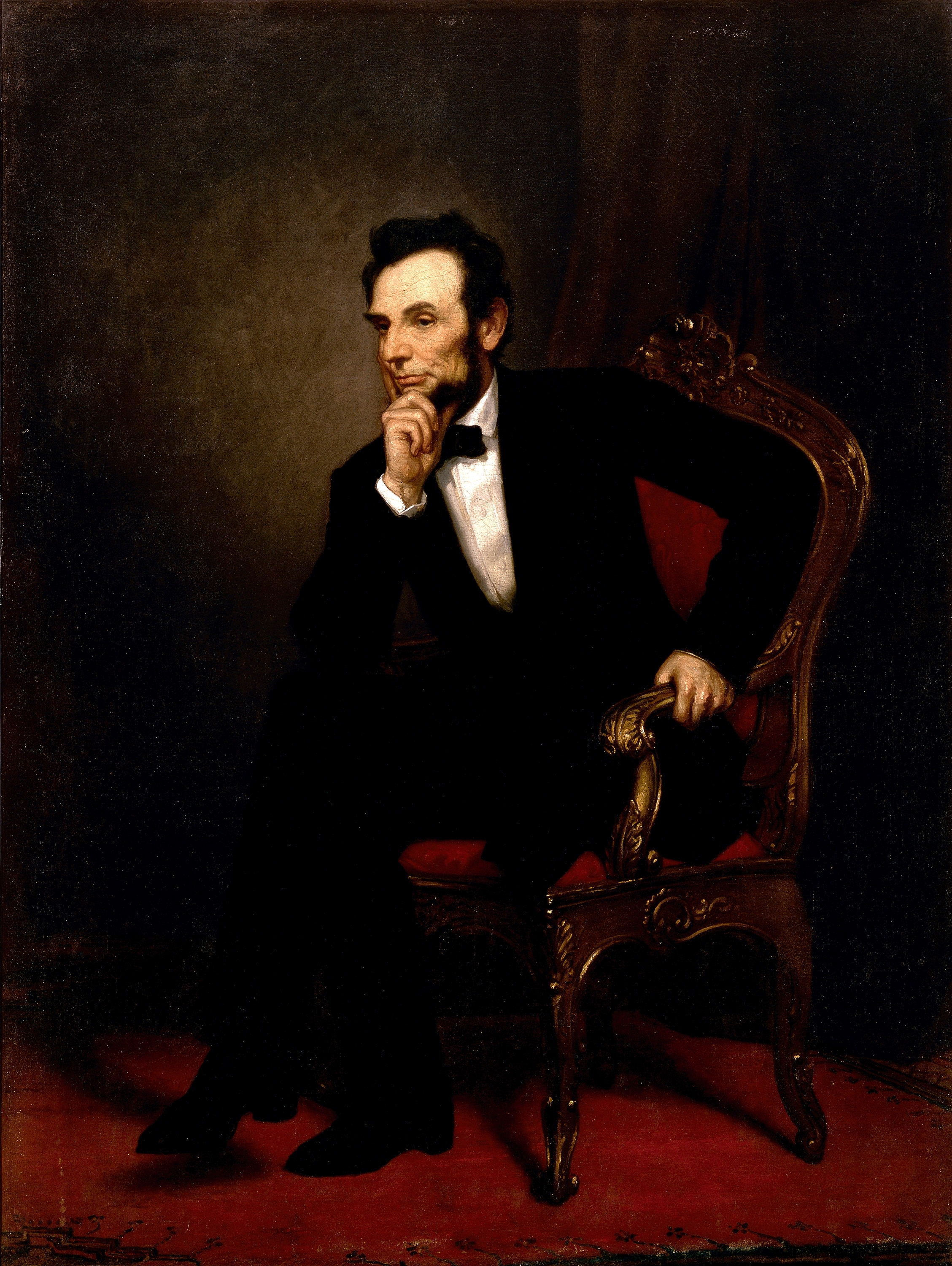
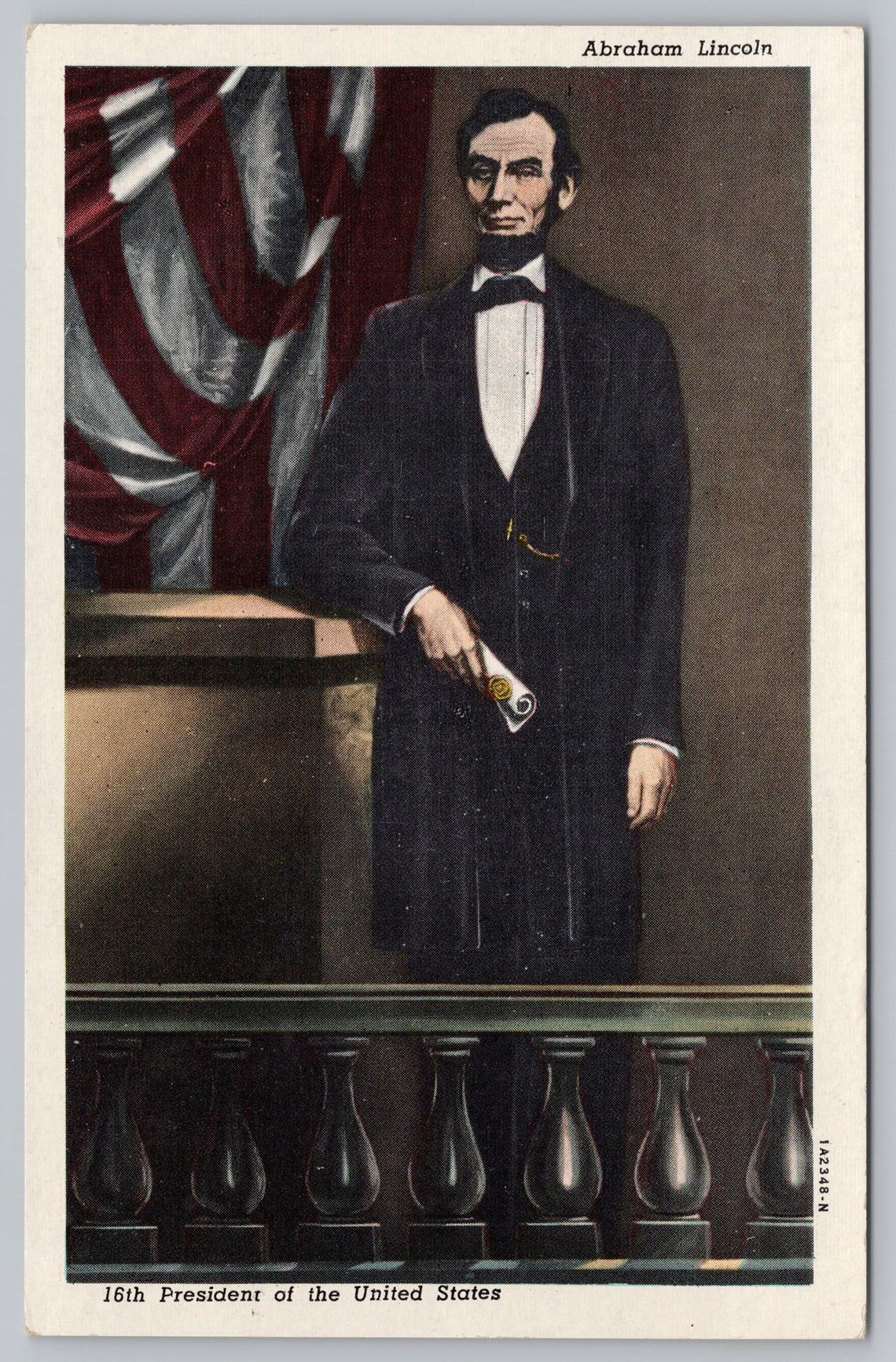
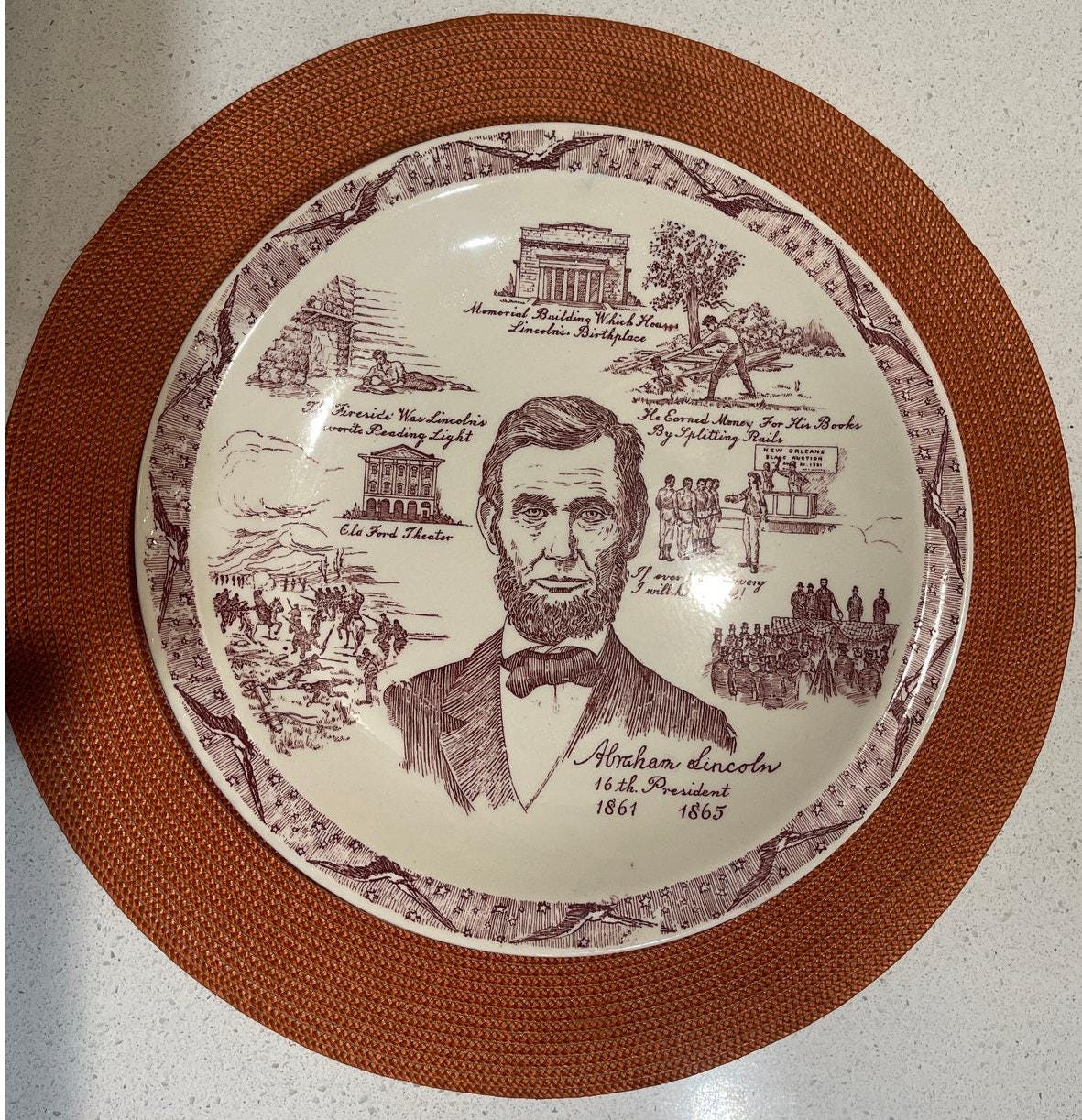
Abraham Lincoln, the 16th President of the United States, is most famously known by the nicknames Honest Abe, The Great Emancipator, and The Rail-Splitter. These titles reflect distinct phases of his life and career, representing his reputation for integrity, his humble frontier origins, and his historic role in ending slavery.
The 16th president remains one of the most scrutinized and admired figures in American history. As of 2026, his legacy continues to be defined not just by his executive actions during the Civil War, but by the powerful branding established through his various nicknames. These monikers were not merely accidental labels; they were carefully cultivated images—some by Lincoln himself, others by political allies, and many by a public that sought to understand the man leading them through a national existential crisis.
The Foundation of Integrity: Honest Abe
Perhaps the most enduring of all presidential nicknames, "Honest Abe" was not a product of his presidency but rather his early years in Illinois. Long before he stepped into the White House, Lincoln established a reputation for scrupulous fairness and unimpeachable character in the small community of New Salem.
The Origins in New Salem
The roots of the "Honest Abe" moniker date back to Lincoln’s time as a store clerk and postmaster. Various historical accounts, verified by his early biographers, describe instances where Lincoln would close his shop and walk several miles to return a few cents to a customer he had accidentally overcharged. In one famous instance, he realized he had used an incorrect weight for tea and immediately set out to deliver the remaining ounces to the rightful owner.
While these stories may have been slightly polished by later hagiographers, the underlying sentiment was genuine. In a frontier society where land speculation and shady business dealings were common, a man who prioritized decimal-point accuracy in a small grocery store stood out. This reputation followed him into his law practice, where he was known for encouraging clients to settle out of court to save them money, even at the expense of his own legal fees.
Political Utility of Honesty
By the time Lincoln entered national politics in the 1850s, the Republican Party seized upon this local reputation. During the 1860 election, the nickname was used as a sharp contrast to the perceived corruption of the incumbent Buchanan administration and the shifting stances of his rival, Stephen A. Douglas. "Honest Abe" became a shorthand for a leader who could be trusted with the survival of the Union. In the political climate of 2026, we still see the "Honest Abe" brand used as a benchmark for political integrity, proving the lasting power of this 19th-century marketing.
The Common Man’s Champion: The Rail-Splitter
If "Honest Abe" spoke to his character, "The Rail-Splitter" spoke to his origins and his physical strength. This nickname was a masterclass in 19th-century political branding, designed to appeal to the working-class voters of the North and the expanding West.
The 1860 Republican State Convention
The nickname was formally "born" at the Republican State Convention in Decatur, Illinois, in May 1860. Lincoln’s cousin, John Hanks, carried two fence rails into the convention hall with a banner claiming they were rails Lincoln had cut in 1830. The crowd erupted, and the image of Lincoln as a manual laborer—a man who literally helped carve civilization out of the wilderness—was cemented.
Symbolic Meaning of the Fence Rail
The "Rail-Splitter" image served three primary purposes:
- Class Identification: It distinguished Lincoln from the "silver spoon" aristocrats of the Southern planter class.
- The American Dream: It suggested that in America, a man could rise from the lowliest physical labor to the highest office in the land through sheer "grit" and "industry."
- Physicality: In an era that valued physical prowess, the image of the tall, lanky Lincoln swinging a heavy maul suggested he was physically and mentally strong enough to hold the fracturing country together.
Even as late as 2026, the image of the fence rail remains a potent symbol of American frontier spirit, often referenced in educational curricula to illustrate the "log cabin to White House" narrative.
The Moral Architect: The Great Emancipator
"The Great Emancipator" is the nickname that defines Lincoln’s historical weight. It refers specifically to his role in the destruction of chattel slavery in the United States, primarily through the Emancipation Proclamation of 1863 and his subsequent push for the 13th Amendment.
The Evolution of the Title
Lincoln did not enter the presidency with the goal of being an "emancipator." His initial priority was the preservation of the Union. However, as the Civil War progressed, he realized that the war could not be won—and the Union could not be truly restored—without addressing the institution of slavery.
When the Emancipation Proclamation took effect on January 1, 1863, it fundamentally changed the character of the war. It transformed a conflict over secession into a crusade for human freedom. For millions of enslaved Black Americans, Lincoln became a messianic figure. This nickname was not just a political label; it was a title of profound gratitude bestowed by those who were finally granted their legal freedom.
Historical Nuance and Modern Perspectives
In modern historical analysis leading up to 2026, scholars often add context to this nickname. While Lincoln is the "Great Emancipator," historians emphasize that enslaved people themselves played a massive role in their own liberation by escaping to Union lines and serving in the military. Nevertheless, the nickname remains the primary way the 16th president is remembered in the context of civil rights.
Lesser-Known Monikers and Personal Labels
While the three nicknames mentioned above are the most prominent, Lincoln was known by several other names depending on the circle in which he moved.
Father Abraham
During the darkest days of the Civil War, Union soldiers began referring to Lincoln as "Father Abraham." This reflected a paternal bond between the Commander-in-Chief and the "boys in blue." The name was popularized by the song "We Are Coming, Father Abraham, Three Hundred Thousand More," written in response to Lincoln’s call for volunteers in 1862. It suggested a leader who felt the loss of every soldier as a father would a son.
The Tycoon and The Ancient One
Inside the White House, Lincoln’s young secretaries, John Hay and John Nicolay, had their own private names for him. They frequently referred to him as "The Tycoon" because of his commanding presence and the way he managed his cabinet of rivals. They also called him "The Ancient One" or "The Ancient," a nod to his wisdom and the way the stress of the war seemed to age him prematurely.
Uncle Abe
This was a more folksy, affectionate term used by the general public and political supporters. It conveyed a sense of accessibility and warmth, making the President seem like a member of the family rather than a distant, cold bureaucrat.
Comparing the Primary Nicknames of Abraham Lincoln
The following table summarizes the key characteristics and historical contexts of the 16th President's most famous monikers.
| Nickname | Primary Focus | Origin Period | Key Association |
|---|---|---|---|
| Honest Abe | Integrity and Ethics | 1830s (New Salem) | Returning change to customers; legal fairness. |
| The Rail-Splitter | Humble Beginnings | 1860 (Political Campaign) | Manual labor; the self-made American man. |
| The Great Emancipator | Civil Rights / Abolition | 1863 (Civil War) | The Emancipation Proclamation and the 13th Amendment. |
| Father Abraham | Paternal Leadership | 1862 (War Recruitment) | The bond between the President and Union soldiers. |
| The Tycoon | Executive Authority | 1861-1865 (White House) | Management of the Cabinet and war strategy. |
Why Lincoln’s Nicknames Mattered
In the 19th century, before the advent of television or social media, nicknames were a vital form of political communication. They served as a "brand" that could be easily transmitted via newspapers, pamphlets, and word of mouth.
Humanizing the President
Lincoln was a man of contradictions: a melancholy poet who told ribald jokes; a humble backwoodsman who was a sophisticated constitutional lawyer. Nicknames like "Uncle Abe" and "The Rail-Splitter" helped humanize a man who was often burdened by the gravity of his office. They made him relatable to the common voter in a way that his intellectual speeches might not have.
Mobilizing the Public
During the Civil War, the nickname "Father Abraham" acted as a psychological anchor. When the casualty lists grew long and the public’s will began to waver, the image of a caring, paternal leader helped maintain support for the war effort. It suggested that there was a moral core to the suffering—that "Father Abraham" was leading his "children" toward a necessary, if painful, rebirth of the nation.
Common Misconceptions About Lincoln's Titles
Despite the popularity of these names, there are several misconceptions that persist even in 2026.
- He wasn't always "Honest Abe": While he was generally respected, his political enemies often called him a liar, a "clown," or "the Illinois ape." Nicknames were a battlefield, and for every positive name, there was a derogatory one used by the Copperheads (Northern Democrats who opposed the war).
- The "Rail-Splitter" was a choice: Lincoln was actually somewhat embarrassed by his lack of formal education and his "rough" background early in his career. It was only when his handlers realized the political goldmine of his frontier roots that he leaned into the "Rail-Splitter" persona.
- The Great Emancipator wasn't an Abolitionist initially: It is important to distinguish between being "anti-slavery" and being an "abolitionist." Lincoln always hated slavery, but he was a legalist who initially believed the Constitution protected it where it already existed. His transition to "The Great Emancipator" was a journey of both political necessity and moral growth.
Frequently Asked Questions
Which nickname did Lincoln prefer himself?
Lincoln rarely used his nicknames in official correspondence, but he was known to have a sense of humor about them. He accepted "Honest Abe" as a badge of honor because he valued his professional reputation as a lawyer. However, he was most amused by the "Rail-Splitter" image, as it reminded him of his youth and his physical strength, which he remained proud of throughout his life.
Did Lincoln's nicknames change after his assassination?
Following his death in 1865, the nickname "The Martyr" was added to his legacy. His assassination on Good Friday led many to draw parallels between Lincoln and Christ-like figures, emphasizing his sacrifice for the nation's "sins" (slavery). This significantly shifted the focus toward "The Great Emancipator" and "The Savior of the Union."
Who came up with the name "The Rail-Splitter"?
The name was popularized by Richard J. Oglesby, an Illinois politician and future governor. He was the one who tracked down John Hanks and found the specific fence rails used at the Decatur convention. Oglesby recognized that Lincoln needed a "brand" that felt authentic to the Western states, and the rail-splitting story fit perfectly.
Was "Honest Abe" a nickname used by his legal peers?
Yes. In the Eighth Judicial Circuit of Illinois, fellow lawyers and judges often called him "Honest Abe" because of his practice of being "candid with the court." If he thought his client was in the wrong, he would often admit it openly, a move that actually gained him more favor with juries who trusted his word implicitly.
Are there any derogatory nicknames for the 16th president?
Yes, Lincoln was one of the most insulted presidents in history. Opponents called him "The Gorilla" (due to his height and features), "The Widow-Maker" (blaming him for war casualties), and "The Tyrant" (for suspending habeas corpus). These names have largely faded from the popular consciousness, but they were prevalent during his lifetime.
Conclusion and Recommendations for Further Study
Understanding the nicknames of the 16th president is essential for anyone looking to grasp the complexities of American political identity. These names were not just labels; they were the scaffolding upon which Abraham Lincoln built a national consensus during the country's most fractured hour.
For those interested in exploring Lincoln's life further in 2026, it is recommended to visit the Abraham Lincoln Presidential Library and Museum in Springfield, Illinois, or to read the seminal works by historians such as David Herbert Donald or Doris Kearns Goodwin. Examining the primary source documents—such as the letters of his secretaries John Hay and John Nicolay—provides the best insight into how "The Tycoon" managed the weight of his nicknames and his office simultaneously.