The Intel 12th Gen "Alder Lake" processors represent a definitive turning point in x86 computing, introducing the first mainstream performance hybrid architecture. By combining high-performance "P-cores" with high-efficiency "E-cores," Intel successfully regained its competitive edge in both gaming and multi-threaded productivity. In 2026, these processors remain highly relevant as a gold standard for budget-conscious builders and secondary workstation users who require reliable, PCIe 5.0-ready performance without the premium cost of the latest "Core Ultra" iterations.
The Architecture of Alder Lake: A Hybrid Revolution
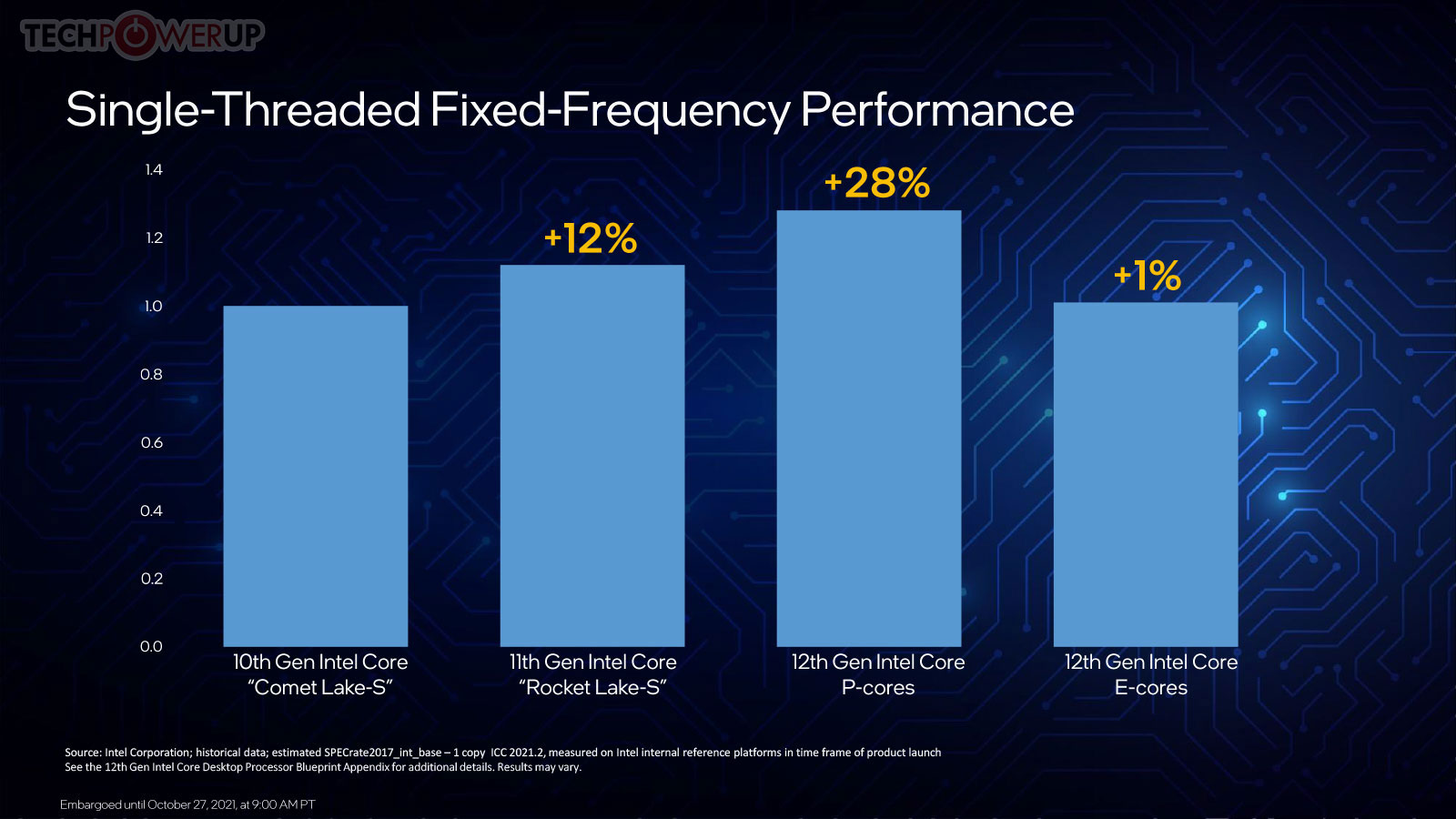
The core of the Intel 12th Gen review begins with its architectural shift. For over a decade, desktop processors relied on a uniform core design where every core was identical. With the 12th Gen, Intel moved to a Performance Hybrid Architecture. This design utilizes two distinct types of cores built on the Intel 7 process (formerly known as 10nm Enhanced SuperFin).
P-Cores (Performance Cores)
The P-cores, based on the Golden Cove microarchitecture, are designed for raw power. These cores handle "heavy" tasks that require high clock speeds and low latency, such as gaming, 3D rendering, and active video editing. They support Hyper-Threading, allowing each core to handle two processing threads simultaneously.
E-Cores (Efficient Cores)
The E-cores use the Gracemont microarchitecture. These are smaller, simpler cores that lack Hyper-Threading. Their purpose is twofold: they handle background tasks (like Windows updates, browser tabs, or Discord) to keep the P-cores free for the main application, and they provide massive multi-threaded throughput for tasks like video encoding.
Intel Thread Director
To manage this complex split, Intel introduced the Thread Director. This is a hardware-level microcontroller that communicates directly with the Windows 11 operating system. It provides real-time feedback to the OS scheduler, ensuring that a demanding game stays on the P-cores while a background virus scan is relegated to the E-cores. Without this hardware-software synergy, the hybrid design would often stutter or misallocate resources.
Key Processor Models: The "12" Series Breakdown
When analyzing a 12 intel 12th gen review, three specific models stand out as the pillars of the lineup. Each serves a different market segment, and their performance profiles have aged remarkably well by 2026 standards.
Intel Core i9-12900K: The Flagship
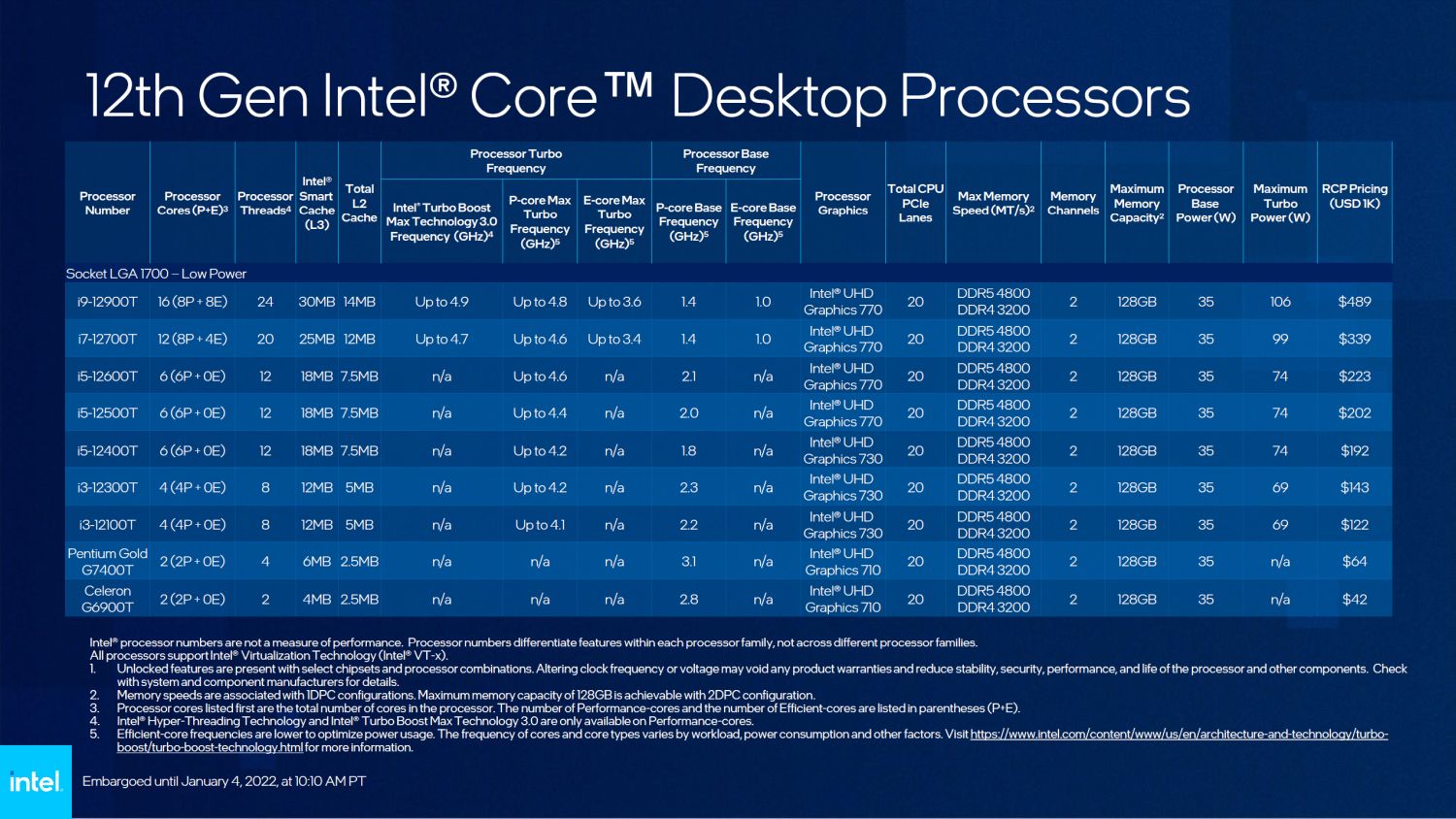
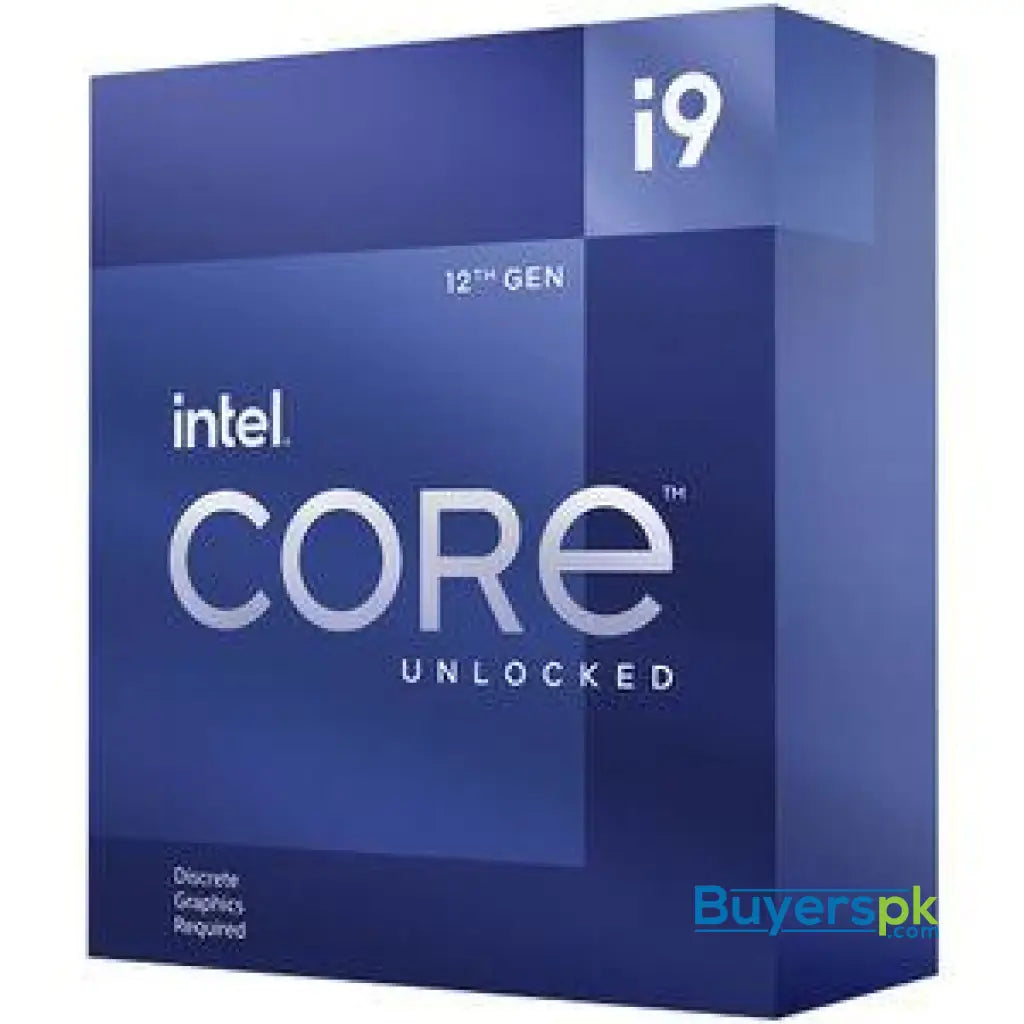
The i9-12900K features 16 cores (8P + 8E) and 24 threads. At its launch, it was the undisputed king of gaming. In 2026, it serves as an excellent high-end option for users who find modern "Ultra" series chips too expensive. It remains a powerhouse for 4K video editing and complex CAD work, though it requires substantial cooling solutions due to its high Power Limit 2 (PL2) ratings.
Intel Core i7-12700K: The Balanced Performer
Many enthusiasts consider the i7-12700K the "sweet spot" of the 12th Gen. With 12 cores (8P + 4E) and 20 threads, it offers nearly the same gaming performance as the i9 but at a significantly lower price point and with more manageable thermals. For most users in 2026, the i7-12700K provides a level of responsiveness that is indistinguishable from newer chips in daily office and creative tasks.
Intel Core i5-12600K: The Value King
The i5-12600K was the first i5 to feature the hybrid architecture, offering 10 cores (6P + 4E) and 16 threads. Even five years after its release, it remains a go-to recommendation for mid-range gaming builds. Its ability to maintain high frame rates in modern titles while multitasking is a testament to the longevity of the Golden Cove architecture.
| Feature | Core i5-12600K | Core i7-12700K | Core i9-12900K |
|---|---|---|---|
| Total Cores (P+E) | 10 (6+4) | 12 (8+4) | 16 (8+8) |
| Total Threads | 16 | 20 | 24 |
| Max Turbo Frequency | 4.9 GHz | 5.0 GHz | 5.2 GHz |
| L3 Cache | 20 MB | 25 MB | 30 MB |
| Processor Base Power | 125 W | 125 W | 125 W |
| Max Turbo Power | 150 W | 190 W | 241 W |
| Memory Support | DDR4/DDR5 | DDR4/DDR5 | DDR4/DDR5 |
Platform and Connectivity: The LGA 1700 Legacy
A critical part of any 12 intel 12th gen review is the platform it sits on. The 12th Gen introduced the LGA 1700 socket and the 600-series chipsets (Z690, H670, B660, H610). This platform was revolutionary because it offered a bridge between two eras of memory technology.
Dual Memory Support: DDR4 vs. DDR5
Intel 12th Gen was the first consumer platform to support DDR5 memory. However, realizing that DDR5 would be expensive at launch, Intel kept support for DDR4. In 2026, this remains a massive advantage for the 12th Gen. Users can find deeply discounted Z690 or B660 motherboards that use cheap DDR4 RAM, making it one of the most cost-effective ways to build a high-performance PC today. Alternatively, enthusiasts can opt for DDR5-compatible boards to take advantage of the higher bandwidth required by modern data-heavy applications.
PCIe 5.0 Integration
The 12th Gen also brought PCI Express 5.0 to the mainstream. While GPUs in the early 2020s didn't fully utilize this bandwidth, the advent of high-speed PCIe 5.0 NVMe SSDs in 2026 means that 12th Gen users can still benefit from the latest storage speeds. This "future-proofing" is one reason why the 12th Gen has remained relevant longer than previous generations like the 10th or 11th.
Gaming Performance and Real-World Usage
In 2026, the gaming landscape has shifted toward higher resolutions and more complex AI-driven physics. The Intel 12th Gen continues to hold its own. Because most games still rely heavily on the performance of the first few "primary" cores, the high clock speeds and IPC (Instructions Per Cycle) of the Golden Cove P-cores ensure that these CPUs do not bottleneck mid-to-high-end graphics cards.
In titles like Cyberpunk 2077 or later open-world simulations, the i7-12700K and i9-12900K maintain stable 1% low frame rates, which is crucial for a smooth experience. The E-cores prove their worth by handling streaming software (like OBS) or browser-based overlays in the background, preventing the frame stutters that used to plague older quad-core or even hex-core processors.
For productivity, the 12th Gen is a workhorse. In Adobe Creative Cloud suites, the hybrid architecture allows for seamless background rendering. A user can export a 4K video file using the E-cores and the integrated QuickSync engine while simultaneously working on a Photoshop project using the P-cores.
Power Consumption and Thermal Management
If there is a caveat in this review, it is the energy requirement of the high-end chips. The i9-12900K, in particular, can draw upwards of 241 watts under heavy load. In 2026, where energy efficiency has become a greater focus for newer CPU generations, the 12th Gen chips are seen as somewhat "power-hungry."
To get the most out of a 12th Gen i7 or i9, a high-quality AIO (All-In-One) liquid cooler or a massive dual-tower air cooler is mandatory. Users opting for the i5-12600K have more flexibility, but even that chip can get warm during extended gaming sessions. Furthermore, the LGA 1700 socket was known for slight mounting pressure issues, which many users in 2026 have solved by using aftermarket "contact frames" to ensure the CPU remains flat against the cooler's baseplate.
Comparative Value: 12th Gen vs. Modern Alternatives
By 2026, Intel has released several subsequent generations, and AMD has matured its AM5 platform. So, where does the 12th Gen fit?
- Vs. Intel 13th/14th Gen: The 13th and 14th Gen are essentially refinements of the 12th Gen architecture with more E-cores and higher clocks. While they are faster, the performance gap in gaming is often less than 15%. For a budget builder, the 12th Gen offers about 90% of the performance for 60% of the price on the used or clearance market.
- Vs. AMD Ryzen 7000/9000 Series: AMD's AM5 platform offers longer-term socket support, but Intel’s 12th Gen provides a lower entry cost because of DDR4 compatibility. For a user who doesn't plan on upgrading their CPU every two years, a 12th Gen system is often the more economical choice.
- Vs. Intel Core Ultra (Series 2+): The newest 2026 chips focus heavily on NPU (Neural Processing Unit) integration for local AI. If you don't require specialized AI acceleration for your workflow, the 12th Gen's traditional raw horsepower remains perfectly adequate for standard computing.
Common Troubleshooting and Optimization Tips
Despite its age, the 12th Gen platform is stable, but there are specific configurations to keep in mind:
- Windows 11 is Mandatory: While 12th Gen can run on Windows 10, the older OS does not have the updated scheduler to handle the Thread Director properly. This can lead to games accidentally running on the slower E-cores. To avoid performance degradation, use Windows 11.
- BIOS Updates: Early 600-series motherboards had bugs regarding DDR5 stability and PCIe 5.0 compatibility. Ensure your motherboard BIOS is updated to the latest 2026 version to maximize stability.
- Power Limits: Many motherboards default to "Unlimited" power limits for the i9-12900K. Manually setting the PL1 and PL2 limits to Intel’s recommended specifications can significantly reduce temperatures with only a negligible hit to performance.
Final Recommendations for 2026
The Intel 12th Gen remains a landmark series. In 2026, it is no longer the "bleeding edge," but it has transitioned into the "best value" category.
- For Gamers: Seek out a Core i5-12600K or i7-12700K. Pair it with a B660 motherboard and 32GB of DDR4-3600 RAM for a high-performance system that rivals modern consoles and mid-range 2026 PCs.
- For Content Creators: The i9-12900K is still a formidable chip for multi-threaded work. If you can find one at a clearance price, it offers professional-grade performance for a fraction of the cost of a workstation-class CPU.
- For Budget Builders: The Core i3-12100 (though not a "12" series hybrid) is often the cheapest way to enter the modern x86 ecosystem, providing excellent single-core speed for daily tasks.
Frequently Asked Questions
Does Intel 12th Gen support AVX-512? Originally, the P-cores on Alder Lake supported AVX-512, but it was disabled by Intel via BIOS updates to maintain feature parity with the E-cores (which do not support it). In 2026, unless you are using a very specific early-launch motherboard and an unpatched BIOS, AVX-512 is not available on these chips.
Can I use a 12th Gen CPU on a Z790 motherboard? Yes. The LGA 1700 socket is shared across the 12th, 13th, and 14th generations. A 12th Gen CPU will work perfectly in a Z790 or B760 motherboard, often benefiting from the improved power delivery and better memory traces of the newer boards.
Is DDR5 worth the extra cost for a 12th Gen build in 2026? By 2026, DDR5 prices have reached parity with DDR4. If you are buying new, go with a DDR5 motherboard. However, if you are repurposing old RAM or finding a used deal, the performance difference in gaming with DDR4 is relatively small (typically 3–8%).
How does the i7-12700K compare to modern "Core Ultra" chips in 2026? Modern Core Ultra chips generally offer better power efficiency and significantly stronger integrated graphics (iGPUs) with AI acceleration. However, in raw CPU-bound tasks like compiling code or gaming at 1440p, the i7-12700K remains within striking distance of newer mid-range chips.
Do I need a special bracket for my cooler? Yes, the LGA 1700 socket has different dimensions than the older LGA 1200. Most coolers sold between 2022 and 2026 include the necessary bracket, but if you are reusing an older cooler, you will likely need to contact the manufacturer for an LGA 1700 mounting kit.