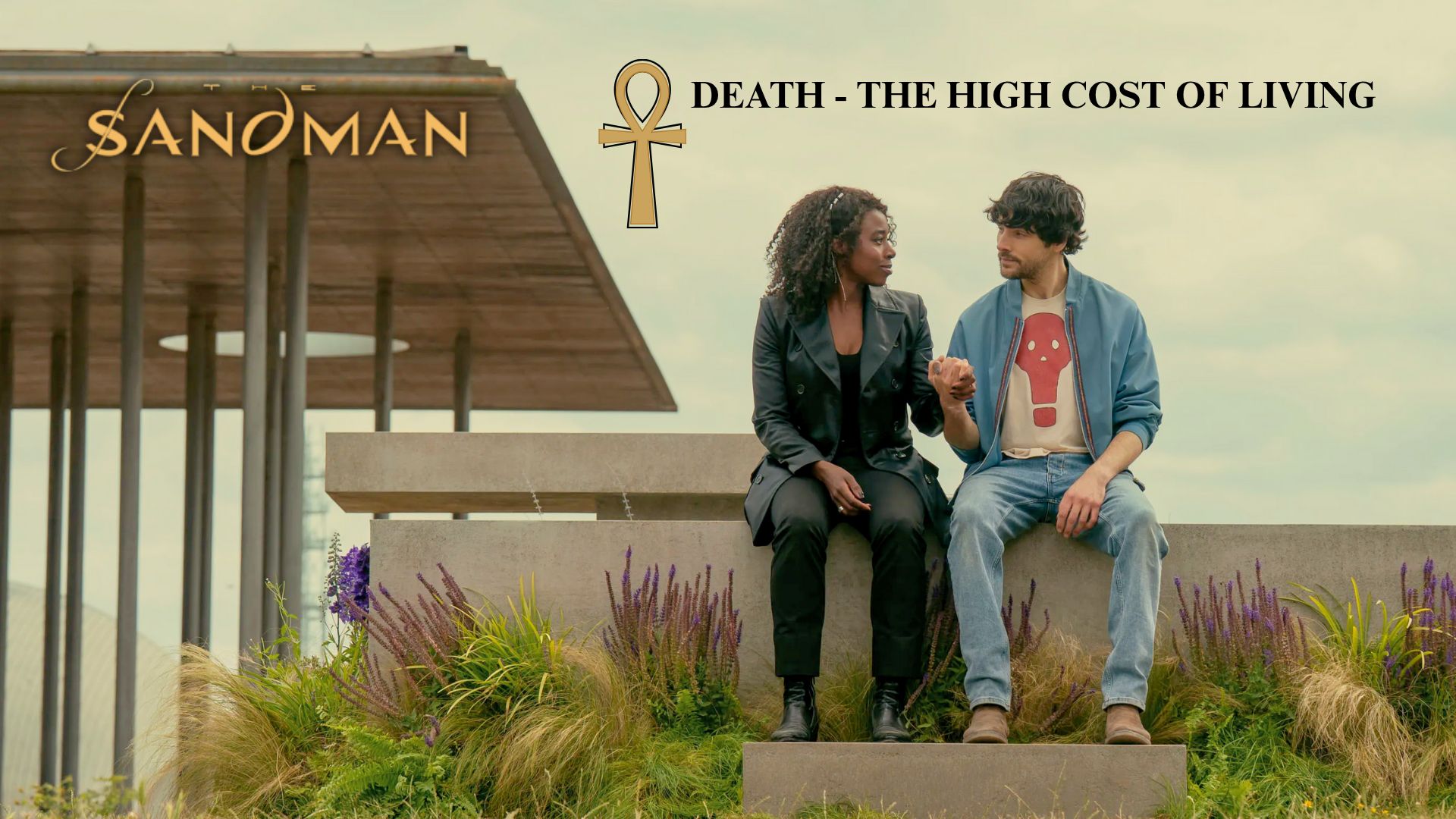
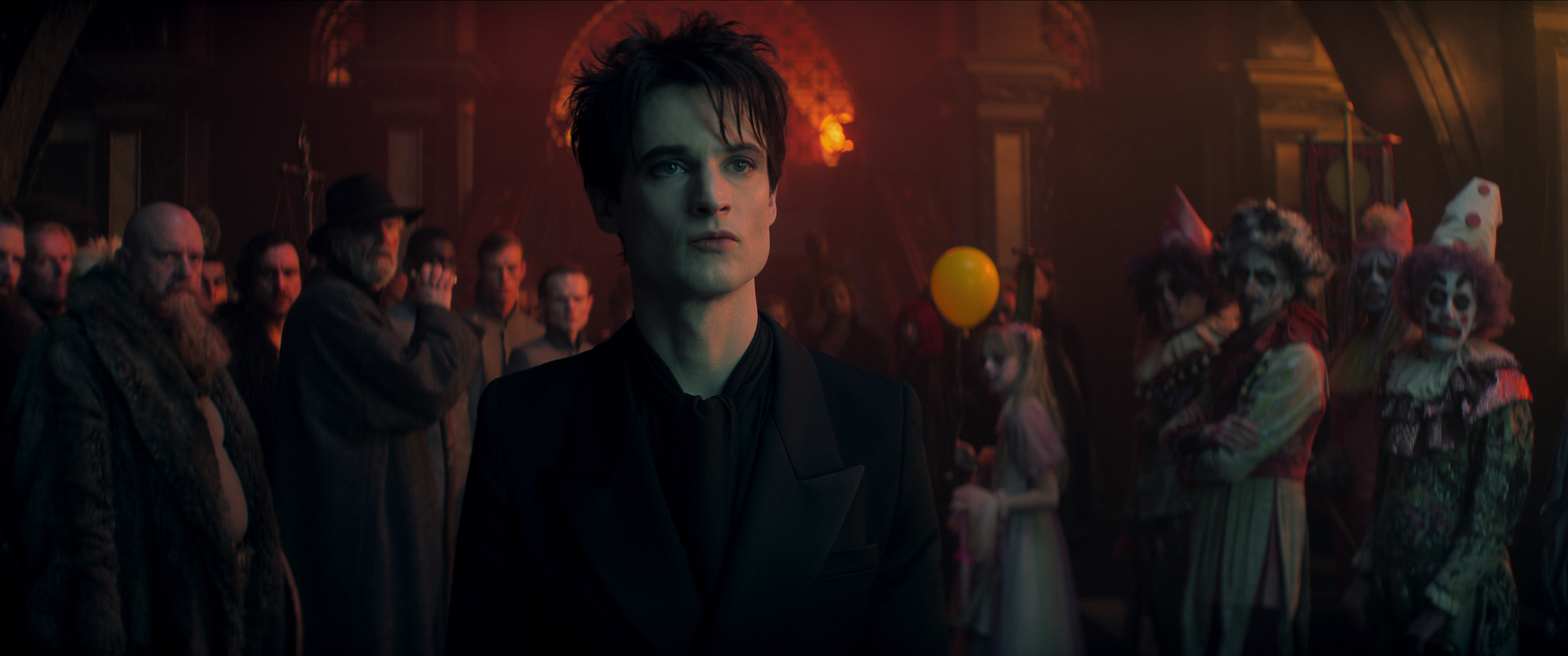
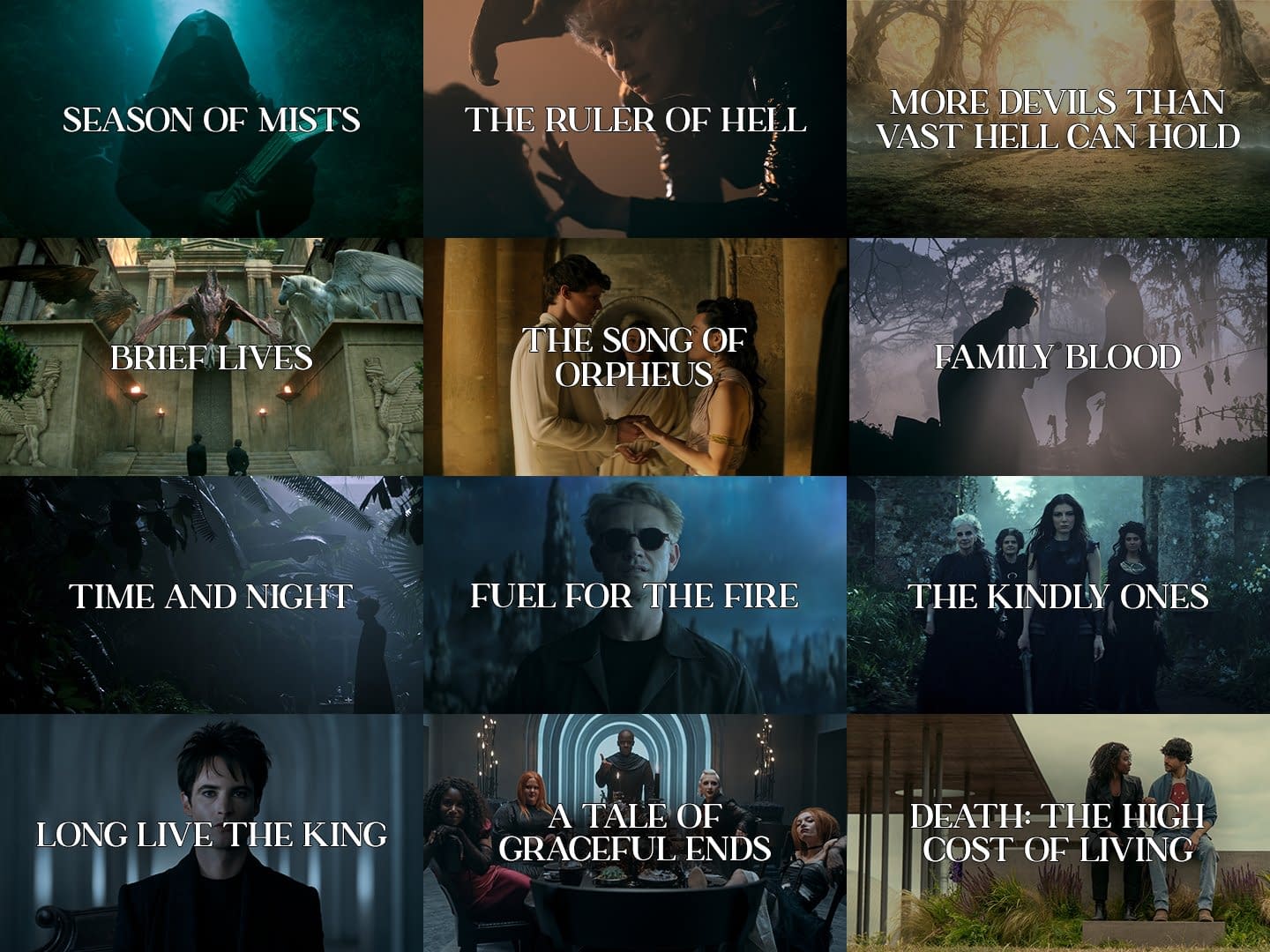
The primary insight surrounding The Sandman Season 2 bonus episode centers on its distinct structural role as a bridge narrative, designed to adapt Neil Gaiman’s complex interlude stories from the comic source material while expanding the mythology of the Endless outside the primary seasonal arc.
As streaming television continues to evolve, serialized storytelling frequently experiments with non-traditional episode orders, mid-season breaks, and supplementary chapters. When Netflix confirmed the continuation of its screen adaptation of Neil Gaiman's seminal DC/Vertigo comic book series The Sandman, anticipation immediately turned toward how the sprawling, multi-era narrative would handle its famous standalone issues. The announcement of a dedicated bonus episode for Season 2 represents a vital creative choice. Understanding this specific insight requires examining the structural mechanics of the source material, the production logistics of modern fantasy television, and how serialized adaptations balance epic arcs with intimate, standalone storytelling.
The Structural Challenge of Adapting The Sandman
Adapting a foundational graphic novel series like The Sandman presents unique narrative challenges that differ significantly from standard serialized dramas. Written by Neil Gaiman and illustrated by a rotating roster of visionary artists between 1989 and 1996, the original comic book series famously alternated between sweeping epic storylines—such as The Doll's House and Season of Mists—and self-contained, standalone issues. These standalone tales often explored historical eras, mythological backstories, or the quiet, mundane lives of ordinary humans touched by the Endless.
In traditional television writing, maintaining a continuous narrative momentum is paramount to retaining viewer engagement across a multi-episode drop. Inserting standalone stories directly into the primary chronological sequence of a television season can disrupt pacing, leaving viewers who are invested in the main cliffhangers frustrated by sudden detours into historical or philosophical vignettes.
By utilizing a designated bonus episode format for Season 2, the production team solves this structural dilemma. This approach allows the series to honor the episodic nature of the comic books without stalling the momentum of the primary seasonal arc. It serves as an isolated narrative sandbox where characters can be explored in greater depth, unburdened by the overarching pressures of the main antagonist conflicts.
Source Material Context: Why Standalone Stories Matter
To fully appreciate the weight of a bonus episode in The Sandman universe, one must look closely at how Gaiman utilized standalone issues in the source material. Issues like "A Dream of a Thousand Cats," "Calliope," or historical snapshots like "Thermidor" and "August" were never mere filler; they served as thematic counterweights to the grand cosmic suffering of Morpheus (Dream of the Endless).
These stories establish the vast scale of Dream's influence, demonstrating how the anthropomorphic personification of dreams affects not just mortals, but animals, gods, and historical figures across millennia. When the television adaptation isolates these narratives into a bonus episode format, it preserves the thematic integrity of the comic books.
Key Characteristics of Sandman Interlude Stories
- Thematic Resonance: They often explore the consequences of human ambition, grief, and creativity rather than physical combat or magic system mechanics.
- Geographical and Temporal Fluidity: Stories easily jump from ancient Greece to Renaissance France or contemporary suburban settings.
- Ensemble Focus: They regularly push Morpheus to the periphery, allowing supporting characters like Hob Gadling, Death, or Desire to take center stage.
Production Logistics and Release Strategy
The decision to produce and frame content specifically as a "bonus episode" also highlights shifting distribution strategies in the streaming era. While Season 1 famously surprised audiences with a 11th-hour drop of a double-feature bonus episode adapting "Dream of a Thousand Cats" and "Calliope," Season 2 integrates this concept more intentionally into its rollout plan.
Production on fantasy series of this magnitude involves extensive visual effects, complex world-building, and intricate costume design. Standalone bonus episodes often require unique set designs, distinct historical periods, and specialized casts that do not overlap with the primary season's standing sets and recurring actors. Consequently, budgeting and scheduling these episodes requires careful pre-planning during principal photography.
Production and Distribution Comparison
| Feature | Primary Season Episodes | Bonus Episode Format |
|---|---|---|
| Narrative Focus | Continuous serialized arc involving main conflicts and antagonists. | Standalone vignettes, historical deep-dives, or comic book interludes. |
| Pacing | Fast-paced, high-stakes progression designed for binge-watching. | Pacing varies; often slower, more atmospheric, and philosophical. |
| Character Presence | Morpheus and core Endless members anchor every scene. | Can heavily feature historical figures, mortals, or minor immortals. |
| Production Constraints | Relies heavily on recurring standing sets and main cast rosters. | Often demands entirely new historical periods, transient casts, and specialized VFX. |
Narrative Expansion and Mythology Building
The single most important insight regarding the bonus episode is its function as a mythos-expansion tool. In The Sandman universe, the world does not pause simply because the Lord of Dreams is occupied with his primary duties. The bonus episode format offers creators the freedom to explore the wider cosmos of the Endless without rushing the pacing of major storylines like the Season of Mists or The Kindly Ones.
This narrative breathing room is essential for comic book adaptations. Fans often express concern that complex source material will be truncated or rushed to fit standard television episode counts. By carving out dedicated space for bonus content, the creative team signals a commitment to fidelity, ensuring that beloved fan-favorite stories that do not fit neatly into the main plotline still find a home on screen.
Frequently Asked Questions
Do I need to watch the bonus episode to understand The Sandman Season 2?
No. By definition, a bonus or interlude episode is structured to be supplementary. While it enriches the viewing experience and expands the lore of the universe, the core narrative of Season 2 remains fully comprehensible without it.
Are bonus episodes released at the same time as the main season?
Release schedules vary by streaming platform and production logistics. While surprise drops have occurred in the past, designated bonus episodes are sometimes scheduled as mid-season treats or post-season epilogues to maintain audience engagement.
Which comic issues are typically adapted in Sandman bonus episodes?
Adaptations focus on standalone single-issue stories from the original graphic novels that explore historical settings, mythological encounters, or philosophical themes outside the primary multi-issue story arcs.
How does the visual style of a bonus episode differ from the main series?
Because standalone stories often take place in different historical eras or distinct dream realms, the visual palette, costume design, and cinematography frequently shift to reflect the specific tone of the individual comic issue being adapted.
Practical Recommendations for Viewers
To get the most out of The Sandman Season 2 and its supplementary content, viewers should approach the series with an appreciation for its episodic roots. Rather than viewing the bonus episode as an unnecessary interruption to the main plot, treat it as a companion piece designed to slow down the pace and explore the philosophical depths of Gaiman's universe. Fans unfamiliar with the source material may also benefit from reading the corresponding graphic novel issues after watching the episode to appreciate how faithfully the adaptation translates page to screen.