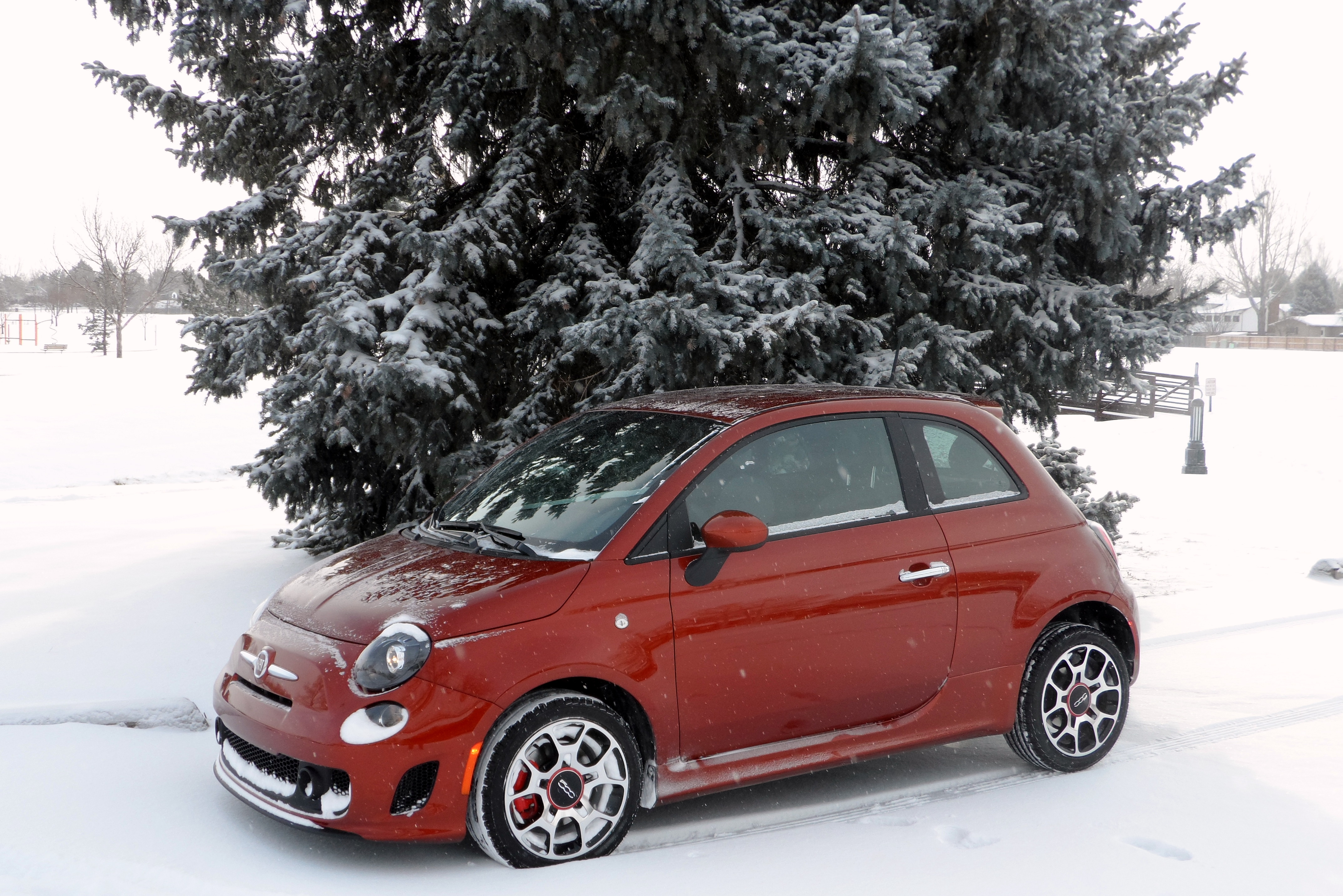
The Fiat 500 Turbo offers a refined balance between the base Fiat 500’s iconic, compact aesthetic and the high-output performance characteristics of the Abarth variant. Engineered to provide an engaging driving experience without the aggressive track-oriented harshness of its performance-tuned siblings, the Turbo trim remains a distinct choice for drivers seeking highway-capable power, nimble urban handling, and a classic European design language within the North American subcompact market.
Understanding the Fiat 500 Turbo Placement
To understand the Fiat 500 Turbo, one must look at the hierarchy of the Fiat 500 lineup during its primary production cycle in North America. The model was strategically positioned to bridge the gap between the efficiency-focused "Pop" and "Lounge" trims and the high-performance Abarth. While the base 1.4-liter MultiAir engine provided modest power for city commuting, the addition of a turbocharger significantly altered the vehicle's output and mid-range torque, transforming the driving dynamic from utilitarian to spirited.
The Turbo trim effectively introduced buyers to the benefits of forced induction without the track-heavy suspension geometry or the louder, more intrusive exhaust note characteristic of the Abarth. It was designed for the daily commuter who desired the ability to pass comfortably at highway speeds and enjoy a responsive pedal feel while maintaining the structural integrity and interior comfort of a premium-trim 500.
Technical Specifications and Engine Dynamics
At the heart of the Fiat 500 Turbo is the 1.4-liter MultiAir Turbo engine. This powerplant utilizes a single turbocharger to force more air into the engine, significantly increasing both horsepower and torque compared to the naturally aspirated variants.
- Engine Displacement: 1.4-liter, 4-cylinder MultiAir Turbo.
- Horsepower: 135 hp @ 5,500 rpm.
- Torque: 150 lb-ft @ 2,500–4,000 rpm.
- Induction System: Turbocharged with an air-to-air intercooler.
The MultiAir technology is a critical component of this engine’s operation. Instead of a traditional throttle plate, the system uses an electro-hydraulic valve actuation system to control the intake of air, which allows for more precise combustion control, improved torque delivery, and optimized fuel efficiency under varying load conditions. For the driver, this translates into a noticeable "punch" in the mid-range—exactly where most driving, such as accelerating onto a freeway or overtaking, occurs.
Exterior and Interior Design Evolution
The exterior of the Fiat 500 Turbo is distinguished by subtle yet intentional design choices that separate it from the standard models. The front fascia is more aggressive, featuring larger air intakes to facilitate the cooling requirements of the turbocharger and intercooler. The rear bumper also received styling updates to house the performance-tuned exhaust system, creating a more cohesive look that leans toward the sportier side of the spectrum.
Inside, the cabin maintains the 500’s signature retro-modern aesthetic but incorporates features tailored to the driving experience. Depending on the specific model year, you will find:
- Sport-bolstered seating: Designed to provide additional lateral support during spirited cornering.
- Leather-wrapped steering wheel: Often featuring integrated audio and cruise controls for improved ergonomics.
- Unique Trim Accents: Specialized gear shifters and gauge cluster configurations that provide a distinct feel compared to the entry-level interiors.
Despite the focus on performance, the interior retains the full suite of connectivity options, including the Uconnect infotainment system, which provides essential integration for navigation, communication, and media management.
Performance Comparison: Turbo vs. Competition
When evaluating the Fiat 500 Turbo against its contemporaries, it is helpful to compare it against both the standard 500 and the high-output Abarth variant. The following table illustrates the key performance differences that define these models.
| Feature | Fiat 500 (Base) | Fiat 500 Turbo | Fiat 500 Abarth |
|---|---|---|---|
| Engine | 1.4L MultiAir (NA) | 1.4L MultiAir Turbo | 1.4L MultiAir Turbo |
| Horsepower | 101 hp | 135 hp | 160 hp |
| Torque | 98 lb-ft | 150 lb-ft | 170 lb-ft |
| Suspension | Comfort-tuned | Sport-tuned | Track-tuned |
| Exhaust | Standard | Performance-tuned | Dual-tip Abarth Sound |
As shown, the Turbo occupies a "Goldilocks" position. It provides a 34% increase in horsepower over the base model, significantly improving the vehicle’s versatility for long-distance travel, while softening the aggressive ride quality of the Abarth.
Practical Considerations: Maintenance and Ownership
Ownership of a turbocharged vehicle requires a slightly more disciplined approach to maintenance compared to a naturally aspirated engine. Because the turbocharger operates at high speeds and high temperatures, the quality and longevity of the engine oil are paramount.
Oil Requirements
The MultiAir system and the turbocharger are highly sensitive to oil viscosity and contaminants. It is recommended to adhere strictly to the manufacturer-specified synthetic oil, as it provides the necessary heat resistance and lubricity to prevent sludge buildup. Delaying oil changes in a turbocharged Fiat 500 can lead to premature failure of the turbo bearings or clogging of the small oil feed lines that service the MultiAir brick.
Turbo Cool-Down
While modern automotive cooling systems are highly efficient, it remains a best practice to avoid immediate engine shut-off after high-load driving. Allowing the engine to idle for 30 to 60 seconds after a spirited drive ensures that oil continues to circulate through the turbocharger while it is at its highest operating temperature, preventing the oil from "coking" inside the turbo housing.
Fuel Quality
While many manufacturers state that their engines can run on regular unleaded fuel, the Fiat 500 Turbo performs best with higher-octane fuel. High-octane fuel reduces the risk of pre-ignition (knocking) under boost, allowing the engine’s electronic control unit to maintain optimal ignition timing for maximum efficiency and power output.
Handling and Urban Versatility
The Fiat 500 Turbo shines in urban environments. Its short wheelbase, combined with the "Sport" mode button found in many trims, makes it an excellent candidate for dense city navigation. When "Sport" mode is engaged, the steering weight increases, and the throttle mapping becomes more aggressive, providing instant feedback for quick maneuvers in traffic.
However, potential owners should recognize that the short wheelbase can result in a more "bouncy" ride over uneven pavement compared to longer sedans. This is not a defect but a characteristic of the vehicle's footprint. The sport-tuned suspension on the Turbo model helps mitigate body roll, providing a confident feeling in corners that the base model lacks.
Frequently Asked Questions
Is the Fiat 500 Turbo reliable for a daily driver?
Yes, the Fiat 500 Turbo is generally considered a capable daily driver. By using standard maintenance protocols—specifically timely oil changes with the correct synthetic oil—most owners find the vehicle to be reliable for commuting. It provides more power for highway merging than the non-turbo version without the extreme maintenance demands often associated with pure sports cars.
How does the Turbo trim differ from the Abarth?
The primary differences are in suspension tuning, interior appointments, and power output. The Abarth features a stiffened, lowered suspension and a unique high-flow exhaust system that is significantly louder than the Turbo’s. The Turbo is a "street-friendly" performance trim, whereas the Abarth is built with track-day enthusiasts in mind.
Can the Fiat 500 Turbo handle long-distance road trips?
Absolutely. The additional torque provided by the turbocharger allows the car to maintain speed on inclines and pass other vehicles with ease, which are common pain points for the naturally aspirated 500. The seating position and interior ergonomics are designed for long-term comfort, provided the driver is comfortable with the vehicle’s compact dimensions.
What is the most important maintenance task for this engine?
The most critical task is adherence to the manufacturer’s oil change interval using the exact synthetic oil specification. Because the MultiAir system uses oil pressure to actuate the intake valves, any degradation in oil quality directly affects engine performance, fuel economy, and long-term durability.
Does the Fiat 500 Turbo require premium fuel?
While the vehicle is designed to operate on standard unleaded fuel, using premium (91+ octane) fuel is recommended for optimal performance. Higher octane fuel prevents engine knock under high-boost conditions, ensuring the engine operates as intended by the engineers, especially during hot weather or heavy acceleration.
Recommendation for Prospective Owners
If you are considering a Fiat 500 Turbo in 2026, focus your search on well-documented examples that show clear evidence of regular, documented synthetic oil changes. This vehicle is best suited for drivers who enjoy a tactile, engaging driving experience but need a car that can handle a variety of conditions, from crowded urban streets to open highway stretches.
When inspecting a potential purchase, take the vehicle for a test drive that includes a merge onto a highway. The transition from a standing stop to highway speeds is where you will best be able to assess the turbocharger’s health and the car’s overall responsiveness. Ensure the transmission shifts smoothly and the engine displays consistent power delivery across the rev range. If you find the ride of the Abarth too harsh for your daily needs, the Turbo remains the premier choice within the Fiat 500 ecosystem for balancing performance and daily usability.