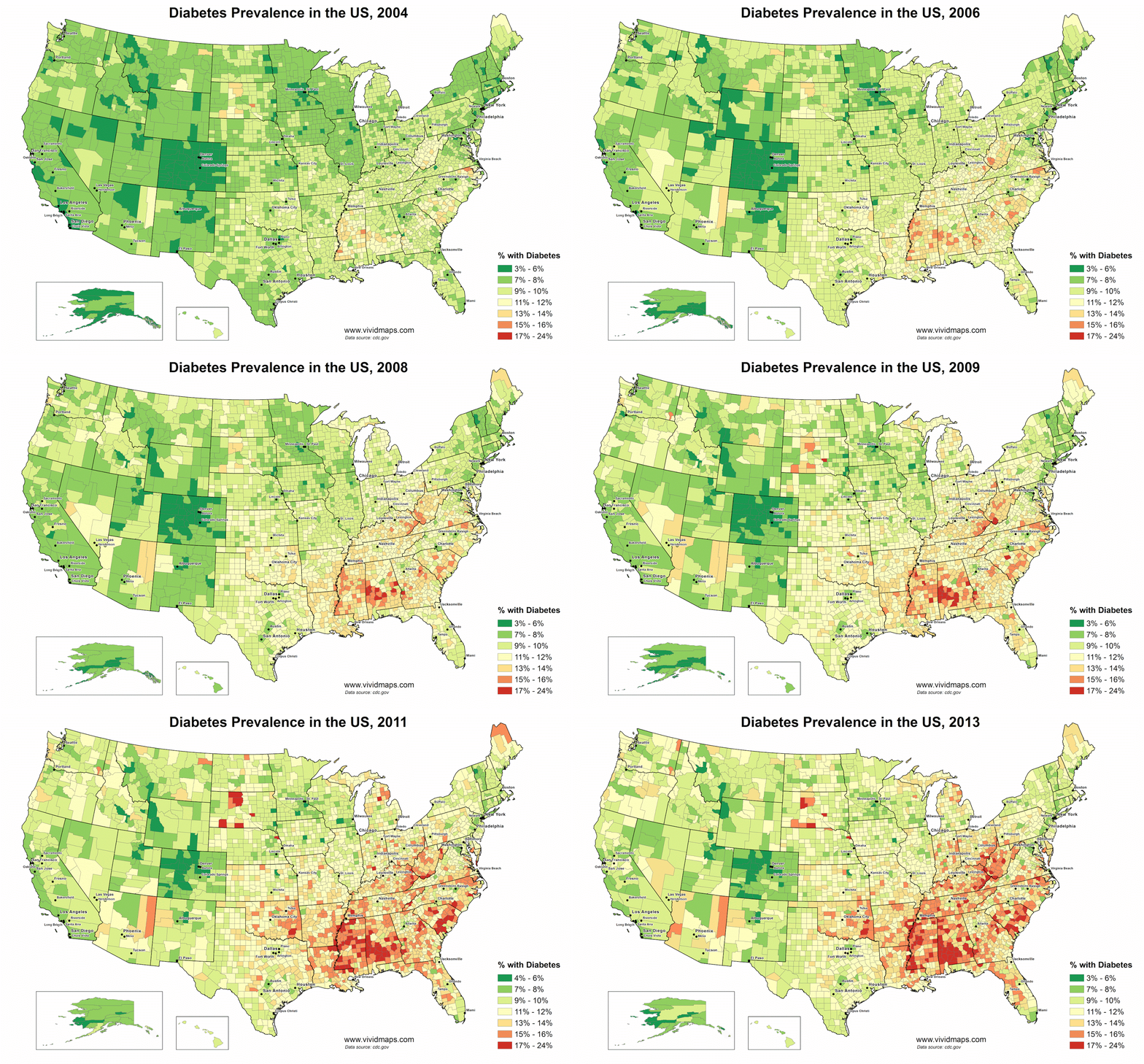
The epidemiology of type 2 diabetes in the United States encompasses the study of the distribution, patterns, and risk factors of the condition across diverse populations, revealing a persistent public health challenge driven by aging demographics, rising obesity rates, and deep-seated health disparities.
Introduction to Type 2 Diabetes Epidemiology
Epidemiology serves as the foundational lens through which public health officials, clinicians, and researchers understand the burden of disease within a population. In the United States, type 2 diabetes represents one of the most significant and costly chronic disease epidemics of the modern era. The study of its distribution, determinants, and temporal trends provides critical data for resource allocation, preventative policy formulation, and clinical guideline updates.
Understanding this landscape requires examining how the disease spreads across different age groups, racial and ethnic demographics, and socioeconomic strata. Because type 2 diabetes is heavily influenced by environmental, behavioral, and genetic factors, epidemiological surveillance must continuously adapt to shifting lifestyle patterns and healthcare access across the country.
Prevalence and Incidence Trends
The prevalence of type 2 diabetes—the total number of existing cases within the population—has expanded dramatically over the past several decades. Surveillance data from public health monitoring institutions indicate that millions of Americans live with diagnosed or undiagnosed diabetes.
Incidence, which measures the rate of newly diagnosed cases each year, has stabilized in some adult cohorts due to increased awareness and early screening initiatives. However, it continues to climb in specific vulnerable populations, particularly among adolescents and young adults.
| Metric Category | Estimated US Population Impact | Primary Surveillance Source |
|---|---|---|
| Total Diagnosed and Undiagnosed Cases | Over 38 million individuals | Centers for Disease Control and Prevention |
| Prediabetes Prevalence | Approximately 98 million adults | National Health and Nutrition Examination Survey |
| Annual New Diagnoses | Over 1.2 million new cases annually | Behavioral Risk Factor Surveillance System |
The Silent Burden of Prediabetes
A critical component of diabetes epidemiology is the study of prediabetes, a condition characterized by blood glucose levels higher than normal but not yet high enough to be classified as type 2 diabetes. Epidemiological studies demonstrate that a vast portion of the adult population meets the criteria for prediabetes, serving as a massive reservoir for future incident cases of type 2 diabetes if targeted lifestyle or pharmacological interventions are not implemented.
Key Risk Factors and Determinants
The etiology of type 2 diabetes involves a complex interplay of non-modifiable and modifiable risk factors. Epidemiological investigations consistently identify specific determinants that elevate an individual's probability of developing the disease.
Non-Modifiable Risk Factors
- Age: The risk of developing type 2 diabetes increases significantly with age, particularly after the age of 45, due to progressive age-related beta-cell dysfunction and insulin resistance.
- Genetics and Family History: Individuals with a first-degree relative—such as a parent or sibling—diagnosed with type 2 diabetes face a substantially elevated lifetime risk.
- Race and Ethnicity: Epidemiological data show a disproportionate burden among American Indian and Alaska Native, non-Hispanic Black, Hispanic or Latino, and Asian American populations compared to non-Hispanic white populations.
Modifiable Risk Factors
- Overweight and Obesity: Excess adiposity, particularly visceral fat accumulation, is the single most powerful modifiable risk factor, driving peripheral insulin resistance.
- Physical Inactivity: Sedentary lifestyles reduce glucose uptake in skeletal muscle and impair metabolic efficiency.
- Dietary Patterns: Diets high in refined sugars, processed meats, and trans fats correlate strongly with increased diabetes incidence.
Disparities and Socioeconomic Influences
Epidemiological research in the United States highlights stark health inequities linked to socioeconomic status, geographic location, and systemic barriers to care. The burden of type 2 diabetes is not distributed evenly across the national landscape.
Individuals living in lower-income neighborhoods often experience limited access to affordable fresh produce, safe spaces for physical exercise, and high-quality preventative healthcare services—a collection of challenges frequently referred to as living in a food desert or medically underserved area. Furthermore, uninsured or underinsured populations face higher rates of delayed diagnosis, which directly correlates with an increased frequency of acute and chronic complications.
Public Health Implications and Economic Impact
The macroeconomic and societal costs associated with the epidemiology of type 2 diabetes in the United States are immense. Direct medical expenditures for managing diabetes and its associated complications—including cardiovascular disease, chronic kidney disease, neuropathy, and retinopathy—account for a massive share of national healthcare spending.
Beyond direct medical costs, indirect expenses such as lost productivity, disability, and premature mortality place a heavy strain on the workforce and economic infrastructure. Consequently, public health strategies increasingly focus on primary prevention, early screening, and community-level interventions designed to halt the progression from prediabetes to overt type 2 diabetes.
Frequently Asked Questions
What is the difference between diabetes incidence and prevalence?
Incidence refers to the number of newly diagnosed cases of type 2 diabetes during a specific time period, usually measured annually. Prevalence measures the total number of people in a given population who have the condition at a specific point in time, encompassing both long-standing and newly diagnosed cases.
Why are certain racial and ethnic groups more affected by type 2 diabetes?
The higher prevalence observed in specific racial and ethnic groups is driven by a complex combination of genetic predispositions, social determinants of health, historical inequities, differences in access to healthcare resources, and environmental stressors.
How does obesity drive the type 2 diabetes epidemic in the US?
Excess body weight, particularly visceral fat around abdominal organs, releases increased amounts of free fatty acids and inflammatory cytokines into the bloodstream. These molecules interfere with cellular insulin signaling pathways, leading to insulin resistance where the body's cells fail to respond effectively to insulin.
Is type 2 diabetes increasing among younger populations?
Yes, epidemiological surveillance indicates an alarming rise in the incidence of type 2 children, adolescents, and young adults. This trend is closely tied to rising pediatric obesity rates, intrauterine exposure to gestational diabetes, and increasingly sedentary lifestyles among youth.
Where can I find official statistical data on US diabetes trends?
The primary authority for tracking diabetes statistics in the United States is the Centers for Disease Control and Prevention (CDC), which publishes the comprehensive National Diabetes Statistics Report periodically based on data from major health surveys.
Next Steps and Actionable Guidance
For healthcare professionals, researchers, and public health advocates, addressing the epidemiological reality of type 2 diabetes requires translating data into targeted intervention. Clinicians should prioritize rigorous screening protocols for patients presenting with established risk factors, such as age over 35, overweight status, or a family history of metabolic disease. Communities must advocate for structural changes that promote active living and improve access to nutritious food options, ultimately working to bend the curve of this persistent national epidemic.