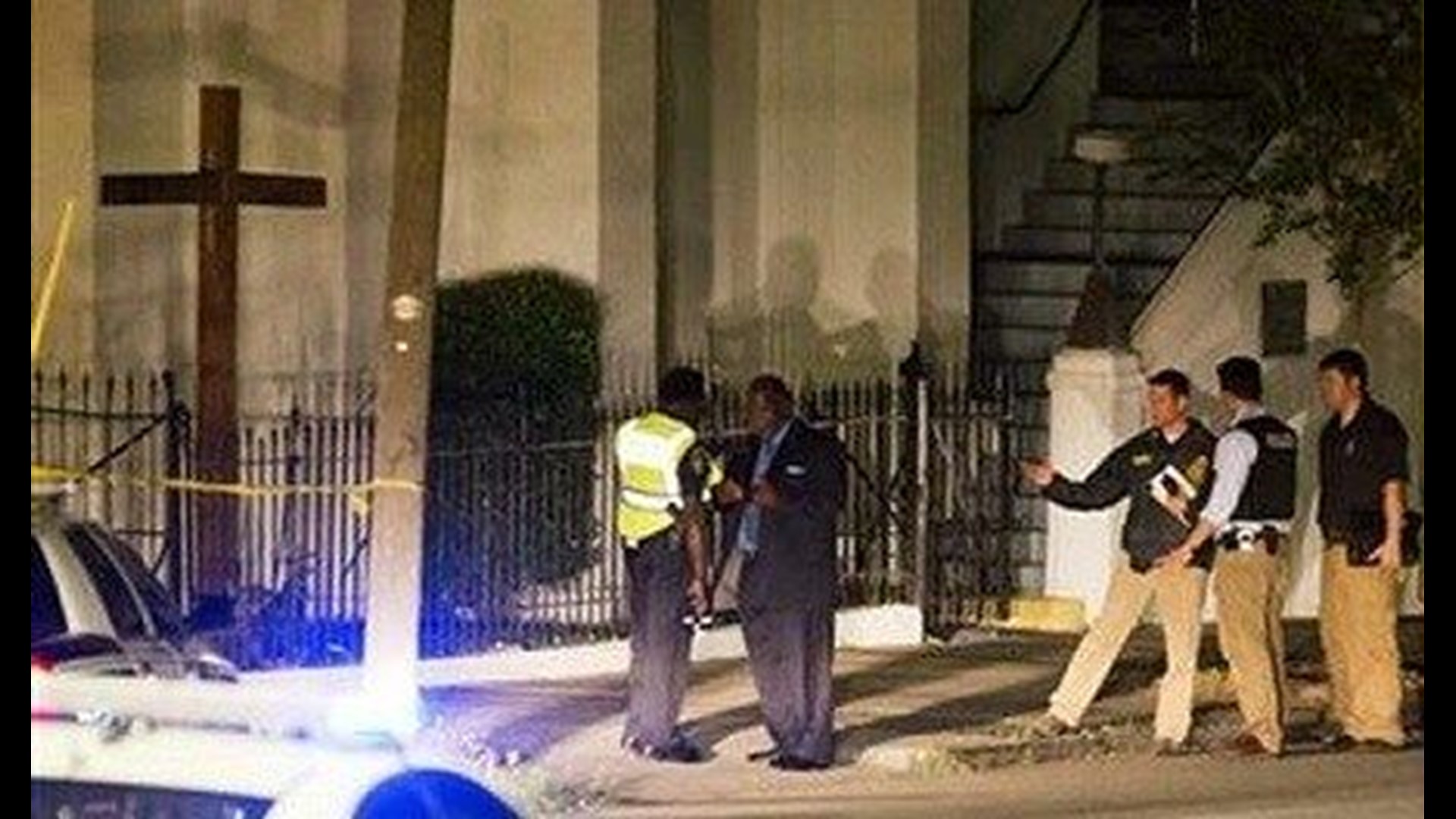
On June 17, 2015, a white supremacist opened fire during a Bible study at the Emanuel African Methodist Episcopal Church in Charleston, South Carolina, killing nine Black parishioners. As of 2026, this tragedy remains a defining moment in American history, influencing national discourse on hate crimes, gun legislation, and the preservation of racial justice.
The Historical Context of Mother Emanuel AME Church
To understand the weight of the tragedy, one must first understand the institution where it occurred. The Emanuel African Methodist Episcopal Church, often called Mother Emanuel, is the oldest AME church in the Southern United States. Founded in 1816, it has long served as a cornerstone of the African American community in Charleston and a symbol of resistance against systemic oppression.
The church’s history is inextricably linked to the fight for civil rights. In 1822, one of its founders, Denmark Vesey, was executed for allegedly planning a massive slave rebellion. In the aftermath, the church was burned to the ground, and South Carolina subsequently outlawed all-Black congregations. The members of Mother Emanuel continued to meet in secret until the end of the Civil War. During the 1960s, the church served as a headquarters for the Civil Rights Movement, hosting leaders like Dr. Martin Luther King Jr. and Coretta Scott King.
The 2015 shooting was not merely an attack on individuals; it was a targeted assault on an institution that represented Black resilience and political power. By choosing this specific location, the perpetrator sought to strike at the heart of Black history in the South.
The Events of June 17, 2015
The evening of June 17 began as a routine Wednesday night Bible study. Twelve people were in attendance in the lower-level fellowship hall of the church. At approximately 8:00 PM, 21-year-old Dylann Roof entered the building. Rather than immediately attacking, he sat with the congregation for nearly an hour, participating in the discussion of the scripture.
As the group closed their eyes in prayer, Roof began his attack. He targeted the attendees with a .45-caliber Glock 41 handgun, which he had legally purchased despite a prior drug arrest that should have flagged him during the background check process. During the shooting, he reportedly shouted racial slurs and stated that he was there to kill Black people.
Three people survived the attack: Polly Sheppard, whom the gunman intentionally left alive to tell the story; Felicia Sanders, who survived by shielding her granddaughter; and Sanders’ granddaughter herself. The loss of the other nine individuals, who became known as the Charleston Nine, sent shockwaves through the local community and the world.
Honoring the Charleston Nine: The Victims
The nine victims were leaders, educators, and pillars of their community. Their lives reflected the deep-rooted values of the AME Church—service, faith, and education.
| Name | Age | Role and Contribution |
|---|---|---|
| Clementa C. Pinckney | 41 | Senior Pastor and South Carolina State Senator; advocate for civil rights. |
| Sharonda Coleman-Singleton | 45 | Pastor, speech therapist, and high school track coach. |
| Cynthia Marie Graham Hurd | 54 | Librarian for 31 years; branch manager for the Charleston County Public Library. |
| Susie Jackson | 87 | Longtime church member and matriarch; member of the choir and usher board. |
| Ethel Lee Lance | 70 | Sexton at Mother Emanuel for over 30 years; retired local government worker. |
| Depayne Middleton-Doctor | 49 | Minister, school administrator, and gifted gospel singer. |
| Tywanza Sanders | 26 | Recent graduate of Allen University; known for his entrepreneurial spirit. |
| Daniel Simmons | 74 | Retired pastor from another AME church; frequently attended Bible study. |
| Myra Thompson | 59 | Minister and Bible study teacher; dedicated educator in local schools. |
The biographical depth of these individuals underscores the magnitude of the loss. For example, Reverend Clementa Pinckney was a prodigy of the ministry, ordained at 18 and elected to the State House at 23. His dual role as a spiritual leader and a legislator made him a unique voice for justice in South Carolina.
The Perpetrator and Legal Proceedings
The investigation into the shooting quickly identified Dylann Roof, who was apprehended the following day in Shelby, North Carolina. Evidence recovered from his computer and a handwritten manifesto revealed a deep-seated commitment to neo-Nazi and white supremacist ideologies. He had visited various historical sites associated with the Confederacy and photographed himself with the Confederate battle flag and Rhodesian symbols.
Federal Trial and Sentencing
The legal response to the shooting was historic. In 2016, Roof became the first person in U.S. history to be sentenced to death for a federal hate crime. The Department of Justice, under the Matthew Shepard and James Byrd Jr. Hate Crimes Prevention Act, argued that the crime was motivated by racial animosity and intended to terrorize the Black community.
The trial included harrowing testimony from survivors. Felicia Sanders described the horror of watching her son, Tywanza, die while trying to protect his great-aunt, Susie Jackson. The jury ultimately found Roof guilty on all 33 federal counts, including hate crimes resulting in death and obstruction of the exercise of religion.
State Proceedings and Current Status
In addition to the federal death sentence, Roof pleaded guilty to state murder charges in 2017 to avoid a second trial, resulting in nine consecutive life sentences without the possibility of parole. As of 2026, Dylann Roof remains on federal death row at the United States Penitentiary in Terre Haute, Indiana. While federal executions have seen various moratoriums and policy shifts over the last decade, his legal standing remains unchanged.
The "Charleston Loophole" and Legislative Impact
One of the most significant policy debates emerging from the tragedy concerned the Charleston Loophole. This term refers to a provision in the Brady Handgun Violence Prevention Act that allows a gun sale to proceed if the FBI’s National Instant Criminal Background Check System (NICS) does not return a definitive "deny" or "proceed" within three business days.
In the case of the Charleston shooter, a clerical error and a lack of communication between local law enforcement agencies meant that his prior drug record was not confirmed within the three-day window. Consequently, the gun dealer was legally permitted to complete the sale.
Legislative Efforts
For years following the shooting, activists and legislators pushed for the Enhanced Background Checks Act. This legislation sought to extend the review period from three days to ten business days, giving the FBI more time to investigate flagged applications. While federal movement was slow, several states passed their own "Charleston Loophole" laws to close this gap. In 2026, the debate continues to be a focal point for gun safety advocates who argue that a few extra days of verification could prevent similar tragedies.
The Removal of Confederate Symbols
The shooting catalyzed a massive movement to remove Confederate symbols from public spaces. Because the shooter had utilized the Confederate battle flag as a symbol of his white supremacist beliefs, the flag's presence on the grounds of the South Carolina State House became untenable for many.
On July 10, 2015, less than a month after the shooting, the Confederate flag was permanently removed from the State House grounds in Columbia. This sparked a nationwide wave of removals, with cities like New Orleans, Richmond, and Baltimore taking down monuments dedicated to Confederate leaders. This movement transitioned into a broader conversation about how the United States chooses to memorialize its history and the impact those symbols have on marginalized communities.
The Mother Emanuel Memorial: A Legacy of Peace
By 2026, the efforts to physically memorialize the Charleston Nine have reached a significant milestone. The Mother Emanuel Memorial, designed to honor the victims and the survivors, was conceived as a place of reflection and community healing.
The design features the "Fellowship Bench," a marble installation that curves around a central courtyard. The architectural intent is to evoke the feeling of a protective embrace, echoing the way the congregation welcomed the stranger into their Bible study. The memorial serves not only as a tribute to those lost but also as a reminder of the power of forgiveness.
In the immediate aftermath of the shooting, during the bond hearing, family members of the victims stood one by one and offered forgiveness to the shooter. This act of grace—"Emanuel Strong"—became a global symbol of the strength found in faith and community, although many families have since emphasized that forgiveness does not negate the need for justice and systemic change.
Frequently Asked Questions
What is the "Charleston Loophole"?
The Charleston Loophole is a gap in federal law that allows a licensed firearms dealer to sell a weapon to a buyer if the FBI background check takes longer than three business days. This occurred in the 2015 shooting because the shooter's disqualifying criminal record was not processed in time. Closing this loophole remains a primary goal for many gun control advocates.
Where is the shooter, Dylann Roof, now?
As of 2026, Dylann Roof is incarcerated at the United States Penitentiary (USP) Terre Haute in Indiana. He is on federal death row following his 2017 sentencing. He also holds multiple life sentences from the state of South Carolina.
How did the Emanuel AME Church react to the shooting?
The church and its congregation responded with a message of "Emanuel Strong." This involved a focus on community healing, the pursuit of legislative change regarding hate crimes, and a public display of forgiveness during the early legal proceedings. The church continues to be an active house of worship and a site of pilgrimage for those studying civil rights history.
What happened to the Confederate flag in South Carolina after the shooting?
Following intense public pressure and the advocacy of Governor Nikki Haley and other state leaders, the South Carolina General Assembly voted to remove the Confederate battle flag from the State House grounds. It was taken down on July 10, 2015, and moved to the South Carolina Confederate Relic Room and Military Museum.
Who were the survivors of the shooting?
There were five people in the room who survived the initial gunfire, though only three remained in the fellowship hall throughout the ordeal: Polly Sheppard, Felicia Sanders, and Sanders’ young granddaughter. Two other individuals were in other parts of the building or managed to hide during the initial moments of the attack.
Practical Guidance for Supporting Racial Justice and Safety
For those looking to honor the legacy of the Charleston Nine in 2026, several practical actions can be taken:
- Support Local AME Institutions: The AME Church remains a vital network for social justice. Supporting local chapters or the national organization helps preserve the history of these "Mother" churches.
- Advocate for Background Check Transparency: Stay informed on state and federal legislation regarding the NICS background check system. Transparency in how records are shared between local police and federal agencies is crucial for public safety.
- Educational Engagement: Visit the Mother Emanuel AME Church or the International African American Museum in Charleston to gain a deeper understanding of the historical context surrounding the tragedy.
- Hate Crime Reporting: Familiarize yourself with the FBI's resources on hate crimes. Understanding how to identify and report bias-motivated incidents is a key step in preventing future violence.
The Charleston church shooting was a profound tragedy, but the resilience of the survivors and the memory of the "Charleston Nine" continue to drive significant social and legal progress. As we look back from 2026, the lessons of Mother Emanuel remain as relevant as ever: the necessity of vigilance against hate, the power of community, and the ongoing work required to achieve true justice.